Tech Integration In Healthcare Systems: Bridging The Gap Between IT And Clinical Support
In recent years, the integration of information technology within healthcare systems has become increasingly pivotal, serving as a bridge between IT and clinical support. This convergence is not merely a trend but a necessity, driven by the need to enhance patient care, streamline operations, and improve overall healthcare outcomes. As healthcare systems evolve, the role of IT in facilitating these changes cannot be overstated. The seamless integration of technology into healthcare processes is essential for creating a more efficient and effective healthcare environment.
One of the primary ways IT is transforming healthcare is through the implementation of electronic health records (EHRs). EHRs have revolutionized the way patient information is stored, accessed, and shared among healthcare providers. By digitizing patient records, healthcare systems can ensure that critical information is readily available to authorized personnel, thereby reducing the risk of errors and improving the quality of care. Moreover, EHRs facilitate better coordination among healthcare providers, enabling them to make more informed decisions and provide personalized care to patients.
In addition to EHRs, telemedicine has emerged as a significant component of modern healthcare IT strategies. Telemedicine leverages technology to provide remote clinical services, making healthcare more accessible to patients, particularly those in rural or underserved areas. This approach not only reduces the need for in-person visits but also allows healthcare providers to reach a broader patient base. As a result, telemedicine has become an invaluable tool in bridging the gap between patients and healthcare providers, ensuring that quality care is available to all, regardless of geographical constraints.
Furthermore, the integration of IT in healthcare systems extends to the use of data analytics. By harnessing the power of big data, healthcare providers can gain valuable insights into patient populations, treatment outcomes, and operational efficiencies. Data analytics enables healthcare systems to identify trends, predict potential health issues, and develop targeted interventions. This proactive approach to healthcare not only improves patient outcomes but also optimizes resource allocation, ultimately leading to cost savings for healthcare organizations.
Another critical aspect of IT integration in healthcare is the implementation of cybersecurity measures. As healthcare systems become increasingly reliant on digital technologies, the need to protect sensitive patient information from cyber threats becomes paramount. Robust cybersecurity protocols are essential to safeguarding patient data and maintaining trust between patients and healthcare providers. By investing in advanced security measures, healthcare systems can mitigate the risks associated with data breaches and ensure the confidentiality and integrity of patient information.
Moreover, the integration of IT in healthcare systems is fostering innovation in medical research and development. Advanced technologies such as artificial intelligence and machine learning are being utilized to accelerate drug discovery, develop personalized treatment plans, and improve diagnostic accuracy. These technological advancements are paving the way for a new era of precision medicine, where treatments are tailored to the individual needs of patients, leading to better health outcomes.
In conclusion, the integration of IT into healthcare systems is a critical component of modern healthcare strategies. By bridging the gap between IT and clinical support, healthcare organizations can enhance patient care, improve operational efficiencies, and drive innovation. As technology continues to evolve, the collaboration between IT and healthcare professionals will be essential in shaping the future of healthcare, ensuring that it remains responsive to the needs of patients and adaptable to the challenges of an ever-changing landscape.
Emerging Health IT Trends: Shaping The Future Of Healthcare Systems
In recent years, the healthcare industry has witnessed a transformative shift driven by the integration of modern information technology strategies. This evolution is not merely a trend but a fundamental change in how healthcare systems operate, aiming to enhance patient care, improve operational efficiency, and reduce costs. As we delve into the emerging health IT trends, it becomes evident that these innovations are shaping the future of healthcare systems in profound ways.
One of the most significant trends is the adoption of electronic health records (EHRs). EHRs have revolutionized the way patient information is stored, accessed, and shared. By digitizing patient records, healthcare providers can ensure that critical information is available at the point of care, thereby improving the accuracy of diagnoses and the effectiveness of treatments. Moreover, EHRs facilitate seamless communication among healthcare professionals, enabling a more coordinated approach to patient care. This transition from paper-based records to digital systems is a cornerstone of modern healthcare IT strategies, underscoring the importance of data accessibility and interoperability.
In addition to EHRs, telemedicine has emerged as a pivotal component of contemporary healthcare systems. The COVID-19 pandemic accelerated the adoption of telehealth services, highlighting their potential to provide remote care and reduce the burden on healthcare facilities. Telemedicine allows patients to consult with healthcare providers from the comfort of their homes, thereby increasing access to care, especially for those in remote or underserved areas. This trend is supported by advancements in communication technologies and the widespread availability of internet services, making it a sustainable solution for future healthcare delivery.
Furthermore, the integration of artificial intelligence (AI) and machine learning into healthcare systems is another trend that is gaining momentum. AI has the potential to analyze vast amounts of data quickly and accurately, providing insights that can enhance clinical decision-making. For instance, AI algorithms can assist in diagnosing diseases, predicting patient outcomes, and personalizing treatment plans. By leveraging AI, healthcare providers can improve the precision of medical interventions and optimize resource allocation, ultimately leading to better patient outcomes.
Another emerging trend is the use of wearable technology and mobile health applications. These tools empower patients to take an active role in managing their health by tracking vital signs, monitoring chronic conditions, and promoting healthy lifestyles. Wearable devices, such as fitness trackers and smartwatches, collect real-time data that can be shared with healthcare providers, enabling continuous monitoring and timely interventions. This trend reflects a shift towards patient-centered care, where individuals are encouraged to participate actively in their health management.
Moreover, cybersecurity has become a critical focus in the realm of healthcare IT. As healthcare systems become increasingly digitized, the risk of cyber threats and data breaches escalates. Protecting sensitive patient information is paramount, necessitating robust cybersecurity measures and protocols. Healthcare organizations are investing in advanced security technologies and training programs to safeguard their systems against potential threats, ensuring the confidentiality and integrity of patient data.
In conclusion, the integration of modern IT strategies into healthcare systems is reshaping the landscape of healthcare delivery. From electronic health records and telemedicine to artificial intelligence and wearable technology, these emerging trends are driving improvements in patient care, operational efficiency, and data security. As healthcare systems continue to evolve, embracing these innovations will be crucial in meeting the challenges of the future and enhancing the overall quality of care.
Enhancing Medical Data Management: Strategies For Effective Tech Integration
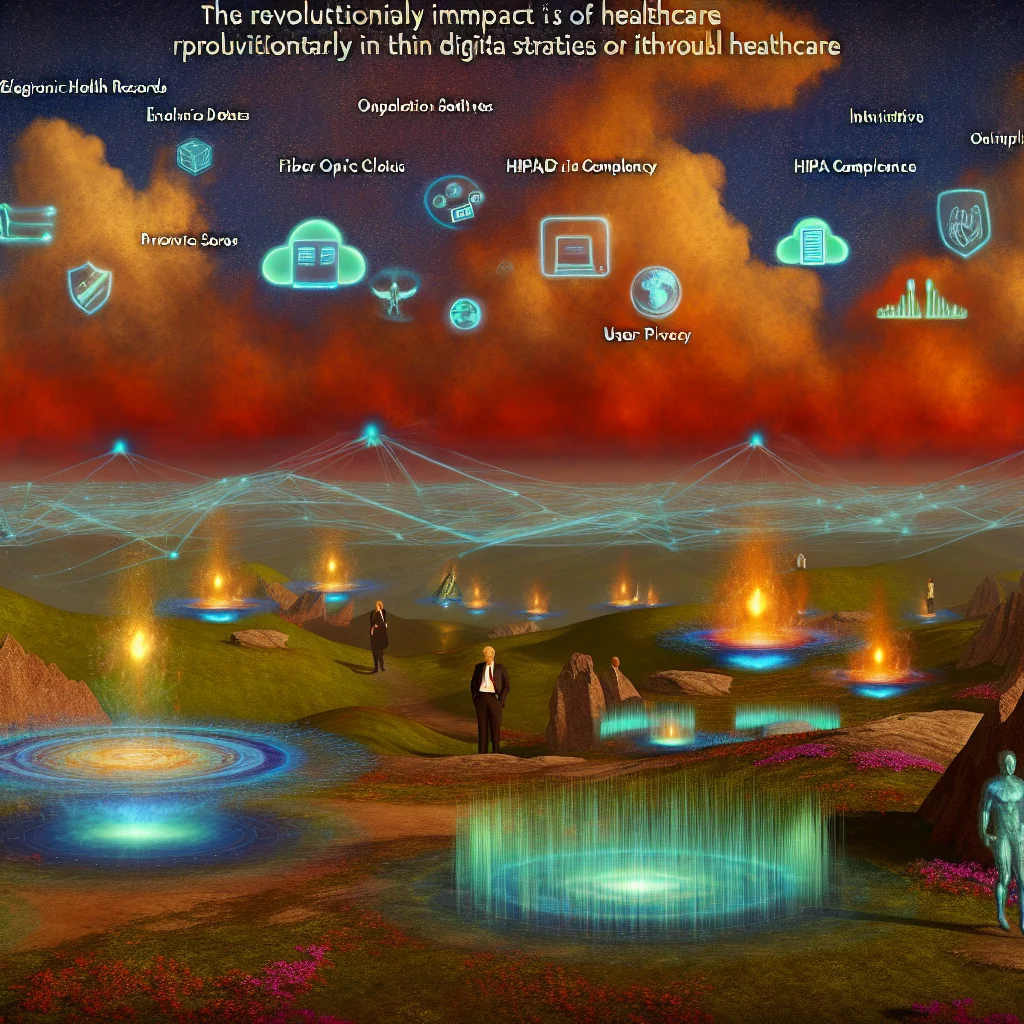
In the rapidly evolving landscape of healthcare, the integration of modern information technology strategies into medical data management has become a pivotal focus for healthcare systems worldwide. As the volume of medical data continues to grow exponentially, driven by advancements in medical imaging, electronic health records (EHRs), and wearable health devices, the need for effective data management strategies has never been more critical. This necessity is underscored by the dual objectives of improving patient care and ensuring data security.
To begin with, the adoption of cloud computing in healthcare has revolutionized the way medical data is stored and accessed. Cloud-based solutions offer scalable storage options that can accommodate the vast amounts of data generated daily. Moreover, they provide healthcare professionals with the ability to access patient information from any location, thereby enhancing the continuity of care. This flexibility is particularly beneficial in emergency situations where timely access to patient data can significantly impact treatment outcomes. However, the transition to cloud-based systems must be managed carefully to address concerns related to data privacy and compliance with regulations such as the Health Insurance Portability and Accountability Act (HIPAA).
In addition to cloud computing, the implementation of advanced data analytics tools is transforming medical data management. These tools enable healthcare providers to extract actionable insights from complex datasets, facilitating more informed decision-making. Predictive analytics, for instance, can identify patterns and trends that may indicate potential health risks, allowing for proactive interventions. Furthermore, data analytics can optimize operational efficiencies by streamlining administrative processes and reducing unnecessary expenditures. As healthcare systems continue to embrace data-driven approaches, the integration of artificial intelligence (AI) and machine learning algorithms is expected to further enhance the predictive capabilities of these tools.
Another critical aspect of modern IT strategies in healthcare is the interoperability of systems. The seamless exchange of information between different healthcare providers and systems is essential for comprehensive patient care. Interoperability ensures that patient data is consistently updated and accessible across various platforms, reducing the risk of errors and duplications. To achieve this, healthcare organizations must invest in standardized protocols and interfaces that facilitate communication between disparate systems. The adoption of Fast Healthcare Interoperability Resources (FHIR) standards, for example, is a step towards achieving greater interoperability in healthcare IT.
Moreover, the integration of cybersecurity measures into medical data management strategies is paramount. As healthcare systems become increasingly digitized, they are also more vulnerable to cyber threats. Protecting sensitive patient information from breaches and unauthorized access is a top priority. Implementing robust encryption methods, conducting regular security audits, and fostering a culture of cybersecurity awareness among healthcare staff are essential components of a comprehensive security strategy.
Finally, the successful integration of modern IT strategies into healthcare systems requires a collaborative approach. Engaging stakeholders, including healthcare providers, IT professionals, and patients, in the planning and implementation process ensures that the solutions developed are both practical and user-friendly. Continuous training and support for healthcare staff are also crucial to maximize the benefits of new technologies and to minimize resistance to change.
In conclusion, the integration of modern IT strategies into medical data management is a multifaceted endeavor that holds the promise of transforming healthcare delivery. By leveraging cloud computing, data analytics, interoperability, and cybersecurity, healthcare systems can enhance the management of medical data, ultimately leading to improved patient outcomes and operational efficiencies. As the healthcare industry continues to navigate the complexities of digital transformation, a strategic and collaborative approach will be key to realizing the full potential of these technological advancements.
Navigating HIPAA Compliance: Modern IT Strategies For Healthcare Systems
Navigating the complex landscape of HIPAA compliance is a critical challenge for modern healthcare systems, particularly as they increasingly rely on advanced IT strategies to manage patient data. The Health Insurance Portability and Accountability Act (HIPAA) sets the standard for protecting sensitive patient information, and compliance is not just a legal obligation but a fundamental component of patient trust and safety. As healthcare systems integrate more sophisticated IT solutions, they must ensure that these technologies align with HIPAA requirements, which necessitates a comprehensive understanding of both the regulatory framework and the technological tools available.
To begin with, healthcare systems must conduct thorough risk assessments to identify potential vulnerabilities in their IT infrastructure. This involves evaluating how patient data is collected, stored, and transmitted, and identifying any areas where data breaches could occur. By understanding these risks, healthcare organizations can implement targeted strategies to mitigate them, such as encryption and access controls. Encryption, for instance, is a critical tool in protecting data both at rest and in transit, ensuring that even if data is intercepted, it remains unreadable to unauthorized individuals.
Moreover, access controls are essential in limiting who can view or modify patient information. Implementing role-based access controls ensures that only authorized personnel have access to sensitive data, thereby reducing the risk of internal breaches. Additionally, healthcare systems should employ multi-factor authentication to add an extra layer of security, requiring users to verify their identity through multiple means before accessing the system.
In addition to these technical measures, healthcare organizations must also focus on the human element of HIPAA compliance. This involves training staff on the importance of data privacy and security, as well as the specific policies and procedures in place to protect patient information. Regular training sessions can help ensure that all employees are aware of their responsibilities under HIPAA and understand how to use IT systems securely. Furthermore, fostering a culture of compliance within the organization can encourage staff to remain vigilant and proactive in protecting patient data.
Another critical aspect of modern IT strategies for HIPAA compliance is the use of cloud-based solutions. Cloud computing offers numerous benefits, including scalability, cost-effectiveness, and enhanced data security. However, healthcare systems must carefully select cloud service providers that are HIPAA-compliant and offer robust security measures. This includes ensuring that the provider has appropriate safeguards in place, such as data encryption, regular security audits, and compliance certifications. Additionally, healthcare organizations should establish clear agreements with their cloud providers, outlining each party’s responsibilities in maintaining HIPAA compliance.
Furthermore, as telehealth services become more prevalent, healthcare systems must ensure that these platforms are secure and compliant with HIPAA regulations. This involves selecting telehealth solutions that offer end-to-end encryption and secure data storage, as well as obtaining patient consent for virtual consultations. By prioritizing security in telehealth services, healthcare organizations can protect patient privacy while expanding access to care.
In conclusion, navigating HIPAA compliance in the context of modern IT strategies requires a multifaceted approach that combines technical safeguards, staff training, and strategic partnerships with technology providers. By implementing comprehensive risk management strategies and fostering a culture of compliance, healthcare systems can effectively protect patient data while leveraging advanced IT solutions to enhance care delivery. As the healthcare landscape continues to evolve, maintaining HIPAA compliance will remain a critical priority, ensuring that patient trust and safety are upheld in an increasingly digital world.
EHR Optimization: Leveraging IT Insights For Improved Clinical Support
In the rapidly evolving landscape of healthcare, the integration of modern IT strategies into healthcare systems has become indispensable. One of the most significant areas where this integration is evident is in the optimization of Electronic Health Records (EHR). EHR systems, when effectively optimized, can significantly enhance clinical support, streamline operations, and improve patient outcomes. Leveraging IT insights to optimize these systems is crucial for healthcare providers aiming to deliver high-quality care efficiently.
To begin with, the optimization of EHR systems involves tailoring them to meet the specific needs of healthcare providers and patients. This customization is achieved by analyzing data and workflows to identify inefficiencies and areas for improvement. By employing advanced data analytics, healthcare organizations can gain valuable insights into how EHR systems are used, which features are most beneficial, and where bottlenecks occur. These insights enable healthcare providers to make informed decisions about which aspects of the EHR system require enhancement or modification.
Moreover, the integration of artificial intelligence (AI) and machine learning into EHR systems represents a significant advancement in healthcare IT. These technologies can analyze vast amounts of data quickly and accurately, providing healthcare professionals with predictive analytics and decision support tools. For instance, AI algorithms can identify patterns in patient data that may indicate potential health issues, allowing for early intervention and improved patient outcomes. Additionally, machine learning can help automate routine tasks, freeing up healthcare professionals to focus on more complex patient care activities.
Transitioning to another critical aspect, interoperability is a key factor in EHR optimization. Ensuring that EHR systems can seamlessly exchange information with other healthcare systems is essential for providing comprehensive patient care. Interoperability allows for the sharing of patient data across different platforms and healthcare providers, reducing the risk of errors and duplications. By adopting standardized data formats and communication protocols, healthcare organizations can facilitate smoother data exchange, ultimately leading to more coordinated and efficient care delivery.
Furthermore, user experience plays a pivotal role in the successful optimization of EHR systems. Healthcare professionals often face challenges with EHR interfaces that are not intuitive or user-friendly, leading to frustration and decreased productivity. By incorporating user-centered design principles, healthcare IT developers can create EHR systems that are more accessible and easier to navigate. This approach not only enhances the user experience but also reduces the likelihood of errors, as healthcare professionals can input and retrieve information more efficiently.
In addition to these technical considerations, ongoing training and support for healthcare staff are vital components of EHR optimization. As EHR systems evolve and new features are introduced, continuous education ensures that healthcare professionals remain proficient in using these tools effectively. Providing comprehensive training programs and readily available support resources can help mitigate the challenges associated with EHR adoption and optimization.
In conclusion, the optimization of EHR systems through modern IT strategies is a multifaceted process that requires careful consideration of various factors, including data analytics, AI integration, interoperability, user experience, and staff training. By leveraging IT insights, healthcare organizations can enhance their EHR systems to provide improved clinical support, ultimately leading to better patient care and outcomes. As the healthcare industry continues to embrace digital transformation, the role of IT in optimizing EHR systems will remain a critical focus for healthcare providers worldwide.
Unlock the future of healthcare with cutting-edge IT strategies! Discover how modern technology is transforming healthcare systems. Dive into “Healthcare IT Insights: Healthcare systems and Modern IT Strategies (7)” now. Learn more.