Revolutionizing Healthcare Systems: The Role Of EHR In Modern IT Strategies
In the rapidly evolving landscape of healthcare, the integration of modern IT strategies has become indispensable, with Electronic Health Records (EHR) playing a pivotal role in this transformation. As healthcare systems strive to enhance patient care, improve operational efficiency, and ensure data security, EHR systems have emerged as a cornerstone of these efforts. The adoption of EHRs marks a significant shift from traditional paper-based records to a more streamlined, digital approach, offering numerous benefits that align with contemporary IT strategies.
One of the primary advantages of EHR systems is their ability to centralize patient information, making it accessible to authorized healthcare providers across different locations. This accessibility not only facilitates better coordination of care but also reduces the likelihood of errors that can occur with fragmented data. For instance, when a patient visits multiple specialists, EHRs ensure that each provider has access to the same comprehensive medical history, thereby minimizing the risk of redundant tests and conflicting treatments. Consequently, this leads to more informed decision-making and improved patient outcomes.
Moreover, EHRs contribute significantly to enhancing the efficiency of healthcare operations. By automating routine tasks such as appointment scheduling, billing, and prescription management, EHR systems free up valuable time for healthcare professionals, allowing them to focus more on patient care. This automation also reduces administrative burdens and operational costs, which are critical considerations for healthcare organizations aiming to optimize their resources. Furthermore, the integration of EHRs with other health information technologies, such as telemedicine platforms and mobile health applications, exemplifies how modern IT strategies can create a more interconnected and responsive healthcare ecosystem.
In addition to operational efficiency, EHRs play a crucial role in ensuring data security and compliance with regulatory standards. With the increasing prevalence of cyber threats, safeguarding patient information has become a top priority for healthcare organizations. EHR systems are designed with robust security measures, including encryption, access controls, and audit trails, to protect sensitive data from unauthorized access and breaches. Moreover, compliance with regulations such as the Health Insurance Portability and Accountability Act (HIPAA) is facilitated by EHRs, as they provide the necessary tools to maintain the confidentiality, integrity, and availability of patient information.
The role of EHRs in modern IT strategies extends beyond individual patient care to encompass population health management. By aggregating and analyzing data from diverse sources, EHR systems enable healthcare providers to identify trends, track disease outbreaks, and implement preventive measures. This data-driven approach supports public health initiatives and informs policy decisions, ultimately contributing to the overall well-being of communities.
Despite the numerous benefits, the implementation of EHR systems is not without challenges. Healthcare organizations must navigate issues such as interoperability, user training, and system customization to fully realize the potential of EHRs. However, with ongoing advancements in technology and a commitment to innovation, these challenges can be addressed, paving the way for more effective and efficient healthcare delivery.
In conclusion, the integration of EHRs into healthcare systems represents a fundamental component of modern IT strategies. By enhancing data accessibility, operational efficiency, security, and population health management, EHRs are revolutionizing the way healthcare is delivered. As the healthcare industry continues to embrace digital transformation, the role of EHRs will undoubtedly expand, offering new opportunities to improve patient care and outcomes in an increasingly interconnected world.
Ensuring HIPAA Compliance: Best Practices For Protecting Medical Data
In the rapidly evolving landscape of healthcare, the integration of modern IT strategies has become indispensable for ensuring the efficiency and effectiveness of healthcare systems. One of the most critical aspects of this integration is the protection of medical data, which is governed by the Health Insurance Portability and Accountability Act (HIPAA). Ensuring HIPAA compliance is not merely a legal obligation but a fundamental component of maintaining patient trust and safeguarding sensitive health information. As healthcare organizations increasingly rely on digital solutions, understanding and implementing best practices for protecting medical data is paramount.
To begin with, a comprehensive risk assessment is essential for identifying potential vulnerabilities within a healthcare system. This process involves evaluating the current IT infrastructure, identifying potential threats, and determining the likelihood and impact of these threats on patient data. By conducting regular risk assessments, healthcare organizations can proactively address weaknesses and implement necessary safeguards to mitigate risks. Moreover, these assessments should be documented meticulously to demonstrate compliance with HIPAA regulations.
In addition to risk assessments, the implementation of robust access controls is crucial for protecting medical data. Access controls ensure that only authorized personnel have access to sensitive information, thereby reducing the risk of unauthorized access or data breaches. This can be achieved through the use of strong authentication methods, such as multi-factor authentication, which requires users to provide multiple forms of verification before gaining access to the system. Furthermore, role-based access controls can be employed to restrict access based on the specific roles and responsibilities of individuals within the organization.
Another vital aspect of ensuring HIPAA compliance is the encryption of medical data, both at rest and in transit. Encryption transforms data into a secure format that can only be accessed by individuals with the appropriate decryption key. This practice is particularly important when transmitting data over networks, as it prevents unauthorized interception and access. By encrypting data, healthcare organizations can significantly reduce the risk of data breaches and ensure that patient information remains confidential and secure.
Moreover, regular training and education of staff members play a pivotal role in maintaining HIPAA compliance. Employees must be well-versed in the organization’s data protection policies and procedures, as well as the potential consequences of non-compliance. Regular training sessions can help reinforce the importance of safeguarding medical data and ensure that staff members are aware of the latest security protocols and best practices. Additionally, fostering a culture of accountability and vigilance can further enhance the organization’s overall security posture.
Furthermore, healthcare organizations should establish a comprehensive incident response plan to address potential data breaches or security incidents. This plan should outline the steps to be taken in the event of a breach, including the identification and containment of the threat, notification of affected individuals, and remediation efforts to prevent future occurrences. By having a well-defined incident response plan in place, organizations can minimize the impact of a breach and ensure a swift and effective response.
In conclusion, ensuring HIPAA compliance is a multifaceted endeavor that requires a combination of risk assessments, access controls, encryption, staff training, and incident response planning. By adopting these best practices, healthcare organizations can protect medical data, maintain patient trust, and navigate the complexities of modern IT strategies with confidence. As the healthcare industry continues to embrace digital transformation, prioritizing the protection of sensitive information will remain a cornerstone of effective healthcare delivery.
Health IT Trends: Emerging Technologies Transforming Clinical Support
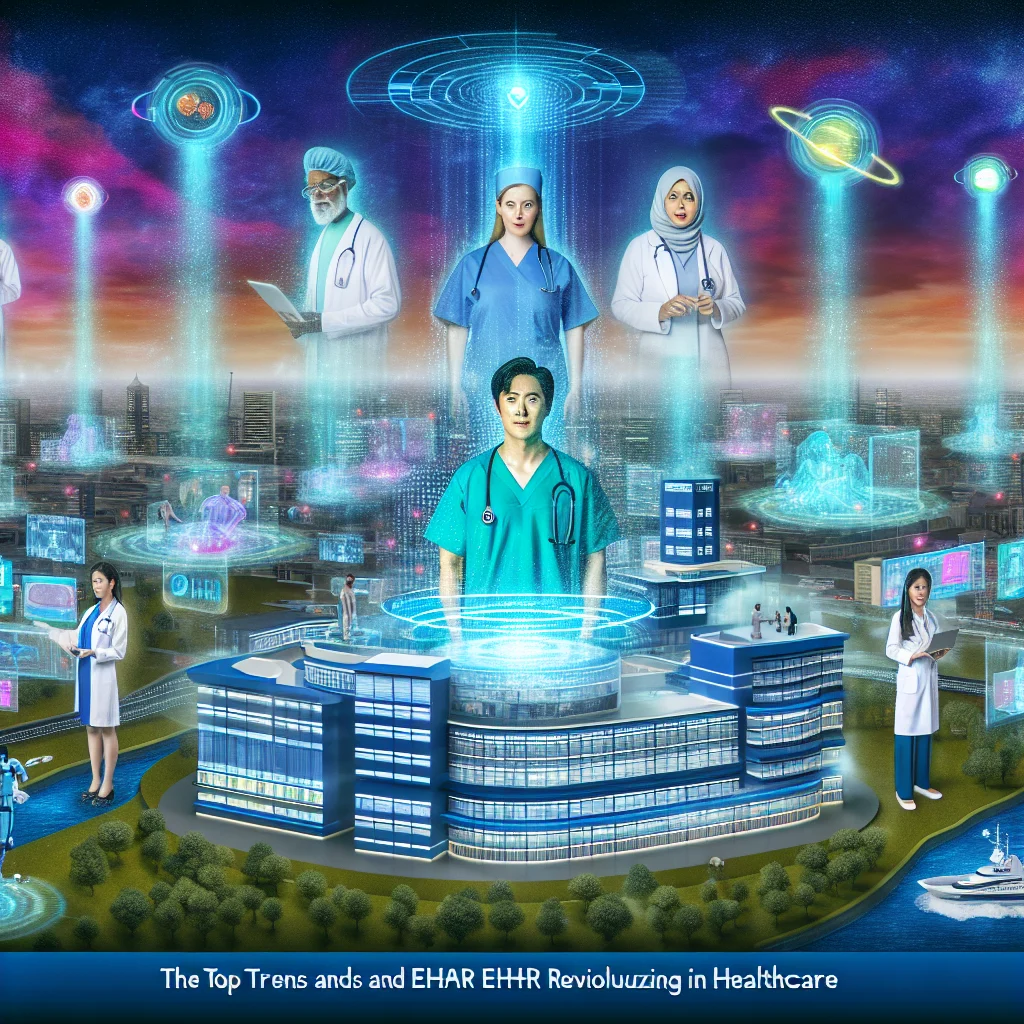
In recent years, the healthcare industry has witnessed a transformative shift driven by the integration of modern information technology strategies. This evolution is not merely a trend but a necessary adaptation to the growing demands for efficient, patient-centered care. Emerging technologies are at the forefront of this transformation, offering innovative solutions that enhance clinical support and streamline healthcare delivery. As healthcare systems increasingly adopt these technologies, it is essential to understand their impact and potential to revolutionize clinical practices.
One of the most significant advancements in healthcare IT is the implementation of electronic health records (EHRs). EHRs have become a cornerstone of modern healthcare systems, providing a comprehensive digital version of a patient’s medical history. This technology facilitates seamless information sharing among healthcare providers, ensuring that patient data is readily accessible and up-to-date. Consequently, EHRs enhance clinical decision-making, reduce medical errors, and improve patient outcomes. Moreover, the integration of EHRs with other digital tools, such as telemedicine platforms and mobile health applications, further extends their utility, enabling remote monitoring and consultations.
In addition to EHRs, artificial intelligence (AI) is playing an increasingly pivotal role in transforming clinical support. AI algorithms are capable of analyzing vast amounts of data quickly and accurately, offering insights that were previously unattainable. For instance, AI-powered diagnostic tools can assist clinicians in identifying patterns and anomalies in medical images, leading to earlier and more accurate diagnoses. Furthermore, AI-driven predictive analytics can forecast patient outcomes and potential complications, allowing healthcare providers to implement proactive interventions. As AI continues to evolve, its applications in personalized medicine and treatment planning are expected to expand, offering tailored solutions that cater to individual patient needs.
Another emerging technology reshaping healthcare is the Internet of Things (IoT). IoT devices, such as wearable health monitors and smart medical equipment, collect real-time data on patients’ vital signs and health metrics. This continuous data stream enables healthcare professionals to monitor patients’ conditions remotely, facilitating timely interventions and reducing the need for frequent in-person visits. Additionally, IoT technology enhances patient engagement by empowering individuals to take an active role in managing their health. By providing patients with access to their health data, IoT devices promote informed decision-making and encourage adherence to treatment plans.
Blockchain technology is also gaining traction in the healthcare sector, offering a secure and transparent method for managing sensitive patient information. By decentralizing data storage and employing cryptographic techniques, blockchain ensures the integrity and confidentiality of health records. This technology not only enhances data security but also simplifies the process of data sharing across different healthcare entities. As a result, blockchain has the potential to streamline administrative processes, reduce costs, and improve the overall efficiency of healthcare systems.
While these emerging technologies hold great promise, their successful implementation requires careful consideration of various challenges. Issues such as data privacy, interoperability, and the digital divide must be addressed to ensure equitable access to these innovations. Moreover, healthcare professionals must be adequately trained to leverage these technologies effectively, necessitating ongoing education and support.
In conclusion, the integration of modern IT strategies into healthcare systems is transforming clinical support in unprecedented ways. As technologies such as EHRs, AI, IoT, and blockchain continue to evolve, they offer the potential to enhance patient care, improve outcomes, and streamline healthcare delivery. By embracing these innovations and addressing associated challenges, healthcare systems can pave the way for a more efficient, patient-centered future.
Tech Integration In Healthcare: Bridging The Gap Between IT And Patient Care
In recent years, the integration of information technology into healthcare systems has become a pivotal factor in enhancing patient care and operational efficiency. As healthcare organizations strive to meet the increasing demands of patient-centered care, the role of IT has evolved from a mere support function to a strategic enabler of healthcare delivery. This transformation is driven by the need to bridge the gap between IT capabilities and patient care, ensuring that technological advancements translate into tangible benefits for patients and healthcare providers alike.
One of the primary ways in which IT integration is transforming healthcare is through the implementation of electronic health records (EHRs). EHRs have revolutionized the way patient information is stored, accessed, and shared across different healthcare settings. By providing a comprehensive and up-to-date view of a patient’s medical history, EHRs facilitate better coordination among healthcare providers, reduce the likelihood of medical errors, and enhance the overall quality of care. Moreover, the interoperability of EHR systems allows for seamless data exchange, which is crucial in emergency situations where timely access to patient information can be life-saving.
In addition to EHRs, telemedicine has emerged as a significant IT-driven innovation that is reshaping patient care. Telemedicine leverages digital communication technologies to provide remote clinical services, thereby increasing access to healthcare for patients in underserved or rural areas. This approach not only reduces the need for in-person visits but also enables healthcare providers to monitor and manage chronic conditions more effectively. As a result, telemedicine has the potential to improve patient outcomes while simultaneously reducing healthcare costs.
Furthermore, the integration of IT in healthcare is facilitating the rise of personalized medicine. Advances in data analytics and artificial intelligence (AI) are enabling healthcare providers to analyze vast amounts of patient data to identify patterns and predict health outcomes. This capability allows for the development of tailored treatment plans that are specific to an individual’s genetic makeup, lifestyle, and environmental factors. Personalized medicine holds the promise of more effective treatments with fewer side effects, ultimately leading to improved patient satisfaction and quality of life.
However, the integration of IT into healthcare is not without its challenges. One of the primary concerns is ensuring the security and privacy of patient data. As healthcare systems become increasingly digitized, they become more vulnerable to cyber threats. Protecting sensitive patient information requires robust cybersecurity measures and compliance with regulations such as the Health Insurance Portability and Accountability Act (HIPAA). Additionally, the successful implementation of IT solutions in healthcare requires significant investment in infrastructure, training, and change management to ensure that healthcare professionals are equipped to leverage new technologies effectively.
Despite these challenges, the potential benefits of IT integration in healthcare are undeniable. By bridging the gap between IT and patient care, healthcare organizations can enhance the quality, accessibility, and efficiency of their services. As technology continues to advance, it is imperative for healthcare systems to adopt modern IT strategies that align with their clinical and operational goals. In doing so, they can create a more connected and patient-centric healthcare environment that meets the needs of today’s patients while preparing for the challenges of tomorrow. Through strategic IT integration, the healthcare industry can continue to innovate and improve, ultimately leading to better health outcomes for all.
Optimizing Healthcare Systems: Leveraging IT Strategies For Improved Outcomes
In the rapidly evolving landscape of healthcare, the integration of modern IT strategies has become indispensable for optimizing healthcare systems and improving patient outcomes. As healthcare organizations strive to deliver high-quality care while managing costs, the role of information technology has expanded beyond mere administrative support to become a critical component of clinical and operational excellence. By leveraging advanced IT solutions, healthcare providers can enhance patient care, streamline operations, and foster a more efficient and effective healthcare delivery system.
One of the primary ways IT strategies are transforming healthcare is through the implementation of electronic health records (EHRs). EHRs have revolutionized the way patient information is stored, accessed, and shared among healthcare professionals. By digitizing patient records, healthcare providers can ensure that critical information is readily available, reducing the likelihood of errors and improving the coordination of care. Moreover, EHRs facilitate data analytics, enabling healthcare organizations to identify trends, monitor patient outcomes, and make data-driven decisions that enhance the quality of care.
In addition to EHRs, telemedicine has emerged as a pivotal IT strategy in optimizing healthcare systems. Telemedicine allows patients to receive medical consultations and care remotely, breaking down geographical barriers and increasing access to healthcare services. This is particularly beneficial for patients in rural or underserved areas who may otherwise face challenges in accessing timely medical attention. Furthermore, telemedicine reduces the burden on healthcare facilities by minimizing the need for in-person visits, thereby optimizing resource allocation and improving patient flow.
Another significant IT strategy is the use of artificial intelligence (AI) and machine learning in healthcare. These technologies have the potential to revolutionize diagnostics, treatment planning, and patient monitoring. AI algorithms can analyze vast amounts of data to identify patterns and predict patient outcomes, assisting healthcare professionals in making more accurate diagnoses and developing personalized treatment plans. Machine learning models can also be employed to monitor patient vitals and detect anomalies in real-time, enabling early intervention and preventing complications.
Moreover, the integration of IT strategies in healthcare extends to enhancing operational efficiency. Healthcare organizations are increasingly adopting cloud computing solutions to store and manage data securely while ensuring scalability and flexibility. Cloud-based systems facilitate seamless collaboration among healthcare professionals, allowing for real-time data sharing and communication. This not only improves the efficiency of healthcare delivery but also enhances the overall patient experience by reducing wait times and improving service quality.
Cybersecurity is another critical aspect of IT strategies in healthcare. As healthcare systems become more digitized, the risk of cyber threats and data breaches increases. Implementing robust cybersecurity measures is essential to protect sensitive patient information and maintain trust in healthcare systems. By investing in advanced security protocols and regular staff training, healthcare organizations can safeguard their IT infrastructure and ensure the confidentiality and integrity of patient data.
In conclusion, the optimization of healthcare systems through modern IT strategies is a multifaceted approach that holds immense potential for improving patient outcomes and operational efficiency. By embracing technologies such as EHRs, telemedicine, AI, and cloud computing, healthcare organizations can enhance the quality of care, increase accessibility, and streamline operations. As the healthcare industry continues to evolve, the strategic integration of IT solutions will be paramount in addressing the challenges of today and shaping the future of healthcare delivery.
Discover the latest in Healthcare IT Insights and explore modern IT strategies for healthcare systems. Stay ahead in the industry by visiting our comprehensive guide. Learn more now!