The Future Of Dental Technology: Embracing IT Upgrades For Enhanced Patient Care
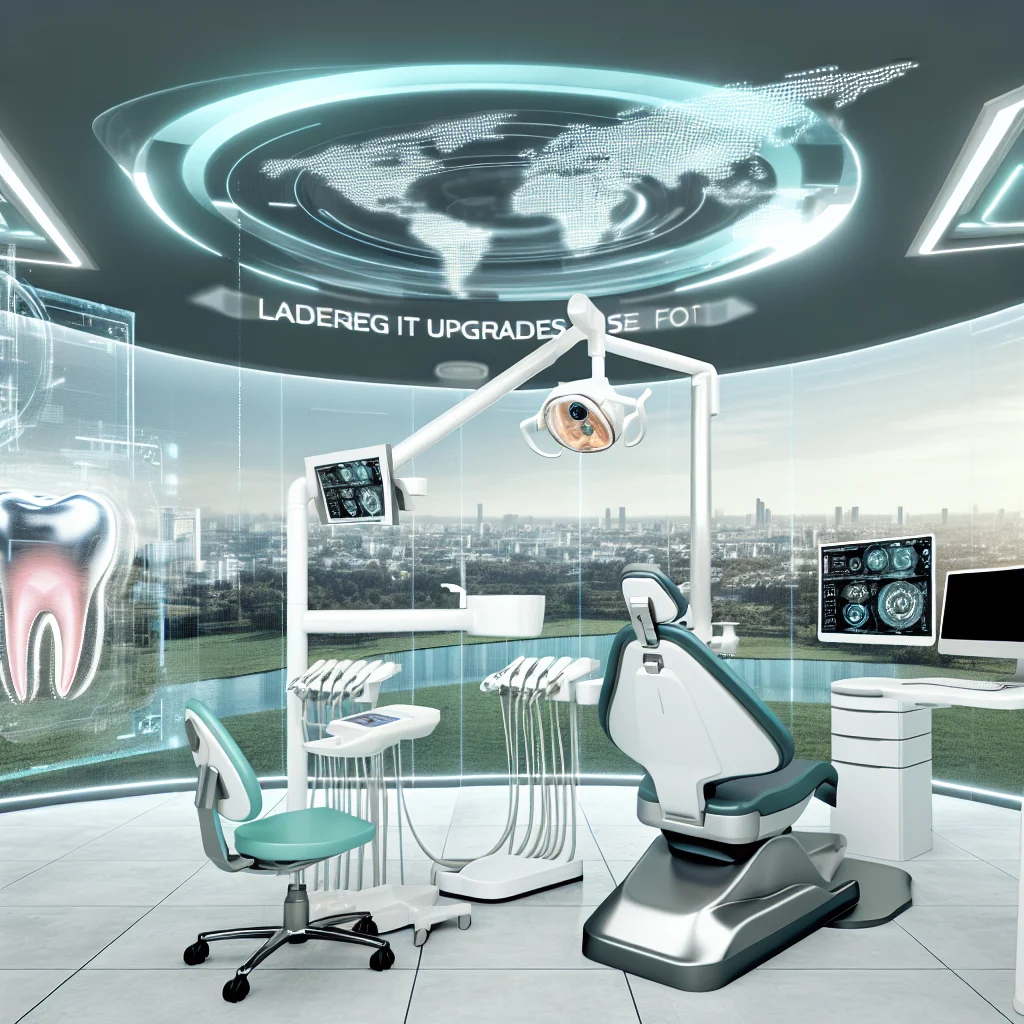
The future of dental technology is poised for significant transformation as the integration of information technology (IT) becomes increasingly pivotal in enhancing patient care. As dental practices strive to provide superior services, embracing IT upgrades is not merely an option but a necessity. The convergence of dental technology and IT is reshaping the landscape of oral healthcare, offering unprecedented opportunities for improving patient outcomes, streamlining operations, and elevating the overall patient experience.
One of the most profound impacts of IT in dentistry is the enhancement of diagnostic capabilities. Advanced imaging technologies, such as digital radiography and 3D imaging, have revolutionized the way dental professionals diagnose and plan treatments. These technologies provide high-resolution images that allow for more accurate assessments of dental conditions, leading to more precise treatment plans. Moreover, the integration of artificial intelligence (AI) in diagnostic tools is further augmenting the accuracy and efficiency of dental diagnoses. AI algorithms can analyze vast amounts of data quickly, identifying patterns and anomalies that might be missed by the human eye, thus facilitating early detection of dental issues.
In addition to diagnostics, IT upgrades are significantly improving patient management systems. Electronic health records (EHRs) have become a cornerstone of modern dental practices, enabling seamless access to patient information. This digital transformation ensures that dental professionals have comprehensive and up-to-date patient histories at their fingertips, allowing for more personalized and informed care. Furthermore, EHRs facilitate better communication and coordination among dental teams, ensuring that all members are aligned in their approach to patient care.
The integration of IT in dental practices also extends to patient engagement and education. With the advent of digital platforms, patients can now access educational resources, appointment scheduling, and treatment plans online. This accessibility empowers patients to take an active role in their oral health, fostering a collaborative relationship between patients and dental professionals. Additionally, tele-dentistry is emerging as a valuable tool, particularly in remote or underserved areas. By leveraging video conferencing and digital communication tools, dental professionals can provide consultations and follow-ups without the need for in-person visits, thus expanding access to care.
Moreover, IT advancements are streamlining administrative processes within dental practices. Practice management software automates routine tasks such as appointment scheduling, billing, and inventory management, reducing the administrative burden on staff and allowing them to focus more on patient care. This efficiency not only enhances the operational aspects of dental practices but also contributes to a more pleasant experience for patients, who benefit from reduced wait times and more efficient service.
As dental technology continues to evolve, cybersecurity becomes an essential consideration. Protecting patient data from breaches and ensuring compliance with regulations such as the Health Insurance Portability and Accountability Act (HIPAA) is paramount. Dental practices must invest in robust cybersecurity measures to safeguard sensitive information and maintain patient trust.
In conclusion, the future of dental technology is intricately linked with the adoption of IT upgrades. By embracing these advancements, dental practices can enhance diagnostic accuracy, improve patient management, engage patients more effectively, streamline operations, and ensure data security. As the dental industry continues to evolve, the integration of IT will undoubtedly play a crucial role in shaping a future where patient care is more efficient, personalized, and accessible than ever before.
Navigating Dental Software: Key Considerations For Modern Practices
In the rapidly evolving landscape of dental technology, modern practices are increasingly reliant on sophisticated software solutions to enhance patient care, streamline operations, and maintain competitive advantage. As dental practices navigate the myriad of available software options, it is crucial to consider several key factors that can significantly impact the efficiency and effectiveness of their operations. Understanding these considerations can help dental professionals make informed decisions that align with their practice’s unique needs and goals.
To begin with, the integration capabilities of dental software are paramount. Seamless integration with existing systems, such as electronic health records (EHR) and practice management software, ensures that data flows smoothly across platforms, reducing the risk of errors and enhancing the overall patient experience. Moreover, integrated systems facilitate better communication among dental team members, enabling them to access patient information quickly and efficiently. This, in turn, can lead to improved treatment planning and coordination, ultimately benefiting patient outcomes.
Another critical consideration is the user-friendliness of the software. Dental professionals, who are often pressed for time, require intuitive interfaces that minimize the learning curve and allow them to focus on patient care rather than navigating complex systems. User-friendly software not only enhances productivity but also reduces the likelihood of errors, as staff members can easily input and retrieve information without unnecessary complications. Additionally, software that offers customizable features can be tailored to meet the specific needs of a practice, further enhancing its usability and effectiveness.
Security is another vital aspect that cannot be overlooked. With the increasing prevalence of cyber threats, dental practices must ensure that their software solutions adhere to stringent security standards to protect sensitive patient data. This includes implementing robust encryption protocols, regular software updates, and comprehensive access controls. By prioritizing security, practices can safeguard their reputation and maintain patient trust, which is essential in today’s digital age.
Furthermore, scalability is an important factor to consider when selecting dental software. As practices grow and evolve, their software needs may change. Therefore, it is essential to choose solutions that can adapt to these changes without requiring significant overhauls or disruptions. Scalable software allows practices to add new features or expand their capabilities as needed, ensuring that they remain agile and responsive to both internal and external demands.
In addition to these technical considerations, the level of customer support provided by software vendors is a crucial element in the decision-making process. Reliable customer support can make a significant difference in how effectively a practice can implement and utilize new software. Vendors that offer comprehensive training, responsive technical assistance, and ongoing support can help practices overcome challenges and maximize the benefits of their software investments.
Finally, cost is an inevitable consideration for any dental practice. While it is important to find software solutions that fit within budgetary constraints, it is equally important to consider the long-term value and return on investment that these solutions can provide. By carefully evaluating the cost-benefit ratio, practices can ensure that they are making financially sound decisions that will support their growth and success over time.
In conclusion, navigating the complex world of dental software requires careful consideration of various factors, including integration capabilities, user-friendliness, security, scalability, customer support, and cost. By taking these elements into account, dental practices can select software solutions that not only meet their current needs but also position them for future success in an increasingly digital and competitive environment.
Strengthening Practice Security: Essential IT Measures For Dental Offices
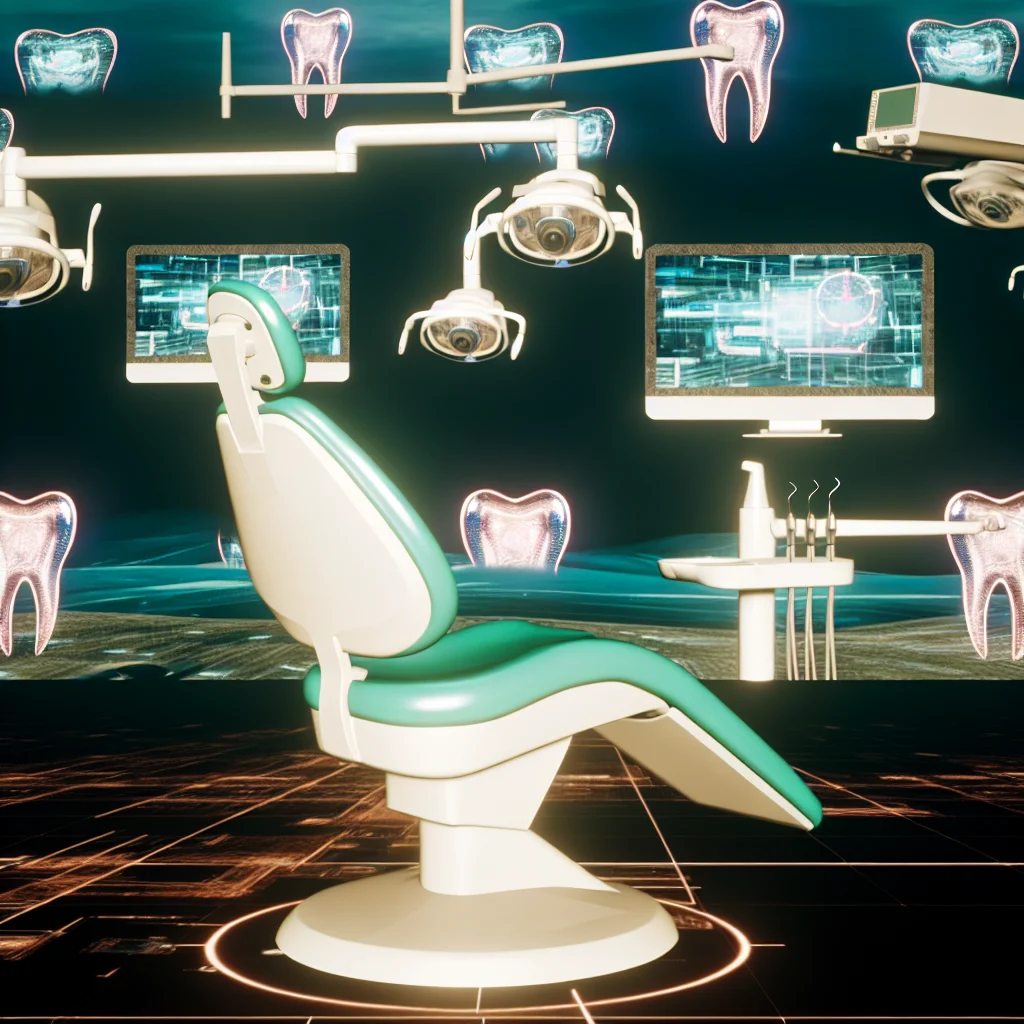
In the rapidly evolving landscape of dental technology, ensuring the security of patient data has become a paramount concern for dental practices. As digital solutions become increasingly integrated into everyday operations, the need for robust IT security measures cannot be overstated. Dental offices, like other healthcare providers, handle sensitive patient information, making them attractive targets for cybercriminals. Therefore, implementing essential IT security measures is crucial to safeguarding this data and maintaining patient trust.
To begin with, one of the foundational steps in strengthening practice security is the adoption of comprehensive data encryption protocols. Encryption serves as a critical line of defense, ensuring that even if data is intercepted, it remains unreadable to unauthorized individuals. By encrypting both stored data and data in transit, dental practices can significantly reduce the risk of data breaches. Moreover, encryption should be complemented by secure backup solutions. Regularly backing up data and storing it in a secure, offsite location ensures that information can be recovered in the event of a cyberattack or system failure.
In addition to encryption and backup strategies, dental practices must prioritize the implementation of strong access controls. This involves establishing strict policies regarding who can access sensitive information and under what circumstances. Utilizing multi-factor authentication (MFA) is an effective way to enhance access control. MFA requires users to provide two or more verification factors to gain access to a system, thereby adding an extra layer of security beyond just a password. By limiting access to authorized personnel only, dental offices can better protect patient data from internal and external threats.
Furthermore, regular software updates and patch management are essential components of a robust IT security strategy. Cybercriminals often exploit vulnerabilities in outdated software to gain unauthorized access to systems. Therefore, keeping all software, including operating systems and dental-specific applications, up to date is vital. Automated update systems can help ensure that patches are applied promptly, reducing the window of opportunity for potential attacks.
Another critical aspect of strengthening practice security is employee training and awareness. Human error remains one of the leading causes of data breaches, making it imperative for dental practices to educate their staff on cybersecurity best practices. Regular training sessions should cover topics such as recognizing phishing attempts, creating strong passwords, and understanding the importance of data protection. By fostering a culture of security awareness, dental offices can empower their employees to act as the first line of defense against cyber threats.
Moreover, dental practices should consider conducting regular security audits and risk assessments. These evaluations help identify potential vulnerabilities and areas for improvement within the practice’s IT infrastructure. By proactively addressing identified risks, dental offices can enhance their overall security posture and ensure compliance with relevant regulations, such as the Health Insurance Portability and Accountability Act (HIPAA).
In conclusion, as dental technology continues to advance, so too must the security measures that protect patient data. By implementing comprehensive encryption protocols, strong access controls, regular software updates, employee training, and routine security audits, dental practices can significantly bolster their defenses against cyber threats. Ultimately, these essential IT measures not only protect sensitive information but also reinforce patient trust, which is fundamental to the success and reputation of any dental practice.
Achieving Dental Compliance: Integrating Technology For Regulatory Success
In the rapidly evolving landscape of dental care, achieving compliance with regulatory standards is paramount for dental practices. The integration of advanced technology into dental operations not only enhances patient care but also plays a crucial role in ensuring adherence to regulatory requirements. As dental practices strive to maintain compliance, understanding the intersection of technology and regulation becomes essential.
To begin with, the implementation of electronic health records (EHRs) has revolutionized the way dental practices manage patient information. EHRs facilitate the secure storage and retrieval of patient data, ensuring that records are accurate, up-to-date, and easily accessible. This technological advancement aids in meeting compliance standards set by regulatory bodies such as the Health Insurance Portability and Accountability Act (HIPAA). By safeguarding patient information through encryption and access controls, EHRs help dental practices protect sensitive data, thereby reducing the risk of data breaches and ensuring compliance with privacy regulations.
Moreover, digital imaging technologies have significantly contributed to compliance efforts in dental practices. The transition from traditional X-rays to digital radiography not only improves diagnostic accuracy but also aligns with environmental regulations by eliminating the need for chemical processing. Digital images can be easily stored, shared, and retrieved, facilitating seamless communication between dental professionals and enhancing collaborative care. This technological shift not only streamlines operations but also ensures that practices adhere to environmental and safety standards.
In addition to EHRs and digital imaging, practice management software plays a pivotal role in achieving regulatory compliance. These comprehensive systems integrate various aspects of dental operations, including appointment scheduling, billing, and patient communication. By automating routine tasks and maintaining detailed records, practice management software helps dental practices adhere to financial and operational regulations. Furthermore, these systems often include features for tracking continuing education and licensure requirements, ensuring that dental professionals remain compliant with industry standards.
Transitioning to another critical aspect, the use of teledentistry has gained prominence, particularly in the wake of the COVID-19 pandemic. Teledentistry platforms enable remote consultations, allowing dental professionals to provide care while minimizing physical contact. This technological innovation not only expands access to dental services but also aligns with public health guidelines and infection control protocols. By incorporating teledentistry into their practice, dental professionals can continue to deliver quality care while adhering to evolving health regulations.
Furthermore, the integration of cybersecurity measures is indispensable in achieving compliance in the digital age. As dental practices increasingly rely on technology, safeguarding against cyber threats becomes a top priority. Implementing robust cybersecurity protocols, such as firewalls, antivirus software, and regular system updates, helps protect patient data from unauthorized access and cyberattacks. By prioritizing cybersecurity, dental practices demonstrate their commitment to compliance with data protection regulations and build trust with their patients.
In conclusion, the integration of technology into dental practices is not merely a matter of convenience but a strategic approach to achieving regulatory compliance. From electronic health records and digital imaging to practice management software and teledentistry, technology offers a multitude of solutions that enhance operational efficiency and ensure adherence to regulatory standards. As the dental industry continues to evolve, embracing technological advancements will be crucial for practices seeking to maintain compliance and deliver exceptional patient care. By staying informed about the latest technological developments and regulatory requirements, dental professionals can navigate the complexities of compliance with confidence and success.
Cloud Integration In Digital Dentistry: Transforming Practice Management
In recent years, the integration of cloud technology into digital dentistry has revolutionized practice management, offering unprecedented opportunities for efficiency, collaboration, and patient care. As dental practices increasingly adopt digital solutions, the cloud emerges as a pivotal component, enabling seamless data management and enhanced operational capabilities. This transformation is not merely a trend but a fundamental shift in how dental practices operate, providing a robust framework for managing patient information, streamlining workflows, and facilitating communication.
One of the primary advantages of cloud integration in digital dentistry is the ability to store and access patient data securely and efficiently. Traditional methods of data storage, such as paper records or local servers, often pose challenges related to space, security, and accessibility. In contrast, cloud-based systems offer scalable storage solutions that ensure data is readily available from any location with internet access. This accessibility is particularly beneficial for multi-location practices, allowing dental professionals to access patient records and treatment plans seamlessly, regardless of their physical location. Moreover, cloud systems are equipped with advanced security measures, including encryption and regular backups, safeguarding sensitive patient information against data breaches and loss.
In addition to data management, cloud technology enhances practice management by streamlining administrative tasks. Scheduling, billing, and patient communication can be efficiently managed through integrated cloud-based platforms. These systems automate routine tasks, reducing the administrative burden on staff and minimizing the risk of human error. For instance, automated appointment reminders and confirmations can be sent directly to patients, improving attendance rates and optimizing the practice’s schedule. Furthermore, cloud-based billing systems facilitate faster processing of insurance claims and payments, enhancing cash flow and financial management.
Collaboration among dental professionals is another area significantly improved by cloud integration. The ability to share information and collaborate in real-time is crucial for providing comprehensive patient care. Cloud platforms enable dental teams to share diagnostic images, treatment plans, and patient records instantaneously, fostering a collaborative environment that enhances decision-making and treatment outcomes. This capability is particularly valuable in complex cases requiring input from multiple specialists, as it ensures that all team members have access to the most up-to-date information.
Moreover, cloud technology supports the integration of advanced digital tools and technologies, such as digital imaging and CAD/CAM systems, into dental practices. These tools generate large volumes of data that require efficient storage and processing capabilities. Cloud systems provide the necessary infrastructure to handle this data, allowing dental professionals to leverage cutting-edge technologies without the limitations of local storage constraints. This integration not only improves diagnostic accuracy and treatment precision but also enhances the overall patient experience by reducing wait times and improving outcomes.
As dental practices continue to embrace digital transformation, the role of cloud technology becomes increasingly central to their success. By offering scalable, secure, and efficient solutions for data management, practice administration, and professional collaboration, cloud integration is transforming the landscape of digital dentistry. Dental professionals who adopt these technologies are better equipped to meet the evolving needs of their patients, providing high-quality care in a rapidly changing healthcare environment. As such, the integration of cloud technology in digital dentistry is not just an enhancement but a necessity for modern practice management, paving the way for a more connected and efficient future in dental care.
Discover the latest advancements in dental technology with our comprehensive guide, “Dental IT Insights: Dental Technology (23).” Stay ahead in the dental industry by exploring cutting-edge innovations and solutions. Learn more now!