Understanding DLP Systems: Key Features and Benefits
Data Loss Prevention (DLP) systems have become an essential component of modern cybersecurity strategies, particularly as organizations increasingly rely on digital data to drive their operations. Understanding the key features and benefits of DLP systems is crucial for businesses aiming to protect sensitive information from unauthorized access, accidental leaks, and malicious attacks. As data breaches continue to pose significant risks, DLP systems offer a proactive approach to safeguarding valuable data assets.
At the core of DLP systems is their ability to identify, monitor, and protect sensitive data across various environments, including on-premises networks, cloud services, and endpoint devices. One of the primary features of DLP systems is data classification, which involves categorizing data based on its sensitivity and importance. By employing advanced algorithms and machine learning techniques, DLP systems can automatically classify data, ensuring that sensitive information is appropriately protected. This classification process is vital for organizations to understand what data needs the most protection and to apply the necessary security measures accordingly.
In addition to data classification, DLP systems offer robust data monitoring capabilities. These systems continuously track data movement and usage across the organization, providing real-time visibility into how data is accessed and shared. This monitoring is crucial for detecting potential security threats, such as unauthorized data transfers or unusual access patterns, which could indicate a breach or insider threat. By alerting security teams to these anomalies, DLP systems enable a swift response to mitigate potential risks before they escalate.
Moreover, DLP systems incorporate data encryption and access control mechanisms to prevent unauthorized access to sensitive information. Encryption ensures that even if data is intercepted or accessed by unauthorized individuals, it remains unreadable and unusable. Access control, on the other hand, restricts data access to authorized users only, based on predefined policies and user roles. These features work in tandem to create a secure environment where data is protected both at rest and in transit.
Another significant benefit of DLP systems is their ability to enforce data protection policies across the organization. By defining and implementing comprehensive policies, organizations can ensure that data handling practices align with regulatory requirements and industry standards. DLP systems automate the enforcement of these policies, reducing the risk of human error and ensuring consistent compliance. This capability is particularly important for organizations operating in highly regulated industries, such as healthcare and finance, where data protection is paramount.
Furthermore, DLP systems provide valuable insights through detailed reporting and analytics. By analyzing data usage patterns and security incidents, organizations can gain a deeper understanding of their data landscape and identify areas for improvement. These insights enable organizations to refine their data protection strategies, optimize resource allocation, and enhance overall security posture.
In conclusion, DLP systems offer a comprehensive solution for protecting sensitive data in an increasingly digital world. By leveraging features such as data classification, monitoring, encryption, access control, policy enforcement, and analytics, organizations can effectively safeguard their data assets against a wide range of threats. As the volume and complexity of data continue to grow, the importance of DLP systems in ensuring data security and compliance cannot be overstated. Organizations that invest in robust DLP solutions are better equipped to navigate the challenges of modern data protection and maintain the trust of their stakeholders.
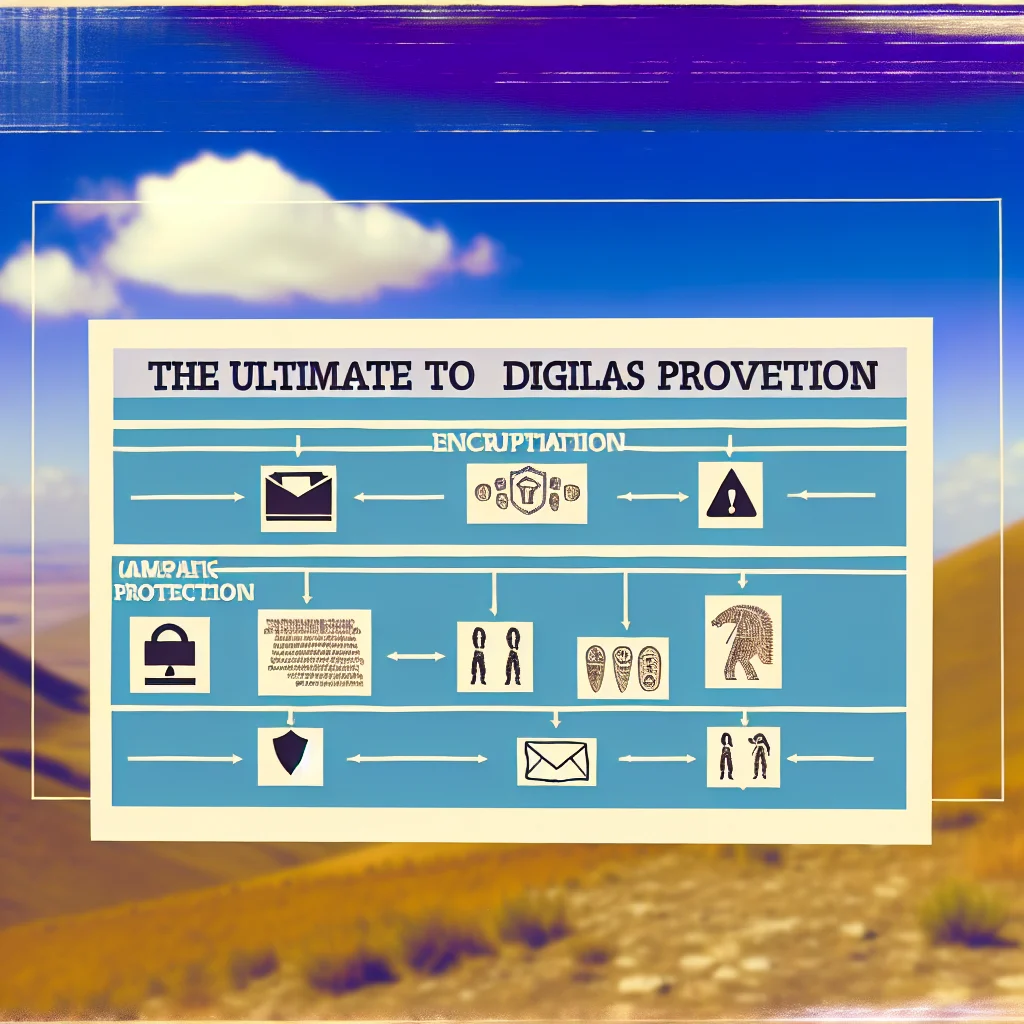
The Role of Encryption in DLP Systems for Enhanced Security
In the ever-evolving landscape of cybersecurity, Data Loss Prevention (DLP) systems have emerged as a critical component in safeguarding sensitive information. As organizations increasingly rely on digital data, the risk of data breaches and unauthorized access has grown exponentially. To mitigate these risks, DLP systems have incorporated various strategies, among which encryption plays a pivotal role. Understanding the role of encryption in DLP systems is essential for enhancing security and ensuring the integrity of sensitive data.
Encryption, at its core, is the process of converting data into a coded format that is unreadable to unauthorized users. This transformation ensures that even if data is intercepted or accessed without permission, it remains unintelligible and thus, secure. Within the framework of DLP systems, encryption serves as a formidable barrier against data breaches, providing an additional layer of security that complements other protective measures.
One of the primary functions of encryption in DLP systems is to protect data at rest. This refers to data that is stored on devices or servers, which can be particularly vulnerable to unauthorized access. By encrypting data at rest, organizations can ensure that even if physical devices are lost or stolen, the information contained within remains protected. This is especially crucial for industries that handle sensitive information, such as healthcare and finance, where data breaches can have severe legal and financial repercussions.
Moreover, encryption plays a significant role in securing data in transit. As data moves across networks, it is susceptible to interception by malicious actors. DLP systems utilize encryption protocols to safeguard data during transmission, ensuring that it remains confidential and intact from the point of origin to its destination. This is particularly important in today’s interconnected world, where data frequently traverses various networks and devices.
In addition to protecting data at rest and in transit, encryption also aids in maintaining compliance with regulatory standards. Many industries are subject to stringent data protection regulations, such as the General Data Protection Regulation (GDPR) in Europe and the Health Insurance Portability and Accountability Act (HIPAA) in the United States. These regulations often mandate the use of encryption to protect sensitive information, making it an indispensable component of DLP systems for organizations aiming to achieve compliance and avoid hefty fines.
Furthermore, encryption enhances the overall effectiveness of DLP systems by enabling secure data sharing. In collaborative environments, where data needs to be shared among multiple stakeholders, encryption ensures that only authorized individuals can access the information. This not only facilitates secure communication but also fosters trust among partners and clients, as they can be confident that their data is being handled with the utmost care.
While encryption is a powerful tool in the arsenal of DLP systems, it is not without its challenges. Implementing encryption requires careful planning and management to ensure that it does not impede system performance or user accessibility. Organizations must strike a balance between robust security measures and operational efficiency, ensuring that encryption protocols are seamlessly integrated into their existing infrastructure.
In conclusion, encryption is a cornerstone of Data Loss Prevention systems, offering enhanced security for data at rest, in transit, and during sharing. By incorporating encryption into their DLP strategies, organizations can protect sensitive information from unauthorized access, comply with regulatory requirements, and maintain the trust of their stakeholders. As cyber threats continue to evolve, the role of encryption in DLP systems will undoubtedly remain a critical factor in safeguarding digital assets.
Compliance Tools and DLP Systems: Ensuring Regulatory Adherence
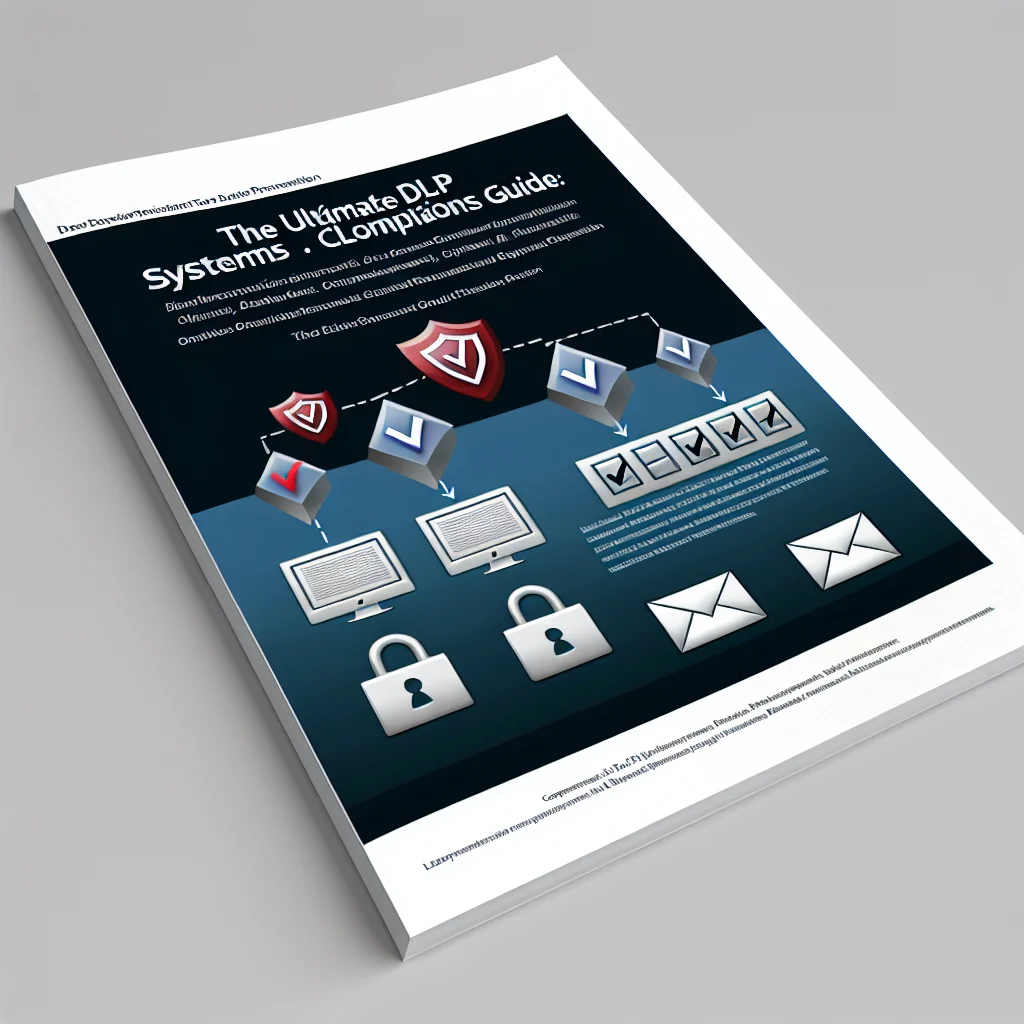
In today’s digital landscape, the importance of compliance tools and Data Loss Prevention (DLP) systems cannot be overstated. As organizations increasingly rely on digital data, ensuring regulatory adherence has become a critical component of their operational strategy. DLP systems play a pivotal role in this context, offering robust solutions to safeguard sensitive information and maintain compliance with various regulatory frameworks.
To begin with, the primary function of DLP systems is to prevent unauthorized access and dissemination of sensitive data. These systems are designed to identify, monitor, and protect data in use, in motion, and at rest. By doing so, they help organizations mitigate the risk of data breaches, which can lead to severe financial penalties and reputational damage. Moreover, DLP systems are equipped with advanced features that enable them to classify data based on its sensitivity and apply appropriate security measures. This capability is particularly crucial for organizations that handle large volumes of personal and financial information, as it ensures that data is protected in accordance with its level of sensitivity.
Furthermore, compliance tools integrated within DLP systems provide organizations with the ability to adhere to a myriad of regulatory requirements. Regulations such as the General Data Protection Regulation (GDPR), the Health Insurance Portability and Accountability Act (HIPAA), and the Sarbanes-Oxley Act (SOX) impose stringent data protection standards. DLP systems facilitate compliance by offering features such as data encryption, access controls, and audit trails. These features not only help in protecting data but also in demonstrating compliance during audits and assessments. Consequently, organizations can avoid the hefty fines and legal repercussions associated with non-compliance.
In addition to regulatory adherence, DLP systems contribute to the overall security posture of an organization. By providing real-time monitoring and alerts, these systems enable organizations to respond swiftly to potential threats. This proactive approach is essential in today’s fast-paced digital environment, where cyber threats are constantly evolving. Moreover, DLP systems can be customized to align with an organization’s specific security policies and procedures, thereby enhancing their effectiveness. This customization ensures that the systems are not only compliant with external regulations but also with internal security standards.
Another significant advantage of DLP systems is their ability to foster a culture of security awareness within an organization. By implementing these systems, organizations can educate their employees about the importance of data protection and the role they play in maintaining compliance. This awareness is crucial, as human error is often a leading cause of data breaches. Through training and regular updates, employees can become more vigilant and proactive in safeguarding sensitive information.
In conclusion, compliance tools and DLP systems are indispensable in ensuring regulatory adherence and enhancing data security. By integrating these systems into their operations, organizations can protect sensitive information, comply with regulatory requirements, and mitigate the risk of data breaches. As the digital landscape continues to evolve, the role of DLP systems in maintaining compliance and security will only become more critical. Therefore, organizations must prioritize the implementation and continuous improvement of these systems to safeguard their data and maintain their reputation in an increasingly competitive market.
Access Control Mechanisms in DLP Systems: Protecting Sensitive Data
In the realm of data security, Data Loss Prevention (DLP) systems play a pivotal role in safeguarding sensitive information from unauthorized access and potential breaches. One of the core components of these systems is the implementation of robust access control mechanisms. These mechanisms are designed to ensure that only authorized individuals have access to specific data, thereby minimizing the risk of data leakage and enhancing overall security.
Access control mechanisms in DLP systems are multifaceted, encompassing a range of strategies and technologies that work in tandem to protect sensitive data. At the heart of these mechanisms is the principle of least privilege, which dictates that users should only have access to the information necessary for their specific roles. This principle is crucial in limiting the exposure of sensitive data to only those who need it, thereby reducing the potential for accidental or malicious data breaches.
To effectively implement access control, DLP systems often utilize a combination of authentication and authorization processes. Authentication serves as the first line of defense, verifying the identity of users attempting to access the system. This process typically involves the use of credentials such as passwords, biometric data, or multi-factor authentication methods, which add an additional layer of security by requiring users to provide two or more verification factors.
Once a user is authenticated, the next step is authorization, which determines the level of access granted to the user. This is where role-based access control (RBAC) comes into play, a widely adopted model that assigns permissions based on the user’s role within the organization. By categorizing users into roles with predefined access rights, RBAC simplifies the management of user permissions and ensures that access is granted in a controlled and consistent manner.
In addition to RBAC, attribute-based access control (ABAC) is gaining traction as a more dynamic approach to access management. Unlike RBAC, which relies on static roles, ABAC considers a variety of attributes, such as user characteristics, resource types, and environmental conditions, to make real-time access decisions. This flexibility allows organizations to implement more granular access controls, adapting to changing circumstances and providing a higher level of security.
Moreover, DLP systems often incorporate data classification as part of their access control strategy. By categorizing data based on its sensitivity and importance, organizations can apply appropriate access controls to different data types. For instance, highly sensitive data may require stricter access controls and monitoring compared to less critical information. This approach not only enhances data protection but also ensures compliance with regulatory requirements.
Furthermore, continuous monitoring and auditing are essential components of access control mechanisms in DLP systems. By keeping track of user activities and access patterns, organizations can detect anomalies and potential security threats in real-time. This proactive approach enables swift responses to unauthorized access attempts and helps in identifying areas for improvement in the access control framework.
In conclusion, access control mechanisms are a fundamental aspect of DLP systems, providing a structured approach to protecting sensitive data. Through a combination of authentication, authorization, data classification, and continuous monitoring, these mechanisms ensure that data access is restricted to authorized users only. As organizations continue to face evolving security challenges, the importance of robust access control in DLP systems cannot be overstated, serving as a critical line of defense in the protection of valuable information assets.
Email Protection Strategies in DLP Systems to Prevent Data Breaches
In the ever-evolving landscape of cybersecurity, data loss prevention (DLP) systems have become indispensable tools for organizations aiming to safeguard sensitive information. Among the various components of DLP systems, email protection strategies play a crucial role in preventing data breaches. As email remains a primary communication channel for businesses, it is also a significant vector for potential data leaks. Therefore, implementing robust email protection strategies within DLP systems is essential to mitigate the risk of unauthorized data exposure.
To begin with, one of the fundamental strategies in email protection is the use of encryption. Encryption ensures that the content of an email is accessible only to the intended recipient, thereby preventing unauthorized access during transmission. By encrypting emails, organizations can protect sensitive information from being intercepted by malicious actors. This is particularly important when dealing with confidential data such as financial information, personal identification details, or proprietary business information. Moreover, encryption can be applied not only to the email body but also to attachments, further enhancing the security of transmitted data.
In addition to encryption, implementing data classification policies is another critical strategy in email protection. Data classification involves categorizing information based on its sensitivity and applying appropriate security measures accordingly. By integrating data classification into DLP systems, organizations can automatically identify and flag sensitive information within emails. This enables the system to enforce specific policies, such as preventing the transmission of classified data to unauthorized recipients or external domains. Consequently, data classification helps in maintaining control over sensitive information and reducing the likelihood of accidental or intentional data breaches.
Furthermore, monitoring and analyzing email traffic is an essential component of effective email protection strategies. DLP systems equipped with advanced monitoring capabilities can detect anomalies in email patterns, such as unusual sending volumes or atypical recipient addresses. By analyzing these patterns, organizations can identify potential threats and respond promptly to mitigate risks. Additionally, monitoring tools can provide insights into user behavior, allowing organizations to educate employees on best practices for email security and raise awareness about potential threats.
Another vital aspect of email protection in DLP systems is the implementation of access controls. Access controls ensure that only authorized personnel can send or receive sensitive information via email. By defining user roles and permissions, organizations can restrict access to confidential data based on the principle of least privilege. This minimizes the risk of data breaches resulting from unauthorized access or insider threats. Moreover, access controls can be complemented by multi-factor authentication, adding an extra layer of security to email communications.
Finally, regular audits and compliance checks are indispensable in maintaining the effectiveness of email protection strategies within DLP systems. By conducting periodic audits, organizations can assess the performance of their email protection measures and identify areas for improvement. Compliance checks ensure that the organization adheres to relevant regulations and industry standards, thereby avoiding potential legal and financial repercussions. Through continuous evaluation and adaptation, organizations can enhance their email protection strategies and stay ahead of emerging threats.
In conclusion, email protection strategies are a vital component of data loss prevention systems, playing a crucial role in safeguarding sensitive information from data breaches. By employing encryption, data classification, monitoring, access controls, and regular audits, organizations can significantly reduce the risk of unauthorized data exposure via email. As cyber threats continue to evolve, it is imperative for organizations to remain vigilant and proactive in implementing robust email protection strategies within their DLP systems.
Unlock the full potential of your data security strategy with our comprehensive insights on Data Loss Prevention (DLP) systems. Discover the top 4 DLP solutions that can safeguard your sensitive information and ensure compliance. Don’t wait—[explore our expert insights now](https://comptss.com) and protect your data today!