Digital Dentistry: Transforming Patient Care with Advanced Technology
In recent years, the field of dentistry has witnessed a remarkable transformation, largely driven by the integration of advanced digital technologies. This evolution, often referred to as digital dentistry, is reshaping the way dental professionals diagnose, treat, and manage oral health conditions. As technology continues to advance, dental practices are increasingly adopting digital tools to enhance patient care, improve accuracy, and streamline operations. Consequently, understanding the impact of these technologies is crucial for both dental professionals and patients alike.
One of the most significant advancements in digital dentistry is the use of digital imaging systems. Traditional X-rays, while still in use, are gradually being replaced by digital radiography. This technology offers numerous advantages, including reduced radiation exposure for patients and immediate image availability for practitioners. Digital images can be easily enhanced, shared, and stored, facilitating better communication between dental professionals and their patients. Moreover, the precision of digital imaging allows for more accurate diagnoses, ultimately leading to more effective treatment plans.
In addition to digital imaging, computer-aided design and computer-aided manufacturing (CAD/CAM) systems have revolutionized the creation of dental restorations. These systems enable the design and fabrication of crowns, bridges, and other dental prosthetics with unparalleled precision. By utilizing CAD/CAM technology, dental professionals can produce restorations that fit more accurately and comfortably, significantly reducing the need for adjustments. Furthermore, the speed at which these restorations can be produced allows for same-day procedures, enhancing patient convenience and satisfaction.
Another noteworthy development in digital dentistry is the advent of 3D printing. This technology is being increasingly utilized to create dental models, surgical guides, and even custom orthodontic appliances. The ability to produce highly detailed and accurate models aids in treatment planning and improves communication with patients. Additionally, 3D printing offers cost-effective solutions for dental practices, as it reduces the need for outsourcing and minimizes material waste.
Digital dentistry also encompasses the use of intraoral scanners, which have replaced traditional impression-taking methods. These scanners capture detailed images of a patient’s oral cavity, creating a digital impression that can be used for various purposes, such as designing restorations or planning orthodontic treatments. The use of intraoral scanners not only enhances accuracy but also improves patient comfort by eliminating the need for messy impression materials.
Furthermore, the integration of artificial intelligence (AI) in digital dentistry is opening new avenues for patient care. AI algorithms can analyze vast amounts of data to assist in diagnosing conditions, predicting treatment outcomes, and personalizing patient care. For instance, AI can help identify early signs of dental diseases, allowing for timely intervention and prevention. As AI technology continues to evolve, its potential applications in dentistry are expected to expand, offering even more opportunities to enhance patient care.
In conclusion, digital dentistry is transforming the landscape of dental care by incorporating advanced technologies that improve accuracy, efficiency, and patient experience. From digital imaging and CAD/CAM systems to 3D printing and AI, these innovations are enabling dental professionals to provide higher-quality care while also enhancing patient satisfaction. As the field of digital dentistry continues to evolve, staying informed about these technological advancements will be essential for dental professionals seeking to deliver the best possible care to their patients.
IT Upgrades in Dental Practices: Enhancing Efficiency and Security
In the rapidly evolving landscape of dental practices, the integration of advanced information technology systems has become a pivotal factor in enhancing both efficiency and security. As dental professionals strive to provide superior patient care, the adoption of cutting-edge IT solutions is transforming the way dental offices operate. This shift is not merely a trend but a necessary evolution to meet the demands of modern healthcare environments. By embracing these technological advancements, dental practices can streamline their operations, safeguard sensitive patient data, and ultimately improve the overall patient experience.
One of the primary benefits of IT upgrades in dental practices is the significant enhancement of operational efficiency. With the implementation of electronic health records (EHRs), dental offices can transition from cumbersome paper-based systems to streamlined digital platforms. This transition allows for quicker access to patient information, reducing the time spent on administrative tasks and enabling dental professionals to focus more on patient care. Moreover, EHRs facilitate seamless communication between different departments within a practice, ensuring that all team members have access to up-to-date patient information. This interconnectedness not only improves workflow efficiency but also minimizes the risk of errors, thereby enhancing the quality of care provided.
In addition to improving efficiency, IT upgrades play a crucial role in bolstering the security of dental practices. With the increasing prevalence of cyber threats, safeguarding patient data has become a top priority. Advanced IT systems offer robust security measures, such as encryption and multi-factor authentication, to protect sensitive information from unauthorized access. By implementing these security protocols, dental practices can ensure compliance with regulations such as the Health Insurance Portability and Accountability Act (HIPAA), which mandates the protection of patient information. Furthermore, regular software updates and security audits are essential components of a comprehensive IT strategy, helping to identify and mitigate potential vulnerabilities before they can be exploited.
Beyond efficiency and security, IT upgrades also contribute to enhancing the patient experience. With the advent of digital appointment scheduling systems, patients can easily book, reschedule, or cancel appointments online, providing them with greater flexibility and convenience. Additionally, digital communication tools, such as automated reminders and secure messaging platforms, enable dental practices to maintain consistent communication with patients, fostering a sense of trust and engagement. These tools not only improve patient satisfaction but also reduce no-show rates, optimizing the practice’s schedule and resources.
Moreover, the integration of advanced diagnostic tools, such as digital radiography and intraoral cameras, further exemplifies the impact of IT upgrades on patient care. These technologies provide dental professionals with high-resolution images and detailed insights into a patient’s oral health, facilitating more accurate diagnoses and personalized treatment plans. As a result, patients receive more informed care, leading to better outcomes and increased satisfaction.
In conclusion, the adoption of IT upgrades in dental practices is a multifaceted approach that enhances efficiency, security, and patient experience. By leveraging advanced technologies, dental professionals can streamline their operations, protect sensitive data, and provide superior care to their patients. As the dental industry continues to evolve, embracing these technological advancements will be essential for practices seeking to remain competitive and deliver the highest standard of care. Through strategic IT investments, dental practices can position themselves at the forefront of innovation, ensuring their continued success in an increasingly digital world.
Navigating Dental Compliance: Ensuring Your Practice Meets IT Standards
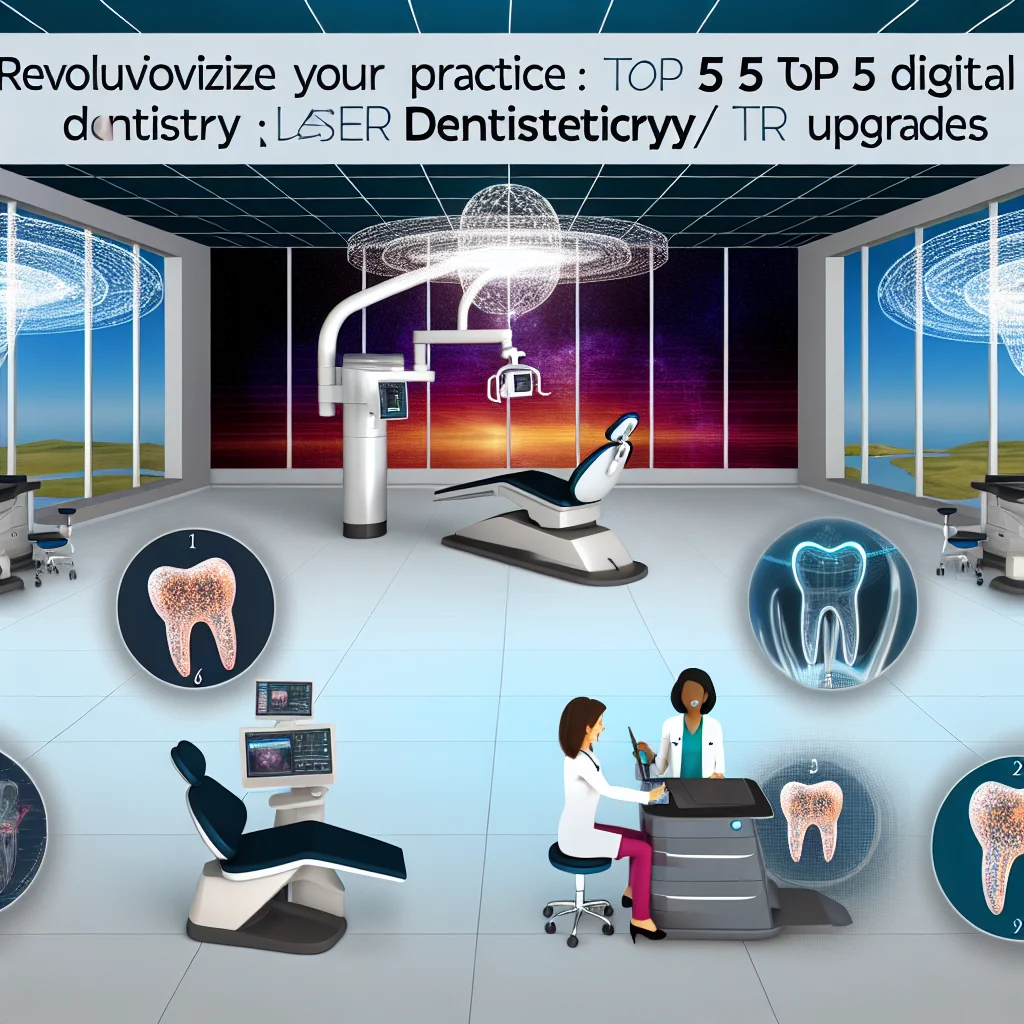
In the rapidly evolving landscape of dental technology, ensuring compliance with IT standards is paramount for dental practices aiming to maintain operational efficiency and safeguard patient information. As dental practices increasingly rely on digital solutions for patient management, diagnostics, and treatment planning, the importance of adhering to IT compliance standards cannot be overstated. These standards not only protect sensitive patient data but also enhance the overall quality of care provided.
To begin with, understanding the regulatory framework governing dental IT compliance is essential. In many regions, dental practices must adhere to regulations such as the Health Insurance Portability and Accountability Act (HIPAA) in the United States, which mandates the protection of patient health information. Compliance with such regulations requires dental practices to implement robust data security measures, including encryption, access controls, and regular audits. By doing so, practices can prevent unauthorized access to patient data and mitigate the risk of data breaches, which can have severe legal and financial repercussions.
Moreover, the integration of advanced dental technologies, such as digital radiography, electronic health records (EHRs), and practice management software, necessitates a comprehensive approach to IT compliance. These technologies, while enhancing diagnostic accuracy and streamlining administrative tasks, also introduce new vulnerabilities. Therefore, dental practices must ensure that their IT infrastructure is equipped to handle these technologies securely. This involves regular software updates, vulnerability assessments, and employee training programs to ensure that all staff members are aware of best practices in data security.
Transitioning to the role of IT compliance in fostering patient trust, it is evident that patients are becoming increasingly aware of the importance of data privacy. A dental practice that demonstrates a commitment to IT compliance not only protects its patients’ information but also builds a reputation for reliability and professionalism. Patients are more likely to trust a practice that prioritizes their privacy and takes proactive measures to secure their data. Consequently, compliance with IT standards can serve as a competitive advantage, attracting and retaining patients who value data security.
Furthermore, the financial implications of non-compliance should not be underestimated. Failing to meet IT standards can result in substantial fines and legal penalties, which can be financially crippling for dental practices. In addition to direct financial costs, non-compliance can lead to reputational damage, loss of patient trust, and potential business closure. Therefore, investing in IT compliance is not merely a regulatory obligation but a strategic decision that safeguards the practice’s financial health and longevity.
In conclusion, navigating dental compliance in the realm of IT is a multifaceted endeavor that requires a proactive and informed approach. By understanding the regulatory requirements, implementing robust security measures, and fostering a culture of compliance within the practice, dental professionals can ensure that their practice meets IT standards. This not only protects patient data but also enhances the practice’s reputation, fosters patient trust, and secures its financial future. As dental technology continues to advance, staying abreast of IT compliance standards will remain a critical component of successful dental practice management.
Cloud Integration in Dentistry: Benefits and Best Practices for Modern Practices
In the rapidly evolving landscape of dental technology, cloud integration has emerged as a pivotal advancement, offering a multitude of benefits for modern dental practices. As dental professionals seek to enhance operational efficiency and patient care, understanding the advantages and best practices of cloud integration becomes essential. By leveraging cloud technology, dental practices can streamline their operations, improve data management, and enhance patient experiences, all while ensuring robust security measures are in place.
One of the primary benefits of cloud integration in dentistry is the ability to access patient data and practice management tools from anywhere, at any time. This flexibility allows dental professionals to provide more responsive care, as they can easily retrieve patient records, treatment plans, and appointment schedules remotely. Consequently, this accessibility not only improves the efficiency of dental practices but also enhances the overall patient experience by reducing wait times and facilitating more personalized care.
Moreover, cloud integration supports seamless collaboration among dental professionals. By storing data in the cloud, multiple practitioners can access and update patient information simultaneously, ensuring that all team members are on the same page. This collaborative approach is particularly beneficial in multi-specialty practices, where different specialists may need to coordinate treatment plans for comprehensive patient care. Additionally, cloud-based systems often come with integrated communication tools, further enhancing teamwork and information sharing.
Another significant advantage of cloud integration is the enhanced data security it offers. While concerns about data breaches and unauthorized access are valid, reputable cloud service providers implement stringent security measures to protect sensitive patient information. These measures typically include data encryption, regular security audits, and compliance with healthcare regulations such as the Health Insurance Portability and Accountability Act (HIPAA). By entrusting data management to experienced cloud providers, dental practices can mitigate the risks associated with data breaches and focus on delivering quality care.
Furthermore, cloud integration facilitates scalability and cost-effectiveness for dental practices. Traditional on-premises IT infrastructure can be costly to maintain and upgrade, often requiring significant investments in hardware and software. In contrast, cloud-based solutions offer a more flexible and scalable alternative, allowing practices to adjust their resources according to their needs. This scalability is particularly advantageous for growing practices, as they can easily expand their IT capabilities without incurring substantial upfront costs.
To fully realize the benefits of cloud integration, dental practices should adhere to best practices when implementing these technologies. First and foremost, selecting a reputable cloud service provider with a proven track record in the healthcare industry is crucial. This ensures that the provider understands the unique needs and regulatory requirements of dental practices. Additionally, practices should prioritize data security by implementing strong access controls, regularly updating software, and conducting employee training on cybersecurity best practices.
Moreover, it is essential for dental practices to develop a comprehensive data backup and recovery plan. While cloud providers typically offer data redundancy and backup solutions, having a clear strategy in place ensures that practices can quickly recover from any data loss incidents. Regularly testing these recovery procedures is also vital to ensure their effectiveness.
In conclusion, cloud integration presents a transformative opportunity for modern dental practices, offering enhanced accessibility, collaboration, security, and scalability. By embracing these technologies and adhering to best practices, dental professionals can optimize their operations and deliver superior patient care in an increasingly digital world. As the dental industry continues to evolve, cloud integration will undoubtedly play a crucial role in shaping the future of dental practice management.
Dental Software Solutions: Choosing the Right Tools for Your Practice’s Success
In the rapidly evolving landscape of dental technology, selecting the appropriate software solutions is crucial for the success and efficiency of any dental practice. As the industry continues to embrace digital transformation, dental professionals are presented with a myriad of software options designed to streamline operations, enhance patient care, and improve overall practice management. Understanding the key factors to consider when choosing dental software is essential for making informed decisions that align with the specific needs and goals of a practice.
To begin with, it is important to assess the specific requirements of your dental practice. Different practices have varying needs based on their size, specialty, and patient demographics. For instance, a small private practice may prioritize software that offers comprehensive scheduling and billing features, while a larger multi-specialty clinic might require more robust solutions that integrate seamlessly with other systems. By clearly identifying the unique needs of your practice, you can narrow down the options and focus on software that offers the most relevant features.
Moreover, the integration capabilities of dental software should not be overlooked. In today’s interconnected world, the ability to integrate with existing systems, such as electronic health records (EHR) and imaging software, is paramount. Seamless integration ensures that data flows smoothly between different platforms, reducing the risk of errors and enhancing the overall efficiency of the practice. Therefore, when evaluating software options, it is advisable to prioritize those that offer strong integration capabilities, allowing for a cohesive and streamlined workflow.
Another critical aspect to consider is the user-friendliness of the software. Dental professionals often have demanding schedules, and spending excessive time learning complex software can detract from patient care. Therefore, selecting software with an intuitive interface and easy-to-navigate features is essential. User-friendly software not only minimizes the learning curve for staff but also enhances productivity by allowing dental professionals to focus more on patient interactions rather than administrative tasks.
Furthermore, data security and compliance are paramount in the selection process. Dental practices handle sensitive patient information, and ensuring the confidentiality and integrity of this data is a legal and ethical obligation. Therefore, it is crucial to choose software solutions that adhere to industry standards and regulations, such as the Health Insurance Portability and Accountability Act (HIPAA) in the United States. Robust security features, including encryption and regular software updates, are essential to protect patient data from potential breaches and cyber threats.
In addition to these considerations, the scalability of the software is an important factor for growing practices. As a practice expands, its software needs may evolve, necessitating solutions that can accommodate increased patient volumes and additional functionalities. Opting for scalable software ensures that the practice can continue to operate efficiently without the need for frequent software changes or upgrades.
Finally, cost-effectiveness is a significant consideration for any dental practice. While it may be tempting to choose the most affordable option, it is important to weigh the cost against the features and benefits offered. Investing in high-quality software that meets the practice’s needs can lead to long-term savings by improving efficiency and reducing errors.
In conclusion, selecting the right dental software solutions involves a careful evaluation of the practice’s specific needs, integration capabilities, user-friendliness, data security, scalability, and cost-effectiveness. By considering these factors, dental professionals can make informed decisions that enhance the success and efficiency of their practice, ultimately leading to improved patient care and satisfaction.
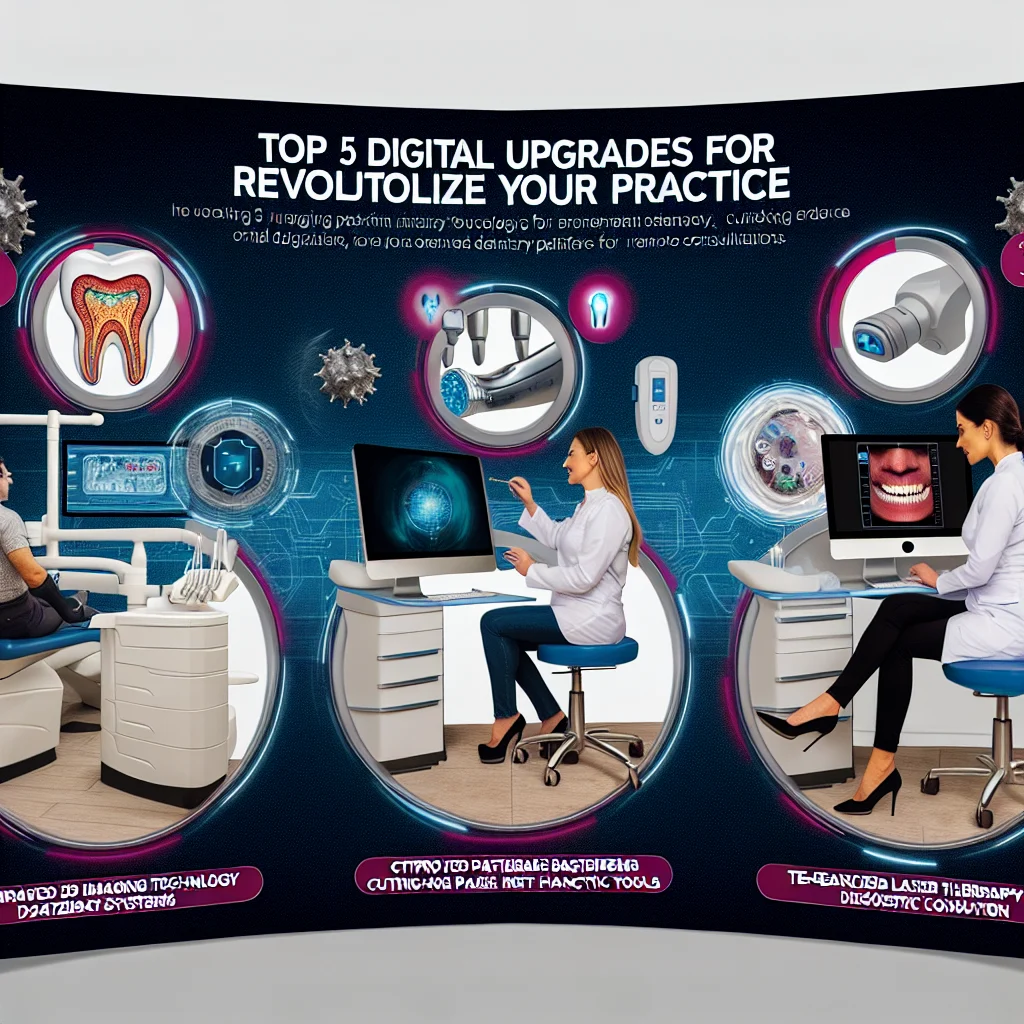
Discover the top 5 dental technology trends revolutionizing the industry today. Stay ahead with the latest insights and innovations. Learn more now!