The Role Of Digital Dentistry In Modern Dental Practices
In the rapidly evolving landscape of healthcare, digital dentistry has emerged as a pivotal component in modern dental practices. This transformation is largely driven by advancements in dental technology and modern IT strategies, which together are reshaping the way dental care is delivered. As dental practices increasingly integrate digital tools, they are not only enhancing patient care but also streamlining operations and improving overall efficiency.
One of the most significant contributions of digital dentistry is the enhancement of diagnostic capabilities. Traditional methods, while effective, often relied heavily on manual processes and subjective interpretation. In contrast, digital tools such as intraoral scanners and 3D imaging systems provide precise and detailed visualizations of a patient’s oral cavity. These technologies enable dentists to diagnose conditions with greater accuracy and develop more effective treatment plans. Moreover, digital radiography reduces radiation exposure for patients, aligning with the broader healthcare goal of minimizing risks associated with diagnostic procedures.
In addition to diagnostics, digital dentistry plays a crucial role in treatment planning and execution. Computer-aided design and computer-aided manufacturing (CAD/CAM) systems have revolutionized the creation of dental restorations. These systems allow for the design and fabrication of crowns, bridges, and other prosthetics with unparalleled precision. The integration of CAD/CAM technology not only reduces the time required for these procedures but also enhances the quality and fit of the restorations, leading to improved patient outcomes.
Furthermore, digital dentistry facilitates better patient communication and education. With the aid of digital tools, dentists can provide patients with a clear understanding of their oral health status and the proposed treatment plans. Visual aids such as digital models and simulations help demystify complex procedures, enabling patients to make informed decisions about their care. This transparency fosters trust and strengthens the dentist-patient relationship, which is essential for successful treatment outcomes.
The role of digital dentistry extends beyond clinical applications to encompass practice management as well. Modern IT strategies have introduced sophisticated practice management software that streamlines administrative tasks, such as appointment scheduling, billing, and patient record management. These systems enhance operational efficiency by reducing the burden of manual paperwork and minimizing the risk of errors. Additionally, they facilitate seamless communication between different departments within a practice, ensuring that all team members are aligned and informed.
Moreover, the integration of digital dentistry with telehealth solutions is expanding access to dental care. Tele-dentistry platforms enable remote consultations, allowing patients to receive expert advice without the need for an in-person visit. This is particularly beneficial for individuals in remote or underserved areas, where access to dental care may be limited. By leveraging digital tools, dental practices can extend their reach and provide care to a broader population.
In conclusion, the role of digital dentistry in modern dental practices is multifaceted and transformative. By enhancing diagnostic accuracy, improving treatment planning, facilitating patient communication, and streamlining practice management, digital tools are elevating the standard of dental care. As technology continues to advance, it is imperative for dental practices to adopt and integrate these innovations to remain competitive and deliver the highest quality of care to their patients. The synergy between dental technology and modern IT strategies is not only shaping the future of dentistry but also setting a new benchmark for excellence in patient care.
Enhancing Practice Security With Advanced Dental Software
In the rapidly evolving landscape of dental technology, the integration of advanced IT strategies has become paramount for enhancing practice security. As dental practices increasingly rely on digital solutions to manage patient records, appointment scheduling, and billing, the need for robust security measures has never been more critical. The adoption of advanced dental software not only streamlines operations but also fortifies the protection of sensitive patient information, ensuring compliance with stringent regulatory standards.
One of the primary concerns for dental practices is safeguarding patient data against unauthorized access and cyber threats. Advanced dental software solutions are designed with built-in security features that provide multiple layers of protection. These include encryption protocols that secure data both in transit and at rest, ensuring that patient information remains confidential and inaccessible to unauthorized users. Moreover, these software systems often incorporate user authentication mechanisms, such as multi-factor authentication, which add an extra layer of security by requiring users to verify their identity through multiple means before accessing sensitive data.
In addition to encryption and authentication, advanced dental software also offers comprehensive audit trails. These trails meticulously record every access and modification made to patient records, providing a transparent log that can be reviewed to detect any suspicious activity. This capability not only aids in identifying potential security breaches but also ensures accountability among staff members, as each action is traceable to a specific user. Consequently, dental practices can maintain a high level of data integrity and swiftly address any anomalies that may arise.
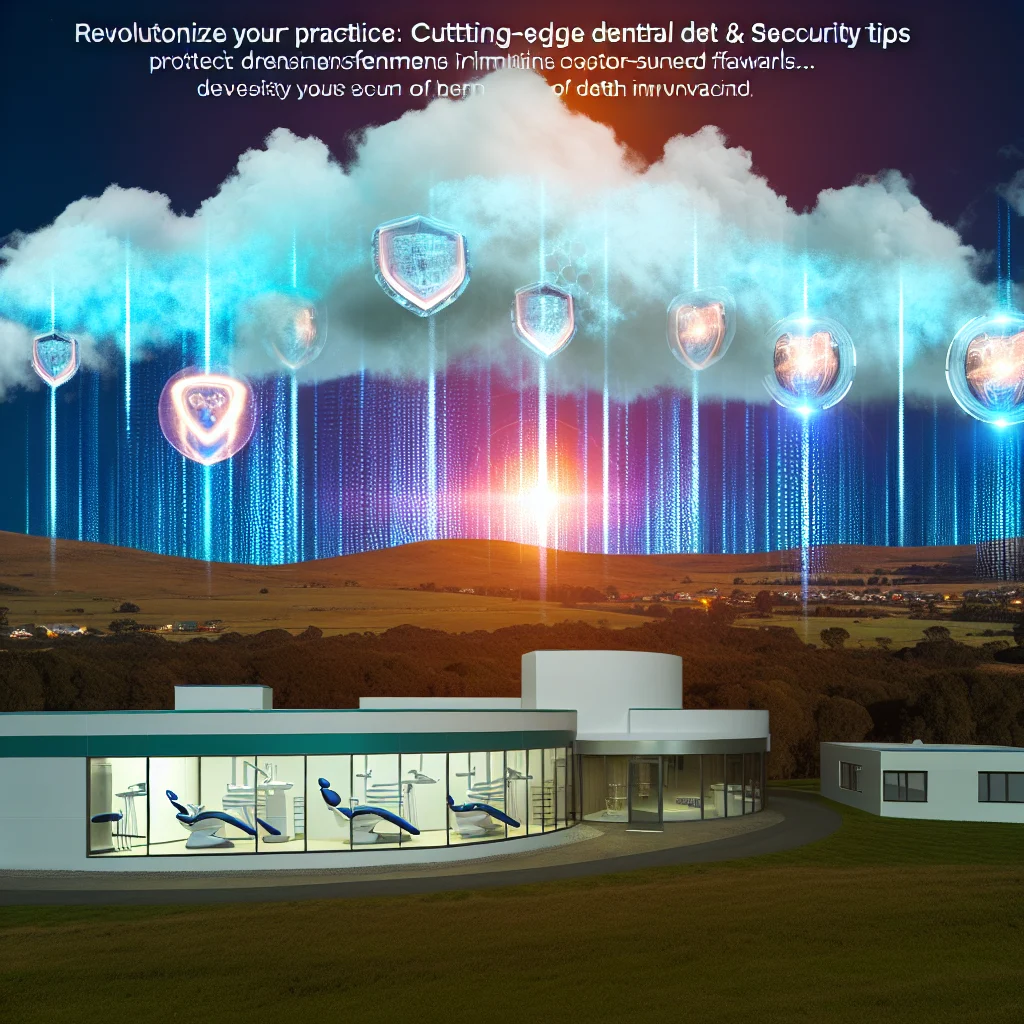
Furthermore, the integration of cloud-based solutions in dental practices has revolutionized data storage and accessibility. Cloud-based dental software offers the advantage of remote data access, allowing dental professionals to retrieve patient information securely from any location. This flexibility is particularly beneficial in emergency situations where immediate access to patient records is crucial. However, it is essential to choose cloud providers that adhere to industry standards and regulations, such as the Health Insurance Portability and Accountability Act (HIPAA), to ensure that data remains protected in the cloud environment.
Another significant aspect of enhancing practice security through advanced dental software is the implementation of regular software updates and patches. Cyber threats are constantly evolving, and outdated software can become a vulnerable entry point for attackers. By ensuring that dental software is consistently updated, practices can protect themselves against the latest security vulnerabilities. Software vendors often release updates that address known security issues, and staying current with these updates is a proactive measure to safeguard patient data.
Moreover, staff training plays a crucial role in bolstering practice security. Even the most advanced software can be compromised by human error. Therefore, it is imperative for dental practices to invest in regular training sessions that educate staff on best practices for data security. This includes recognizing phishing attempts, understanding the importance of strong passwords, and adhering to protocols for handling patient information. By fostering a culture of security awareness, dental practices can significantly reduce the risk of data breaches.
In conclusion, the integration of advanced dental software is a vital component in enhancing practice security. Through encryption, authentication, audit trails, cloud-based solutions, regular updates, and staff training, dental practices can effectively protect sensitive patient information. As technology continues to advance, staying informed about the latest IT strategies and implementing them diligently will ensure that dental practices remain secure and compliant in an increasingly digital world.
Navigating Dental Compliance Through IT Upgrades
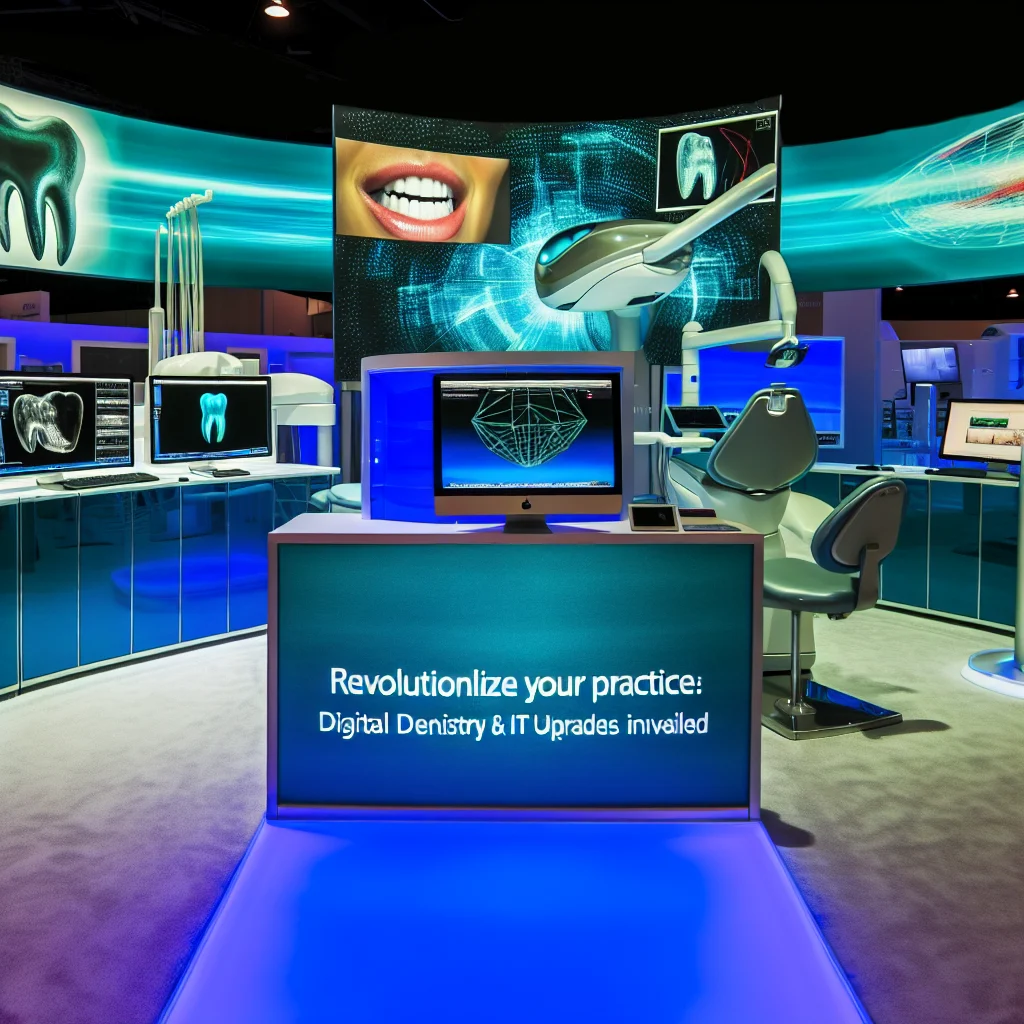
In the rapidly evolving landscape of dental technology, navigating compliance has become a critical concern for dental practices. As regulations become more stringent, the integration of modern IT strategies is essential to ensure that dental practices not only meet compliance requirements but also enhance their operational efficiency. The intersection of dental technology and IT solutions offers a pathway to streamline compliance processes, thereby reducing the risk of violations and enhancing patient care.
To begin with, the Health Insurance Portability and Accountability Act (HIPAA) sets the standard for protecting sensitive patient data. Dental practices must ensure that their IT systems are robust enough to safeguard this information. Implementing advanced encryption methods and secure data storage solutions is crucial. By upgrading IT infrastructure, dental practices can ensure that patient data is encrypted both in transit and at rest, thereby minimizing the risk of data breaches. Moreover, regular audits and monitoring of IT systems can help identify potential vulnerabilities, allowing practices to address them proactively.
In addition to data protection, dental practices must also consider the importance of maintaining accurate and up-to-date patient records. Electronic Health Records (EHR) systems have become indispensable in this regard. By adopting comprehensive EHR solutions, dental practices can ensure that patient information is consistently updated and easily accessible to authorized personnel. This not only aids in compliance but also enhances the quality of patient care by providing dental professionals with a complete view of a patient’s history and treatment plans.
Furthermore, the integration of IT solutions in dental practices extends beyond data management. It also encompasses the implementation of advanced diagnostic tools and treatment technologies. For instance, digital imaging systems and computer-aided design and manufacturing (CAD/CAM) technologies have revolutionized dental diagnostics and treatment planning. These technologies not only improve the accuracy of diagnoses but also ensure that treatments are compliant with the latest standards and guidelines. By investing in these technologies, dental practices can enhance their service offerings while maintaining compliance with industry regulations.
Another critical aspect of compliance is staff training and awareness. IT upgrades can facilitate comprehensive training programs by providing platforms for e-learning and continuous education. By ensuring that all staff members are well-versed in compliance requirements and the use of new technologies, dental practices can foster a culture of compliance and accountability. This, in turn, reduces the likelihood of human error and non-compliance incidents.
Moreover, as dental practices increasingly adopt cloud-based solutions, it is essential to consider the compliance implications of such technologies. Cloud solutions offer scalability and flexibility, but they also require stringent security measures to protect patient data. Dental practices must work closely with their IT providers to ensure that cloud solutions are compliant with relevant regulations and that data is stored securely.
In conclusion, navigating dental compliance through IT upgrades is a multifaceted endeavor that requires a strategic approach. By investing in robust IT infrastructure, adopting advanced technologies, and fostering a culture of compliance, dental practices can not only meet regulatory requirements but also enhance their operational efficiency and patient care. As the dental industry continues to evolve, staying ahead of compliance challenges through strategic IT upgrades will be essential for the success and sustainability of dental practices.
The Impact Of Cloud Integration On Dental Technology
The integration of cloud technology into dental practices has revolutionized the way dental professionals manage their operations, enhancing both efficiency and patient care. As dental technology continues to evolve, the adoption of cloud-based solutions has become increasingly prevalent, offering a myriad of benefits that extend beyond traditional IT infrastructures. This shift towards cloud integration is not merely a trend but a strategic move that aligns with modern IT strategies, aiming to streamline processes and improve service delivery.
One of the most significant impacts of cloud integration in dental technology is the enhancement of data accessibility and storage. Traditionally, dental practices relied on physical servers and local storage systems, which often posed challenges in terms of data retrieval and security. With cloud technology, dental professionals can access patient records, treatment plans, and other critical information from any location, provided there is an internet connection. This level of accessibility not only facilitates better collaboration among dental teams but also ensures that patient care is consistent and informed, regardless of where the service is provided.
Moreover, cloud integration offers robust data security measures that are crucial in safeguarding sensitive patient information. Dental practices are required to comply with stringent regulations such as the Health Insurance Portability and Accountability Act (HIPAA) in the United States, which mandates the protection of patient data. Cloud service providers typically offer advanced security features, including encryption, multi-factor authentication, and regular security audits, which help dental practices maintain compliance and protect against data breaches. This level of security is often more comprehensive than what many practices could achieve with in-house IT resources.
In addition to security and accessibility, cloud technology significantly enhances the scalability and flexibility of dental IT systems. As dental practices grow or experience fluctuations in patient volume, the need for scalable IT solutions becomes apparent. Cloud-based systems allow practices to easily adjust their IT resources to meet changing demands without the need for significant capital investment in new hardware or software. This flexibility is particularly beneficial for practices looking to expand their services or integrate new technologies, as it enables them to do so with minimal disruption to their existing operations.
Furthermore, cloud integration supports the implementation of advanced dental technologies such as digital imaging, tele-dentistry, and artificial intelligence. These technologies require substantial computing power and storage capacity, which cloud platforms can readily provide. By leveraging cloud resources, dental practices can offer cutting-edge services that enhance diagnostic accuracy and patient outcomes. For instance, digital imaging systems integrated with cloud technology allow for real-time sharing and analysis of images, facilitating quicker and more accurate diagnoses.
The financial implications of cloud integration are also noteworthy. By transitioning to cloud-based systems, dental practices can reduce their IT costs significantly. The need for on-site servers and extensive IT support is diminished, leading to lower maintenance and operational expenses. Additionally, cloud services typically operate on a subscription model, allowing practices to predict and manage their IT expenditures more effectively.
In conclusion, the impact of cloud integration on dental technology is profound, offering enhanced data accessibility, robust security, scalability, and support for advanced technologies. As dental practices continue to navigate the complexities of modern healthcare delivery, embracing cloud technology is a strategic decision that aligns with contemporary IT strategies, ultimately leading to improved efficiency and patient care.
Modern IT Strategies For Optimizing Dental Software Systems
In the rapidly evolving landscape of dental technology, modern IT strategies play a pivotal role in optimizing dental software systems. As dental practices increasingly rely on digital solutions to enhance patient care and streamline operations, the integration of advanced IT strategies becomes indispensable. The convergence of dental technology and IT not only improves efficiency but also ensures that dental practices remain competitive in an ever-changing environment.
To begin with, the implementation of cloud-based solutions is a cornerstone of modern IT strategies in dental practices. Cloud computing offers numerous advantages, including enhanced data security, scalability, and accessibility. By migrating dental software systems to the cloud, practices can ensure that patient data is securely stored and easily accessible from any location. This is particularly beneficial for practices with multiple locations or those that offer telehealth services. Moreover, cloud-based systems facilitate seamless updates and maintenance, reducing downtime and ensuring that the software remains up-to-date with the latest features and security protocols.
In addition to cloud computing, the integration of artificial intelligence (AI) into dental software systems is transforming the way dental practices operate. AI-driven tools can analyze vast amounts of data to provide insights that enhance decision-making and patient care. For instance, AI algorithms can assist in diagnosing dental conditions by analyzing radiographic images, thereby improving diagnostic accuracy and reducing the likelihood of human error. Furthermore, AI can optimize appointment scheduling by predicting patient no-show rates and suggesting optimal booking times, thus maximizing the efficiency of practice operations.
Another critical aspect of modern IT strategies is the emphasis on cybersecurity. As dental practices handle sensitive patient information, safeguarding this data is of paramount importance. Implementing robust cybersecurity measures, such as encryption, multi-factor authentication, and regular security audits, is essential to protect against data breaches and cyber threats. Additionally, educating staff on best practices for data security and fostering a culture of vigilance can significantly reduce the risk of unauthorized access to patient information.
Interoperability is also a key consideration in optimizing dental software systems. Ensuring that different software applications can communicate and share data seamlessly is crucial for enhancing workflow efficiency. By adopting standardized data formats and protocols, dental practices can facilitate the integration of various systems, such as electronic health records (EHRs), practice management software, and imaging systems. This interoperability not only streamlines operations but also enhances the quality of patient care by providing a comprehensive view of patient information.
Moreover, the adoption of mobile technology is reshaping the way dental practices interact with patients. Mobile applications enable patients to schedule appointments, access their dental records, and receive reminders for upcoming visits, all from the convenience of their smartphones. This not only improves patient engagement but also reduces administrative burdens on practice staff. By leveraging mobile technology, dental practices can enhance the patient experience and foster stronger patient-practice relationships.
In conclusion, modern IT strategies are integral to optimizing dental software systems and ensuring that dental practices remain at the forefront of technological advancements. By embracing cloud computing, artificial intelligence, cybersecurity measures, interoperability, and mobile technology, dental practices can enhance operational efficiency, improve patient care, and maintain a competitive edge in the digital age. As the dental industry continues to evolve, the strategic integration of IT solutions will be essential for meeting the demands of both patients and practitioners.
Unlock the future of your dental practice with cutting-edge technology and modern IT strategies. Discover how to enhance patient care and streamline operations. Dive into Dental IT Insights now! Learn More