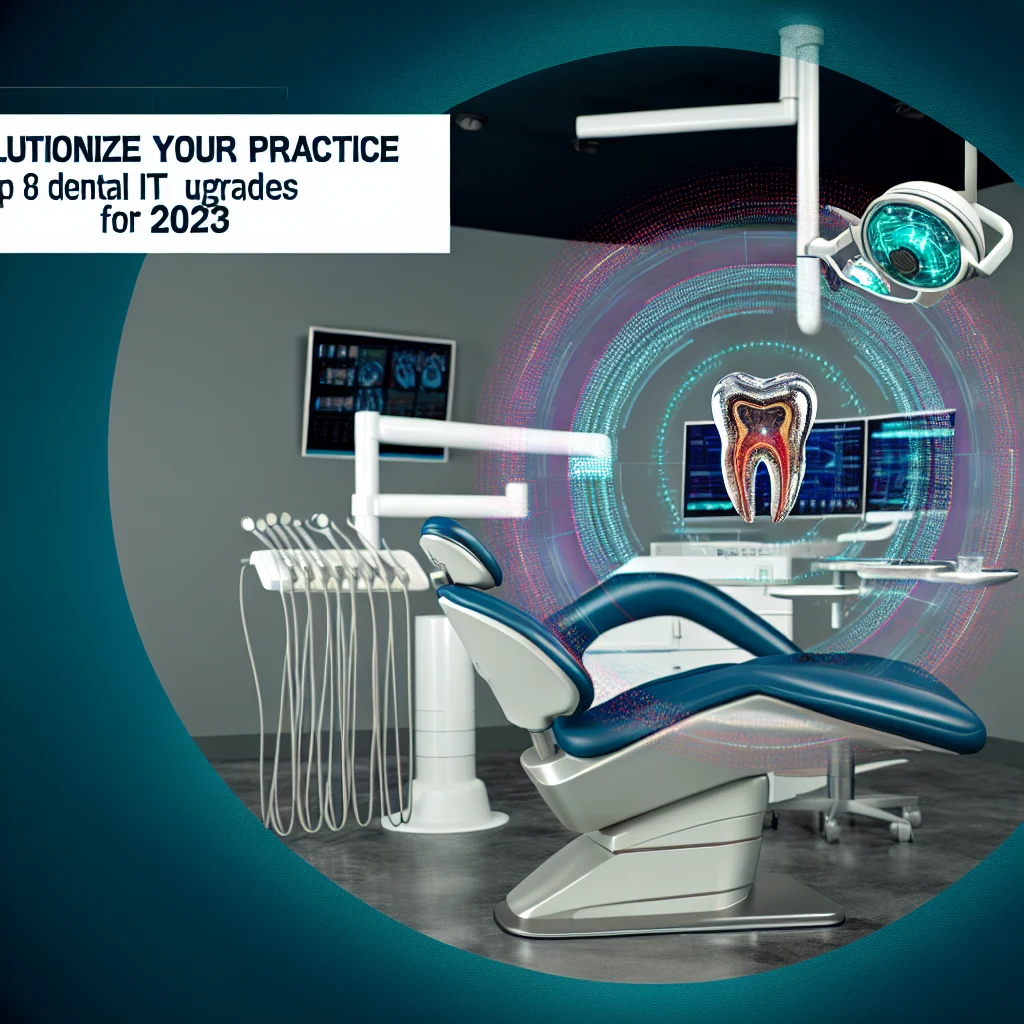
The Future Of Dental Technology: Embracing Digital Dentistry
The future of dental technology is poised for a transformative shift as the industry increasingly embraces digital dentistry. This evolution is not merely a trend but a fundamental change in how dental care is delivered, promising to enhance precision, efficiency, and patient outcomes. As we delve into the intricacies of this digital revolution, it becomes evident that the integration of advanced technologies is reshaping the landscape of dental practice.
One of the most significant advancements in digital dentistry is the adoption of computer-aided design and computer-aided manufacturing (CAD/CAM) systems. These technologies allow for the precise design and fabrication of dental restorations, such as crowns, bridges, and veneers, directly within the dental office. By streamlining the production process, CAD/CAM systems reduce the time patients spend waiting for their restorations and improve the accuracy of the fit, ultimately enhancing patient satisfaction. Furthermore, the use of digital impressions, which replace traditional molds, offers a more comfortable experience for patients while providing dentists with highly accurate data to work with.
In addition to CAD/CAM technology, 3D printing is making significant inroads into dental practices. This technology enables the rapid production of dental models, surgical guides, and even custom orthodontic appliances. The ability to quickly produce these items in-house not only reduces costs but also allows for greater customization and faster turnaround times. As 3D printing technology continues to advance, its applications in dentistry are expected to expand, offering even more innovative solutions for patient care.
Another area where digital dentistry is making a substantial impact is in diagnostic imaging. The advent of cone-beam computed tomography (CBCT) has revolutionized the way dental professionals diagnose and plan treatments. CBCT provides three-dimensional images of a patient’s oral structures, offering a level of detail that was previously unattainable with traditional two-dimensional X-rays. This enhanced imaging capability allows for more accurate diagnosis and treatment planning, particularly in complex cases such as implant placement and orthodontic assessments.
Moreover, the integration of artificial intelligence (AI) into dental technology is beginning to show promise. AI algorithms can analyze vast amounts of data to assist in diagnosing conditions, predicting treatment outcomes, and even suggesting personalized treatment plans. As AI technology continues to evolve, it is expected to become an invaluable tool for dental professionals, augmenting their expertise and improving the quality of care provided to patients.
Tele-dentistry is another emerging trend that is gaining traction, particularly in the wake of the COVID-19 pandemic. By leveraging digital communication tools, dental professionals can provide consultations, follow-ups, and even some diagnostic services remotely. This approach not only increases access to dental care for patients in remote or underserved areas but also offers a convenient option for those with busy schedules.
As we look to the future, it is clear that the continued integration of digital technologies into dental practice will bring about significant changes. While these advancements offer numerous benefits, they also present challenges, such as the need for ongoing training and the potential for increased costs. Nevertheless, the potential for improved patient outcomes and more efficient practice management makes the embrace of digital dentistry an essential step forward for the industry. As dental professionals adapt to these changes, they will be better equipped to meet the evolving needs of their patients and provide the highest standard of care.
Enhancing Practice Security: IT Upgrades For Dental Compliance
In the rapidly evolving landscape of dental technology, ensuring the security and compliance of dental practices has become paramount. As dental practices increasingly rely on digital solutions to enhance patient care and streamline operations, the need for robust IT infrastructure has never been more critical. This shift towards digitalization brings with it a host of challenges, particularly in maintaining compliance with stringent regulations such as the Health Insurance Portability and Accountability Act (HIPAA). Consequently, dental practices must prioritize IT upgrades to safeguard sensitive patient information and enhance overall practice security.
To begin with, one of the most significant aspects of enhancing practice security is the implementation of advanced encryption technologies. Encryption serves as a fundamental safeguard, ensuring that patient data remains confidential and protected from unauthorized access. By converting sensitive information into unreadable code, encryption provides a robust defense against data breaches. Dental practices should consider upgrading their IT systems to include end-to-end encryption, which ensures that data is encrypted at every stage of its journey, from transmission to storage. This not only enhances security but also aligns with compliance requirements, thereby reducing the risk of costly penalties.
In addition to encryption, dental practices must also focus on strengthening their network security. With the increasing prevalence of cyber threats, a secure network is essential to protect against unauthorized access and data breaches. Implementing firewalls, intrusion detection systems, and regular security audits can significantly bolster a practice’s defense against cyberattacks. Moreover, practices should consider investing in Virtual Private Networks (VPNs) to secure remote access, especially as telehealth services become more prevalent. By ensuring that all data transmitted over the network is encrypted and secure, VPNs provide an additional layer of protection for both the practice and its patients.
Furthermore, regular software updates and patch management are crucial components of maintaining IT security. Outdated software can serve as a gateway for cybercriminals to exploit vulnerabilities and gain access to sensitive information. Therefore, dental practices must establish a routine schedule for updating all software and systems. This proactive approach not only addresses potential security vulnerabilities but also ensures compliance with industry standards. Additionally, practices should consider implementing automated patch management solutions to streamline the update process and minimize the risk of human error.
Another critical aspect of enhancing practice security is employee training and awareness. Human error remains one of the leading causes of data breaches, making it imperative for dental practices to educate their staff on best practices for data security. Regular training sessions should cover topics such as recognizing phishing attempts, creating strong passwords, and understanding the importance of data protection. By fostering a culture of security awareness, practices can significantly reduce the likelihood of accidental data breaches and ensure compliance with regulatory requirements.
Finally, dental practices should consider conducting regular risk assessments to identify potential vulnerabilities and areas for improvement. These assessments provide valuable insights into the effectiveness of existing security measures and help practices prioritize IT upgrades. By systematically evaluating their security posture, dental practices can make informed decisions about where to allocate resources and ensure that they remain compliant with evolving regulations.
In conclusion, as dental practices continue to embrace digital solutions, enhancing practice security through IT upgrades is essential for maintaining compliance and protecting patient information. By implementing advanced encryption technologies, strengthening network security, ensuring regular software updates, promoting employee awareness, and conducting risk assessments, dental practices can effectively safeguard their operations against cyber threats. In doing so, they not only protect their patients but also uphold the integrity and reputation of their practice in an increasingly digital world.
Cloud Integration In Dental Practices: A New Era Of Dental Software
In recent years, the dental industry has witnessed a significant transformation, largely driven by advancements in technology. Among these innovations, cloud integration stands out as a pivotal development, ushering in a new era of dental software that promises to enhance the efficiency and effectiveness of dental practices. As dental professionals increasingly recognize the benefits of cloud-based solutions, it becomes essential to explore how this technology is reshaping the landscape of dental care.
To begin with, cloud integration in dental practices offers unparalleled accessibility and convenience. Unlike traditional software systems that require installation on individual computers, cloud-based solutions allow dental professionals to access patient records, treatment plans, and other critical data from any device with an internet connection. This flexibility not only facilitates seamless communication among team members but also enables dentists to provide timely consultations and care, even when they are away from the office. Consequently, cloud integration enhances the overall patient experience by ensuring that dental care is both responsive and personalized.
Moreover, cloud-based dental software significantly improves data security and compliance. In an era where data breaches and cyber threats are increasingly common, safeguarding patient information is of paramount importance. Cloud service providers employ robust security measures, including encryption and multi-factor authentication, to protect sensitive data. Additionally, these providers are well-versed in regulatory requirements such as the Health Insurance Portability and Accountability Act (HIPAA), ensuring that dental practices remain compliant with industry standards. By entrusting data management to cloud experts, dental practices can focus on delivering quality care without the added burden of managing complex IT infrastructure.
Furthermore, cloud integration streamlines administrative tasks, thereby enhancing operational efficiency. Traditional dental software often requires manual updates and maintenance, which can be time-consuming and prone to errors. In contrast, cloud-based solutions automatically update to the latest versions, ensuring that dental practices always have access to the most current features and functionalities. This automation reduces the administrative workload on staff, allowing them to dedicate more time to patient care and other critical tasks. Additionally, cloud software often includes features such as appointment scheduling, billing, and inventory management, further simplifying the day-to-day operations of a dental practice.
In addition to operational benefits, cloud integration fosters collaboration and innovation within the dental community. By leveraging cloud-based platforms, dental professionals can easily share insights, research findings, and best practices with colleagues across the globe. This collaborative environment encourages the exchange of ideas and promotes continuous learning, ultimately leading to improved patient outcomes. Moreover, cloud technology supports the integration of emerging tools such as artificial intelligence and machine learning, which have the potential to revolutionize diagnostic and treatment processes in dentistry.
In conclusion, cloud integration represents a transformative shift in the way dental practices operate, offering numerous advantages that enhance both patient care and practice management. As the dental industry continues to evolve, embracing cloud-based solutions will be crucial for practices seeking to remain competitive and deliver exceptional service. By prioritizing accessibility, security, efficiency, and collaboration, cloud integration paves the way for a new era of dental software that is poised to redefine the future of dentistry. As dental professionals navigate this technological landscape, they will undoubtedly discover new opportunities to innovate and excel in their field.
Navigating Dental Compliance: The Role Of Advanced IT Solutions
In the rapidly evolving landscape of dental care, compliance with regulatory standards is paramount. Dental practices are increasingly turning to advanced IT solutions to navigate the complex web of compliance requirements. These technological advancements not only streamline operations but also ensure that practices adhere to the stringent regulations set forth by governing bodies. As the dental industry continues to embrace digital transformation, understanding the role of IT solutions in compliance becomes essential.
One of the primary areas where IT solutions have made a significant impact is in the management of patient data. With the introduction of electronic health records (EHRs), dental practices can efficiently store, retrieve, and manage patient information. This digital approach not only enhances the accuracy and accessibility of patient records but also ensures compliance with regulations such as the Health Insurance Portability and Accountability Act (HIPAA). By implementing robust IT systems, dental practices can safeguard sensitive patient information, thereby reducing the risk of data breaches and ensuring patient confidentiality.
Moreover, advanced IT solutions facilitate seamless communication within dental practices. Through secure messaging platforms and integrated communication systems, dental professionals can collaborate more effectively, ensuring that all team members are informed and aligned with compliance protocols. This level of coordination is crucial in maintaining a high standard of care and ensuring that all regulatory requirements are met. Additionally, these communication tools enable practices to provide timely updates to patients, enhancing the overall patient experience and fostering trust.
In addition to data management and communication, IT solutions play a vital role in streamlining administrative tasks. Automated scheduling systems, for instance, help practices manage appointments efficiently, reducing the likelihood of errors and ensuring compliance with patient care standards. These systems can also send automated reminders to patients, minimizing no-shows and optimizing the practice’s workflow. By automating routine tasks, dental practices can focus more on patient care, thereby improving service quality and compliance with care standards.
Furthermore, IT solutions are instrumental in managing financial compliance. With integrated billing systems, dental practices can ensure accurate and timely processing of insurance claims and patient payments. These systems help practices adhere to financial regulations by maintaining detailed records of all transactions, thereby facilitating audits and reducing the risk of financial discrepancies. By leveraging technology, dental practices can maintain transparency and accountability in their financial operations, which is crucial for compliance.
As dental practices continue to adopt advanced IT solutions, ongoing training and education become essential. Ensuring that all staff members are proficient in using these technologies is critical for maintaining compliance. Regular training sessions and updates on the latest technological advancements can empower dental professionals to utilize IT solutions effectively, thereby enhancing compliance and overall practice efficiency.
In conclusion, the integration of advanced IT solutions in dental practices is a pivotal step towards achieving compliance with regulatory standards. By enhancing data management, communication, administrative efficiency, and financial operations, these technologies provide a comprehensive framework for navigating the complexities of dental compliance. As the dental industry continues to evolve, embracing these technological advancements will be crucial for practices aiming to deliver high-quality care while adhering to regulatory requirements. Through continuous education and adaptation, dental practices can harness the full potential of IT solutions, ensuring compliance and fostering a culture of excellence in patient care.
Revolutionizing Patient Care: The Impact Of Dental Technology On Modern Practices
In recent years, the field of dentistry has witnessed a remarkable transformation, largely driven by advancements in dental technology. These innovations have not only enhanced the precision and efficiency of dental procedures but have also significantly improved patient care. As dental practices continue to integrate cutting-edge technologies, the impact on both practitioners and patients is profound, ushering in a new era of dental care that is more effective, comfortable, and accessible.
One of the most significant advancements in dental technology is the advent of digital imaging systems. Traditional X-rays, while effective, often required time-consuming processing and exposed patients to higher levels of radiation. In contrast, digital radiography offers a safer and more efficient alternative. By utilizing digital sensors, dentists can capture high-resolution images instantly, allowing for quicker diagnosis and treatment planning. This not only reduces the waiting time for patients but also enhances the accuracy of diagnoses, leading to more targeted and effective treatments.
Moreover, the integration of computer-aided design and computer-aided manufacturing (CAD/CAM) technology has revolutionized restorative dentistry. In the past, creating dental crowns, bridges, or veneers required multiple visits and lengthy waiting periods. However, with CAD/CAM systems, dental professionals can design and fabricate precise restorations in a single visit. This not only improves the patient experience by reducing the number of appointments but also ensures a higher level of customization and fit, ultimately leading to better clinical outcomes.
In addition to these advancements, the use of laser technology in dentistry has gained significant traction. Lasers offer a minimally invasive alternative to traditional dental procedures, reducing the need for drills and scalpels. This technology is particularly beneficial in periodontal treatments, cavity preparation, and soft tissue surgeries. Patients experience less discomfort, reduced bleeding, and faster healing times, making dental visits less daunting and more appealing.
Furthermore, the rise of teledentistry has expanded access to dental care, particularly for individuals in remote or underserved areas. Through virtual consultations, patients can receive professional advice and preliminary diagnoses without the need for physical travel. This not only saves time and resources but also ensures that more people have access to essential dental care. Teledentistry also facilitates better communication between dental professionals, allowing for collaborative treatment planning and improved patient outcomes.
The integration of artificial intelligence (AI) in dental practices is another groundbreaking development. AI-powered tools can analyze vast amounts of data to assist in diagnosing conditions, predicting treatment outcomes, and even identifying patterns that may not be immediately apparent to the human eye. This enhances the decision-making process for dentists, leading to more accurate and personalized treatment plans. Additionally, AI can streamline administrative tasks, such as appointment scheduling and patient record management, allowing dental professionals to focus more on patient care.
As dental technology continues to evolve, it is essential for dental professionals to stay abreast of these advancements and integrate them into their practices. By doing so, they can offer their patients the highest standard of care, characterized by precision, efficiency, and comfort. Ultimately, the impact of dental technology on modern practices is profound, revolutionizing patient care and setting new benchmarks for the future of dentistry. As we look ahead, the continued innovation in this field promises to further enhance the quality and accessibility of dental care, benefiting both practitioners and patients alike.
Discover the latest advancements in dental technology with our comprehensive guide on Dental IT Insights. Stay ahead in the industry and enhance your practice today! Learn more.