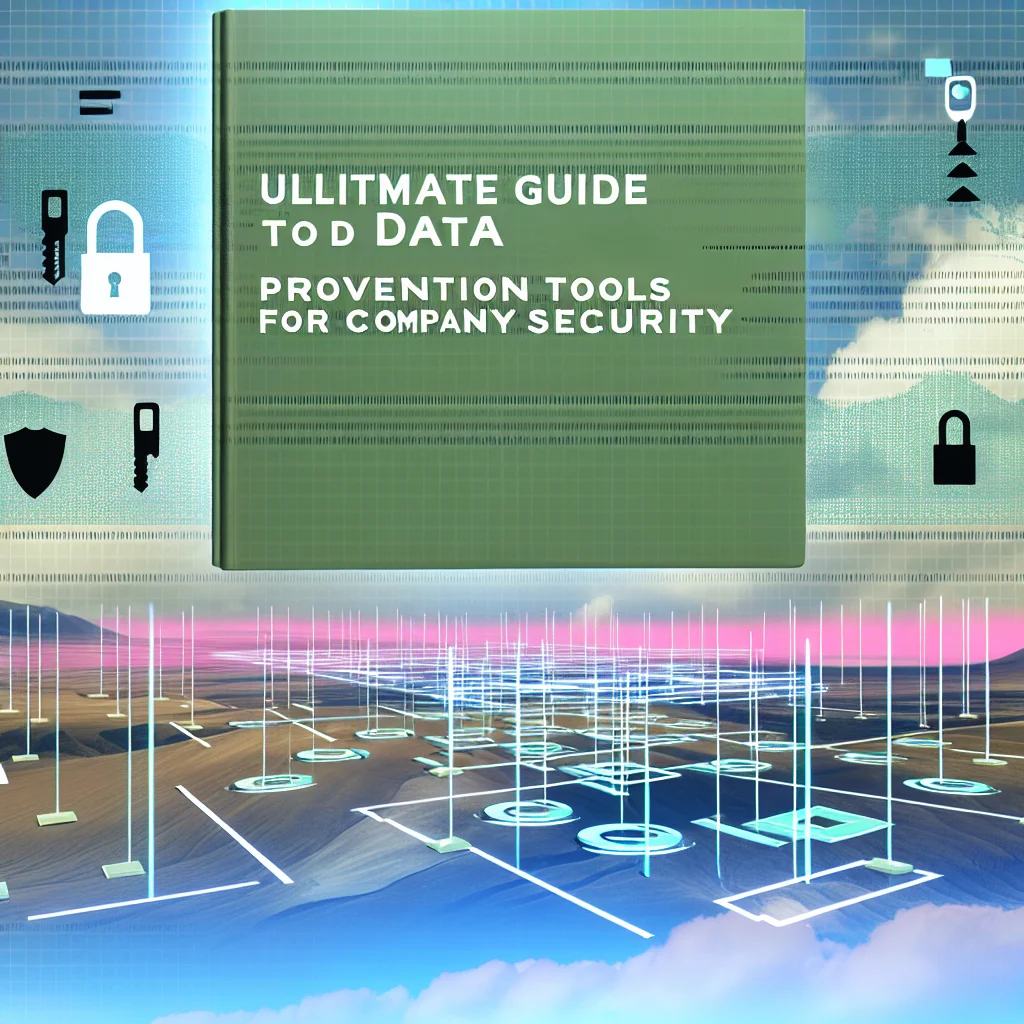
Understanding Data Loss Prevention Tools: Key Features for Company Solutions
In today’s digital age, safeguarding sensitive information is paramount for businesses of all sizes. Data loss prevention (DLP) tools have emerged as essential solutions to protect against unauthorized access, data breaches, and inadvertent data leaks. Understanding the key features of these tools is crucial for companies aiming to choose the right solution tailored to their specific needs. As organizations increasingly rely on digital data, the risk of data loss has become a significant concern, prompting the need for robust DLP solutions.
To begin with, one of the primary features of data loss prevention tools is their ability to monitor and control data in motion, at rest, and in use. This comprehensive coverage ensures that sensitive information is protected across all stages of its lifecycle. By monitoring data in motion, DLP tools can track data as it moves across networks, identifying potential threats and preventing unauthorized transfers. Similarly, by securing data at rest, these tools protect stored information from unauthorized access, ensuring that sensitive data remains confidential. Furthermore, by controlling data in use, DLP solutions can prevent unauthorized actions, such as copying or printing sensitive information, thereby reducing the risk of data leaks.
In addition to monitoring capabilities, DLP tools offer advanced data classification features. These features enable organizations to categorize data based on its sensitivity and importance, allowing for more targeted protection measures. By classifying data, companies can apply specific security policies to different types of information, ensuring that the most sensitive data receives the highest level of protection. This targeted approach not only enhances security but also optimizes resource allocation, as companies can focus their efforts on protecting the most critical data.
Moreover, data loss prevention tools often include robust reporting and analytics features. These features provide organizations with valuable insights into data usage patterns, potential vulnerabilities, and compliance with data protection regulations. By analyzing this information, companies can identify areas of improvement and implement necessary changes to enhance their data protection strategies. Additionally, comprehensive reporting capabilities facilitate compliance with industry standards and regulations, such as the General Data Protection Regulation (GDPR) and the Health Insurance Portability and Accountability Act (HIPAA), by providing detailed audit trails and documentation.
Another essential feature of DLP solutions is their integration capabilities with existing IT infrastructure. Seamless integration ensures that DLP tools can work in harmony with other security measures, such as firewalls, intrusion detection systems, and encryption technologies. This interoperability enhances the overall security posture of an organization, providing a multi-layered defense against data breaches and unauthorized access. Furthermore, integration with existing systems minimizes disruption to business operations, allowing companies to implement DLP solutions without significant changes to their workflows.
Finally, scalability is a critical consideration when selecting a data loss prevention tool. As businesses grow and evolve, their data protection needs may change, necessitating a solution that can adapt to these changes. Scalable DLP tools can accommodate increasing data volumes and expanding networks, ensuring that organizations can maintain robust data protection as they expand. This flexibility is particularly important for companies with dynamic environments, as it allows them to respond effectively to new challenges and threats.
In conclusion, understanding the key features of data loss prevention tools is essential for companies seeking to protect their sensitive information. By considering factors such as monitoring capabilities, data classification, reporting and analytics, integration, and scalability, organizations can select a DLP solution that aligns with their specific needs and enhances their overall security posture. As the digital landscape continues to evolve, investing in the right data loss prevention tools will be crucial for safeguarding valuable data and maintaining business integrity.
How to Evaluate DLP Software for Optimal Data Security and Information Protection
When evaluating Data Loss Prevention (DLP) software for optimal data security and information protection, it is crucial to consider several key factors that align with your company’s specific needs and objectives. The first step in this process is to thoroughly understand the nature of the data your organization handles. This includes identifying sensitive information such as personal customer data, intellectual property, and financial records. By clearly defining what constitutes sensitive data, you can better assess which DLP solutions offer the most effective protection for these assets.
Once you have a clear understanding of your data, the next consideration is the scope of protection required. DLP solutions vary in their capabilities, with some focusing on endpoint protection, while others offer network-based or cloud-based security. It is essential to evaluate whether your organization needs a comprehensive solution that covers all potential data leakage points or if a more targeted approach is sufficient. This decision should be informed by the specific data flow within your organization and the potential risks associated with each point of vulnerability.
In addition to the scope of protection, the ease of integration with existing systems is a critical factor in selecting a DLP solution. A seamless integration minimizes disruptions to business operations and ensures that the DLP software can effectively monitor and protect data across all platforms. Therefore, it is advisable to choose a solution that is compatible with your current IT infrastructure and can be easily scaled as your organization grows.
Furthermore, the effectiveness of a DLP solution is heavily dependent on its ability to accurately identify and classify sensitive data. Advanced DLP tools utilize machine learning algorithms and pattern recognition to detect sensitive information, even when it is embedded within other data. This capability is essential for preventing false positives and ensuring that legitimate data transfers are not unnecessarily blocked. Consequently, evaluating the accuracy and sophistication of a DLP solution’s data identification features is paramount.
Another important aspect to consider is the level of customization and control offered by the DLP software. Different organizations have varying security policies and compliance requirements, necessitating a solution that can be tailored to meet these specific needs. A flexible DLP tool allows administrators to define custom rules and policies, ensuring that the software aligns with the organization’s unique security posture.
Moreover, the user-friendliness of the DLP solution should not be overlooked. A complex and cumbersome interface can hinder the effective implementation and management of data protection measures. Therefore, selecting a solution with an intuitive interface and comprehensive support resources can significantly enhance the overall user experience and facilitate the successful adoption of the software.
Finally, it is essential to consider the vendor’s reputation and the level of support they provide. A reliable vendor with a proven track record in data security can offer valuable insights and assistance throughout the implementation process and beyond. Additionally, robust customer support ensures that any issues or concerns can be promptly addressed, minimizing potential disruptions to your organization’s operations.
In conclusion, choosing the right DLP solution for your company involves a careful evaluation of several critical factors, including the nature of your data, the scope of protection required, integration capabilities, data identification accuracy, customization options, user-friendliness, and vendor support. By thoroughly assessing these elements, you can select a DLP tool that provides optimal data security and information protection, safeguarding your organization’s most valuable assets.
Compliance and Risk Assessment: Choosing the Right Data Loss Prevention Tools

In today’s digital landscape, safeguarding sensitive information is paramount for organizations striving to maintain compliance and mitigate risks. Data Loss Prevention (DLP) tools have emerged as essential components in the arsenal of cybersecurity measures, designed to protect against unauthorized data access and breaches. Selecting the right DLP solution for your company involves a comprehensive understanding of compliance requirements and a thorough risk assessment to ensure that the chosen tool aligns with your organization’s specific needs.
To begin with, it is crucial to recognize that compliance with industry regulations is a driving force behind the adoption of DLP tools. Regulations such as the General Data Protection Regulation (GDPR), the Health Insurance Portability and Accountability Act (HIPAA), and the California Consumer Privacy Act (CCPA) impose stringent requirements on how organizations handle and protect personal data. Consequently, a DLP solution must be capable of identifying, monitoring, and controlling data in accordance with these regulations. This necessitates a tool that not only detects sensitive information but also enforces policies to prevent unauthorized sharing or leakage.
Moreover, conducting a risk assessment is a vital step in choosing the right DLP tool. This involves identifying the types of data that are most critical to your organization and understanding the potential threats that could compromise this data. By evaluating the likelihood and impact of these threats, organizations can prioritize their security efforts and select a DLP solution that offers the necessary protection. For instance, a company handling large volumes of financial data may require a tool with robust encryption capabilities, while an organization focused on intellectual property might prioritize features that prevent data exfiltration.
In addition to compliance and risk assessment, the integration of DLP tools with existing systems is another critical consideration. A seamless integration ensures that the DLP solution can effectively monitor data across various platforms, including cloud services, email systems, and endpoint devices. This holistic approach not only enhances data visibility but also streamlines the enforcement of security policies. Therefore, it is essential to choose a DLP tool that is compatible with your organization’s current infrastructure and can adapt to future technological advancements.
Furthermore, the scalability and flexibility of a DLP solution are important factors to consider. As organizations grow and evolve, their data protection needs may change. A scalable DLP tool can accommodate this growth by allowing for the addition of new users, devices, and data sources without compromising performance. Flexibility, on the other hand, ensures that the tool can be customized to address specific security requirements and adapt to emerging threats. This adaptability is crucial in maintaining a robust security posture in an ever-changing threat landscape.
Finally, it is important to evaluate the user-friendliness and support offered by the DLP solution. A tool that is intuitive and easy to use can significantly reduce the learning curve for employees, thereby enhancing compliance with security policies. Additionally, reliable customer support and regular updates are essential to address any issues that may arise and to ensure that the tool remains effective against new vulnerabilities.
In conclusion, choosing the right Data Loss Prevention tool for your company involves a careful balance of compliance, risk assessment, integration, scalability, and user-friendliness. By thoroughly evaluating these factors, organizations can select a DLP solution that not only protects sensitive data but also aligns with their strategic objectives, ultimately safeguarding their reputation and ensuring regulatory compliance.
Top Data Loss Prevention Tools for Enhancing Company Solutions and Security
In today’s digital age, safeguarding sensitive information is paramount for businesses of all sizes. Data loss prevention (DLP) tools have emerged as essential solutions for enhancing company security and ensuring compliance with regulatory standards. As organizations increasingly rely on digital data, the risk of data breaches and unauthorized access has grown exponentially. Consequently, selecting the right DLP tool is crucial for protecting valuable information assets and maintaining customer trust.
To begin with, it is important to understand the core functionalities of DLP tools. These solutions are designed to monitor, detect, and prevent the unauthorized transmission of sensitive data. They achieve this by identifying and classifying confidential information, monitoring data in motion, and enforcing security policies to prevent data leaks. By implementing a robust DLP solution, companies can mitigate the risk of data breaches, protect intellectual property, and ensure compliance with industry regulations such as GDPR, HIPAA, and PCI-DSS.
When evaluating DLP tools, companies should consider several key factors to ensure they select the most suitable solution for their needs. First and foremost, scalability is a critical consideration. As businesses grow, their data protection needs evolve, necessitating a DLP solution that can scale accordingly. Additionally, ease of integration with existing systems and workflows is essential to minimize disruption and ensure a seamless implementation process. Furthermore, the tool’s ability to provide comprehensive visibility into data usage and movement across the organization is vital for effective monitoring and incident response.
Another important aspect to consider is the tool’s adaptability to different environments, including on-premises, cloud, and hybrid infrastructures. With the increasing adoption of cloud services, a DLP solution that can effectively protect data across diverse environments is indispensable. Moreover, the tool should offer advanced analytics and reporting capabilities to provide actionable insights into potential vulnerabilities and threats. This enables organizations to proactively address security gaps and enhance their overall data protection strategy.
In addition to these technical considerations, companies should also evaluate the vendor’s reputation and track record in the industry. A reliable vendor with a proven history of delivering effective DLP solutions can provide valuable support and guidance throughout the implementation process. Furthermore, assessing the vendor’s commitment to ongoing innovation and updates is crucial to ensure the tool remains effective against emerging threats.
Among the top DLP tools available in the market, several stand out for their comprehensive features and robust performance. Symantec Data Loss Prevention, for instance, is renowned for its extensive policy enforcement capabilities and seamless integration with other security solutions. Similarly, McAfee Total Protection for Data Loss Prevention offers a unified approach to data protection, combining endpoint, network, and cloud security features. Another notable solution is Forcepoint DLP, which leverages advanced analytics and machine learning to provide real-time threat detection and response.
In conclusion, selecting the right data loss prevention tool is a critical decision that can significantly impact a company’s security posture and compliance efforts. By carefully evaluating factors such as scalability, integration, adaptability, and vendor reputation, organizations can choose a solution that aligns with their specific needs and enhances their overall data protection strategy. As the digital landscape continues to evolve, investing in a robust DLP tool is not only a prudent decision but also a necessary step towards safeguarding sensitive information and maintaining customer trust.
Best Practices for Implementing DLP Software in Your Company’s Data Security Strategy
Implementing Data Loss Prevention (DLP) software is a critical component of a comprehensive data security strategy. As organizations increasingly rely on digital data, the risk of data breaches and unauthorized access has grown exponentially. Therefore, selecting the right DLP solution is paramount to safeguarding sensitive information. To ensure successful implementation, companies must adhere to best practices that align with their specific needs and security objectives.
To begin with, it is essential to conduct a thorough assessment of the organization’s data landscape. This involves identifying the types of data that require protection, such as personally identifiable information (PII), intellectual property, and financial records. By understanding the data’s nature and location, companies can tailor their DLP strategies to address specific vulnerabilities. Moreover, this assessment should include an evaluation of existing security measures to identify gaps that the DLP solution must fill.
Once the data assessment is complete, the next step is to define clear objectives for the DLP implementation. These objectives should align with the organization’s overall security goals and regulatory requirements. For instance, companies in the healthcare sector may prioritize compliance with the Health Insurance Portability and Accountability Act (HIPAA), while financial institutions might focus on safeguarding customer data to comply with the Gramm-Leach-Bliley Act (GLBA). By setting specific, measurable goals, organizations can better evaluate the effectiveness of their DLP solution.
In addition to setting objectives, it is crucial to involve key stakeholders in the decision-making process. This includes IT professionals, data managers, and compliance officers who can provide valuable insights into the organization’s data security needs. Engaging these stakeholders early in the process ensures that the chosen DLP solution aligns with the company’s operational requirements and security policies. Furthermore, their involvement fosters a sense of ownership and accountability, which is vital for successful implementation.
Transitioning to the technical aspects, selecting the right DLP software requires careful consideration of various factors. Scalability is a critical feature, as the solution must accommodate the organization’s growth and evolving data security needs. Additionally, the software should offer robust integration capabilities with existing systems and applications to ensure seamless operation. User-friendliness is another important consideration, as complex interfaces can hinder adoption and lead to user errors.
Once the appropriate DLP solution is selected, the implementation phase should be approached methodically. A phased rollout is often recommended, starting with a pilot program to test the software’s functionality and effectiveness. This allows for the identification and resolution of any issues before full-scale deployment. During this phase, it is also important to provide comprehensive training to employees, emphasizing the importance of data security and their role in protecting sensitive information.
Finally, continuous monitoring and evaluation are essential to maintaining the effectiveness of the DLP solution. Regular audits and assessments should be conducted to ensure compliance with security policies and regulatory requirements. Additionally, organizations should remain vigilant to emerging threats and update their DLP strategies accordingly. By fostering a culture of security awareness and continuous improvement, companies can effectively protect their data assets and mitigate the risk of data breaches.
In conclusion, implementing DLP software is a multifaceted process that requires careful planning and execution. By conducting a thorough data assessment, setting clear objectives, involving key stakeholders, selecting the right software, and ensuring continuous monitoring, organizations can successfully integrate DLP into their data security strategy. This proactive approach not only safeguards sensitive information but also enhances the organization’s overall security posture.
Protect your company’s sensitive information today by choosing the right Data Loss Prevention tools. Ensure your data’s security and compliance with the best solution tailored to your needs. [Learn more](https://comptss.com).