The Future Of Dental Technology: Embracing IT Upgrades For Enhanced Patient Care
The future of dental technology is poised for significant transformation as the integration of information technology (IT) continues to reshape the landscape of patient care. As dental practices increasingly embrace IT upgrades, the potential for enhanced patient outcomes and streamlined operations becomes ever more apparent. This evolution is not merely a trend but a necessary progression to meet the growing demands of modern healthcare.
One of the most significant advancements in dental technology is the adoption of digital imaging systems. These systems have revolutionized the way dental professionals diagnose and plan treatments. By providing high-resolution images, digital radiography allows for more accurate assessments of dental conditions, leading to more precise treatment plans. Furthermore, the ability to store and share these images electronically facilitates better communication among dental professionals and with patients, ensuring a more collaborative approach to care.
In addition to digital imaging, electronic health records (EHRs) have become a cornerstone of modern dental practices. EHRs offer a comprehensive view of a patient’s medical history, dental treatments, and ongoing care plans. This centralized repository of information not only enhances the efficiency of dental practices but also improves the quality of care by reducing the likelihood of errors and ensuring continuity of care. Moreover, EHRs enable seamless integration with other healthcare providers, fostering a more holistic approach to patient health.
The integration of artificial intelligence (AI) into dental technology is another promising development. AI algorithms can analyze vast amounts of data to identify patterns and predict outcomes, offering valuable insights for dental professionals. For instance, AI can assist in early detection of oral diseases, such as cavities or periodontal disease, by analyzing patient data and identifying risk factors. This proactive approach allows for earlier intervention, potentially preventing more severe conditions and improving patient outcomes.
Tele-dentistry is yet another area where IT upgrades are making a significant impact. By leveraging video conferencing and secure communication platforms, dental professionals can provide consultations and follow-up care remotely. This not only increases access to dental care for patients in remote or underserved areas but also offers convenience for those with busy schedules. Tele-dentistry also plays a crucial role in emergency situations, where immediate consultation can guide patients on the necessary steps before they can visit a dental office.
Furthermore, the use of 3D printing technology in dentistry is gaining momentum. This technology allows for the rapid production of dental prosthetics, such as crowns, bridges, and dentures, with high precision and customization. By reducing the time and cost associated with traditional manufacturing methods, 3D printing enhances the efficiency of dental practices and improves patient satisfaction by delivering faster results.
As dental practices continue to embrace these IT upgrades, it is essential to address the challenges that accompany technological advancements. Ensuring data security and patient privacy is paramount, as the increased reliance on digital systems presents potential vulnerabilities. Implementing robust cybersecurity measures and adhering to regulatory standards are critical steps in safeguarding sensitive patient information.
In conclusion, the future of dental technology is bright, with IT upgrades playing a pivotal role in enhancing patient care. By adopting digital imaging, EHRs, AI, tele-dentistry, and 3D printing, dental practices can improve diagnostic accuracy, streamline operations, and provide more personalized care. As the dental industry continues to evolve, embracing these technological advancements will be key to meeting the demands of modern healthcare and ensuring the highest standards of patient care.
Navigating Dental Software: Key Considerations For Digital Dentistry Success
In the rapidly evolving landscape of dental technology, the integration of digital solutions into dental practices has become increasingly essential. As dental professionals seek to enhance patient care and streamline operations, navigating the myriad of available dental software options can be a daunting task. Understanding the key considerations for selecting and implementing these digital tools is crucial for achieving success in digital dentistry.
To begin with, the selection of dental software should align with the specific needs and goals of the practice. It is imperative to conduct a thorough assessment of the practice’s current workflows and identify areas where digital solutions can offer improvements. For instance, practices aiming to enhance patient communication might prioritize software with robust patient management features, while those focused on clinical efficiency may seek advanced diagnostic tools. By clearly defining objectives, dental professionals can narrow down their options and make informed decisions.
Moreover, the integration capabilities of dental software are a critical factor to consider. Seamless integration with existing systems, such as electronic health records (EHR) and practice management software, is essential for ensuring a cohesive digital ecosystem. This not only facilitates efficient data exchange but also minimizes disruptions to daily operations. Therefore, it is advisable to choose software that offers compatibility with other platforms and supports interoperability standards.
Another important consideration is the user-friendliness of the software. Dental professionals, often pressed for time, require intuitive interfaces that allow for quick adoption and minimal training. Software that is overly complex or difficult to navigate can hinder productivity and lead to frustration among staff. Consequently, selecting solutions with a focus on user experience can significantly enhance the overall efficiency of the practice.
In addition to usability, the scalability of dental software is a vital aspect to evaluate. As practices grow and evolve, their technological needs may change. Opting for software that can adapt to these changes ensures long-term viability and reduces the need for frequent replacements. Scalable solutions can accommodate an expanding patient base, additional services, and even multiple practice locations, providing flexibility for future growth.
Security and compliance are also paramount in the realm of digital dentistry. With the increasing digitization of patient records, safeguarding sensitive information is of utmost importance. Dental software must adhere to industry standards and regulations, such as the Health Insurance Portability and Accountability Act (HIPAA) in the United States, to protect patient privacy. Ensuring that the chosen software includes robust security measures, such as encryption and regular updates, is essential for maintaining trust and compliance.
Furthermore, the availability of customer support and training resources can greatly influence the successful implementation of dental software. Reliable support services can assist in troubleshooting issues and provide guidance during the transition to digital systems. Additionally, comprehensive training programs empower staff to utilize the software effectively, maximizing its potential benefits.
In conclusion, navigating the complex landscape of dental software requires careful consideration of various factors. By aligning software choices with practice goals, ensuring integration capabilities, prioritizing user-friendliness, evaluating scalability, and emphasizing security and support, dental professionals can successfully harness the power of digital dentistry. As technology continues to advance, staying informed and adaptable will be key to maintaining a competitive edge and delivering exceptional patient care in the digital age.
Cloud Integration In Dental Practices: Streamlining Operations And Enhancing Security
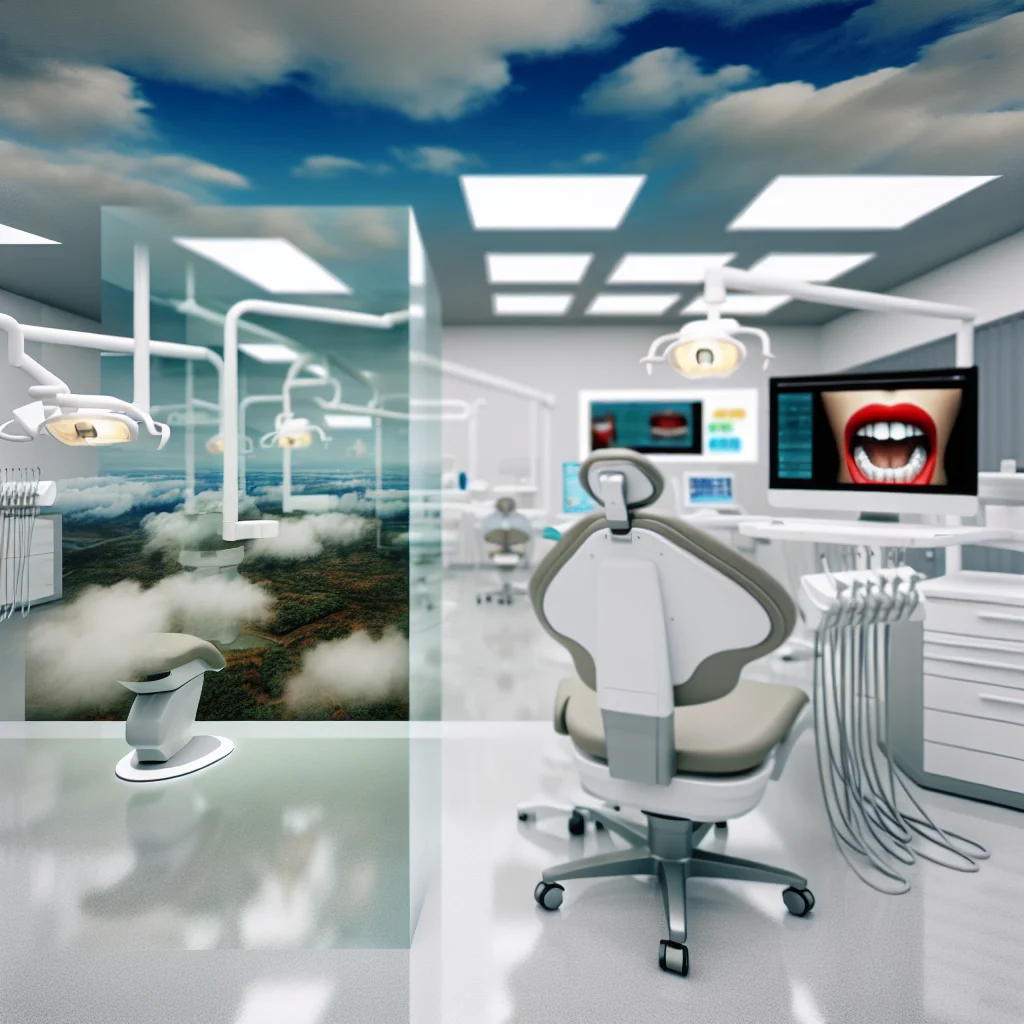
In the rapidly evolving landscape of dental technology, cloud integration has emerged as a pivotal advancement, offering dental practices a robust framework for streamlining operations and enhancing security. As dental practices increasingly adopt digital solutions, the integration of cloud technology has become essential in managing the vast amounts of data generated daily. This shift not only optimizes operational efficiency but also fortifies the security of sensitive patient information, addressing both practical and regulatory concerns.
To begin with, cloud integration facilitates seamless data management, allowing dental practices to store, access, and share information with unprecedented ease. By migrating to cloud-based systems, dental professionals can access patient records, treatment plans, and appointment schedules from any location, provided there is an internet connection. This flexibility is particularly beneficial for multi-location practices, where consistent access to up-to-date information is crucial for maintaining continuity of care. Moreover, cloud solutions often come with automated updates, ensuring that the software remains current without the need for manual intervention, thereby reducing the burden on IT staff and minimizing downtime.
In addition to operational efficiency, cloud integration significantly enhances the security of dental practices. With the increasing threat of cyberattacks, safeguarding patient data has become a top priority. Cloud service providers typically offer advanced security measures, including encryption, multi-factor authentication, and regular security audits, which are often beyond the capabilities of in-house IT systems. These measures help protect against unauthorized access and data breaches, ensuring compliance with regulations such as the Health Insurance Portability and Accountability Act (HIPAA) in the United States. By leveraging the expertise of cloud providers, dental practices can focus on delivering quality care without compromising on data security.
Furthermore, cloud integration supports improved collaboration and communication within dental teams. With centralized data storage, team members can easily share information and collaborate on patient care, leading to more informed decision-making and enhanced patient outcomes. This collaborative environment is further bolstered by cloud-based communication tools, which facilitate real-time interaction among team members, regardless of their physical location. As a result, dental practices can operate more cohesively, improving both efficiency and patient satisfaction.
Another significant advantage of cloud integration is its scalability. As dental practices grow, their IT needs evolve, requiring systems that can adapt to increased demands. Cloud solutions offer scalable resources that can be adjusted to meet the changing needs of a practice, whether it involves adding new users, expanding storage capacity, or integrating additional software applications. This scalability ensures that dental practices can continue to operate efficiently without the need for significant upfront investments in hardware or infrastructure.
In conclusion, the integration of cloud technology in dental practices represents a transformative step towards more efficient and secure operations. By embracing cloud solutions, dental professionals can streamline their workflows, enhance data security, and foster better collaboration within their teams. As the dental industry continues to evolve, cloud integration will undoubtedly play a crucial role in shaping the future of dental care, providing practices with the tools they need to thrive in an increasingly digital world. Through careful implementation and ongoing adaptation, dental practices can harness the full potential of cloud technology, ultimately leading to improved patient care and operational excellence.
Ensuring Dental Compliance: The Role Of Advanced IT Solutions In Modern Practices
In the rapidly evolving landscape of dental care, ensuring compliance with regulatory standards is paramount for modern practices. The integration of advanced IT solutions has become a cornerstone in achieving this goal, providing dental professionals with the tools necessary to maintain high standards of care while adhering to legal and ethical guidelines. As dental practices increasingly rely on digital technologies, the role of IT in ensuring compliance has expanded, offering innovative solutions that streamline operations and enhance patient care.
One of the primary areas where IT solutions have made a significant impact is in the management of patient records. Electronic Health Records (EHRs) have revolutionized the way dental practices handle patient information, ensuring that data is stored securely and is easily accessible to authorized personnel. This not only facilitates efficient patient care but also ensures compliance with regulations such as the Health Insurance Portability and Accountability Act (HIPAA) in the United States, which mandates the protection of patient information. Advanced IT systems provide encryption and access controls, safeguarding sensitive data from unauthorized access and potential breaches.
Moreover, IT solutions play a crucial role in streamlining administrative processes, which are often subject to regulatory scrutiny. Automated billing systems, for instance, ensure that claims are processed accurately and in compliance with insurance requirements. This reduces the risk of errors that could lead to audits or penalties, thereby protecting the practice from potential financial and reputational damage. Additionally, IT systems can generate detailed reports that help practices monitor their compliance status, providing insights into areas that may require attention or improvement.
In addition to administrative functions, IT solutions are instrumental in enhancing clinical compliance. Advanced diagnostic tools and imaging technologies, integrated with IT systems, ensure that dental professionals have access to accurate and up-to-date information, enabling them to make informed decisions about patient care. These technologies not only improve diagnostic accuracy but also ensure that treatments are aligned with best practices and regulatory standards. Furthermore, IT systems can facilitate continuing education and training for dental professionals, ensuring that they remain informed about the latest compliance requirements and advancements in dental care.
The role of IT in ensuring compliance extends beyond individual practices to encompass broader public health initiatives. For example, IT solutions can support data collection and analysis for epidemiological studies, helping to identify trends and inform public health policies. This contributes to a more comprehensive understanding of oral health issues and supports efforts to improve dental care on a larger scale.
However, the integration of advanced IT solutions in dental practices is not without challenges. Ensuring that systems are up-to-date and that staff are adequately trained to use them effectively is essential for maximizing their potential. Practices must also be vigilant in maintaining cybersecurity measures to protect against evolving threats. Despite these challenges, the benefits of IT solutions in ensuring compliance are undeniable, offering a pathway to more efficient, effective, and compliant dental care.
In conclusion, the role of advanced IT solutions in ensuring dental compliance is multifaceted, encompassing patient record management, administrative processes, clinical care, and public health initiatives. As dental practices continue to embrace digital technologies, the importance of IT in maintaining compliance will only grow, underscoring the need for ongoing investment in these systems. By leveraging the capabilities of advanced IT solutions, dental practices can not only meet regulatory requirements but also enhance the quality of care they provide to their patients.
Strengthening Practice Security: Essential IT Strategies For Dental Professionals
In the rapidly evolving landscape of dental technology, ensuring the security of patient data and practice operations has become paramount. As dental practices increasingly rely on digital solutions to enhance patient care and streamline administrative tasks, the need for robust IT security strategies cannot be overstated. The integration of advanced technologies, while beneficial, also introduces potential vulnerabilities that must be addressed to protect sensitive information and maintain the trust of patients.
To begin with, one of the fundamental strategies for strengthening practice security is the implementation of comprehensive data encryption protocols. Encryption serves as a critical line of defense, ensuring that patient data remains confidential and secure during transmission and storage. By converting sensitive information into unreadable code, encryption prevents unauthorized access, thereby safeguarding patient privacy. Dental professionals should ensure that all digital communications, including emails and electronic health records, are encrypted to mitigate the risk of data breaches.
In addition to encryption, regular software updates and patch management are essential components of a robust IT security strategy. Cyber threats are constantly evolving, and outdated software can serve as an easy target for cybercriminals. By keeping software up to date, dental practices can protect themselves against known vulnerabilities and reduce the risk of cyberattacks. It is advisable for dental professionals to establish a routine schedule for software updates and to work closely with IT specialists to ensure that all systems are adequately protected.
Moreover, implementing strong access controls is crucial in safeguarding sensitive information. Access controls determine who can view or modify data within a dental practice’s IT systems. By employing role-based access controls, dental professionals can ensure that only authorized personnel have access to specific information. This minimizes the risk of internal data breaches and helps maintain the integrity of patient records. Additionally, the use of multi-factor authentication adds an extra layer of security, requiring users to provide multiple forms of verification before accessing sensitive data.
Furthermore, dental practices should prioritize employee training and awareness programs as part of their IT security strategy. Human error remains one of the leading causes of data breaches, often due to a lack of awareness about security protocols. By educating staff on best practices for data protection, such as recognizing phishing attempts and using strong passwords, dental professionals can significantly reduce the likelihood of security incidents. Regular training sessions and updates on emerging threats can empower employees to become active participants in maintaining the practice’s security posture.
Another critical aspect of strengthening practice security is the development of a comprehensive incident response plan. Despite the best preventive measures, security breaches can still occur. An effective incident response plan outlines the steps to be taken in the event of a security breach, ensuring a swift and organized response. This includes identifying the breach, containing the threat, assessing the damage, and notifying affected parties. By having a well-defined plan in place, dental practices can minimize the impact of a breach and expedite the recovery process.
In conclusion, as dental practices continue to embrace digital technologies, the importance of robust IT security strategies cannot be overlooked. By implementing data encryption, maintaining up-to-date software, enforcing strong access controls, prioritizing employee training, and developing an incident response plan, dental professionals can significantly enhance the security of their practices. These measures not only protect sensitive patient information but also reinforce the trust and confidence that patients place in their dental care providers.
Unlock the future of your dental practice with cutting-edge Dental IT Insights! Discover the latest advancements in dental technology and elevate your patient care. Explore more now!