The Future Of Dental Technology: Embracing Digital Dentistry
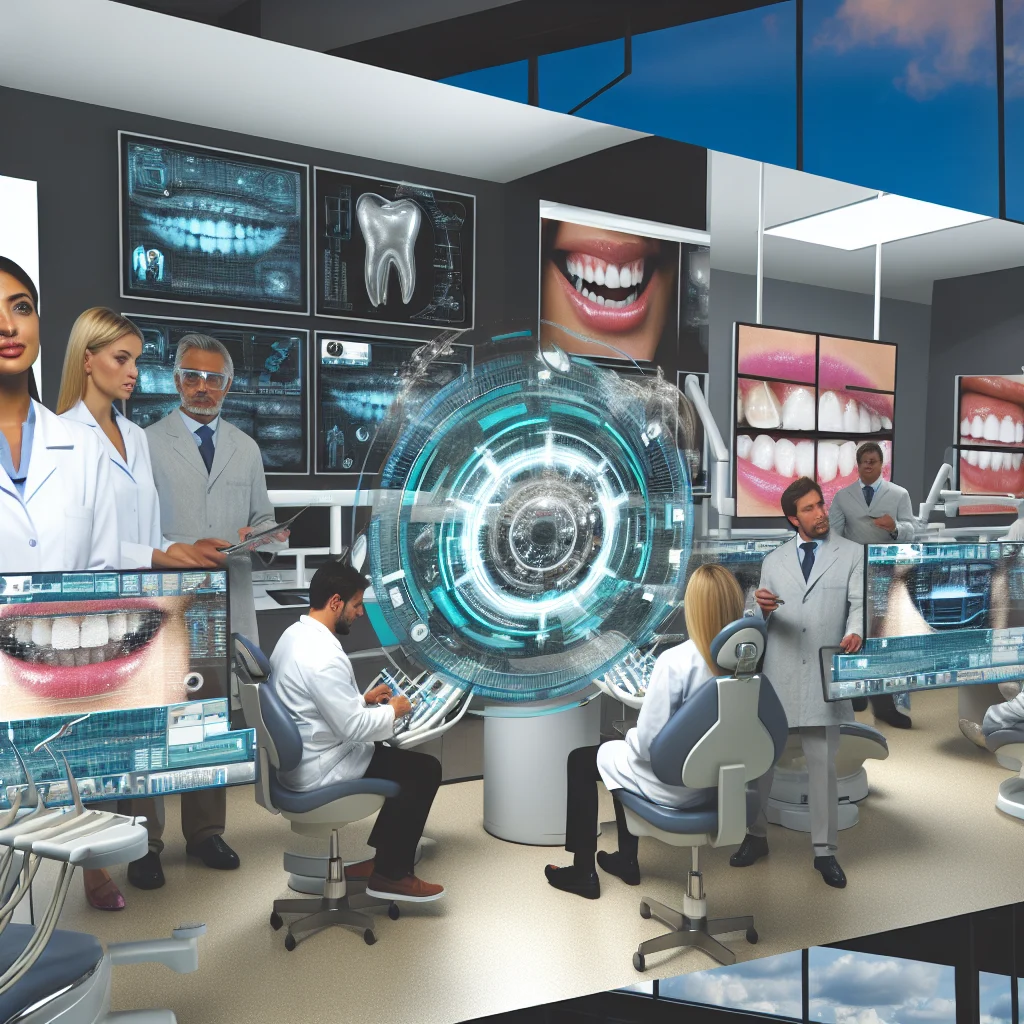
The future of dental technology is poised for a transformative evolution, as digital dentistry continues to redefine the landscape of oral healthcare. This shift towards digital solutions is not merely a trend but a fundamental change in how dental professionals approach diagnosis, treatment, and patient care. As we delve into the intricacies of this digital revolution, it becomes evident that embracing these advancements is essential for both practitioners and patients alike.
One of the most significant developments in digital dentistry is the integration of advanced imaging technologies. Digital radiography, for instance, offers enhanced image quality with reduced radiation exposure compared to traditional X-rays. This not only ensures patient safety but also allows for more accurate diagnoses. Furthermore, the advent of 3D imaging technologies, such as cone beam computed tomography (CBCT), provides comprehensive views of the oral cavity, enabling precise treatment planning and improved outcomes.
In addition to imaging, computer-aided design and computer-aided manufacturing (CAD/CAM) systems have revolutionized the creation of dental restorations. These systems allow for the design and fabrication of crowns, bridges, and other prosthetics with unparalleled precision and efficiency. By reducing the need for multiple patient visits and manual adjustments, CAD/CAM technology enhances the patient experience while streamlining the workflow for dental professionals.
Moreover, the rise of digital impressions has further simplified the process of capturing accurate dental impressions. Traditional methods often involved uncomfortable and time-consuming procedures, whereas digital impressions utilize intraoral scanners to create precise 3D models of the teeth and gums. This not only improves patient comfort but also increases the accuracy of the impressions, leading to better-fitting restorations.
Tele-dentistry is another facet of digital dentistry that is gaining traction. By leveraging digital communication tools, dental professionals can provide consultations, follow-ups, and even some diagnostic services remotely. This is particularly beneficial for patients in rural or underserved areas, where access to dental care may be limited. Tele-dentistry not only expands the reach of dental services but also offers convenience and flexibility for both patients and practitioners.
Furthermore, the integration of artificial intelligence (AI) in dental technology is opening new avenues for innovation. AI algorithms can assist in diagnosing conditions by analyzing imaging data, identifying patterns, and suggesting potential treatment options. This not only enhances the accuracy of diagnoses but also supports dental professionals in making informed decisions. As AI continues to evolve, its applications in predictive analytics and personalized treatment plans are expected to grow, further enhancing patient care.
While the benefits of digital dentistry are undeniable, it is important to acknowledge the challenges that come with its adoption. The initial investment in digital equipment and training can be substantial, and there may be a learning curve for practitioners transitioning from traditional methods. However, the long-term advantages, including improved efficiency, accuracy, and patient satisfaction, make the investment worthwhile.
In conclusion, the future of dental technology is undeniably digital. As dental professionals embrace these advancements, they are better equipped to provide high-quality care that meets the evolving needs of their patients. By integrating digital solutions into their practices, they not only enhance their capabilities but also contribute to a more efficient and patient-centered approach to oral healthcare. As we look ahead, it is clear that digital dentistry will continue to play a pivotal role in shaping the future of the dental industry.
Enhancing Practice Security: IT Upgrades For Dental Compliance
In the rapidly evolving landscape of dental technology, ensuring the security and compliance of IT systems has become a paramount concern for dental practices. As the industry increasingly relies on digital solutions to enhance patient care and streamline operations, the need for robust IT infrastructure that adheres to regulatory standards has never been more critical. This necessity is driven by the dual imperatives of safeguarding sensitive patient information and maintaining the trust of patients and regulatory bodies alike.
To begin with, the Health Insurance Portability and Accountability Act (HIPAA) sets the standard for protecting sensitive patient data in the United States. Dental practices must ensure that their IT systems are compliant with HIPAA regulations, which mandate the protection of electronic health information through administrative, physical, and technical safeguards. This involves implementing secure access controls, encryption, and regular audits to identify and mitigate potential vulnerabilities. By doing so, dental practices not only comply with legal requirements but also enhance their reputation as trustworthy custodians of patient data.
Moreover, the integration of advanced technologies such as cloud computing and electronic health records (EHRs) has transformed the way dental practices operate. While these technologies offer significant benefits in terms of efficiency and accessibility, they also introduce new security challenges. For instance, cloud-based solutions require stringent data encryption and secure access protocols to prevent unauthorized access. Dental practices must work closely with IT professionals to ensure that these systems are configured correctly and that data is stored and transmitted securely.
In addition to technological safeguards, staff training plays a crucial role in enhancing practice security. Employees must be educated about the importance of data protection and the specific protocols in place to safeguard patient information. Regular training sessions can help staff recognize potential security threats, such as phishing attacks, and respond appropriately. By fostering a culture of security awareness, dental practices can significantly reduce the risk of data breaches and ensure compliance with regulatory standards.
Furthermore, the implementation of comprehensive IT policies and procedures is essential for maintaining compliance. These policies should outline the specific measures in place to protect patient data, including access controls, data backup procedures, and incident response plans. Regular reviews and updates of these policies are necessary to address emerging threats and ensure alignment with current regulations. By establishing clear guidelines and protocols, dental practices can create a structured approach to IT security that minimizes risks and enhances compliance.
Another critical aspect of IT upgrades for dental compliance is the regular assessment and testing of security systems. Conducting vulnerability assessments and penetration testing can help identify weaknesses in the IT infrastructure and provide insights into potential areas for improvement. By proactively addressing these vulnerabilities, dental practices can strengthen their defenses against cyber threats and ensure the ongoing protection of patient data.
In conclusion, enhancing practice security through IT upgrades is a multifaceted endeavor that requires a comprehensive approach. By prioritizing compliance with regulatory standards, integrating advanced technologies securely, educating staff, and implementing robust policies and procedures, dental practices can effectively safeguard patient information and maintain the trust of their patients. As the dental industry continues to embrace digital transformation, the importance of robust IT security measures will only grow, making it imperative for practices to stay vigilant and proactive in their efforts to protect sensitive data.
Cloud Integration In Dental Practices: A New Era Of Efficiency
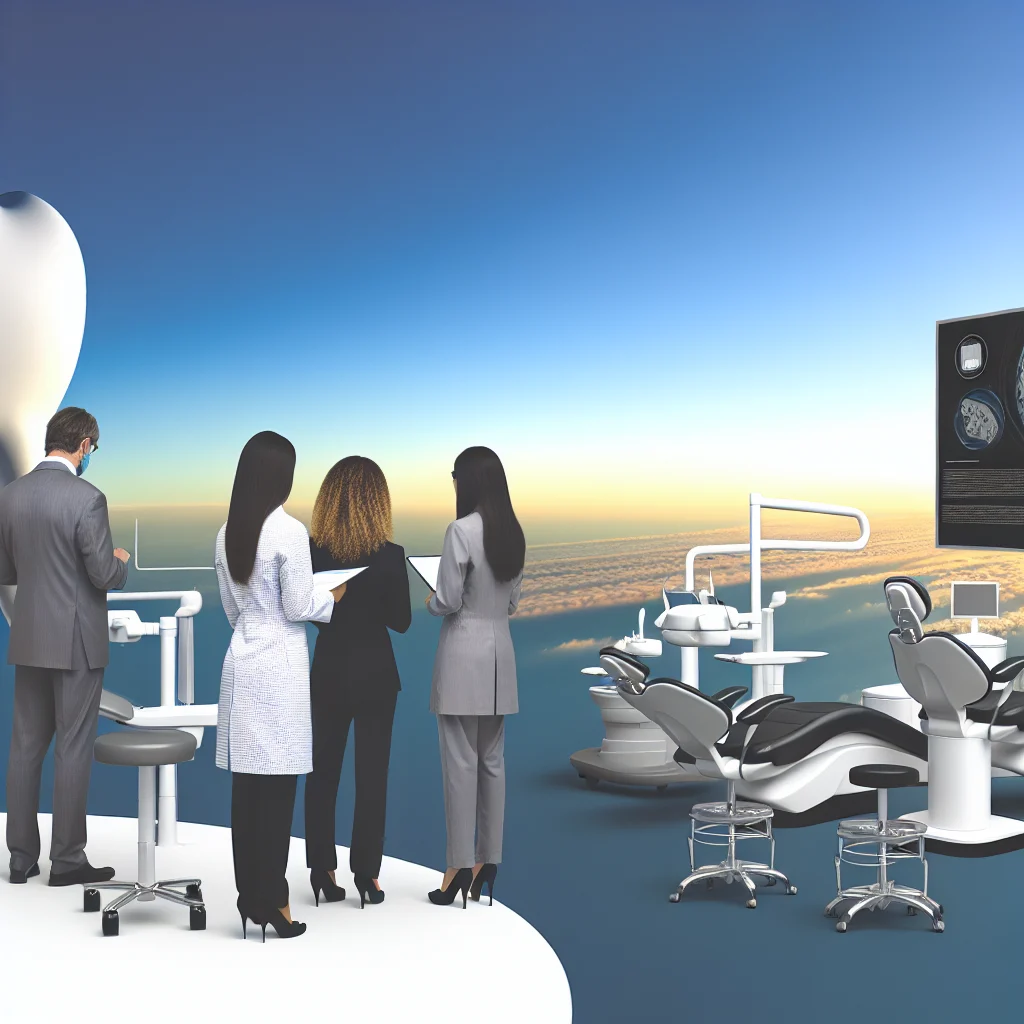
In recent years, the dental industry has witnessed a significant transformation, largely driven by advancements in technology. Among these innovations, cloud integration stands out as a pivotal development, ushering in a new era of efficiency for dental practices. As dental professionals seek to enhance patient care and streamline operations, the adoption of cloud-based solutions has become increasingly prevalent. This shift towards cloud integration is not merely a trend but a strategic move that offers numerous benefits, fundamentally altering the way dental practices operate.
To begin with, cloud integration facilitates seamless data management, which is crucial for any dental practice. Traditionally, dental records were stored in physical files or on local servers, posing challenges in terms of accessibility, security, and data sharing. However, with cloud-based systems, dental professionals can access patient records, treatment plans, and other critical information from any location with an internet connection. This accessibility ensures that dental practitioners can provide timely and informed care, even when they are not physically present in the office. Moreover, cloud integration enhances collaboration among dental teams, allowing for real-time updates and communication, which is essential for delivering coordinated and comprehensive care.
In addition to improving data accessibility, cloud integration significantly bolsters data security. Dental practices handle sensitive patient information, making data protection a top priority. Cloud service providers employ advanced security measures, such as encryption and multi-factor authentication, to safeguard data against unauthorized access and cyber threats. This level of security is often beyond the capabilities of traditional in-house IT systems, providing dental practices with peace of mind regarding the confidentiality and integrity of their data. Furthermore, cloud solutions offer automatic data backups, ensuring that patient information is not lost in the event of hardware failure or other unforeseen circumstances.
Another compelling advantage of cloud integration is its potential to reduce operational costs. By migrating to cloud-based systems, dental practices can eliminate the need for expensive on-site servers and IT infrastructure. This transition not only reduces capital expenditures but also minimizes ongoing maintenance costs. Cloud solutions typically operate on a subscription-based model, allowing practices to scale their services according to their needs without incurring significant upfront expenses. Consequently, dental practices can allocate their resources more efficiently, focusing on enhancing patient care and expanding their services.
Moreover, cloud integration supports the implementation of advanced dental technologies, such as digital imaging and tele-dentistry. These technologies rely on robust data storage and processing capabilities, which cloud platforms readily provide. For instance, digital imaging systems generate large volumes of data that require efficient storage and retrieval solutions. Cloud integration ensures that these images are easily accessible and shareable, facilitating accurate diagnoses and treatment planning. Similarly, tele-dentistry, which gained prominence during the COVID-19 pandemic, relies on cloud-based platforms to connect patients with dental professionals remotely. This capability not only expands access to dental care but also enhances patient convenience and satisfaction.
In conclusion, cloud integration represents a transformative force in the dental industry, offering a myriad of benefits that enhance efficiency, security, and patient care. As dental practices continue to embrace this technology, they position themselves at the forefront of innovation, ready to meet the evolving needs of their patients. By leveraging the power of the cloud, dental professionals can streamline their operations, reduce costs, and ultimately deliver a higher standard of care. As such, cloud integration is not just a technological advancement but a strategic imperative for modern dental practices seeking to thrive in an increasingly digital world.
Dental Software Innovations: Streamlining Patient Care
In the rapidly evolving landscape of dental technology, dental software innovations have emerged as pivotal tools in streamlining patient care. These advancements are not only enhancing the efficiency of dental practices but also significantly improving patient outcomes. As dental professionals strive to provide the highest quality of care, the integration of sophisticated software solutions has become indispensable. This transformation is driven by the need to manage patient information more effectively, optimize clinical workflows, and ensure compliance with regulatory standards.
One of the most significant innovations in dental software is the development of comprehensive practice management systems. These systems are designed to handle a wide array of administrative tasks, from scheduling appointments to managing billing and insurance claims. By automating these processes, dental practices can reduce administrative burdens, allowing staff to focus more on patient care. Moreover, these systems often include features such as patient communication tools, which facilitate reminders and follow-ups, thereby enhancing patient engagement and satisfaction.
In addition to practice management systems, electronic health records (EHR) have revolutionized the way dental practices manage patient information. EHR systems provide a centralized platform for storing and accessing patient data, including medical histories, treatment plans, and diagnostic images. This accessibility ensures that dental professionals have the information they need at their fingertips, enabling them to make informed decisions quickly. Furthermore, EHR systems often include decision support tools that assist in diagnosing conditions and planning treatments, thereby improving the accuracy and efficiency of care delivery.
Another area where dental software innovations are making a significant impact is in the realm of digital imaging. Advanced imaging software allows for the capture, storage, and analysis of high-resolution images, which are crucial for accurate diagnosis and treatment planning. These tools enable dental professionals to visualize complex structures in the oral cavity, facilitating more precise interventions. Additionally, digital imaging software often integrates with other systems, such as EHRs, ensuring that images are easily accessible and can be shared with other healthcare providers as needed.
The integration of artificial intelligence (AI) into dental software is also transforming patient care. AI algorithms can analyze vast amounts of data to identify patterns and predict outcomes, offering valuable insights that can enhance clinical decision-making. For instance, AI-powered diagnostic tools can assist in detecting early signs of dental diseases, allowing for timely interventions that can prevent more severe conditions. Moreover, AI can optimize treatment plans by analyzing patient data and recommending personalized approaches, thereby improving the overall quality of care.
Furthermore, dental software innovations are playing a crucial role in ensuring compliance with regulatory standards. With stringent regulations governing patient data privacy and security, dental practices must implement robust systems to protect sensitive information. Modern dental software solutions are equipped with advanced security features, such as encryption and access controls, to safeguard patient data and ensure compliance with regulations like the Health Insurance Portability and Accountability Act (HIPAA).
In conclusion, dental software innovations are at the forefront of transforming patient care in the dental industry. By streamlining administrative tasks, enhancing diagnostic capabilities, and ensuring regulatory compliance, these technologies are enabling dental professionals to deliver more efficient and effective care. As the field of dental technology continues to advance, it is imperative for dental practices to embrace these innovations to remain competitive and meet the evolving needs of their patients. Through the strategic implementation of cutting-edge software solutions, dental professionals can enhance their practice operations and ultimately improve patient outcomes.
Navigating IT Upgrades: Essential Insights For Dental Practices
In the rapidly evolving landscape of dental technology, staying abreast of IT upgrades is crucial for dental practices aiming to enhance patient care and operational efficiency. As digital solutions become increasingly integral to dental operations, understanding the nuances of IT upgrades can significantly impact a practice’s success. The integration of advanced technologies not only streamlines administrative tasks but also elevates the quality of patient interactions and treatment outcomes. Therefore, navigating IT upgrades requires a strategic approach that balances technological advancements with the unique needs of a dental practice.
To begin with, assessing the current IT infrastructure is a fundamental step in the upgrade process. This involves a comprehensive evaluation of existing hardware, software, and network capabilities. By identifying areas that require enhancement, dental practices can prioritize upgrades that will deliver the most significant benefits. For instance, outdated hardware may hinder the performance of new software applications, while insufficient network bandwidth can lead to slow data processing and communication issues. Consequently, a thorough assessment ensures that upgrades are targeted and effective, laying a solid foundation for future technological advancements.
Once the assessment is complete, selecting the right technology solutions becomes paramount. Dental practices must consider a range of factors, including compatibility with existing systems, scalability, and user-friendliness. It is essential to choose solutions that integrate seamlessly with current workflows, minimizing disruptions during the transition period. Additionally, scalability is crucial to accommodate future growth and technological advancements. User-friendliness, on the other hand, ensures that staff can quickly adapt to new systems, reducing the learning curve and maintaining productivity.
Moreover, cybersecurity is a critical consideration in any IT upgrade. With the increasing digitization of patient records and sensitive data, dental practices must implement robust security measures to protect against cyber threats. This includes investing in advanced encryption technologies, regular security audits, and staff training on data protection protocols. By prioritizing cybersecurity, dental practices can safeguard patient information and maintain compliance with regulatory standards, thereby building trust with patients and stakeholders.
Furthermore, the role of vendor partnerships cannot be overstated in the context of IT upgrades. Collaborating with reputable technology vendors provides access to expert guidance and support throughout the upgrade process. Vendors can offer valuable insights into the latest technological trends and best practices, ensuring that dental practices make informed decisions. Additionally, ongoing support from vendors can facilitate smooth implementation and troubleshooting, minimizing downtime and ensuring that systems operate at peak efficiency.
In addition to these technical considerations, the human element plays a vital role in the success of IT upgrades. Engaging staff in the upgrade process fosters a sense of ownership and encourages buy-in, which is crucial for successful implementation. Providing comprehensive training and support empowers staff to utilize new technologies effectively, enhancing their ability to deliver high-quality patient care. Open communication and feedback mechanisms also enable continuous improvement, allowing practices to adapt to evolving needs and challenges.
In conclusion, navigating IT upgrades in dental practices requires a strategic and holistic approach that encompasses technical, security, vendor, and human factors. By carefully assessing current infrastructure, selecting appropriate solutions, prioritizing cybersecurity, leveraging vendor partnerships, and engaging staff, dental practices can successfully integrate advanced technologies. This not only enhances operational efficiency but also elevates patient care, positioning practices for long-term success in an increasingly digital world.
Unlock the future of your dental practice with cutting-edge insights into dental technology. Discover how the latest advancements can transform your operations and patient care. Don’t miss out—explore Dental IT Insights today! Learn More