Enhancing Practice Security: The Role of Dental Software in Safeguarding Patient Data
In the rapidly evolving landscape of dental technology, safeguarding patient data has become a paramount concern for dental practices. As the healthcare industry increasingly relies on digital solutions, the role of dental software in enhancing practice security cannot be overstated. With the integration of advanced technologies, dental practices are now better equipped to protect sensitive patient information from potential breaches and unauthorized access.
To begin with, dental software systems are designed with robust security features that ensure the confidentiality, integrity, and availability of patient data. These systems employ encryption protocols that protect data both at rest and in transit, making it significantly more challenging for cybercriminals to intercept or decipher sensitive information. By encrypting data, dental software ensures that even if unauthorized access occurs, the information remains unreadable and unusable to malicious actors.
Moreover, dental software facilitates the implementation of access controls, which are crucial in safeguarding patient data. By allowing only authorized personnel to access specific information, these systems minimize the risk of internal data breaches. Role-based access control (RBAC) is a common feature in dental software, enabling practices to assign different levels of access based on an employee’s role within the organization. This ensures that staff members can only access the information necessary for their duties, thereby reducing the likelihood of accidental or intentional data exposure.
In addition to access controls, dental software often includes audit trails that track and record all interactions with patient data. These logs provide a detailed account of who accessed what information and when, offering a valuable tool for identifying and addressing potential security incidents. In the event of a data breach, audit trails can help practices quickly pinpoint the source of the breach and take appropriate corrective actions. This not only aids in mitigating the impact of the breach but also enhances the practice’s ability to comply with regulatory requirements.
Furthermore, dental software supports regular data backups, which are essential for data recovery in case of a security incident. By automatically backing up patient data at scheduled intervals, these systems ensure that practices can quickly restore lost or compromised information, minimizing downtime and maintaining continuity of care. Regular backups also provide an additional layer of protection against ransomware attacks, as practices can restore their systems without succumbing to the demands of cybercriminals.
As dental practices continue to adopt digital solutions, the importance of employee training in data security cannot be overlooked. Dental software often includes training modules and resources that educate staff on best practices for data protection. By fostering a culture of security awareness, practices can empower their employees to recognize and respond to potential threats, further enhancing the overall security posture of the organization.
In conclusion, dental software plays a critical role in safeguarding patient data by providing a comprehensive suite of security features. From encryption and access controls to audit trails and data backups, these systems offer a multi-layered approach to data protection. As the dental industry continues to embrace technological advancements, the integration of secure dental software will remain a cornerstone of effective practice management. By prioritizing data security, dental practices can not only protect their patients’ sensitive information but also build trust and confidence in their services.
The Future of Digital Dentistry: How Dental Technology is Transforming Patient Care
The future of digital dentistry is rapidly evolving, driven by technological advancements that are transforming patient care in unprecedented ways. As dental technology continues to advance, it is reshaping the landscape of dental practices, enhancing the precision, efficiency, and overall quality of care provided to patients. One of the most significant developments in this field is the integration of digital imaging systems, which have revolutionized diagnostic processes. Digital radiography, for instance, offers a more accurate and detailed view of a patient’s oral health, allowing for early detection of issues that might have gone unnoticed with traditional methods. This not only improves diagnostic accuracy but also reduces the exposure to radiation, ensuring a safer experience for patients.
Moreover, the advent of computer-aided design and computer-aided manufacturing (CAD/CAM) technology has streamlined the process of creating dental restorations. This technology enables dentists to design and fabricate crowns, bridges, and other dental prosthetics with remarkable precision and speed. As a result, patients benefit from shorter waiting times and more comfortable procedures, as the need for multiple visits is significantly reduced. Furthermore, the use of CAD/CAM technology ensures that restorations fit more accurately, enhancing both the functionality and aesthetics of dental treatments.
In addition to these advancements, the implementation of 3D printing in dentistry is another transformative development. This technology allows for the creation of highly customized dental appliances, such as aligners and retainers, tailored to the unique needs of each patient. The ability to produce these appliances in-house not only reduces costs but also accelerates the treatment process, providing patients with quicker access to necessary care. As 3D printing technology continues to evolve, its applications in dentistry are expected to expand, offering even more innovative solutions for patient care.
Tele-dentistry is another area where digital technology is making a significant impact. By leveraging video conferencing and digital communication tools, dental professionals can now provide consultations and follow-up care remotely. This is particularly beneficial for patients in rural or underserved areas, who may have limited access to dental services. Tele-dentistry not only increases accessibility but also enhances patient engagement, as individuals can receive timely advice and support from the comfort of their homes.
Furthermore, the integration of artificial intelligence (AI) in dental practices is poised to revolutionize patient care. AI algorithms can analyze vast amounts of data to assist in diagnosis, treatment planning, and even predicting patient outcomes. This technology has the potential to enhance decision-making processes, leading to more personalized and effective treatment plans. As AI continues to develop, its role in dentistry is likely to expand, offering new possibilities for improving patient care.
In conclusion, the future of digital dentistry is bright, with technological advancements paving the way for more efficient, accurate, and accessible patient care. From digital imaging and CAD/CAM technology to 3D printing, tele-dentistry, and artificial intelligence, these innovations are transforming the way dental professionals diagnose, treat, and interact with patients. As these technologies continue to evolve, they hold the promise of further enhancing the quality of dental care, ultimately leading to better patient outcomes and a more streamlined dental experience. The ongoing integration of these digital tools into dental practices underscores the importance of staying abreast of technological advancements to ensure the highest standard of care for patients.
Navigating Dental Compliance: Essential IT Upgrades for Modern Practices

In the rapidly evolving landscape of dental technology, staying compliant with industry regulations is paramount for modern dental practices. As the integration of IT systems becomes increasingly sophisticated, dental professionals must navigate a complex web of compliance requirements to ensure both patient safety and data security. This necessitates a strategic approach to IT upgrades, which can significantly enhance a practice’s ability to meet regulatory standards while also improving operational efficiency.
One of the primary areas where IT upgrades are essential is in the management of electronic health records (EHRs). The transition from paper-based records to digital systems has been transformative, yet it also introduces new challenges in maintaining compliance with regulations such as the Health Insurance Portability and Accountability Act (HIPAA). Ensuring that EHR systems are up-to-date with the latest security protocols is crucial. This includes implementing robust encryption methods, access controls, and regular audits to protect sensitive patient information from unauthorized access and potential breaches.
Moreover, the integration of advanced imaging technologies, such as digital radiography and 3D imaging, requires careful consideration of compliance standards. These technologies not only improve diagnostic capabilities but also generate large volumes of data that must be securely stored and transmitted. Upgrading IT infrastructure to support these technologies involves ensuring that data storage solutions are compliant with industry standards and that data transmission is conducted over secure networks. This not only safeguards patient information but also enhances the overall quality of care provided.
In addition to data security, dental practices must also focus on ensuring that their IT systems support efficient and compliant billing processes. The adoption of practice management software that integrates seamlessly with EHR systems can streamline billing operations, reduce errors, and ensure compliance with insurance and billing regulations. Such software solutions often include features for automated claim submissions, real-time eligibility checks, and detailed reporting, all of which contribute to a more efficient and compliant billing process.
Furthermore, as telehealth becomes an increasingly important component of dental care, practices must upgrade their IT systems to support secure and compliant virtual consultations. This involves implementing secure video conferencing platforms that comply with HIPAA regulations, as well as ensuring that any data exchanged during virtual visits is protected. By investing in the right technology, dental practices can expand their reach and offer more flexible care options while maintaining compliance with regulatory standards.
Training and education also play a critical role in navigating dental compliance. It is essential for dental professionals and staff to be well-versed in the latest compliance requirements and IT security protocols. Regular training sessions and workshops can help ensure that everyone in the practice is aware of their responsibilities and the best practices for maintaining compliance. This not only reduces the risk of non-compliance but also fosters a culture of security and accountability within the practice.
In conclusion, as dental technology continues to advance, modern practices must prioritize IT upgrades to navigate the complex landscape of compliance effectively. By focusing on secure EHR management, advanced imaging technologies, efficient billing processes, and telehealth capabilities, dental practices can enhance their compliance efforts while also improving patient care. Through strategic investments in technology and ongoing education, dental professionals can ensure that their practices remain at the forefront of both innovation and compliance.
Cloud Integration in Dental Practices: Streamlining Operations and Improving Efficiency
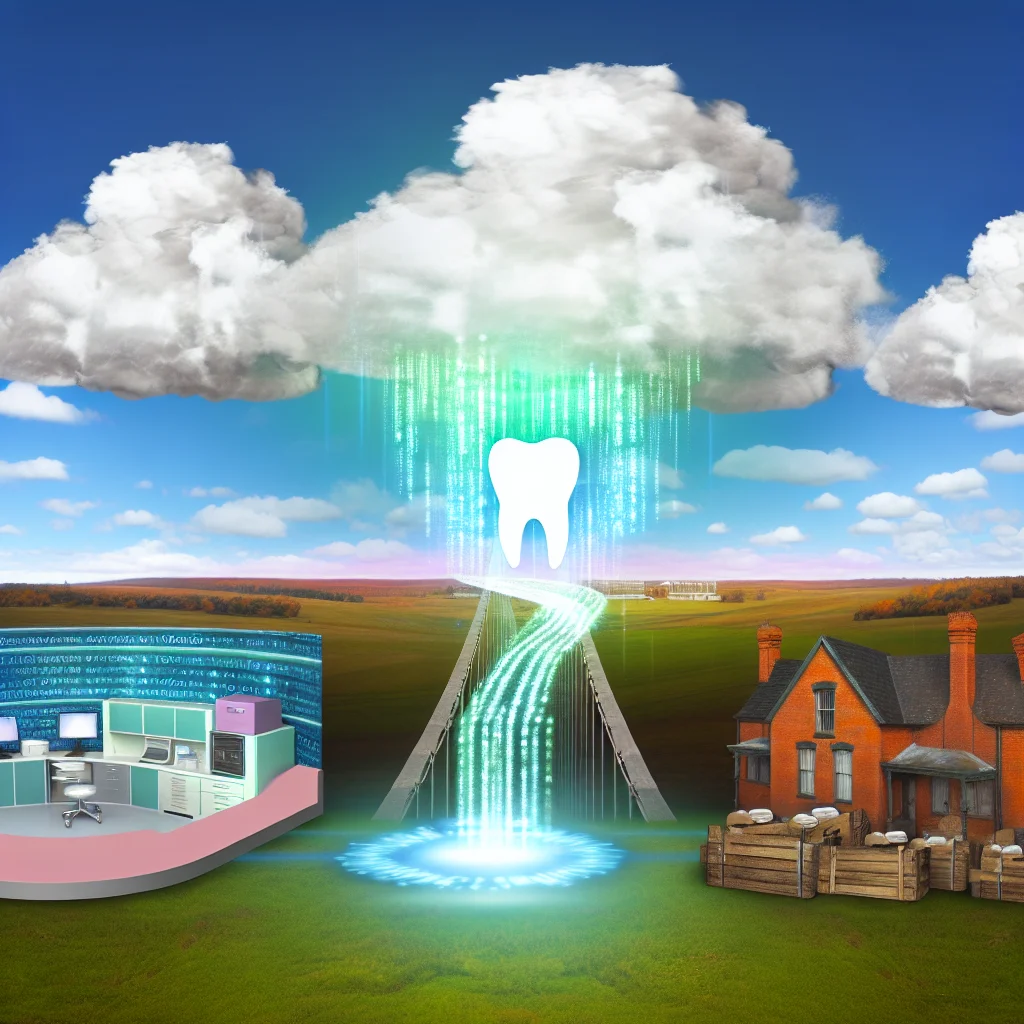
In recent years, the integration of cloud technology into dental practices has emerged as a transformative force, streamlining operations and enhancing overall efficiency. As dental practices increasingly seek to modernize their operations, cloud integration offers a compelling solution that addresses many of the challenges faced by traditional systems. By leveraging cloud-based platforms, dental practices can significantly improve data management, patient care, and administrative processes, ultimately leading to a more efficient and effective practice.
One of the primary advantages of cloud integration in dental practices is the enhanced accessibility it provides. With cloud-based systems, dental professionals can access patient records, treatment plans, and other critical information from any location with an internet connection. This level of accessibility is particularly beneficial for practices with multiple locations or for dental professionals who need to consult patient information while away from the office. Moreover, cloud integration facilitates seamless collaboration among dental team members, allowing for real-time updates and communication that enhance patient care and streamline workflows.
In addition to improved accessibility, cloud integration offers robust data security measures that are often superior to those of traditional on-premises systems. Cloud service providers typically employ advanced encryption techniques and multi-factor authentication to protect sensitive patient information, ensuring compliance with regulations such as the Health Insurance Portability and Accountability Act (HIPAA). This heightened level of security not only safeguards patient data but also instills confidence in patients, who are increasingly concerned about the privacy of their personal information.
Furthermore, cloud-based systems can lead to significant cost savings for dental practices. By eliminating the need for expensive on-site servers and IT infrastructure, practices can reduce their capital expenditures and allocate resources more efficiently. Additionally, cloud services often operate on a subscription-based model, allowing practices to scale their services according to their needs without incurring substantial upfront costs. This flexibility is particularly advantageous for smaller practices or those experiencing growth, as it enables them to adapt quickly to changing demands.
Another notable benefit of cloud integration is the automation of routine administrative tasks, which can greatly enhance operational efficiency. Cloud-based platforms often include features such as automated appointment scheduling, billing, and patient reminders, reducing the administrative burden on staff and minimizing the risk of human error. By streamlining these processes, dental practices can allocate more time and resources to patient care, ultimately improving the overall patient experience.
Moreover, cloud integration supports the implementation of advanced analytics and reporting tools, providing dental practices with valuable insights into their operations. By analyzing data on patient demographics, treatment outcomes, and financial performance, practices can make informed decisions that drive improvements in patient care and business operations. These insights can also aid in identifying trends and opportunities for growth, enabling practices to remain competitive in an increasingly dynamic healthcare landscape.
In conclusion, the integration of cloud technology into dental practices offers a multitude of benefits that streamline operations and improve efficiency. From enhanced accessibility and data security to cost savings and automation, cloud-based systems provide a comprehensive solution that addresses the challenges faced by traditional dental practices. As the dental industry continues to evolve, embracing cloud integration will be essential for practices seeking to enhance their operations and deliver superior patient care. By leveraging the power of the cloud, dental practices can position themselves for success in an increasingly digital world.
Innovations in Dental Technology: Key Trends Shaping the Future of Dentistry
In recent years, the field of dentistry has witnessed a remarkable transformation, driven by rapid advancements in technology. These innovations are not only enhancing the precision and efficiency of dental procedures but are also significantly improving patient experiences. As we delve into the key trends shaping the future of dentistry, it becomes evident that technology is playing a pivotal role in redefining the landscape of dental care.
One of the most significant advancements in dental technology is the integration of digital imaging systems. Traditional X-rays, while still in use, are increasingly being supplemented or replaced by digital radiography. This technology offers numerous advantages, including reduced radiation exposure for patients and the ability to instantly view and enhance images. Consequently, dentists can make more accurate diagnoses and develop more effective treatment plans. Furthermore, digital imaging facilitates better communication with patients, as they can easily visualize and understand their dental conditions.
In addition to digital imaging, the advent of 3D printing is revolutionizing the way dental prosthetics and appliances are manufactured. This technology allows for the rapid and precise creation of crowns, bridges, and even orthodontic devices. By utilizing 3D printing, dental professionals can offer customized solutions that fit perfectly, thereby enhancing patient comfort and satisfaction. Moreover, the speed at which these devices can be produced reduces the waiting time for patients, streamlining the overall treatment process.
Another groundbreaking development in dental technology is the use of computer-aided design and computer-aided manufacturing (CAD/CAM) systems. These systems enable the design and fabrication of dental restorations with unparalleled accuracy. By employing CAD/CAM technology, dentists can create restorations that are not only aesthetically pleasing but also functionally superior. This innovation is particularly beneficial in restorative dentistry, where precision is paramount to ensure the longevity and effectiveness of treatments.
Furthermore, the incorporation of laser technology in dental procedures is gaining traction. Lasers offer a minimally invasive alternative to traditional methods, reducing discomfort and promoting faster healing times. They are used in a variety of applications, from gum reshaping to cavity treatment, and even in teeth whitening procedures. The precision of laser technology allows for targeted treatment, minimizing damage to surrounding tissues and enhancing overall patient outcomes.
Tele-dentistry is another trend that is reshaping the future of dental care. With the increasing demand for remote healthcare services, tele-dentistry provides a platform for virtual consultations and follow-ups. This approach not only increases accessibility to dental care, especially for those in remote areas, but also allows for continuous monitoring of patients’ oral health. By leveraging tele-dentistry, dental professionals can offer timely advice and interventions, ultimately improving patient care and satisfaction.
Moreover, the integration of artificial intelligence (AI) in dentistry is opening new avenues for diagnosis and treatment planning. AI algorithms can analyze vast amounts of data to identify patterns and predict outcomes, assisting dentists in making informed decisions. This technology holds the potential to enhance diagnostic accuracy and optimize treatment strategies, leading to better patient outcomes.
In conclusion, the innovations in dental technology are profoundly impacting the field of dentistry, offering numerous benefits to both practitioners and patients. As digital imaging, 3D printing, CAD/CAM systems, laser technology, tele-dentistry, and artificial intelligence continue to evolve, they promise to further enhance the quality and accessibility of dental care. Embracing these advancements will undoubtedly shape the future of dentistry, ensuring that it remains at the forefront of medical innovation.
Unlock the future of your dental practice with cutting-edge Dental IT Insights. Discover the top 14 dental technologies revolutionizing patient care today. Explore Now!