Ransomware Explained: Understanding The Threats To Your Business
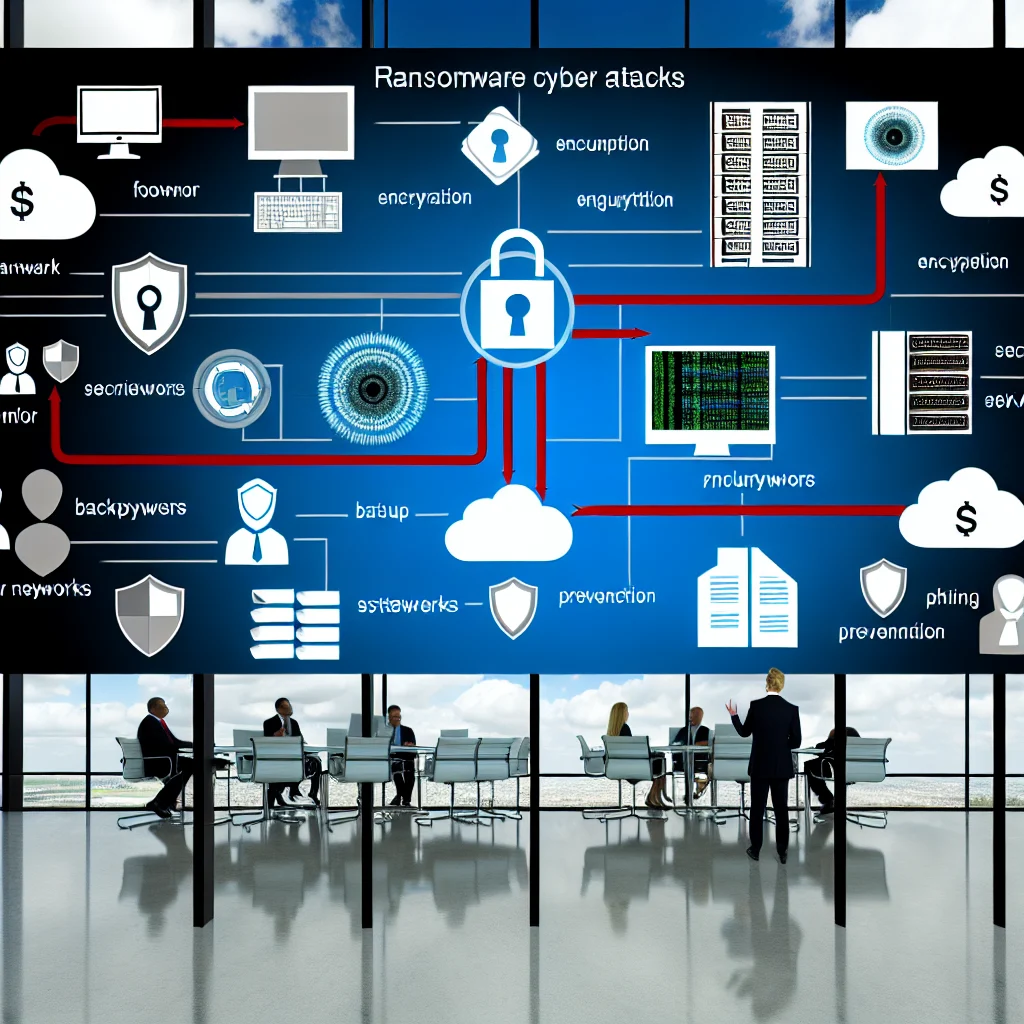
Ransomware has emerged as one of the most formidable threats to businesses in the digital age, posing significant risks to data integrity and operational continuity. This malicious software encrypts a victim’s files, rendering them inaccessible until a ransom is paid to the attacker. Understanding the nature of ransomware and the threats it poses is crucial for businesses aiming to safeguard their digital assets and maintain operational resilience.
To begin with, ransomware attacks typically infiltrate a system through phishing emails, malicious downloads, or vulnerabilities in software. Once inside, the malware encrypts files and demands a ransom, often in cryptocurrency, to decrypt the data. The financial implications of such attacks can be devastating, with costs not only associated with the ransom itself but also with downtime, data recovery, and potential reputational damage. Moreover, paying the ransom does not guarantee data recovery, as attackers may not provide the decryption key or may demand additional payments.
Transitioning to the types of ransomware, it is important to note that there are several variants, each with unique characteristics. Crypto ransomware encrypts files, while locker ransomware locks users out of their devices entirely. More sophisticated strains, such as double extortion ransomware, not only encrypt data but also threaten to publish sensitive information if the ransom is not paid. This evolution in tactics underscores the importance of understanding the specific threats posed by different ransomware types.
In light of these threats, businesses must adopt a proactive approach to cybersecurity. Implementing robust security measures is essential to mitigate the risk of ransomware attacks. Regularly updating software and systems can close vulnerabilities that attackers might exploit. Additionally, employing advanced security solutions such as firewalls, intrusion detection systems, and antivirus software can help detect and block ransomware before it infiltrates a network.
Furthermore, employee education plays a pivotal role in preventing ransomware attacks. Since phishing emails are a common entry point for ransomware, training employees to recognize and report suspicious emails can significantly reduce the risk of infection. Encouraging a culture of cybersecurity awareness within the organization can empower employees to act as the first line of defense against potential threats.
Another critical aspect of ransomware protection is data backup. Regularly backing up data ensures that, in the event of an attack, businesses can restore their systems without succumbing to ransom demands. It is advisable to maintain multiple backup copies, both on-site and off-site, to safeguard against data loss. Additionally, testing backup and recovery procedures regularly can ensure that data restoration processes are effective and efficient.
In conclusion, understanding ransomware and the threats it poses is essential for businesses seeking to protect their digital assets. By implementing comprehensive security measures, educating employees, and maintaining robust data backup strategies, businesses can significantly reduce their vulnerability to ransomware attacks. As cyber threats continue to evolve, staying informed and vigilant is paramount in safeguarding against the potentially devastating impacts of ransomware. Through a combination of technological solutions and human vigilance, businesses can fortify their defenses and ensure resilience in the face of this ever-present threat.
Essential Cybersecurity Measures To Protect Your Business From Ransomware
Ransomware has emerged as one of the most formidable threats in the digital landscape, posing significant risks to businesses of all sizes. As cybercriminals become increasingly sophisticated, it is imperative for organizations to implement robust cybersecurity measures to safeguard their operations. Understanding the nature of ransomware and adopting essential protective strategies can significantly mitigate the risk of falling victim to such attacks.
Ransomware is a type of malicious software designed to block access to a computer system or data until a ransom is paid. Typically, it infiltrates a system through phishing emails, malicious downloads, or vulnerabilities in software. Once inside, it encrypts files, rendering them inaccessible to the user. The attackers then demand payment, often in cryptocurrency, in exchange for the decryption key. Given the potential for significant financial loss and operational disruption, businesses must prioritize ransomware prevention.
To begin with, employee education is a critical component of any cybersecurity strategy. Since human error is often the weakest link in security defenses, training staff to recognize phishing attempts and suspicious links can prevent ransomware from gaining a foothold. Regular workshops and simulated phishing exercises can enhance employees’ ability to identify and report potential threats, thereby strengthening the organization’s overall security posture.
In addition to education, maintaining up-to-date software is essential. Cybercriminals frequently exploit vulnerabilities in outdated software to deploy ransomware. Therefore, businesses should ensure that all systems, applications, and security tools are regularly updated with the latest patches. Implementing automated updates can streamline this process, reducing the likelihood of human oversight.
Moreover, robust data backup practices are indispensable in mitigating the impact of a ransomware attack. By regularly backing up critical data and storing it in a secure, offsite location, businesses can ensure that they have access to unencrypted versions of their files. This not only facilitates a quicker recovery process but also diminishes the leverage attackers have, as the organization can restore its data without succumbing to ransom demands.
Furthermore, employing advanced security technologies can provide an additional layer of defense against ransomware. Endpoint protection solutions, which include antivirus and anti-malware software, can detect and neutralize threats before they infiltrate the system. Additionally, implementing network segmentation can limit the spread of ransomware by isolating critical systems from less secure areas of the network.
Another vital measure is the use of multi-factor authentication (MFA). By requiring multiple forms of verification before granting access to sensitive systems, MFA significantly reduces the risk of unauthorized access. This is particularly important for remote access points, which are often targeted by cybercriminals seeking to deploy ransomware.
Finally, developing a comprehensive incident response plan is crucial for minimizing the damage of a ransomware attack. This plan should outline the steps to be taken in the event of an attack, including communication protocols, roles and responsibilities, and recovery procedures. Regularly testing and updating this plan ensures that the organization is prepared to respond swiftly and effectively, thereby reducing downtime and financial loss.
In conclusion, while ransomware poses a significant threat to businesses, implementing a multi-faceted cybersecurity strategy can greatly reduce the risk of an attack. By focusing on employee education, software updates, data backups, advanced security technologies, multi-factor authentication, and incident response planning, organizations can protect themselves from the potentially devastating consequences of ransomware. As the digital landscape continues to evolve, staying vigilant and proactive in cybersecurity efforts is essential for safeguarding business operations.
Data Encryption And Its Role In Ransomware Prevention
In the ever-evolving landscape of cybersecurity threats, ransomware has emerged as a particularly insidious adversary for businesses worldwide. This malicious software encrypts a victim’s data, rendering it inaccessible until a ransom is paid to the attacker. As organizations increasingly rely on digital data, the threat of ransomware looms larger, making it imperative for businesses to adopt robust preventive measures. One of the most effective strategies in this regard is the implementation of data encryption, which plays a crucial role in safeguarding sensitive information from unauthorized access.
Data encryption involves converting information into a code to prevent unauthorized access. This process ensures that even if data is intercepted or accessed by malicious actors, it remains unreadable without the appropriate decryption key. In the context of ransomware, encryption serves as a formidable barrier, protecting data from being easily exploited by attackers. By encrypting data at rest and in transit, businesses can significantly reduce the risk of data breaches and unauthorized access, thereby mitigating the potential impact of ransomware attacks.
Moreover, encryption is not merely a defensive measure but also a proactive approach to data security. By encrypting sensitive information, businesses demonstrate a commitment to protecting their data assets, which can enhance their reputation and build trust with clients and stakeholders. This proactive stance is particularly important in industries that handle sensitive information, such as finance, healthcare, and legal services, where the consequences of data breaches can be especially severe.
In addition to its protective capabilities, encryption also plays a vital role in compliance with various regulatory frameworks. Many industries are subject to stringent data protection regulations that mandate the use of encryption to safeguard sensitive information. By adhering to these regulations, businesses not only protect themselves from potential legal repercussions but also align with best practices in data security. This alignment can be a significant advantage in an increasingly competitive market, where consumers are becoming more discerning about how their data is handled.
However, while encryption is a powerful tool in the fight against ransomware, it is not a panacea. Businesses must adopt a comprehensive approach to cybersecurity that includes regular software updates, employee training, and robust backup solutions. Regularly updating software ensures that systems are protected against known vulnerabilities that attackers might exploit. Employee training is equally important, as human error remains one of the leading causes of security breaches. By educating employees about the risks of phishing and other social engineering tactics, businesses can reduce the likelihood of ransomware infiltrating their systems.
Furthermore, maintaining regular backups of critical data is essential. In the event of a ransomware attack, having secure, up-to-date backups allows businesses to restore their systems without succumbing to the demands of cybercriminals. These backups should be stored offline or in a secure cloud environment to prevent them from being compromised during an attack.
In conclusion, while ransomware presents a significant threat to businesses, data encryption offers a robust line of defense. By encrypting sensitive information, businesses can protect themselves from unauthorized access and reduce the impact of potential attacks. However, encryption should be part of a broader cybersecurity strategy that includes regular updates, employee training, and secure backups. By adopting a comprehensive approach, businesses can not only protect their data but also enhance their reputation and ensure compliance with regulatory standards, ultimately safeguarding their operations in an increasingly digital world.
Effective Malware Prevention Strategies For Business Protection
Ransomware has emerged as one of the most formidable threats to businesses in the digital age, with its ability to encrypt critical data and demand hefty ransoms for its release. As organizations increasingly rely on digital infrastructure, the need for effective malware prevention strategies becomes paramount. Understanding the nature of ransomware and implementing robust protective measures can significantly mitigate the risk of falling victim to such attacks.
To begin with, it is essential to recognize that ransomware typically infiltrates systems through phishing emails, malicious downloads, or compromised websites. Therefore, one of the most effective strategies for preventing ransomware attacks is to enhance email security. Businesses should invest in advanced email filtering solutions that can detect and block suspicious attachments and links. Additionally, educating employees about the dangers of phishing and training them to recognize and report suspicious emails can serve as a crucial line of defense.
Moreover, maintaining up-to-date software and systems is another critical component of ransomware prevention. Cybercriminals often exploit vulnerabilities in outdated software to gain unauthorized access to systems. By regularly updating operating systems, applications, and security software, businesses can close potential entry points for ransomware. Implementing a patch management strategy ensures that all software is current and reduces the risk of exploitation.
In addition to these measures, employing a robust backup strategy is vital. Regularly backing up data ensures that, in the event of a ransomware attack, businesses can restore their systems without succumbing to ransom demands. It is advisable to follow the 3-2-1 backup rule: maintain three copies of data, store them on two different media, and keep one copy offsite. This approach not only safeguards data but also minimizes downtime and financial losses.
Furthermore, network segmentation can play a significant role in limiting the spread of ransomware within an organization. By dividing the network into smaller, isolated segments, businesses can contain the impact of an attack to a specific area, preventing it from affecting the entire network. This strategy, combined with strict access controls, ensures that only authorized personnel can access sensitive data and systems.
Implementing endpoint protection solutions is another effective strategy for defending against ransomware. These solutions provide real-time monitoring and threat detection, enabling businesses to identify and neutralize potential threats before they can cause harm. Advanced endpoint protection tools often include features such as behavioral analysis and machine learning, which can detect and block ransomware based on its behavior rather than relying solely on known signatures.
Additionally, businesses should consider adopting a zero-trust security model, which operates on the principle of “never trust, always verify.” This approach requires continuous verification of user identities and device integrity, regardless of whether they are inside or outside the network perimeter. By implementing multi-factor authentication and strict access controls, businesses can significantly reduce the risk of unauthorized access and ransomware infiltration.
Finally, it is crucial for businesses to develop and regularly update an incident response plan. This plan should outline the steps to be taken in the event of a ransomware attack, including communication protocols, roles and responsibilities, and recovery procedures. Regularly testing and refining this plan ensures that businesses can respond swiftly and effectively, minimizing the impact of an attack.
In conclusion, while ransomware poses a significant threat to businesses, implementing a comprehensive set of malware prevention strategies can greatly enhance an organization’s resilience. By focusing on email security, software updates, data backups, network segmentation, endpoint protection, zero-trust principles, and incident response planning, businesses can protect themselves from the devastating effects of ransomware attacks.
Threat Mitigation Techniques: Safeguarding Your Business From Cyber Attacks
In today’s digital age, businesses face an ever-evolving landscape of cyber threats, with ransomware attacks emerging as one of the most formidable challenges. Ransomware, a type of malicious software designed to block access to a computer system until a sum of money is paid, has become increasingly sophisticated, targeting organizations of all sizes. Consequently, understanding how to protect your business from such attacks is crucial. Implementing effective threat mitigation techniques can significantly reduce the risk of falling victim to ransomware, thereby safeguarding your business’s data and reputation.
To begin with, one of the most effective strategies in mitigating ransomware threats is to ensure that all software and systems are up to date. Cybercriminals often exploit vulnerabilities in outdated software to gain unauthorized access to systems. By regularly updating software, businesses can close these security gaps, making it more difficult for attackers to infiltrate their networks. Additionally, employing robust antivirus and anti-malware solutions can provide an essential layer of defense, as these tools are designed to detect and neutralize threats before they can cause harm.
Moreover, employee education and awareness play a pivotal role in protecting against ransomware attacks. Since many ransomware infections occur due to human error, such as clicking on malicious links or downloading infected attachments, training employees to recognize and avoid potential threats is vital. Regularly conducting cybersecurity training sessions can empower employees to act as the first line of defense, reducing the likelihood of accidental breaches.
Furthermore, implementing a comprehensive data backup strategy is another critical component of ransomware threat mitigation. Regularly backing up data ensures that, in the event of an attack, a business can restore its systems without succumbing to the demands of cybercriminals. It is advisable to follow the 3-2-1 backup rule: maintain three copies of data, store them on two different media, and keep one copy offsite. This approach not only provides redundancy but also ensures that backups are safe from being compromised during an attack.
In addition to these measures, businesses should consider employing network segmentation as a means of limiting the spread of ransomware. By dividing a network into smaller, isolated segments, organizations can contain the damage caused by an attack, preventing it from affecting the entire system. This technique, combined with the principle of least privilege—granting users only the access necessary for their roles—can significantly reduce the potential impact of a ransomware incident.
Moreover, developing and regularly updating an incident response plan is essential for minimizing the damage caused by ransomware attacks. This plan should outline the steps to be taken in the event of an attack, including communication protocols, roles and responsibilities, and recovery procedures. By having a well-defined response plan in place, businesses can react swiftly and effectively, reducing downtime and financial losses.
Finally, engaging with cybersecurity professionals can provide businesses with expert guidance and support in implementing these threat mitigation techniques. Cybersecurity experts can conduct vulnerability assessments, offer tailored recommendations, and assist in monitoring networks for suspicious activity. By leveraging their expertise, businesses can enhance their security posture and better protect themselves against the ever-present threat of ransomware.
In conclusion, while ransomware attacks pose a significant risk to businesses, adopting a proactive approach to threat mitigation can greatly reduce the likelihood and impact of such incidents. By keeping systems updated, educating employees, backing up data, segmenting networks, and developing a robust incident response plan, organizations can safeguard their operations and maintain their resilience in the face of cyber threats.
Protect your business from ransomware attacks today! Discover essential strategies and insights by exploring our comprehensive guide on understanding ransomware. Learn more now!