Enhancing Practice Security: The Role of Dental IT Solutions
In the rapidly evolving landscape of dental technology, the integration of advanced IT solutions has become indispensable for enhancing practice security. As dental practices increasingly rely on digital systems to manage patient records, appointment scheduling, and billing, the need for robust cybersecurity measures has never been more critical. Dental IT solutions play a pivotal role in safeguarding sensitive patient information, ensuring compliance with regulatory standards, and maintaining the overall integrity of dental practices.
To begin with, the digitization of patient records has transformed the way dental practices operate, offering unprecedented convenience and efficiency. However, this shift also introduces significant security challenges. Patient records contain a wealth of sensitive information, including personal identification details, medical histories, and financial data. Consequently, dental practices are prime targets for cybercriminals seeking to exploit vulnerabilities in digital systems. Implementing comprehensive IT solutions is essential to protect this data from unauthorized access and potential breaches.
One of the primary components of dental IT solutions is the deployment of advanced encryption technologies. Encryption serves as a formidable barrier against cyber threats by converting sensitive data into unreadable code that can only be deciphered with the appropriate decryption key. This ensures that even if data is intercepted, it remains inaccessible to unauthorized individuals. Moreover, encryption is a critical requirement for compliance with regulations such as the Health Insurance Portability and Accountability Act (HIPAA), which mandates stringent safeguards for protecting patient information.
In addition to encryption, dental IT solutions encompass a range of security measures designed to fortify practice networks. Firewalls, for instance, act as a first line of defense by monitoring and controlling incoming and outgoing network traffic based on predetermined security rules. By preventing unauthorized access to the network, firewalls help mitigate the risk of data breaches. Furthermore, intrusion detection systems (IDS) and intrusion prevention systems (IPS) work in tandem to identify and respond to potential threats in real-time, ensuring that any suspicious activity is promptly addressed.
Another crucial aspect of dental IT solutions is the implementation of secure backup and recovery systems. Data loss can occur due to various reasons, including hardware failures, natural disasters, or cyberattacks. Having a reliable backup system in place ensures that patient records and other critical data can be restored quickly, minimizing downtime and maintaining continuity of care. Regularly scheduled backups, combined with secure offsite storage, provide an additional layer of protection against data loss.
Moreover, dental IT solutions facilitate the adoption of multi-factor authentication (MFA) protocols, which add an extra layer of security to the login process. By requiring users to provide multiple forms of verification, such as a password and a unique code sent to their mobile device, MFA significantly reduces the risk of unauthorized access. This is particularly important in a dental practice setting, where multiple staff members may need access to the same systems.
In conclusion, the role of dental IT solutions in enhancing practice security cannot be overstated. As dental practices continue to embrace digital technologies, the need for comprehensive cybersecurity measures becomes increasingly paramount. By implementing advanced encryption, network security protocols, secure backup systems, and multi-factor authentication, dental practices can protect sensitive patient information, ensure compliance with regulatory standards, and maintain the trust of their patients. As technology continues to advance, staying informed about the latest developments in dental IT solutions will be essential for safeguarding the future of dental practices.
Cloud Integration in Dental Practices: A Path to Modernization
In the rapidly evolving landscape of dental technology, cloud integration has emerged as a pivotal component in modernizing dental practices. As dental professionals seek to enhance efficiency, improve patient care, and streamline operations, the adoption of cloud-based solutions offers a promising pathway. The integration of cloud technology into dental practices not only facilitates seamless data management but also ensures enhanced security and accessibility, thereby transforming the way dental services are delivered.
To begin with, cloud integration in dental practices allows for the centralization of patient data, which is crucial for efficient practice management. Traditionally, dental records were stored in physical files or on local servers, which posed challenges in terms of accessibility and data retrieval. With cloud-based systems, dental practitioners can access patient information from any location, provided there is an internet connection. This capability is particularly beneficial for multi-location practices, where dentists and staff need to access and update patient records across different sites. Consequently, cloud integration fosters a more collaborative environment, enabling dental teams to work more cohesively and make informed decisions swiftly.
Moreover, the security of patient data is a paramount concern for dental practices, given the sensitive nature of health information. Cloud service providers employ advanced security measures, such as encryption and multi-factor authentication, to protect data from unauthorized access and breaches. These security protocols are often more robust than those that individual practices can implement on their own. As a result, cloud integration not only enhances data security but also ensures compliance with regulations such as the Health Insurance Portability and Accountability Act (HIPAA), which mandates the protection of patient information.
In addition to improving data management and security, cloud integration offers scalability, which is essential for growing dental practices. As a practice expands, the volume of patient data and the need for additional resources increase. Cloud-based solutions provide the flexibility to scale up or down based on the practice’s requirements, without the need for significant upfront investments in hardware or infrastructure. This scalability ensures that dental practices can adapt to changing demands efficiently, thereby optimizing operational costs and resource allocation.
Furthermore, cloud integration facilitates the adoption of advanced dental technologies, such as digital imaging and tele-dentistry. By storing and processing large volumes of imaging data in the cloud, dental practices can leverage cutting-edge diagnostic tools and enhance patient care. Tele-dentistry, which gained prominence during the COVID-19 pandemic, relies heavily on cloud technology to enable remote consultations and treatment planning. This capability not only expands access to dental care but also improves patient engagement and satisfaction.
In conclusion, cloud integration represents a significant step towards the modernization of dental practices. By centralizing data management, enhancing security, offering scalability, and enabling the adoption of advanced technologies, cloud-based solutions provide a comprehensive framework for improving practice efficiency and patient care. As dental professionals continue to navigate the complexities of modern healthcare delivery, embracing cloud technology will be instrumental in meeting the evolving needs of patients and ensuring the sustainability of dental practices in an increasingly digital world.
The Future of Digital Dentistry: Embracing Advanced Dental Technology

The future of digital dentistry is poised to revolutionize the way dental care is delivered, with advanced dental technology playing a pivotal role in this transformation. As the dental industry continues to evolve, practitioners are increasingly embracing innovative tools and techniques that promise to enhance patient care, improve diagnostic accuracy, and streamline clinical workflows. This shift towards digital dentistry is not merely a trend but a fundamental change in how dental services are provided, offering numerous benefits to both practitioners and patients alike.
One of the most significant advancements in digital dentistry is the integration of computer-aided design and computer-aided manufacturing (CAD/CAM) systems. These technologies enable dental professionals to design and fabricate precise dental restorations, such as crowns, bridges, and veneers, with remarkable accuracy and efficiency. By utilizing CAD/CAM systems, dentists can reduce the time required for procedures, minimize the need for multiple patient visits, and enhance the overall quality of dental restorations. This not only improves patient satisfaction but also allows dental practices to operate more efficiently.
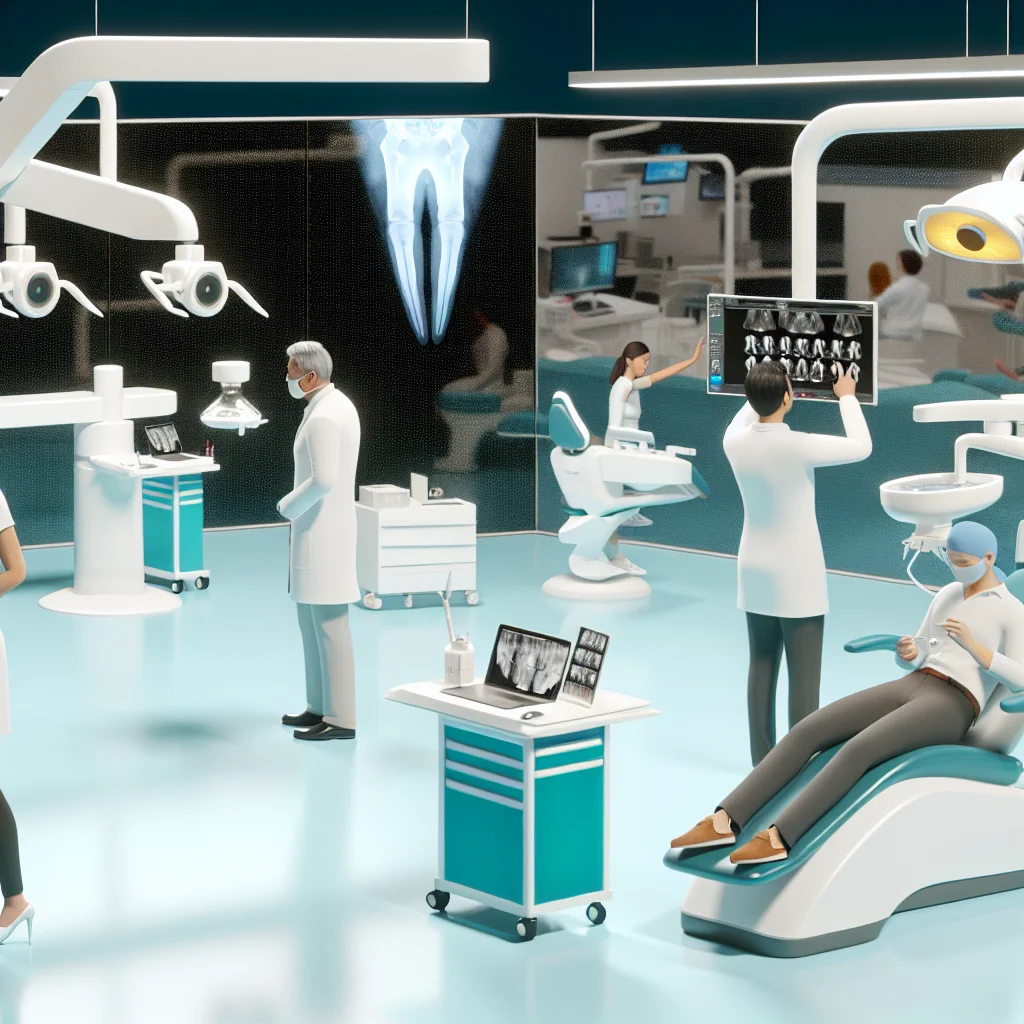
In addition to CAD/CAM technology, digital imaging systems have become an indispensable tool in modern dental practices. Digital radiography, for instance, offers numerous advantages over traditional film-based X-rays, including reduced radiation exposure, immediate image availability, and enhanced image quality. These benefits facilitate more accurate diagnoses and enable dentists to better communicate treatment plans with patients. Furthermore, the use of intraoral scanners and 3D imaging technologies allows for the creation of highly detailed digital models of a patient’s oral cavity, which can be used for treatment planning and the fabrication of custom dental appliances.
Another area where digital dentistry is making significant strides is in the field of orthodontics. The advent of clear aligner therapy, powered by advanced digital technology, has transformed the way orthodontic treatment is delivered. Clear aligners offer a more aesthetically pleasing and comfortable alternative to traditional metal braces, and their design is made possible through sophisticated digital scanning and modeling techniques. This technology allows for precise treatment planning and the ability to predict treatment outcomes with greater accuracy, ultimately leading to improved patient experiences and results.
Moreover, the incorporation of artificial intelligence (AI) and machine learning into dental practice management systems is set to further enhance the efficiency and effectiveness of dental care. AI-driven tools can assist in diagnosing dental conditions, predicting treatment outcomes, and even automating administrative tasks, such as appointment scheduling and patient record management. By leveraging these technologies, dental practices can optimize their operations, reduce the potential for human error, and focus more on delivering high-quality patient care.
As digital dentistry continues to advance, it is essential for dental professionals to stay informed about the latest technological developments and consider how they can be integrated into their practices. Embracing these innovations not only positions dental practices at the forefront of the industry but also ensures that patients receive the highest standard of care. The future of digital dentistry is bright, with advanced dental technology paving the way for more efficient, accurate, and patient-centered care. As we look ahead, it is clear that the continued adoption of digital tools and techniques will play a crucial role in shaping the future of dental care, ultimately benefiting both practitioners and patients in profound ways.
IT Upgrades for Dental Practices: Staying Ahead in a Digital World
In the rapidly evolving landscape of dental care, staying ahead in a digital world necessitates embracing IT upgrades that enhance both patient experience and practice efficiency. As dental technology continues to advance, integrating these innovations into daily operations is crucial for maintaining a competitive edge. The adoption of cutting-edge IT solutions not only streamlines administrative tasks but also significantly improves diagnostic and treatment capabilities, ultimately leading to better patient outcomes.
One of the most significant advancements in dental technology is the implementation of electronic health records (EHRs). EHRs have revolutionized the way dental practices manage patient information, offering a centralized and easily accessible platform for storing and retrieving patient data. This digital transformation reduces the risk of errors associated with paper records and enhances communication between dental professionals and patients. Moreover, EHRs facilitate seamless integration with other digital tools, such as imaging systems and practice management software, creating a cohesive and efficient workflow.
In addition to EHRs, the integration of digital imaging technologies has become indispensable in modern dental practices. Digital radiography, for instance, provides high-quality images with reduced radiation exposure compared to traditional X-rays. This not only ensures patient safety but also allows for more accurate diagnoses and treatment planning. Furthermore, the use of intraoral cameras and 3D imaging systems enables dentists to capture detailed images of the oral cavity, offering a comprehensive view that aids in identifying issues that may not be visible to the naked eye. These technologies not only enhance diagnostic precision but also improve patient communication, as visual aids can help patients better understand their oral health conditions and the proposed treatments.
Another critical aspect of IT upgrades in dental practices is the adoption of practice management software. These systems are designed to streamline administrative tasks, such as appointment scheduling, billing, and inventory management. By automating these processes, dental practices can reduce the time spent on manual tasks, allowing staff to focus more on patient care. Additionally, practice management software often includes features for patient communication, such as automated appointment reminders and online booking systems, which enhance patient engagement and satisfaction.
Moreover, the rise of teledentistry has further underscored the importance of IT upgrades in dental practices. Teledentistry platforms enable remote consultations, allowing patients to receive dental advice and care without the need for in-person visits. This is particularly beneficial for patients in remote areas or those with mobility challenges. By incorporating teledentistry into their services, dental practices can expand their reach and provide more accessible care to a broader patient base.
As dental practices continue to navigate the digital world, cybersecurity becomes an increasingly important consideration. Protecting patient data from breaches and unauthorized access is paramount, and investing in robust cybersecurity measures is essential. This includes implementing secure networks, encrypting sensitive information, and regularly updating software to protect against vulnerabilities. By prioritizing cybersecurity, dental practices can safeguard patient trust and comply with regulatory requirements.
In conclusion, staying ahead in a digital world requires dental practices to embrace IT upgrades that enhance both clinical and administrative functions. From electronic health records and digital imaging to practice management software and teledentistry, these technologies offer numerous benefits that improve patient care and operational efficiency. As the dental industry continues to evolve, investing in these IT solutions will be crucial for practices aiming to maintain a competitive edge and deliver high-quality care in an increasingly digital landscape.
Navigating Dental Compliance with Advanced Dental Software Solutions
In the rapidly evolving landscape of dental care, the integration of advanced dental software solutions has become indispensable for ensuring compliance with regulatory standards. As dental practices strive to provide high-quality care while adhering to stringent legal requirements, the role of technology in streamlining operations and maintaining compliance cannot be overstated. The advent of sophisticated dental software has revolutionized the way dental practices manage patient information, billing, and treatment planning, thereby enhancing both efficiency and compliance.
To begin with, one of the primary challenges faced by dental practices is the management of patient records in accordance with regulations such as the Health Insurance Portability and Accountability Act (HIPAA). Advanced dental software solutions offer robust data encryption and secure access controls, ensuring that patient information is protected against unauthorized access. By automating the documentation process, these systems minimize the risk of human error, thereby safeguarding sensitive patient data. Moreover, the ability to generate comprehensive audit trails allows practices to demonstrate compliance with ease during inspections or audits.
In addition to data security, billing and coding compliance is another critical area where dental software solutions prove invaluable. The complexity of dental billing, with its myriad codes and insurance requirements, can often lead to errors that result in claim denials or delays. Advanced software systems are equipped with up-to-date coding libraries and automated claim submission features, which significantly reduce the likelihood of errors. By ensuring accurate billing practices, these solutions not only enhance revenue cycle management but also maintain compliance with insurance regulations.
Furthermore, treatment planning and patient communication are integral components of dental practice that benefit from technological advancements. Dental software solutions facilitate the creation of detailed treatment plans that are both comprehensive and compliant with clinical guidelines. These systems enable practitioners to document each step of the treatment process meticulously, ensuring that all procedures are justified and recorded. This level of detail is crucial for compliance with clinical standards and for providing transparency to patients.
Transitioning to patient communication, advanced software solutions offer tools that enhance interaction between dental professionals and their patients. Automated appointment reminders, secure messaging platforms, and patient portals empower patients to engage actively in their care. By fostering clear and consistent communication, these tools help practices meet patient engagement requirements set forth by regulatory bodies. Moreover, they contribute to improved patient satisfaction, which is increasingly becoming a metric for compliance in value-based care models.
As dental practices continue to navigate the complexities of regulatory compliance, the integration of advanced dental software solutions emerges as a strategic imperative. These technologies not only streamline administrative tasks but also ensure that practices remain aligned with evolving legal standards. By investing in robust software systems, dental practices can mitigate compliance risks, enhance operational efficiency, and ultimately deliver superior patient care.
In conclusion, the role of advanced dental software solutions in navigating dental compliance is multifaceted and essential. From safeguarding patient data to ensuring accurate billing and fostering effective communication, these technologies provide a comprehensive framework for compliance. As the dental industry continues to embrace digital transformation, the adoption of these solutions will undoubtedly become a cornerstone of successful and compliant dental practice management. Through continuous innovation and adaptation, dental practices can confidently meet the challenges of compliance while focusing on their primary mission: providing exceptional oral healthcare.
Discover the latest advancements in dental technology with our comprehensive guide, “Dental IT Insights: Dental Technology (32).” Stay ahead in the dental industry by exploring cutting-edge innovations and solutions. Learn more now!