Understanding Encryption: A Key Component in DLP Systems
Data Loss Prevention (DLP) systems have become an essential component in safeguarding sensitive information within organizations. As cyber threats continue to evolve, the need for robust security measures has never been more critical. One of the fundamental elements of an effective DLP system is encryption, which plays a pivotal role in protecting data from unauthorized access and ensuring its confidentiality. Understanding encryption within the context of DLP systems is crucial for organizations aiming to enhance their data security strategies.
Encryption, at its core, is the process of converting data into a coded format that can only be deciphered by authorized parties possessing the correct decryption key. This transformation ensures that even if data is intercepted or accessed by malicious actors, it remains unintelligible and, therefore, useless to them. In the realm of DLP systems, encryption serves as a formidable barrier against data breaches, providing an additional layer of security that complements other protective measures.
To appreciate the significance of encryption in DLP systems, it is essential to recognize the various types of encryption methods available. Symmetric encryption, for instance, uses a single key for both encryption and decryption processes. While this method is efficient and fast, it requires secure key management to prevent unauthorized access. On the other hand, asymmetric encryption employs a pair of keys—a public key for encryption and a private key for decryption. This method enhances security by eliminating the need to share the decryption key, although it may be slower compared to symmetric encryption.
Incorporating encryption into DLP systems involves several strategic considerations. First and foremost, organizations must identify the types of data that require encryption. Typically, sensitive information such as personal identification details, financial records, and intellectual property are prioritized for encryption. By classifying data based on its sensitivity, organizations can allocate resources effectively and ensure that critical information is adequately protected.
Moreover, the integration of encryption within DLP systems should be seamless and transparent to users. This means that encryption processes should not hinder the accessibility or usability of data for authorized personnel. Achieving this balance requires careful planning and the implementation of user-friendly encryption solutions that operate in the background without disrupting daily operations.
Another critical aspect of encryption in DLP systems is compliance with regulatory standards. Many industries are subject to stringent data protection regulations that mandate the use of encryption to safeguard sensitive information. By adhering to these standards, organizations not only protect their data but also avoid potential legal repercussions and financial penalties.
Furthermore, as technology advances, so do the methods employed by cybercriminals to circumvent encryption. Consequently, organizations must remain vigilant and continuously update their encryption protocols to counter emerging threats. This proactive approach involves staying informed about the latest developments in encryption technology and regularly assessing the effectiveness of existing security measures.
In conclusion, encryption is a vital component of Data Loss Prevention systems, offering a robust defense against unauthorized data access. By understanding the intricacies of encryption and its role within DLP systems, organizations can enhance their data security posture and protect sensitive information from potential breaches. As cyber threats continue to evolve, the importance of encryption in safeguarding data cannot be overstated, making it an indispensable tool in the arsenal of modern data protection strategies.
Effective Backup Strategies to Complement DLP Systems
In the contemporary digital landscape, where data is a critical asset for organizations, the implementation of Data Loss Prevention (DLP) systems has become indispensable. These systems are designed to detect and prevent potential data breaches by monitoring, detecting, and blocking sensitive data while in use, in motion, and at rest. However, while DLP systems are crucial for safeguarding data, they are not infallible. To enhance the effectiveness of DLP systems, it is essential to implement robust backup strategies that ensure data integrity and availability in the event of a failure or breach.
To begin with, understanding the role of backup strategies in complementing DLP systems is vital. Backups serve as a safety net, providing a reliable means to recover data that may be lost or compromised. In the event of a data breach or system failure, having a comprehensive backup strategy ensures that an organization can restore its operations with minimal disruption. This is particularly important in scenarios where DLP systems may not detect or prevent every potential threat, as no system is entirely foolproof.
One effective backup strategy is the implementation of the 3-2-1 rule, which is widely regarded as a best practice in data management. This rule suggests that organizations should maintain three copies of their data: the original data and two backups. These backups should be stored on two different types of media, such as an internal hard drive and an external storage device, to mitigate the risk of data loss due to hardware failure. Additionally, one of these backups should be stored offsite, either in a physical location or in the cloud, to protect against local disasters such as fires or floods.
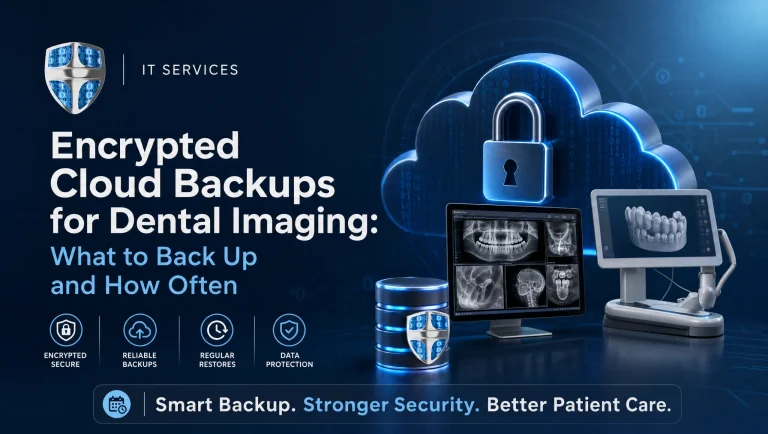
Moreover, the integration of cloud-based backup solutions can significantly enhance the resilience of an organization’s data protection strategy. Cloud backups offer scalability, flexibility, and accessibility, allowing organizations to store large volumes of data without the constraints of physical storage limitations. Furthermore, cloud providers often offer advanced security features, such as encryption and multi-factor authentication, which can complement the security measures provided by DLP systems.
In addition to cloud solutions, organizations should consider implementing incremental and differential backup methods. Incremental backups involve saving only the data that has changed since the last backup, which reduces storage requirements and speeds up the backup process. Differential backups, on the other hand, save all changes made since the last full backup, providing a balance between storage efficiency and recovery speed. By employing these methods, organizations can ensure that their backup processes are both efficient and effective.
Regular testing and validation of backup systems are also crucial components of an effective backup strategy. Organizations should conduct routine tests to verify the integrity and recoverability of their backups. This practice not only ensures that data can be restored when needed but also helps identify potential issues in the backup process that may need to be addressed.
In conclusion, while DLP systems play a critical role in protecting sensitive data, they should be complemented by effective backup strategies to ensure comprehensive data protection. By implementing best practices such as the 3-2-1 rule, leveraging cloud-based solutions, and employing incremental and differential backup methods, organizations can enhance their resilience against data loss. Furthermore, regular testing and validation of backup systems are essential to maintaining data integrity and availability. Through these measures, organizations can create a robust data protection framework that safeguards their valuable digital assets.
Email Protection Techniques in Modern DLP Systems
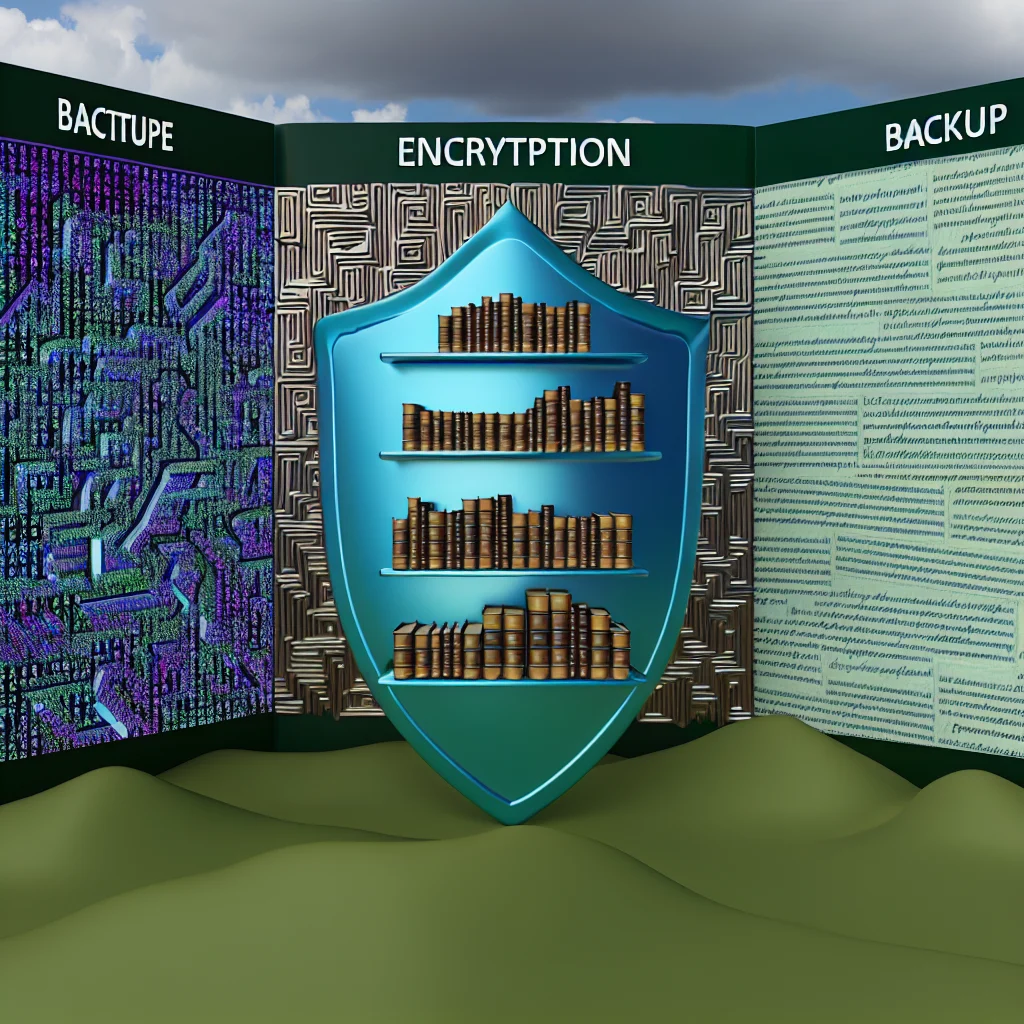
In the rapidly evolving landscape of digital communication, email remains a cornerstone of business operations, serving as a primary channel for information exchange. However, this ubiquity also makes it a prime target for data breaches and unauthorized data exfiltration. Consequently, modern Data Loss Prevention (DLP) systems have increasingly focused on enhancing email protection techniques to safeguard sensitive information. These systems employ a variety of strategies to ensure that data remains secure, even as it traverses complex networks.
One of the fundamental techniques employed by DLP systems is content inspection. This involves scanning outgoing emails for sensitive information, such as personally identifiable information (PII), financial data, or proprietary business information. By utilizing advanced algorithms and pattern recognition, DLP systems can identify and flag emails that contain such data, preventing unauthorized transmission. This process is often augmented by machine learning models that continuously improve their detection capabilities by learning from new data patterns and threats.
In addition to content inspection, DLP systems also implement encryption protocols to protect email data. Encryption ensures that even if an email is intercepted, its contents remain unreadable to unauthorized parties. Modern DLP systems often integrate seamlessly with existing email platforms, automatically encrypting emails based on predefined policies. This not only enhances security but also ensures compliance with regulatory requirements, such as the General Data Protection Regulation (GDPR) and the Health Insurance Portability and Accountability Act (HIPAA).
Moreover, DLP systems employ user behavior analytics to detect anomalies in email usage patterns. By establishing a baseline of normal user behavior, these systems can identify deviations that may indicate potential data breaches. For instance, if an employee who typically sends a few emails per day suddenly begins sending large volumes of data to external addresses, the DLP system can flag this activity for further investigation. This proactive approach allows organizations to address potential threats before they result in significant data loss.
Another critical aspect of email protection in DLP systems is the implementation of role-based access controls. By restricting access to sensitive information based on an individual’s role within the organization, DLP systems minimize the risk of data exposure. This ensures that only authorized personnel can access and transmit sensitive data, thereby reducing the likelihood of accidental or malicious data leaks.
Furthermore, DLP systems often incorporate data classification techniques to enhance email protection. By categorizing data based on its sensitivity and importance, these systems can apply appropriate security measures tailored to each category. For example, highly sensitive data may be subject to stricter controls and monitoring compared to less critical information. This targeted approach not only optimizes resource allocation but also enhances overall data security.
In conclusion, as email continues to be an integral part of business communication, the need for robust email protection techniques within DLP systems becomes increasingly critical. Through a combination of content inspection, encryption, user behavior analytics, role-based access controls, and data classification, modern DLP systems provide comprehensive protection against data breaches. By continuously evolving to address emerging threats, these systems play a vital role in safeguarding sensitive information and ensuring compliance with regulatory standards. As organizations continue to navigate the complexities of digital communication, the insights provided by DLP systems will remain indispensable in maintaining data integrity and security.
Preventing Data Breaches with Advanced DLP Systems
In today’s digital age, the protection of sensitive information has become a paramount concern for organizations across the globe. As data breaches continue to rise in frequency and sophistication, businesses are increasingly turning to advanced Data Loss Prevention (DLP) systems to safeguard their valuable data assets. These systems are designed to detect and prevent unauthorized access, use, or transmission of sensitive information, thereby mitigating the risk of data breaches and ensuring compliance with regulatory requirements.
At the core of DLP systems is the ability to identify and classify sensitive data. This involves the use of sophisticated algorithms and machine learning techniques to scan and analyze data across various endpoints, networks, and storage systems. By understanding the nature and location of sensitive data, organizations can implement targeted security measures to protect it from unauthorized access. Moreover, DLP systems can be configured to monitor data in motion, data at rest, and data in use, providing comprehensive coverage across the entire data lifecycle.
One of the key features of advanced DLP systems is their ability to enforce data protection policies. These policies are tailored to the specific needs and risk profiles of organizations, allowing them to define what constitutes sensitive data and how it should be handled. For instance, a company may establish a policy that restricts the sharing of customer credit card information via email or cloud storage services. When a potential policy violation is detected, the DLP system can automatically block the action, alert the user, or notify the security team for further investigation.
In addition to policy enforcement, DLP systems offer robust reporting and analytics capabilities. These tools provide organizations with valuable insights into data usage patterns, potential vulnerabilities, and compliance status. By analyzing this information, businesses can identify trends and anomalies that may indicate a security threat, enabling them to take proactive measures to address potential risks. Furthermore, detailed audit trails and reports can assist organizations in demonstrating compliance with data protection regulations, such as the General Data Protection Regulation (GDPR) and the California Consumer Privacy Act (CCPA).
Another significant advantage of advanced DLP systems is their integration with other security technologies. By working in conjunction with firewalls, intrusion detection systems, and encryption solutions, DLP systems can provide a multi-layered defense against data breaches. This integrated approach not only enhances the overall security posture of an organization but also streamlines incident response efforts by providing a unified view of security events.
Despite the numerous benefits of DLP systems, their implementation is not without challenges. Organizations must carefully consider factors such as scalability, performance, and user experience when deploying these solutions. Additionally, the dynamic nature of data environments requires continuous monitoring and updating of DLP policies to ensure they remain effective against emerging threats. Therefore, it is essential for organizations to invest in ongoing training and awareness programs to educate employees about data protection best practices and the role they play in safeguarding sensitive information.
In conclusion, advanced DLP systems are a critical component of modern data security strategies. By providing comprehensive data protection capabilities, these systems help organizations prevent data breaches, maintain regulatory compliance, and protect their reputation. As cyber threats continue to evolve, the adoption of sophisticated DLP solutions will be instrumental in ensuring the security and integrity of sensitive information in an increasingly interconnected world.
Access Control and Compliance Tools in DLP Systems
Data Loss Prevention (DLP) systems have become an essential component in the arsenal of tools used by organizations to safeguard sensitive information. As businesses increasingly rely on digital data, the need for robust access control and compliance tools within DLP systems has grown significantly. These tools play a crucial role in ensuring that data is not only protected from unauthorized access but also managed in accordance with regulatory requirements.
Access control is a fundamental aspect of DLP systems, serving as the first line of defense against data breaches. By implementing stringent access control measures, organizations can ensure that only authorized personnel have access to sensitive information. This is typically achieved through a combination of authentication and authorization processes. Authentication verifies the identity of users attempting to access data, while authorization determines their level of access based on predefined policies. Together, these processes help prevent unauthorized users from gaining access to critical data, thereby reducing the risk of data loss.
Moreover, access control tools within DLP systems are often integrated with identity and access management (IAM) solutions. This integration allows for a more comprehensive approach to managing user identities and access rights across the organization. By leveraging IAM solutions, organizations can streamline the process of granting and revoking access, ensuring that access rights are aligned with users’ roles and responsibilities. This not only enhances security but also simplifies compliance with regulatory requirements.
In addition to access control, compliance tools are a vital component of DLP systems. With the increasing number of regulations governing data protection, such as the General Data Protection Regulation (GDPR) and the California Consumer Privacy Act (CCPA), organizations must ensure that their data handling practices are compliant with these laws. Compliance tools within DLP systems help organizations monitor and enforce data protection policies, ensuring that data is handled in accordance with legal and regulatory standards.
These tools often include features such as data classification, which involves categorizing data based on its sensitivity and importance. By classifying data, organizations can apply appropriate security measures to protect it, ensuring that sensitive information is adequately safeguarded. Additionally, compliance tools may offer auditing and reporting capabilities, allowing organizations to track data access and usage. This not only helps in identifying potential security incidents but also provides a record of compliance efforts, which can be invaluable during regulatory audits.
Furthermore, DLP systems with robust access control and compliance tools can facilitate the implementation of data governance frameworks. Data governance involves establishing policies and procedures for managing data throughout its lifecycle, from creation to disposal. By integrating access control and compliance tools into their data governance strategies, organizations can ensure that data is managed in a secure and compliant manner, reducing the risk of data breaches and regulatory penalties.
In conclusion, access control and compliance tools are indispensable components of DLP systems, providing organizations with the means to protect sensitive information and comply with regulatory requirements. By implementing these tools, organizations can enhance their data security posture, mitigate the risk of data loss, and ensure that their data handling practices are aligned with legal and regulatory standards. As the digital landscape continues to evolve, the importance of these tools in safeguarding data and maintaining compliance will only continue to grow.
Protect your sensitive information today with our comprehensive Data Loss Prevention Insights. Discover how DLP systems can safeguard your data and enhance your security strategy. Learn more now!