Remote Helpdesk Strategies: Enhancing IT Support Efficiency
In today’s rapidly evolving technological landscape, the demand for efficient IT support has never been more critical. As organizations increasingly rely on digital infrastructure to drive their operations, the need for robust remote helpdesk strategies has become paramount. These strategies not only ensure seamless operations but also enhance the overall efficiency of IT support services. By leveraging modern technologies and adopting innovative approaches, businesses can significantly improve their IT support capabilities, thereby ensuring minimal disruption and maximizing productivity.
One of the key components of an effective remote helpdesk strategy is the integration of advanced communication tools. With the proliferation of cloud-based solutions, IT support teams can now utilize a variety of platforms to interact with users in real-time. This includes video conferencing, instant messaging, and collaborative software, which facilitate quick and efficient problem resolution. By enabling direct and immediate communication, these tools help reduce response times and ensure that issues are addressed promptly, thereby enhancing user satisfaction.
Moreover, the implementation of automation in remote helpdesk operations has proven to be a game-changer. Automated systems can handle routine inquiries and tasks, such as password resets and software updates, without human intervention. This not only frees up valuable time for IT professionals to focus on more complex issues but also reduces the likelihood of human error. Additionally, automation can provide users with self-service options, empowering them to resolve minor issues independently and further alleviating the burden on IT support staff.
In addition to automation, the use of artificial intelligence (AI) in remote helpdesk strategies is gaining traction. AI-powered chatbots and virtual assistants can provide 24/7 support, offering immediate assistance and guiding users through troubleshooting processes. These intelligent systems can learn from past interactions, continuously improving their responses and becoming more adept at handling a wide range of queries. By incorporating AI into their helpdesk operations, organizations can ensure consistent and reliable support, regardless of time or location.
Furthermore, the adoption of remote monitoring and management (RMM) tools is essential for enhancing IT support efficiency. RMM solutions allow IT teams to proactively monitor systems and networks, identifying potential issues before they escalate into significant problems. By providing real-time insights into system performance and health, these tools enable IT professionals to take preemptive action, minimizing downtime and ensuring the smooth functioning of organizational infrastructure. This proactive approach not only enhances operational efficiency but also contributes to a more stable and secure IT environment.
Training and development of IT support staff also play a crucial role in the success of remote helpdesk strategies. Continuous learning opportunities ensure that support teams are well-versed in the latest technologies and best practices, enabling them to provide high-quality assistance. By investing in the professional growth of their IT personnel, organizations can foster a culture of excellence and innovation, ultimately leading to improved support services.
In conclusion, the implementation of effective remote helpdesk strategies is vital for enhancing IT support efficiency in today’s digital age. By embracing advanced communication tools, automation, AI, and RMM solutions, organizations can streamline their support operations and deliver superior service to their users. Additionally, prioritizing the training and development of IT staff ensures that support teams are equipped to handle the ever-evolving challenges of the modern technological landscape. Through these strategic initiatives, businesses can achieve greater operational efficiency, reduced downtime, and increased user satisfaction, ultimately driving success in an increasingly competitive environment.
System Recovery Techniques: Ensuring Business Continuity
In the rapidly evolving landscape of information technology, businesses are increasingly reliant on robust IT systems to maintain their operations. As such, the importance of system recovery techniques cannot be overstated, particularly when it comes to ensuring business continuity. In the event of a system failure, whether due to hardware malfunctions, software errors, or cyberattacks, the ability to swiftly and effectively recover is crucial. This necessity underscores the need for comprehensive strategies that encompass both preventive measures and responsive actions.
To begin with, a well-structured backup strategy is the cornerstone of any effective system recovery plan. Regularly scheduled backups ensure that data can be restored to a point before the failure occurred, minimizing data loss and disruption. It is advisable for businesses to adopt a multi-tiered backup approach, which includes on-site, off-site, and cloud-based solutions. This diversification not only provides redundancy but also protects against localized disasters that could compromise on-site backups. Moreover, the integration of automated backup systems can further enhance reliability by reducing the risk of human error.
In addition to backups, the implementation of disaster recovery plans (DRPs) is essential. These plans should outline specific procedures to be followed in the event of a system failure, detailing roles and responsibilities, communication protocols, and recovery steps. Regular testing and updating of DRPs are vital to ensure their effectiveness, as they must evolve in tandem with the organization’s IT infrastructure and potential threat landscape. By conducting simulated recovery exercises, businesses can identify weaknesses in their plans and make necessary adjustments before an actual disaster strikes.
Furthermore, virtualization technology offers significant advantages in system recovery. Virtual machines (VMs) can be quickly deployed to replace failed physical servers, allowing for rapid restoration of services. This capability is particularly beneficial in environments where downtime can have severe financial implications. Additionally, virtualization facilitates the creation of isolated testing environments, enabling IT teams to safely test recovery procedures and software updates without risking the production environment.
Another critical component of system recovery is the implementation of robust cybersecurity measures. As cyber threats become increasingly sophisticated, businesses must adopt proactive strategies to protect their systems. This includes regular security audits, employee training programs, and the deployment of advanced threat detection and response tools. By mitigating the risk of cyberattacks, organizations can reduce the likelihood of system failures and the subsequent need for recovery.
Moreover, collaboration with external IT support providers can enhance an organization’s recovery capabilities. These providers offer specialized expertise and resources that may not be available in-house, such as advanced recovery tools and access to a broader network of IT professionals. By partnering with external experts, businesses can ensure that they are well-prepared to handle a wide range of potential system failures.
In conclusion, system recovery techniques are a vital component of modern IT strategies aimed at ensuring business continuity. By implementing comprehensive backup solutions, developing and regularly testing disaster recovery plans, leveraging virtualization technology, enhancing cybersecurity measures, and collaborating with external IT support providers, businesses can significantly improve their resilience in the face of system failures. As the digital landscape continues to evolve, organizations must remain vigilant and proactive in their approach to system recovery, ensuring that they are prepared to navigate the challenges of an increasingly interconnected world.
Cloud Backup Solutions: Safeguarding Critical Data
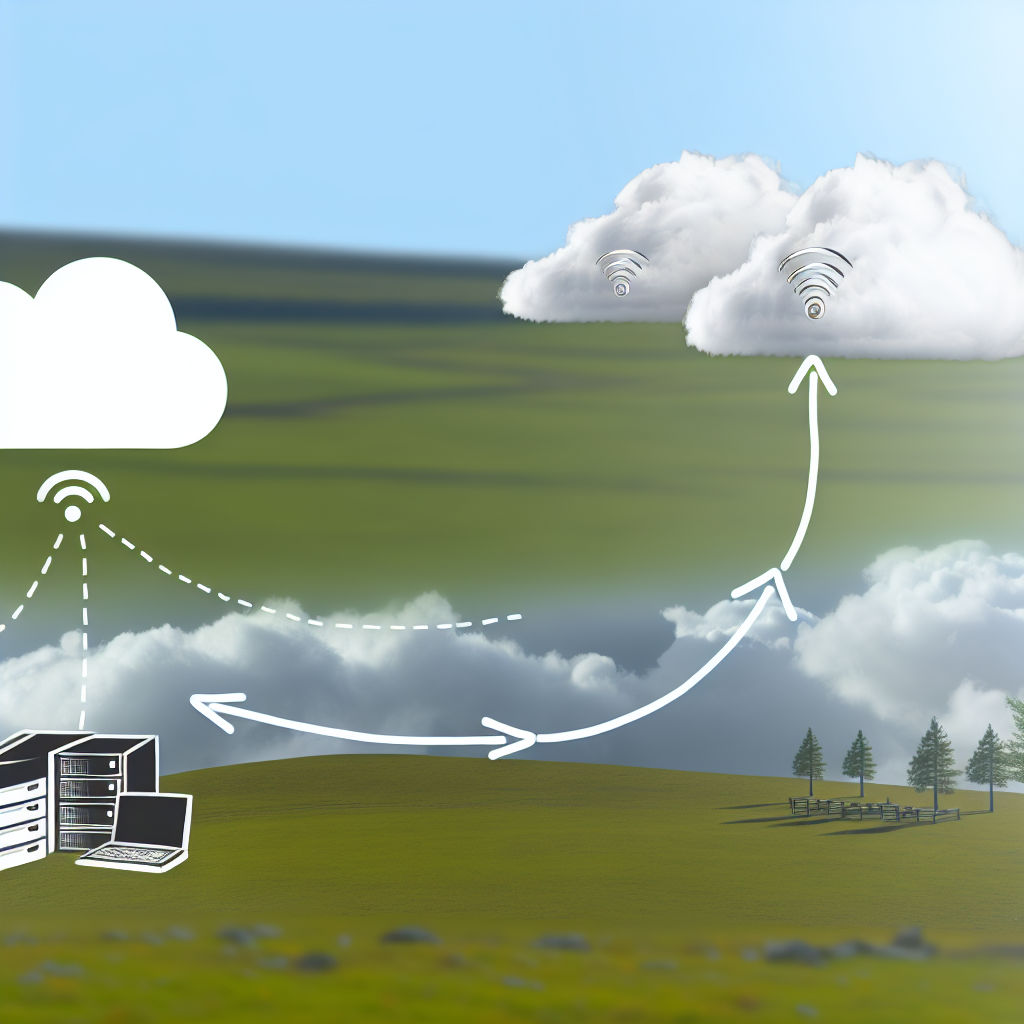
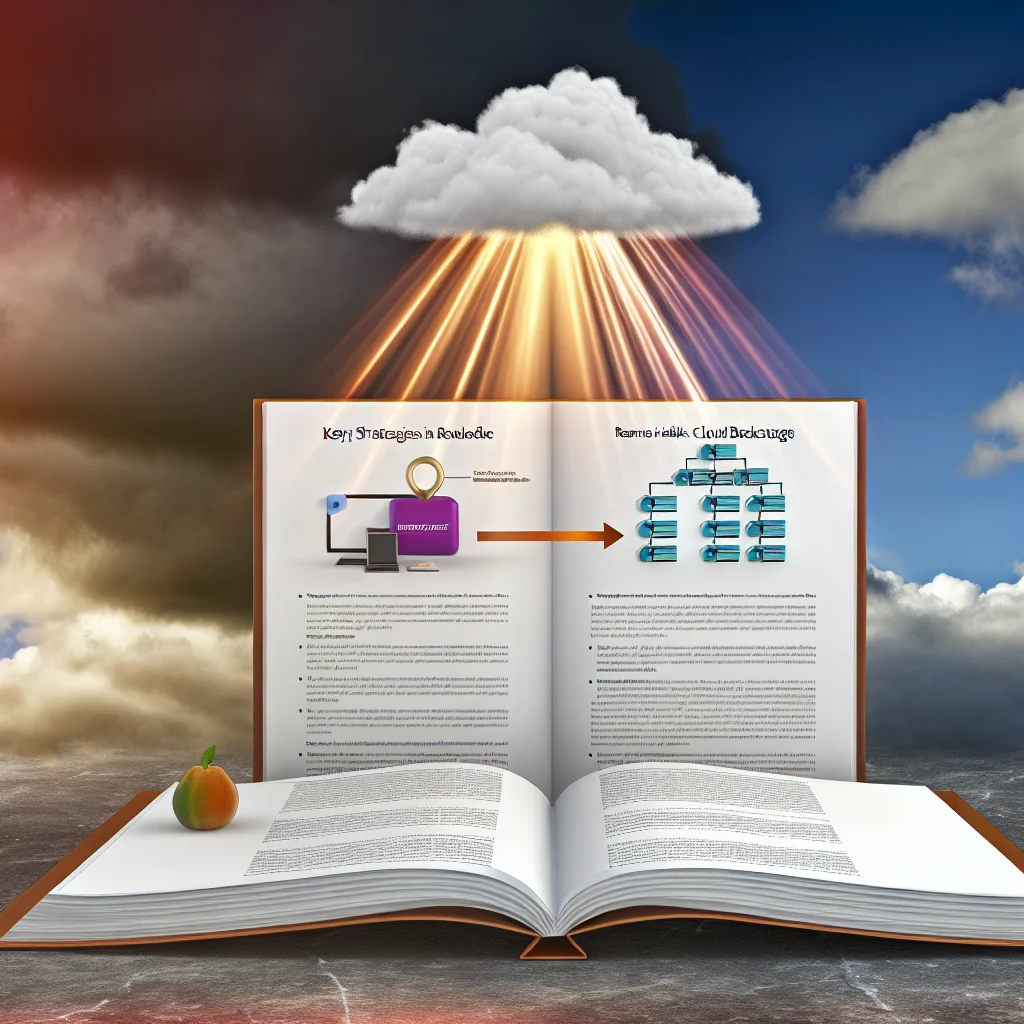
In the rapidly evolving landscape of information technology, safeguarding critical data has become a paramount concern for businesses of all sizes. As organizations increasingly rely on digital infrastructure, the need for robust data protection strategies has never been more pressing. Cloud backup solutions have emerged as a vital component in the arsenal of modern IT strategies, offering a reliable and efficient means to secure valuable information against potential threats. By leveraging the power of the cloud, businesses can ensure the continuity of their operations while mitigating the risks associated with data loss.
One of the primary advantages of cloud backup solutions is their ability to provide automated, continuous data protection. Unlike traditional backup methods, which often require manual intervention and are prone to human error, cloud-based systems offer seamless integration with existing IT infrastructure. This integration allows for real-time data synchronization, ensuring that the most recent versions of files are always available for recovery. Consequently, businesses can minimize downtime and maintain productivity even in the face of unexpected disruptions.
Moreover, cloud backup solutions offer unparalleled scalability, accommodating the dynamic needs of growing organizations. As businesses expand and generate increasing volumes of data, cloud services can effortlessly scale to meet these demands. This flexibility eliminates the need for costly investments in physical storage infrastructure, allowing companies to allocate resources more efficiently. Additionally, cloud providers typically offer a range of storage options, enabling businesses to tailor their backup strategies to align with specific requirements and budget constraints.
Security is another critical aspect where cloud backup solutions excel. Reputable cloud service providers employ advanced encryption techniques to protect data both in transit and at rest. This ensures that sensitive information remains secure from unauthorized access, providing peace of mind to businesses and their clients. Furthermore, cloud providers often implement rigorous compliance measures, adhering to industry standards and regulations such as GDPR, HIPAA, and ISO certifications. This compliance not only enhances data security but also helps businesses meet legal obligations and avoid potential penalties.
In addition to security, cloud backup solutions offer enhanced data accessibility and recovery capabilities. With data stored in the cloud, businesses can access their information from anywhere, at any time, using any device with an internet connection. This accessibility is particularly beneficial for organizations with remote or distributed workforces, as it facilitates seamless collaboration and ensures that employees have the resources they need to perform their tasks effectively. In the event of data loss or corruption, cloud backup solutions enable swift recovery, minimizing the impact on business operations and reducing the potential for financial losses.
Despite the numerous benefits, it is essential for businesses to carefully evaluate their cloud backup options and select a provider that aligns with their specific needs. Factors such as data storage capacity, pricing models, and customer support should be considered when making this decision. Additionally, businesses should implement comprehensive data management policies to complement their cloud backup strategies, ensuring that data is organized, categorized, and prioritized for efficient recovery.
In conclusion, cloud backup solutions represent a critical component of modern IT strategies, offering businesses a reliable and scalable means to safeguard their critical data. By embracing these solutions, organizations can enhance their resilience against data loss, improve operational efficiency, and maintain a competitive edge in an increasingly digital world. As technology continues to advance, the importance of robust data protection measures will only grow, making cloud backup solutions an indispensable tool for businesses striving to secure their future.
IT Optimization Practices: Streamlining Tech Support Operations
In the rapidly evolving landscape of information technology, optimizing tech support operations has become a critical component for organizations striving to maintain efficiency and competitiveness. As businesses increasingly rely on complex IT infrastructures, the demand for effective tech support has surged, necessitating the adoption of modern strategies to streamline operations. By integrating innovative practices, companies can enhance their tech support services, ultimately leading to improved user satisfaction and operational efficiency.
One of the primary strategies for optimizing tech support operations is the implementation of automation tools. Automation can significantly reduce the time and effort required to resolve common technical issues, allowing support teams to focus on more complex problems. For instance, automated ticketing systems can efficiently categorize and prioritize support requests, ensuring that critical issues are addressed promptly. Additionally, chatbots and virtual assistants can handle routine inquiries, providing instant responses to users and freeing up human resources for more demanding tasks. By leveraging automation, organizations can enhance the speed and accuracy of their tech support services, leading to a more streamlined operation.
Moreover, the adoption of remote support technologies has revolutionized the way tech support is delivered. With the ability to access and troubleshoot systems remotely, support teams can resolve issues without the need for on-site visits, saving both time and resources. Remote support tools enable technicians to diagnose and fix problems in real-time, regardless of the user’s location. This not only accelerates the resolution process but also minimizes downtime, which is crucial for maintaining business continuity. As remote work becomes more prevalent, the importance of robust remote support capabilities cannot be overstated.
In addition to technological advancements, optimizing tech support operations also involves refining internal processes. Establishing a comprehensive knowledge base is an effective way to empower both support staff and end-users. By documenting solutions to common problems and maintaining an up-to-date repository of information, organizations can facilitate faster issue resolution. Support teams can quickly reference the knowledge base to find solutions, while users can access self-help resources to troubleshoot minor issues independently. This approach not only reduces the volume of support requests but also enhances user satisfaction by providing immediate assistance.
Furthermore, continuous training and development of support staff are essential for maintaining a high standard of service. As technology evolves, so too must the skills and knowledge of tech support personnel. Regular training sessions and workshops can keep staff updated on the latest tools, technologies, and best practices. By investing in the professional growth of their support teams, organizations can ensure that their personnel are equipped to handle a wide range of technical challenges efficiently.
Finally, fostering a culture of feedback and continuous improvement is vital for optimizing tech support operations. Encouraging users to provide feedback on their support experiences can offer valuable insights into areas for improvement. By analyzing this feedback, organizations can identify patterns and trends, allowing them to make informed decisions about process enhancements and resource allocation. Additionally, support teams should be encouraged to share their experiences and suggestions for improvement, fostering a collaborative environment that drives innovation and efficiency.
In conclusion, streamlining tech support operations requires a multifaceted approach that combines technological innovation, process refinement, and continuous development. By embracing automation, remote support, comprehensive knowledge management, and ongoing training, organizations can enhance their tech support services, ultimately leading to improved operational efficiency and user satisfaction. As the IT landscape continues to evolve, adopting these modern strategies will be crucial for organizations seeking to maintain a competitive edge in the digital age.
Troubleshooting Tips: Effective IT Maintenance for Modern Businesses
In the rapidly evolving landscape of modern business, effective IT maintenance has become a cornerstone of operational success. As organizations increasingly rely on technology to drive productivity and innovation, the role of IT support has expanded beyond mere troubleshooting to encompass a strategic approach to maintaining and enhancing IT infrastructure. This shift necessitates a comprehensive understanding of both traditional and contemporary IT strategies, ensuring that businesses remain agile and resilient in the face of technological challenges.
To begin with, proactive maintenance is a critical component of effective IT support. By anticipating potential issues before they escalate into significant problems, businesses can minimize downtime and maintain seamless operations. Regular system updates, for instance, are essential to protect against security vulnerabilities and ensure compatibility with the latest software advancements. Additionally, routine hardware inspections can identify wear and tear, allowing for timely replacements and upgrades that prevent unexpected failures. This proactive approach not only safeguards the integrity of IT systems but also optimizes their performance, thereby enhancing overall business efficiency.
Moreover, the integration of automation into IT maintenance processes has revolutionized the way businesses manage their technological assets. Automation tools can streamline routine tasks such as software updates, data backups, and system monitoring, freeing up IT personnel to focus on more strategic initiatives. By reducing the manual workload, automation minimizes the risk of human error and accelerates response times to potential issues. Consequently, businesses can achieve a higher level of operational reliability and allocate resources more effectively, ultimately driving growth and innovation.
In addition to automation, the adoption of cloud-based solutions has emerged as a pivotal strategy in modern IT maintenance. Cloud computing offers unparalleled flexibility and scalability, enabling businesses to adapt quickly to changing demands. By migrating data and applications to the cloud, organizations can reduce their reliance on physical infrastructure, thereby lowering maintenance costs and enhancing disaster recovery capabilities. Furthermore, cloud services often come with built-in security features and regular updates, providing an additional layer of protection against cyber threats. This shift towards cloud-based solutions underscores the importance of aligning IT strategies with broader business objectives, ensuring that technology serves as an enabler rather than a hindrance.
However, effective IT maintenance is not solely about technology; it also involves fostering a culture of continuous improvement and learning within the organization. Encouraging IT staff to stay abreast of the latest industry trends and developments is crucial for maintaining a competitive edge. Regular training sessions and workshops can equip employees with the skills needed to navigate complex IT environments and implement innovative solutions. Additionally, fostering open communication between IT teams and other departments can facilitate a better understanding of business needs, leading to more tailored and effective IT strategies.
In conclusion, the landscape of IT support and maintenance is continually evolving, driven by advancements in technology and changing business requirements. By adopting a proactive approach, leveraging automation and cloud-based solutions, and fostering a culture of continuous learning, businesses can ensure that their IT infrastructure remains robust and adaptable. These strategies not only enhance operational efficiency but also position organizations to capitalize on new opportunities in an increasingly digital world. As such, effective IT maintenance is not merely a technical necessity but a strategic imperative for modern businesses seeking to thrive in a competitive environment.
Unlock the secrets to effective tech support and modern IT strategies with our comprehensive guide, “IT Support Insights: Tech Support and Modern IT Strategies.” [Discover more now](https://comptss.com).