Understanding Ransomware In Healthcare: Key Threats And Vulnerabilities
Ransomware attacks have emerged as a significant threat to the healthcare sector, posing severe risks to patient safety, data integrity, and operational continuity. Understanding the key threats and vulnerabilities associated with ransomware in healthcare is crucial for developing effective strategies to protect healthcare practices. Ransomware is a type of malicious software designed to block access to a computer system or data until a ransom is paid. In the context of healthcare, this can lead to devastating consequences, as it can disrupt critical services, delay patient care, and compromise sensitive patient information.
One of the primary reasons healthcare organizations are attractive targets for ransomware attacks is the vast amount of sensitive data they handle. Electronic Health Records (EHRs) contain personal, financial, and medical information that is highly valuable on the black market. Cybercriminals are aware that healthcare providers are often willing to pay ransoms to regain access to this data quickly, given the potential impact on patient care and the legal implications of data breaches. Consequently, healthcare practices must prioritize securing their data to mitigate these risks.
Moreover, the healthcare sector often relies on outdated technology and software systems, which can be more vulnerable to cyberattacks. Many healthcare organizations operate on tight budgets, leading to underinvestment in IT infrastructure and cybersecurity measures. This lack of investment can result in unpatched software, outdated operating systems, and insufficient network security, all of which create opportunities for cybercriminals to exploit vulnerabilities. Therefore, it is essential for healthcare practices to regularly update their systems and invest in robust cybersecurity solutions to protect against ransomware threats.
In addition to technological vulnerabilities, human error remains a significant factor in the success of ransomware attacks. Phishing emails, which trick employees into clicking on malicious links or downloading infected attachments, are a common method used by cybercriminals to gain access to healthcare networks. Training staff to recognize and respond to phishing attempts is a critical component of any cybersecurity strategy. Regular training sessions and simulated phishing exercises can help employees become more vigilant and reduce the likelihood of falling victim to such attacks.
Furthermore, the interconnected nature of modern healthcare systems can exacerbate the impact of a ransomware attack. Many healthcare practices are part of larger networks, sharing data and resources with other facilities. While this connectivity can enhance patient care, it also means that a ransomware attack on one part of the network can quickly spread to others. Implementing network segmentation and access controls can help contain the spread of ransomware and limit its impact on the broader healthcare system.
To effectively protect against ransomware attacks, healthcare practices must adopt a multi-layered approach to cybersecurity. This includes implementing strong access controls, regularly updating software and systems, conducting employee training, and developing comprehensive incident response plans. Additionally, healthcare organizations should consider investing in cybersecurity insurance to mitigate the financial impact of a potential attack.
In conclusion, understanding the key threats and vulnerabilities associated with ransomware in healthcare is essential for safeguarding patient data and ensuring the continuity of care. By addressing technological weaknesses, enhancing employee awareness, and implementing robust security measures, healthcare practices can significantly reduce their risk of falling victim to ransomware attacks. As cyber threats continue to evolve, staying informed and proactive in cybersecurity efforts will be vital for protecting the integrity and reputation of healthcare organizations.
Top Ransomware Prevention Tips For Healthcare Practices
In the ever-evolving landscape of cybersecurity threats, healthcare practices have become prime targets for ransomware attacks. These malicious incursions can cripple operations, compromise sensitive patient data, and lead to significant financial losses. Therefore, it is imperative for healthcare providers to adopt robust preventive measures to safeguard their practices. One of the most effective strategies is to implement comprehensive employee training programs. Since human error is often the weakest link in cybersecurity, educating staff about the dangers of phishing emails and suspicious links can significantly reduce the risk of a ransomware breach. Regular training sessions should be conducted to keep employees informed about the latest threats and best practices for maintaining security.
In addition to training, healthcare practices should invest in advanced security software. This includes antivirus programs, firewalls, and intrusion detection systems that can identify and neutralize threats before they infiltrate the network. It is crucial to ensure that all software is regularly updated to protect against the latest vulnerabilities. Moreover, employing encryption for sensitive data can add an extra layer of security, making it more difficult for cybercriminals to access valuable information even if they manage to breach the system.
Another critical aspect of ransomware prevention is the implementation of a robust data backup strategy. Regularly backing up data ensures that, in the event of an attack, healthcare practices can restore their systems without succumbing to ransom demands. These backups should be stored securely, preferably offsite or in the cloud, to prevent them from being compromised during an attack. Additionally, it is essential to test these backups periodically to ensure their integrity and reliability.
Network segmentation is another effective measure that can help contain the spread of ransomware within a healthcare practice. By dividing the network into smaller, isolated segments, organizations can limit the movement of malware, thereby minimizing potential damage. This approach also allows for more targeted monitoring and response efforts, as security teams can focus on specific segments rather than the entire network.
Furthermore, healthcare practices should establish a comprehensive incident response plan. This plan should outline the steps to be taken in the event of a ransomware attack, including communication protocols, roles and responsibilities, and recovery procedures. Having a well-defined response plan can help minimize downtime and ensure a swift return to normal operations. It is also advisable to conduct regular drills to test the effectiveness of the plan and make necessary adjustments.
Collaboration with external cybersecurity experts can also enhance a healthcare practice’s defenses against ransomware. These professionals can provide valuable insights into emerging threats and offer guidance on implementing the latest security measures. Additionally, they can conduct thorough security assessments to identify potential vulnerabilities and recommend appropriate solutions.
Finally, staying informed about the latest trends in ransomware attacks is crucial for maintaining a proactive defense posture. Healthcare practices should subscribe to cybersecurity newsletters, attend industry conferences, and participate in information-sharing networks to stay abreast of new developments. By remaining vigilant and informed, healthcare providers can better anticipate and counteract potential threats.
In conclusion, protecting a healthcare practice from ransomware attacks requires a multifaceted approach that combines employee training, advanced security measures, data backup strategies, network segmentation, and incident response planning. By adopting these preventive measures and staying informed about the latest threats, healthcare providers can significantly reduce their risk of falling victim to ransomware and ensure the continued safety and security of their operations and patient data.
Essential Strategies To Protect Patient Data From Ransomware Attacks
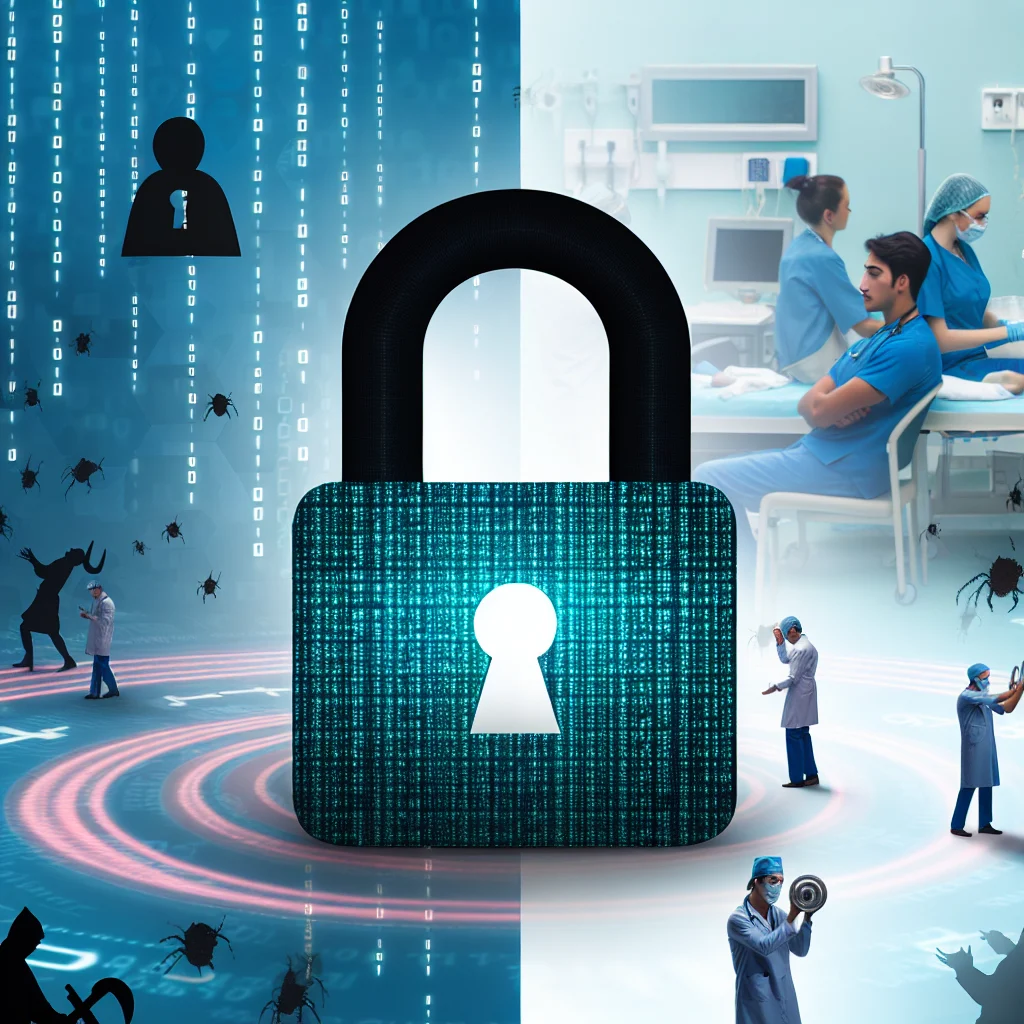
In today’s digital age, healthcare practices are increasingly reliant on technology to manage patient data, streamline operations, and enhance the quality of care. However, this reliance also makes them prime targets for cybercriminals, particularly those deploying ransomware attacks. Ransomware is a type of malicious software that encrypts a victim’s files, rendering them inaccessible until a ransom is paid. For healthcare providers, the stakes are particularly high, as these attacks can disrupt critical services and compromise sensitive patient information. Therefore, implementing essential strategies to protect patient data from ransomware attacks is paramount.
To begin with, one of the most effective ways to safeguard against ransomware is to ensure that all software and systems are up to date. Cybercriminals often exploit vulnerabilities in outdated software to gain access to networks. By regularly updating operating systems, applications, and security software, healthcare practices can close these security gaps and reduce the risk of an attack. Additionally, employing robust antivirus and anti-malware solutions can help detect and neutralize threats before they cause harm.
Another critical strategy is to implement comprehensive data backup procedures. Regularly backing up patient data ensures that, in the event of a ransomware attack, healthcare providers can restore their systems without succumbing to the demands of cybercriminals. It is advisable to follow the 3-2-1 backup rule: maintain three copies of data, store them on two different media, and keep one copy offsite. This approach not only provides redundancy but also ensures that data is protected from both physical and cyber threats.
Furthermore, educating staff about cybersecurity best practices is essential in preventing ransomware attacks. Human error is often a significant factor in successful cyberattacks, as employees may inadvertently click on malicious links or download infected attachments. Conducting regular training sessions can raise awareness about the latest phishing tactics and teach staff how to recognize and report suspicious activities. By fostering a culture of cybersecurity awareness, healthcare practices can significantly reduce the likelihood of an attack.
In addition to staff education, implementing strict access controls is crucial. Limiting access to sensitive data based on an employee’s role minimizes the risk of unauthorized access. Employing multi-factor authentication (MFA) adds an extra layer of security by requiring users to verify their identity through multiple means before accessing critical systems. This approach ensures that even if a cybercriminal obtains login credentials, they would still be unable to breach the system without the additional authentication factor.
Moreover, conducting regular security assessments and penetration testing can help identify vulnerabilities within a healthcare practice’s network. By simulating cyberattacks, organizations can evaluate the effectiveness of their security measures and make necessary improvements. These proactive measures enable healthcare providers to stay one step ahead of cybercriminals and protect patient data more effectively.
Finally, developing a comprehensive incident response plan is vital for minimizing the impact of a ransomware attack. This plan should outline the steps to be taken in the event of an attack, including communication protocols, data recovery procedures, and legal considerations. By having a well-defined response strategy, healthcare practices can quickly contain the threat, mitigate damage, and resume normal operations with minimal disruption.
In conclusion, protecting patient data from ransomware attacks requires a multifaceted approach that combines technology, education, and proactive planning. By staying vigilant and implementing these essential strategies, healthcare practices can safeguard their systems, maintain patient trust, and continue to provide high-quality care in an increasingly digital world.
Effective Healthcare Ransomware Solutions For Enhanced Security
In the ever-evolving landscape of cybersecurity threats, healthcare practices have become prime targets for ransomware attacks. These malicious incursions not only jeopardize sensitive patient data but also disrupt critical healthcare services, potentially endangering lives. Therefore, it is imperative for healthcare providers to implement effective solutions to safeguard their practices against such threats. By adopting a multi-layered approach to security, healthcare organizations can significantly enhance their resilience against ransomware attacks.
To begin with, one of the most crucial steps in fortifying a healthcare practice against ransomware is to ensure robust data backup and recovery systems. Regularly backing up data and storing it in secure, offsite locations can mitigate the impact of an attack. In the event that ransomware encrypts the primary data, having a reliable backup allows healthcare providers to restore their systems without succumbing to the demands of cybercriminals. Moreover, it is essential to test these backup systems periodically to ensure their effectiveness and reliability.
In addition to data backups, implementing comprehensive cybersecurity training for all staff members is vital. Human error remains a significant vulnerability in cybersecurity defenses, and educating employees about the risks and signs of phishing attacks can reduce the likelihood of ransomware infiltrating the system. Training should cover recognizing suspicious emails, avoiding clicking on unknown links, and reporting potential threats promptly. By fostering a culture of cybersecurity awareness, healthcare practices can empower their staff to act as the first line of defense against ransomware.
Furthermore, deploying advanced security technologies can provide an additional layer of protection. Endpoint protection solutions, such as antivirus software and firewalls, are essential in detecting and blocking malicious activities before they can cause harm. Additionally, employing intrusion detection and prevention systems can help identify and neutralize threats in real-time. These technologies, when integrated into a cohesive security strategy, can significantly reduce the risk of ransomware attacks.
Another critical aspect of enhancing security is ensuring that all software and systems are up-to-date. Cybercriminals often exploit vulnerabilities in outdated software to gain unauthorized access to networks. Therefore, healthcare practices must establish a routine for applying patches and updates to all systems, including operating systems, applications, and medical devices. By maintaining up-to-date software, healthcare providers can close potential entry points for ransomware.
Moreover, access control measures play a pivotal role in protecting sensitive data. Implementing strict access controls ensures that only authorized personnel have access to critical systems and information. This can be achieved through multi-factor authentication, which requires users to provide multiple forms of verification before gaining access. By limiting access to essential data, healthcare practices can minimize the risk of unauthorized access and potential data breaches.
Finally, developing a comprehensive incident response plan is essential for mitigating the impact of a ransomware attack. This plan should outline the steps to be taken in the event of an attack, including isolating affected systems, notifying relevant authorities, and communicating with patients and stakeholders. A well-prepared response plan can help healthcare practices respond swiftly and effectively, minimizing downtime and preserving patient trust.
In conclusion, protecting a healthcare practice from ransomware attacks requires a proactive and multi-faceted approach. By implementing robust data backup systems, educating staff, deploying advanced security technologies, maintaining up-to-date software, enforcing strict access controls, and developing a comprehensive incident response plan, healthcare providers can enhance their security posture and safeguard their operations against the growing threat of ransomware.
Best Practices In IT Security For Healthcare To Combat Ransomware
In the ever-evolving landscape of cybersecurity threats, ransomware attacks have emerged as a significant concern for healthcare practices. These malicious attacks not only jeopardize sensitive patient data but also disrupt essential healthcare services, potentially putting lives at risk. Therefore, it is imperative for healthcare providers to adopt robust IT security measures to safeguard their practices against such threats. Implementing best practices in IT security can significantly reduce the risk of ransomware attacks and ensure the continuity of healthcare services.
To begin with, one of the most effective strategies in combating ransomware is to maintain regular data backups. By ensuring that all critical data is backed up frequently and stored securely, healthcare practices can mitigate the impact of a ransomware attack. In the event that data is encrypted by malicious actors, having a recent backup allows for the restoration of information without succumbing to ransom demands. It is crucial that these backups are stored offline or in a secure cloud environment to prevent them from being compromised during an attack.
In addition to data backups, healthcare practices should prioritize the implementation of comprehensive cybersecurity training programs for all staff members. Human error remains a leading cause of security breaches, and educating employees about the risks and signs of ransomware can significantly reduce the likelihood of an attack. Training should cover topics such as recognizing phishing emails, safe internet browsing practices, and the importance of using strong, unique passwords. By fostering a culture of cybersecurity awareness, healthcare organizations can empower their staff to act as the first line of defense against ransomware threats.
Moreover, keeping all software and systems up to date is a critical component of IT security. Cybercriminals often exploit vulnerabilities in outdated software to gain unauthorized access to systems. Therefore, healthcare practices must ensure that all software, including operating systems and applications, are regularly updated with the latest security patches. Automated update systems can be employed to streamline this process and minimize the risk of human oversight.
Furthermore, implementing advanced security technologies can provide an additional layer of protection against ransomware attacks. Firewalls, intrusion detection systems, and antivirus software are essential tools in identifying and blocking malicious activities. Additionally, employing encryption for sensitive data can prevent unauthorized access, even if data is intercepted during transmission. Multi-factor authentication (MFA) is another effective measure, requiring users to provide multiple forms of verification before accessing systems, thereby reducing the risk of unauthorized access.
Network segmentation is another strategy that can enhance the security posture of healthcare practices. By dividing the network into smaller, isolated segments, organizations can limit the spread of ransomware should an attack occur. This approach ensures that even if one segment is compromised, the rest of the network remains secure, thereby minimizing potential damage.
Finally, developing and regularly updating an incident response plan is crucial for healthcare practices. This plan should outline the steps to be taken in the event of a ransomware attack, including communication protocols, roles and responsibilities, and recovery procedures. Conducting regular drills and simulations can help ensure that all staff members are familiar with the plan and can respond effectively in a real-world scenario.
In conclusion, protecting a healthcare practice from ransomware attacks requires a multifaceted approach that combines technology, education, and strategic planning. By implementing these best practices in IT security, healthcare organizations can significantly reduce their vulnerability to ransomware and ensure the safety and privacy of their patients’ data. As cyber threats continue to evolve, staying vigilant and proactive in cybersecurity efforts is essential for maintaining the integrity and trust of healthcare services.
Protect your healthcare practice from ransomware attacks today! Learn essential strategies and safeguard your sensitive data by visiting Comptss now.