Enhancing Practice Security: The Role of Dental Software in Safeguarding Patient Data
In the rapidly evolving landscape of dental technology, safeguarding patient data has become a paramount concern for dental practices. As the healthcare industry increasingly relies on digital solutions, the role of dental software in enhancing practice security cannot be overstated. With the integration of advanced technologies, dental practices are now better equipped to protect sensitive patient information from potential breaches and unauthorized access. This shift towards digitalization, while offering numerous benefits, also necessitates a robust approach to data security.
To begin with, dental software systems are designed with built-in security features that help in protecting patient data. These systems often include encryption protocols that ensure data is securely transmitted and stored. Encryption acts as a barrier, making it difficult for unauthorized individuals to access sensitive information. By converting data into a coded format, encryption ensures that even if data is intercepted, it remains unreadable without the appropriate decryption key. This is particularly crucial in a dental practice setting, where patient records contain not only personal identification details but also sensitive health information.
Moreover, dental software facilitates the implementation of access controls, which are essential in maintaining data security. Access controls allow practices to define who can view or modify patient data, thereby minimizing the risk of internal data breaches. By assigning specific roles and permissions, dental practices can ensure that only authorized personnel have access to certain types of information. This not only helps in protecting patient data but also in maintaining a clear audit trail, which is vital for compliance with regulations such as the Health Insurance Portability and Accountability Act (HIPAA).
In addition to encryption and access controls, dental software often includes features for regular data backups. Regular backups are a critical component of any data security strategy, as they provide a safety net in the event of data loss due to hardware failure, cyberattacks, or other unforeseen circumstances. By ensuring that data is consistently backed up and stored securely, dental practices can quickly recover and restore patient information, minimizing downtime and maintaining continuity of care.
Furthermore, the integration of dental software with cloud-based solutions offers additional layers of security. Cloud-based platforms often come with advanced security measures, including multi-factor authentication and continuous monitoring for suspicious activities. These features provide an added level of protection, ensuring that patient data is not only stored securely but also monitored for potential threats. The scalability of cloud solutions also allows dental practices to adapt their security measures as their needs evolve, providing a flexible and dynamic approach to data protection.
As dental practices continue to embrace digital transformation, the importance of training and awareness cannot be overlooked. Dental software, while equipped with numerous security features, requires knowledgeable users to effectively implement and manage these tools. Regular training sessions for staff on the latest security protocols and best practices are essential in fostering a culture of security within the practice. By staying informed about potential threats and the latest advancements in dental technology, practices can proactively address vulnerabilities and enhance their overall security posture.
In conclusion, the role of dental software in safeguarding patient data is multifaceted, encompassing encryption, access controls, data backups, and cloud integration. As dental practices navigate the complexities of digitalization, leveraging these technological advancements is crucial in ensuring the security and confidentiality of patient information. By adopting a comprehensive approach to data protection, dental practices can not only comply with regulatory requirements but also build trust with their patients, ultimately enhancing the quality of care they provide.
The Future of Digital Dentistry: How Dental Technology is Transforming Patient Care
The future of digital dentistry is rapidly evolving, driven by technological advancements that are transforming patient care in unprecedented ways. As dental technology continues to advance, it is reshaping the landscape of dental practices, enhancing the precision, efficiency, and overall quality of care provided to patients. This transformation is not only improving clinical outcomes but also elevating the patient experience, making dental visits more comfortable and less time-consuming.
One of the most significant advancements in dental technology is the integration of digital imaging systems. These systems, including digital X-rays and 3D imaging, provide dentists with highly detailed images of a patient’s oral structures. Unlike traditional X-rays, digital imaging reduces radiation exposure and offers immediate results, allowing for quicker diagnosis and treatment planning. The precision of 3D imaging, in particular, enables dentists to visualize complex structures in the mouth, facilitating more accurate assessments and interventions.
In addition to imaging, computer-aided design and computer-aided manufacturing (CAD/CAM) technology is revolutionizing restorative dentistry. This technology allows for the creation of precise dental restorations, such as crowns, bridges, and veneers, in a fraction of the time it once took. By utilizing CAD/CAM systems, dental professionals can design and fabricate restorations in-office, often completing the entire process in a single visit. This not only enhances the efficiency of dental practices but also significantly reduces the inconvenience for patients, who no longer need to schedule multiple appointments.
Furthermore, the advent of teledentistry is expanding access to dental care, particularly for individuals in remote or underserved areas. Through virtual consultations, patients can receive professional advice and preliminary diagnoses without the need to travel to a dental office. This is particularly beneficial for routine check-ups and follow-up appointments, where in-person visits may not be necessary. Teledentistry also facilitates collaboration among dental professionals, allowing for the sharing of expertise and second opinions, which can lead to more comprehensive care.
Another area where dental technology is making strides is in the field of orthodontics. The development of clear aligners, such as Invisalign, has transformed the way orthodontic treatment is delivered. These aligners are not only more aesthetically pleasing than traditional braces but also offer greater comfort and convenience. The use of digital scanning and 3D printing in the production of aligners ensures a precise fit, leading to more effective treatment outcomes. Moreover, patients can often see a digital simulation of their treatment progress, providing motivation and a clearer understanding of the process.
As dental technology continues to advance, it is also fostering a more patient-centered approach to care. Innovations such as intraoral cameras and patient education software empower patients by providing them with a better understanding of their oral health. By visualizing their dental conditions and potential treatment options, patients can make more informed decisions about their care. This transparency and engagement are crucial in building trust and fostering a collaborative relationship between patients and dental professionals.
In conclusion, the future of digital dentistry is bright, with technology playing a pivotal role in transforming patient care. From enhanced diagnostic tools and efficient restorative processes to expanded access through teledentistry and innovative orthodontic solutions, dental technology is reshaping the way care is delivered. As these advancements continue to evolve, they promise to further improve clinical outcomes, streamline dental practices, and enhance the overall patient experience, ultimately leading to a new era of dental care.
Navigating Dental Compliance: Essential IT Upgrades for Modern Practices

In the rapidly evolving landscape of dental technology, staying compliant with regulatory standards is paramount for modern dental practices. As the integration of advanced IT systems becomes increasingly prevalent, understanding the essential upgrades necessary for maintaining compliance is crucial. This not only ensures the protection of patient data but also enhances the overall efficiency and effectiveness of dental operations. Consequently, dental practices must navigate the complexities of compliance with a strategic approach to IT upgrades.
To begin with, one of the most significant aspects of dental compliance is adhering to the Health Insurance Portability and Accountability Act (HIPAA). This legislation mandates the safeguarding of patient information, necessitating robust IT systems that can securely manage and store sensitive data. Therefore, dental practices must invest in advanced encryption technologies and secure cloud storage solutions. These upgrades not only protect patient data from unauthorized access but also facilitate seamless data retrieval and sharing among authorized personnel, thereby improving operational efficiency.
Moreover, the implementation of electronic health records (EHR) systems is another critical upgrade for compliance. EHR systems streamline the management of patient information, ensuring that records are accurate, up-to-date, and easily accessible. This transition from paper-based records to digital systems not only enhances data accuracy but also supports compliance with regulatory requirements by providing audit trails and access logs. As a result, dental practices can demonstrate accountability and transparency in their data management processes.
In addition to EHR systems, dental practices must also consider upgrading their network infrastructure to support the increasing demands of digital operations. A robust network infrastructure is essential for ensuring reliable connectivity and data transfer, which are critical for maintaining compliance. By investing in high-speed internet connections and secure network configurations, dental practices can minimize the risk of data breaches and ensure that their IT systems operate efficiently.
Furthermore, as cyber threats continue to evolve, implementing comprehensive cybersecurity measures is imperative for compliance. Dental practices must adopt advanced security protocols, such as firewalls, intrusion detection systems, and regular security audits, to protect against potential threats. Additionally, staff training on cybersecurity best practices is essential to ensure that all team members are aware of the risks and know how to mitigate them. This proactive approach to cybersecurity not only safeguards patient data but also reinforces the practice’s commitment to compliance.
Another important consideration for dental practices is the integration of practice management software. This software streamlines various administrative tasks, such as appointment scheduling, billing, and patient communication, thereby enhancing operational efficiency. By automating these processes, dental practices can reduce the likelihood of human error and ensure compliance with billing and coding regulations. Moreover, practice management software often includes features that facilitate compliance with industry standards, such as automated reminders for routine maintenance and updates.
In conclusion, navigating dental compliance in the modern era requires a strategic approach to IT upgrades. By investing in advanced encryption technologies, EHR systems, robust network infrastructure, comprehensive cybersecurity measures, and practice management software, dental practices can ensure compliance with regulatory standards while enhancing operational efficiency. As the dental industry continues to embrace technological advancements, staying informed about the latest IT solutions and their implications for compliance will be essential for the success of modern dental practices. Through these efforts, dental practices can not only protect patient data but also position themselves as leaders in the field of dental technology.
Cloud Integration in Dental Practices: Streamlining Operations with Advanced Technology
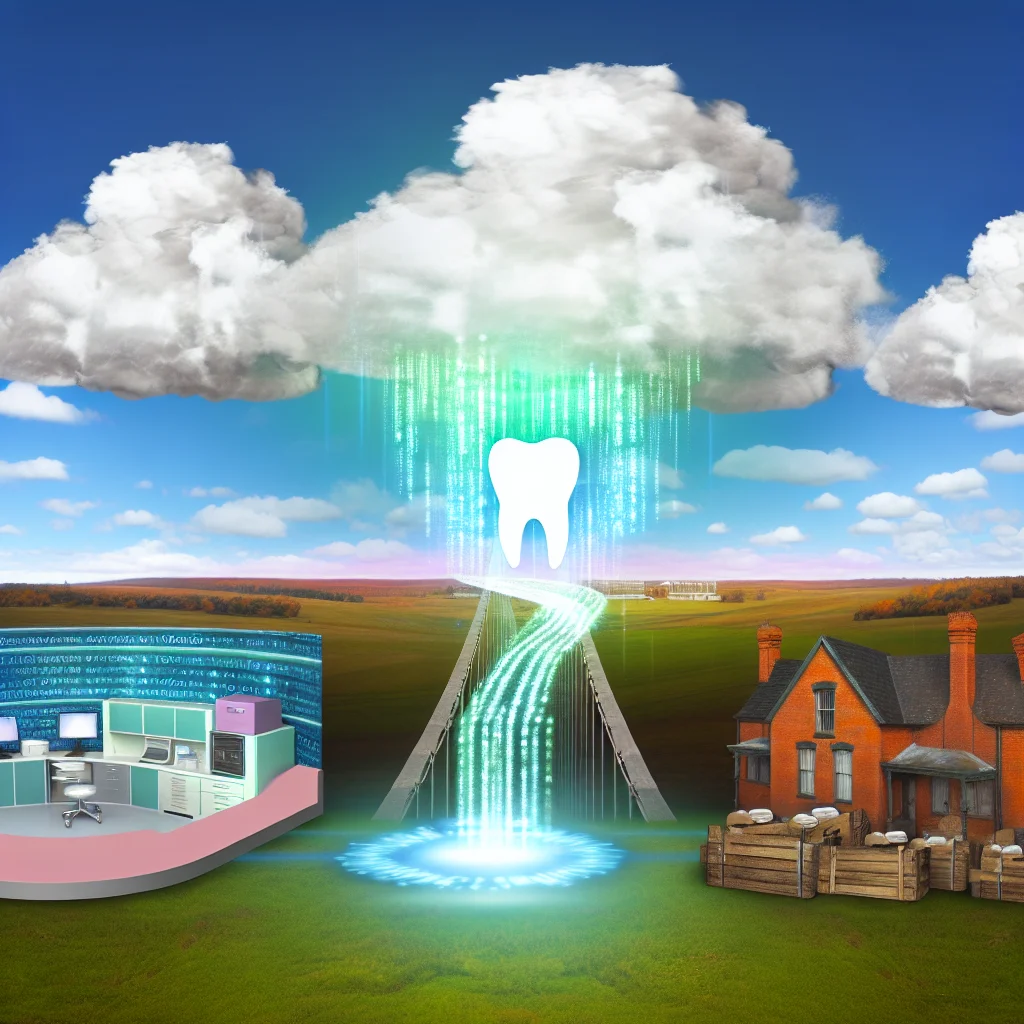
In the rapidly evolving landscape of dental technology, cloud integration has emerged as a pivotal advancement, offering dental practices a streamlined approach to managing operations. As dental practices increasingly seek efficiency and enhanced patient care, the adoption of cloud-based solutions has become a cornerstone of modern dental operations. This shift towards cloud integration is not merely a trend but a strategic move that aligns with the broader digital transformation in healthcare.
Cloud integration in dental practices facilitates seamless data management, allowing for the secure storage and easy retrieval of patient records. This capability is particularly beneficial in an era where data security and patient privacy are paramount. By leveraging cloud technology, dental practices can ensure that sensitive patient information is protected through advanced encryption methods, thereby reducing the risk of data breaches. Moreover, cloud-based systems offer the advantage of automatic updates, ensuring that dental practices are always equipped with the latest software enhancements without the need for manual intervention.
In addition to bolstering data security, cloud integration enhances collaboration among dental professionals. With cloud-based platforms, dental practitioners can access patient records and treatment plans from any location, provided they have internet connectivity. This accessibility fosters a collaborative environment where dental professionals can consult with colleagues, share insights, and make informed decisions in real-time. Consequently, this leads to improved patient outcomes as dental teams can work cohesively, regardless of geographical constraints.
Furthermore, cloud integration streamlines administrative tasks, thereby allowing dental staff to focus more on patient care. Traditional paper-based systems are often cumbersome and time-consuming, leading to inefficiencies in scheduling, billing, and record-keeping. In contrast, cloud-based solutions automate these processes, reducing the administrative burden on dental staff. For instance, appointment scheduling can be managed more effectively through cloud platforms that offer real-time updates and reminders, minimizing the likelihood of missed appointments and optimizing the practice’s workflow.
Another significant advantage of cloud integration is its scalability. As dental practices grow, their operational needs evolve, necessitating systems that can adapt to increased demands. Cloud-based solutions offer the flexibility to scale resources up or down based on the practice’s requirements, ensuring that the technology infrastructure remains aligned with the practice’s growth trajectory. This scalability is particularly advantageous for practices looking to expand their services or open new locations, as it eliminates the need for substantial upfront investments in IT infrastructure.
Moreover, cloud integration supports the implementation of advanced technologies such as artificial intelligence (AI) and machine learning (ML) in dental practices. These technologies can analyze vast amounts of data to provide insights into patient care, treatment outcomes, and operational efficiencies. By integrating AI and ML with cloud-based systems, dental practices can harness predictive analytics to anticipate patient needs, personalize treatment plans, and enhance overall service delivery.
In conclusion, cloud integration represents a transformative shift in dental practices, offering a multitude of benefits that streamline operations and enhance patient care. By adopting cloud-based solutions, dental practices can ensure data security, improve collaboration, reduce administrative burdens, and scale their operations effectively. As the dental industry continues to embrace digital transformation, cloud integration will undoubtedly play a crucial role in shaping the future of dental care, enabling practices to deliver superior services in an increasingly competitive landscape.
The Impact of Dental Technology on Practice Efficiency and Patient Satisfaction
The integration of advanced technology into dental practices has significantly transformed the landscape of dental care, enhancing both practice efficiency and patient satisfaction. As dental technology continues to evolve, it offers a myriad of tools and systems that streamline operations, improve diagnostic accuracy, and elevate the overall patient experience. This transformation is not merely a trend but a fundamental shift in how dental services are delivered and perceived.
One of the most notable advancements in dental technology is the adoption of digital imaging systems. Traditional X-rays, while effective, often required time-consuming processes and exposed patients to higher levels of radiation. In contrast, digital radiography provides immediate results with significantly reduced radiation exposure. This not only speeds up the diagnostic process but also allows for more precise treatment planning. Consequently, patients benefit from quicker appointments and more accurate diagnoses, which enhances their overall satisfaction with the care they receive.
Moreover, the implementation of computer-aided design and computer-aided manufacturing (CAD/CAM) systems has revolutionized restorative dentistry. These systems enable the creation of highly accurate dental restorations, such as crowns and bridges, in a fraction of the time required by traditional methods. By reducing the need for multiple appointments and temporary restorations, CAD/CAM technology not only increases practice efficiency but also improves patient convenience and comfort. Patients appreciate the reduced wait times and the ability to complete treatments in a single visit, which contributes to a more positive perception of the dental practice.
In addition to these technological advancements, the use of electronic health records (EHRs) has become increasingly prevalent in dental practices. EHRs facilitate seamless communication between dental professionals and other healthcare providers, ensuring that patient information is easily accessible and up-to-date. This integration enhances the coordination of care, leading to more comprehensive treatment plans and improved patient outcomes. Furthermore, EHRs streamline administrative tasks, such as appointment scheduling and billing, allowing dental staff to focus more on patient care rather than paperwork.
The rise of teledentistry is another significant development that has impacted practice efficiency and patient satisfaction. By leveraging digital communication tools, dental professionals can conduct virtual consultations, follow-ups, and even some diagnostic assessments remotely. This not only expands access to dental care, particularly for patients in remote or underserved areas, but also offers greater flexibility for both patients and practitioners. The convenience of teledentistry is highly valued by patients, who can receive expert advice without the need to travel, thus enhancing their overall satisfaction with the dental practice.
Furthermore, the incorporation of artificial intelligence (AI) in dental technology is beginning to show promising results. AI algorithms can assist in diagnosing conditions by analyzing dental images with remarkable accuracy, often identifying issues that may be overlooked by the human eye. This capability not only supports dentists in making more informed decisions but also instills greater confidence in patients regarding their treatment plans.
In conclusion, the impact of dental technology on practice efficiency and patient satisfaction is profound and multifaceted. By embracing these technological advancements, dental practices can offer more efficient, accurate, and patient-centered care. As technology continues to advance, it is likely that its role in dentistry will only grow, further enhancing the quality of care and the patient experience. The ongoing integration of these innovations underscores the importance of staying abreast of technological developments to maintain a competitive edge and meet the evolving needs of patients.
Unlock the future of your dental practice with cutting-edge Dental IT Insights! Discover the top 14 dental technologies revolutionizing patient care and practice management. Explore now and stay ahead in the dental industry!