EHR Evolution: Transforming Healthcare Systems Through Tech Integration
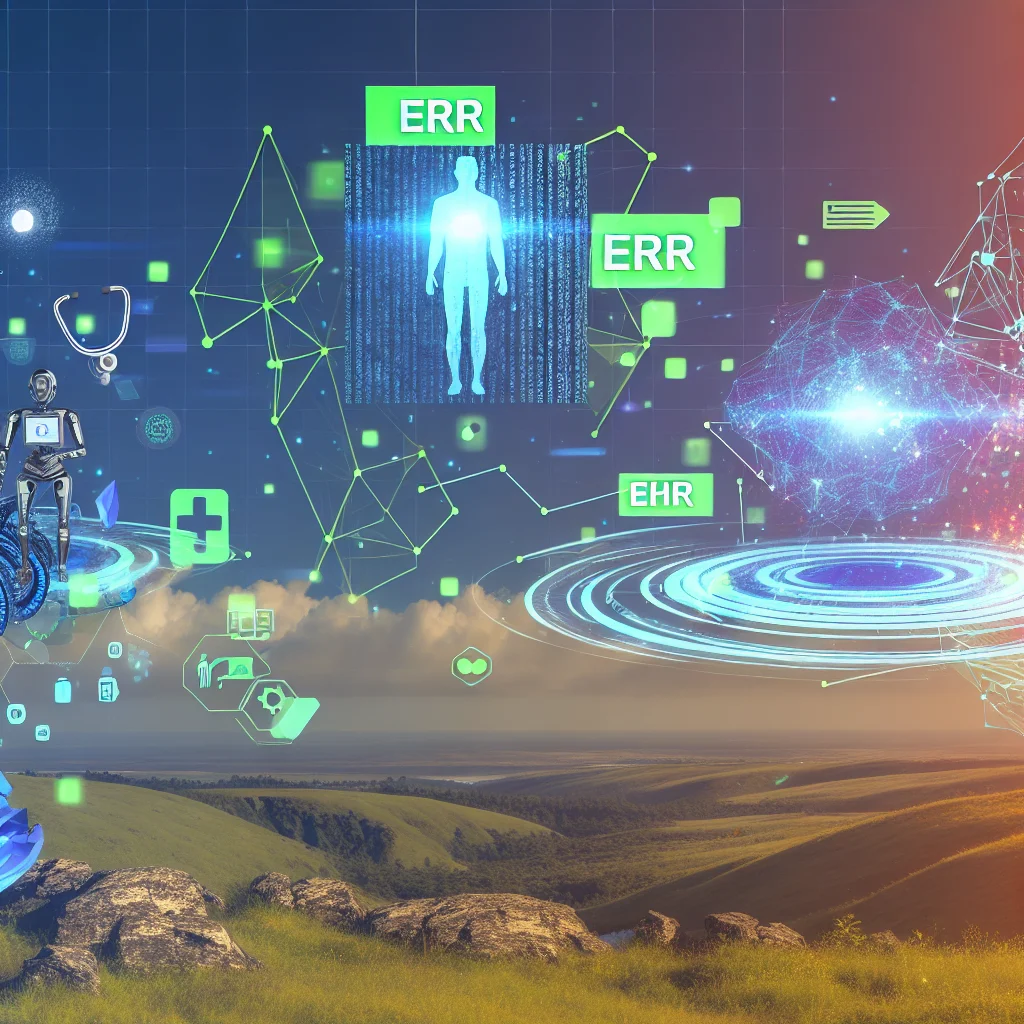
The evolution of Electronic Health Records (EHR) has been a transformative force in the healthcare industry, reshaping how medical information is stored, accessed, and utilized. As healthcare systems increasingly integrate technology, the role of EHRs has expanded beyond mere digital repositories of patient data. They have become pivotal in enhancing patient care, streamlining operations, and facilitating communication among healthcare providers. This transformation is driven by the need for more efficient healthcare delivery and the growing demand for personalized patient care.
Initially, EHRs were designed to replace paper records, offering a more organized and accessible way to manage patient information. However, as technology advanced, so did the capabilities of EHR systems. They now offer a comprehensive platform that supports a wide range of functionalities, including clinical decision support, patient engagement tools, and interoperability with other healthcare technologies. This integration is crucial as it allows for seamless data exchange across different healthcare settings, ensuring that healthcare providers have access to complete and up-to-date patient information.
Moreover, the integration of EHRs with other healthcare technologies, such as telemedicine and mobile health applications, has further enhanced their utility. For instance, during the COVID-19 pandemic, the ability to access patient records remotely became essential. EHRs facilitated this by enabling healthcare providers to conduct virtual consultations with access to the same level of detailed patient information as they would have in a traditional in-person setting. This capability not only ensured continuity of care but also highlighted the importance of EHRs in supporting telehealth initiatives.
In addition to improving access to patient information, EHRs have also played a significant role in enhancing patient safety. By providing clinical decision support tools, EHRs help healthcare providers make informed decisions based on the latest evidence-based guidelines. These tools can alert providers to potential medication interactions, allergies, and other critical information that might otherwise be overlooked. Consequently, this reduces the likelihood of medical errors and improves overall patient outcomes.
Furthermore, the integration of EHRs with data analytics tools has opened new avenues for population health management. By analyzing aggregated data from EHRs, healthcare organizations can identify trends and patterns that inform public health strategies and interventions. This capability is particularly valuable in managing chronic diseases and addressing health disparities within communities. By leveraging data insights, healthcare providers can develop targeted interventions that improve health outcomes for specific patient populations.
Despite these advancements, the integration of EHRs into healthcare systems is not without challenges. Issues such as data privacy, interoperability, and user-friendliness continue to pose significant hurdles. Ensuring that EHR systems comply with stringent data protection regulations is paramount to maintaining patient trust. Additionally, achieving true interoperability requires collaboration among various stakeholders, including healthcare providers, technology vendors, and policymakers. Finally, the usability of EHR systems is critical to their success; systems that are cumbersome or difficult to navigate can hinder rather than help healthcare providers.
In conclusion, the evolution of EHRs has been instrumental in transforming healthcare systems through technology integration. By enhancing access to patient information, improving patient safety, and enabling data-driven decision-making, EHRs have become an indispensable component of modern healthcare. As the industry continues to evolve, addressing the challenges associated with EHR integration will be essential to fully realizing their potential in improving healthcare delivery and patient outcomes.
Enhancing Clinical Support: The Role of Medical Data in Modern Healthcare Systems
In the rapidly evolving landscape of modern healthcare systems, the integration of medical data has become a cornerstone for enhancing clinical support. As healthcare providers strive to deliver more efficient and effective patient care, the role of medical data has expanded significantly, offering unprecedented opportunities for improvement. This transformation is largely driven by advancements in healthcare information technology, which have enabled the collection, analysis, and application of vast amounts of data. Consequently, healthcare systems are now better equipped to support clinical decision-making, optimize patient outcomes, and streamline operations.
One of the primary ways medical data enhances clinical support is through the facilitation of evidence-based practice. By leveraging comprehensive datasets, healthcare professionals can access a wealth of information that informs their clinical decisions. This data-driven approach allows for more accurate diagnoses, personalized treatment plans, and improved patient monitoring. For instance, electronic health records (EHRs) provide a centralized repository of patient information, enabling clinicians to quickly access medical histories, lab results, and treatment plans. This accessibility not only reduces the likelihood of errors but also ensures that care is consistent and aligned with the latest medical guidelines.
Moreover, the integration of medical data into healthcare systems has paved the way for predictive analytics, a powerful tool that enhances clinical support by anticipating patient needs. By analyzing patterns and trends within large datasets, predictive analytics can identify patients at risk of developing certain conditions, allowing for early intervention and preventive care. This proactive approach not only improves patient outcomes but also reduces the burden on healthcare systems by minimizing the need for more intensive treatments down the line. For example, predictive models can forecast the likelihood of hospital readmissions, enabling healthcare providers to implement targeted strategies to prevent them.
In addition to improving patient care, medical data plays a crucial role in optimizing healthcare operations. By analyzing data related to resource utilization, patient flow, and treatment efficacy, healthcare systems can identify areas for improvement and implement changes that enhance efficiency. This data-driven approach to operational management ensures that resources are allocated effectively, reducing waste and improving the overall quality of care. Furthermore, the use of data analytics in healthcare administration supports strategic planning and decision-making, enabling organizations to adapt to changing demands and emerging challenges.
The integration of medical data into healthcare systems also facilitates collaboration and communication among healthcare providers. By sharing data across different platforms and institutions, healthcare professionals can work together more effectively, ensuring that patients receive coordinated and comprehensive care. This collaborative approach is particularly important in managing chronic conditions, where patients often require input from multiple specialists. Through the seamless exchange of information, healthcare teams can develop cohesive treatment plans that address all aspects of a patient’s health.
Despite the numerous benefits of integrating medical data into healthcare systems, challenges remain. Issues related to data privacy, security, and interoperability must be addressed to ensure that the use of medical data is both ethical and effective. As healthcare systems continue to evolve, it is essential to establish robust frameworks that protect patient information while enabling the full potential of data-driven clinical support.
In conclusion, the role of medical data in modern healthcare systems is indispensable for enhancing clinical support. By facilitating evidence-based practice, enabling predictive analytics, optimizing operations, and fostering collaboration, medical data is transforming the way healthcare is delivered. As technology continues to advance, the integration of medical data will undoubtedly play an even more significant role in shaping the future of healthcare, ultimately leading to better patient outcomes and more efficient healthcare systems.
Navigating HIPAA Compliance: Best Practices for Healthcare IT Systems

Navigating the complex landscape of HIPAA compliance is a critical task for healthcare IT systems, as it ensures the protection of patient information and upholds the integrity of healthcare services. The Health Insurance Portability and Accountability Act (HIPAA) sets the standard for safeguarding sensitive patient data, and compliance is not merely a legal obligation but a fundamental component of patient trust and safety. As healthcare organizations increasingly rely on digital systems to manage patient information, understanding and implementing best practices for HIPAA compliance becomes paramount.
To begin with, one of the foundational steps in achieving HIPAA compliance is conducting a comprehensive risk assessment. This process involves identifying potential vulnerabilities within the IT infrastructure that could jeopardize patient data. By systematically evaluating these risks, healthcare organizations can develop targeted strategies to mitigate them. This proactive approach not only helps in maintaining compliance but also enhances the overall security posture of the organization.
In addition to risk assessments, implementing robust access controls is essential. Access to patient information should be restricted to authorized personnel only, and this can be achieved through the use of strong authentication mechanisms. Multi-factor authentication, for instance, adds an extra layer of security by requiring users to provide multiple forms of verification before accessing sensitive data. This practice significantly reduces the likelihood of unauthorized access and data breaches.
Moreover, encryption plays a vital role in protecting patient information. By encrypting data both at rest and in transit, healthcare organizations can ensure that even if data is intercepted or accessed without authorization, it remains unreadable and secure. Encryption is a critical component of HIPAA compliance, as it provides a safeguard against data breaches and unauthorized disclosures.
Another important aspect of HIPAA compliance is the regular training and education of staff members. Employees should be well-versed in the principles of data privacy and security, as human error is often a significant factor in data breaches. Regular training sessions can help reinforce the importance of compliance and keep staff updated on the latest security practices and regulatory changes. By fostering a culture of security awareness, healthcare organizations can minimize the risk of accidental data breaches and ensure that all personnel understand their role in maintaining compliance.
Furthermore, healthcare IT systems must have robust incident response plans in place. Despite best efforts, data breaches can still occur, and having a well-defined response plan is crucial for minimizing damage and ensuring a swift recovery. An effective incident response plan should outline the steps to be taken in the event of a breach, including notification procedures, containment strategies, and post-incident analysis. By preparing for potential breaches, healthcare organizations can respond more effectively and maintain compliance with HIPAA’s breach notification requirements.
Finally, regular audits and monitoring are indispensable for maintaining HIPAA compliance. Continuous monitoring of IT systems allows for the early detection of anomalies and potential security threats. Regular audits, on the other hand, provide an opportunity to review compliance efforts and identify areas for improvement. By consistently evaluating and refining their security measures, healthcare organizations can ensure ongoing compliance and adapt to the evolving regulatory landscape.
In conclusion, navigating HIPAA compliance requires a multifaceted approach that encompasses risk assessments, access controls, encryption, staff training, incident response planning, and regular audits. By implementing these best practices, healthcare IT systems can effectively protect patient information, maintain regulatory compliance, and uphold the trust of patients and stakeholders alike. As the healthcare industry continues to evolve, staying informed and proactive in compliance efforts will remain a critical priority for all healthcare organizations.
Health IT Trends: Innovations Shaping the Future of Healthcare Systems
In recent years, the healthcare industry has witnessed a transformative shift driven by the integration of information technology, fundamentally altering the landscape of healthcare systems. This evolution is not merely a trend but a necessary adaptation to the growing demands for efficiency, accuracy, and patient-centered care. As healthcare systems continue to evolve, several key innovations in health IT are shaping their future, promising to enhance the quality of care while optimizing operational efficiencies.
One of the most significant advancements in healthcare IT is the widespread adoption of electronic health records (EHRs). EHRs have revolutionized the way patient information is stored, accessed, and shared among healthcare providers. By digitizing patient records, EHRs facilitate seamless communication and coordination across different healthcare settings, thereby reducing the risk of errors and improving patient outcomes. Moreover, EHRs enable healthcare providers to access comprehensive patient histories, which is crucial for making informed clinical decisions. As a result, the integration of EHRs into healthcare systems has become a cornerstone of modern medical practice.
In addition to EHRs, telemedicine has emerged as a pivotal innovation, particularly in the wake of the COVID-19 pandemic. Telemedicine leverages digital communication technologies to provide remote clinical services, thereby expanding access to healthcare, especially for individuals in rural or underserved areas. This innovation not only enhances patient convenience but also reduces the burden on healthcare facilities by minimizing in-person visits. Furthermore, telemedicine has proven to be a valuable tool for managing chronic conditions, offering patients continuous monitoring and support without the need for frequent hospital visits. As telemedicine continues to gain traction, it is poised to become an integral component of healthcare delivery systems worldwide.
Another noteworthy trend in healthcare IT is the rise of artificial intelligence (AI) and machine learning. These technologies are being harnessed to analyze vast amounts of healthcare data, uncovering patterns and insights that were previously inaccessible. AI-driven tools are now being used to assist in diagnostics, predict patient outcomes, and personalize treatment plans. For instance, AI algorithms can analyze medical images with remarkable accuracy, aiding radiologists in detecting anomalies that might be missed by the human eye. Additionally, machine learning models can predict disease progression, enabling proactive interventions that can significantly improve patient prognoses. As AI continues to evolve, its potential to revolutionize healthcare systems is immense.
Moreover, the Internet of Medical Things (IoMT) is another innovation that is reshaping healthcare systems. IoMT refers to the interconnected network of medical devices and applications that collect and transmit health data in real-time. This technology allows for continuous monitoring of patients’ vital signs, enabling healthcare providers to respond swiftly to any changes in a patient’s condition. The real-time data generated by IoMT devices can also be integrated into EHRs, providing a comprehensive view of a patient’s health status. Consequently, IoMT is enhancing the ability of healthcare systems to deliver timely and personalized care.
In conclusion, the integration of information technology into healthcare systems is driving a paradigm shift that is redefining the delivery of care. From electronic health records and telemedicine to artificial intelligence and the Internet of Medical Things, these innovations are not only improving the efficiency and accuracy of healthcare services but also enhancing patient experiences. As these technologies continue to advance, they hold the promise of a future where healthcare systems are more interconnected, data-driven, and patient-centric than ever before.
Optimizing Healthcare Systems: Leveraging EHR for Improved Patient Outcomes
In the rapidly evolving landscape of healthcare, the integration of technology has become a pivotal factor in enhancing patient outcomes. Among the various technological advancements, Electronic Health Records (EHR) stand out as a transformative tool that has the potential to optimize healthcare systems significantly. By leveraging EHR, healthcare providers can streamline operations, improve patient care, and ultimately achieve better health outcomes.
To begin with, EHR systems facilitate the seamless exchange of patient information across different healthcare settings. This interoperability ensures that healthcare providers have access to comprehensive and up-to-date patient data, which is crucial for making informed clinical decisions. For instance, when a patient visits multiple specialists, EHRs enable each provider to view the patient’s complete medical history, including previous diagnoses, treatments, and medications. This holistic view reduces the risk of redundant tests and procedures, thereby enhancing the efficiency of care delivery.
Moreover, EHRs play a critical role in improving the accuracy of diagnoses and treatment plans. By integrating clinical decision support tools, EHR systems can alert healthcare providers to potential drug interactions, allergies, and other contraindications. These alerts help in minimizing medication errors, which are a significant concern in healthcare settings. Additionally, EHRs can analyze patient data to identify patterns and trends, aiding in the early detection of diseases and the implementation of preventive measures. Consequently, this proactive approach not only improves patient outcomes but also reduces the overall burden on healthcare systems.
Furthermore, EHRs contribute to enhanced patient engagement, which is a key determinant of successful healthcare outcomes. Through patient portals, individuals can access their health records, schedule appointments, and communicate with their healthcare providers. This transparency empowers patients to take an active role in managing their health, leading to increased adherence to treatment plans and improved health literacy. As patients become more engaged, they are more likely to follow medical advice and make informed decisions about their care, resulting in better health outcomes.
In addition to improving patient care, EHRs offer significant benefits in terms of operational efficiency. By digitizing health records, healthcare organizations can reduce the administrative burden associated with paper-based systems. This transition not only saves time but also reduces costs related to storage and retrieval of physical records. Moreover, EHRs facilitate streamlined billing processes and enhance the accuracy of coding, which is essential for reimbursement and financial sustainability of healthcare institutions.
Despite the numerous advantages, the implementation of EHR systems is not without challenges. Issues such as data privacy, system interoperability, and user training need to be addressed to fully realize the potential of EHRs. Ensuring robust cybersecurity measures is paramount to protect sensitive patient information from breaches. Additionally, fostering collaboration among different EHR vendors can enhance interoperability, allowing for a more cohesive healthcare ecosystem. Training healthcare professionals to effectively use EHR systems is also crucial to maximize their benefits and minimize resistance to change.
In conclusion, the optimization of healthcare systems through the strategic use of EHRs holds immense promise for improving patient outcomes. By facilitating information exchange, enhancing diagnostic accuracy, and promoting patient engagement, EHRs are instrumental in transforming healthcare delivery. As the healthcare industry continues to embrace digital solutions, addressing the challenges associated with EHR implementation will be essential to unlocking their full potential and ensuring a healthier future for all.
Unlock the future of healthcare with our comprehensive Healthcare IT Insights on 13 innovative healthcare systems. Discover how technology is transforming patient care and operational efficiency. Explore now!