The Role Of Clinical Support In Modern Healthcare Systems
In the rapidly evolving landscape of modern healthcare systems, the integration of clinical support has become a pivotal element in enhancing patient care and operational efficiency. As healthcare institutions strive to meet the increasing demands of patient populations, the role of clinical support has expanded beyond traditional boundaries, encompassing a wide array of functions that are essential for the seamless delivery of healthcare services. This transformation is largely driven by advancements in healthcare information technology, which have enabled more sophisticated and efficient clinical support mechanisms.
At the core of clinical support in modern healthcare systems is the utilization of electronic health records (EHRs). EHRs have revolutionized the way patient information is stored, accessed, and shared among healthcare providers. By providing a comprehensive and up-to-date view of a patient’s medical history, EHRs facilitate informed decision-making and improve the coordination of care. This digital transformation not only enhances the accuracy of diagnoses and treatment plans but also reduces the likelihood of medical errors, thereby improving patient safety.
Moreover, clinical decision support systems (CDSS) have emerged as a critical component of clinical support, offering healthcare professionals evidence-based guidance at the point of care. These systems analyze vast amounts of data to provide recommendations on diagnosis, treatment options, and medication management. By integrating CDSS into their workflows, healthcare providers can make more informed decisions, leading to improved patient outcomes. Furthermore, CDSS can help standardize care practices across different providers, ensuring consistency and quality in patient care.
In addition to EHRs and CDSS, telemedicine has become an integral part of clinical support, particularly in the wake of the COVID-19 pandemic. Telemedicine platforms enable healthcare providers to deliver care remotely, breaking down geographical barriers and increasing access to healthcare services. This is especially beneficial for patients in rural or underserved areas who may otherwise face challenges in accessing timely medical care. By facilitating virtual consultations, telemedicine not only enhances patient convenience but also optimizes resource allocation within healthcare systems.
Another significant aspect of clinical support is the role of healthcare analytics. By harnessing the power of big data, healthcare analytics provide insights into patient populations, disease trends, and treatment efficacy. These insights enable healthcare organizations to identify areas for improvement, optimize resource utilization, and implement preventive measures. Consequently, healthcare analytics contribute to more efficient and effective healthcare delivery, ultimately leading to better patient outcomes.
Furthermore, the integration of artificial intelligence (AI) in clinical support is poised to transform healthcare systems even further. AI algorithms can analyze complex datasets to identify patterns and predict patient outcomes, assisting healthcare providers in making proactive decisions. For instance, AI can be used to predict patient deterioration, allowing for timely interventions that can prevent adverse events. As AI technology continues to advance, its potential applications in clinical support are expected to expand, offering new opportunities for enhancing patient care.
In conclusion, the role of clinical support in modern healthcare systems is multifaceted and continually evolving. Through the integration of advanced technologies such as EHRs, CDSS, telemedicine, healthcare analytics, and AI, clinical support is enhancing the quality, efficiency, and accessibility of healthcare services. As healthcare systems continue to adapt to the changing needs of patient populations, the importance of robust clinical support mechanisms cannot be overstated. By embracing these innovations, healthcare providers can ensure that they are well-equipped to deliver high-quality care in an increasingly complex and dynamic healthcare environment.
Tech Integration Strategies For Enhanced Healthcare Systems
In the rapidly evolving landscape of healthcare, the integration of technology into healthcare systems has become a pivotal strategy for enhancing patient care, improving operational efficiency, and reducing costs. As healthcare providers strive to meet the increasing demands of patient care, the adoption of advanced technological solutions is no longer optional but essential. The integration of technology into healthcare systems involves a multifaceted approach that encompasses electronic health records (EHRs), telemedicine, data analytics, and artificial intelligence (AI), among other innovations. Each of these components plays a crucial role in transforming healthcare delivery and ensuring that systems are more responsive to the needs of patients and healthcare professionals alike.
To begin with, electronic health records have revolutionized the way patient information is stored and accessed. By digitizing patient records, healthcare providers can ensure that critical information is readily available to authorized personnel, thereby facilitating more informed decision-making. EHRs not only improve the accuracy and completeness of patient data but also enhance communication among healthcare providers. This seamless exchange of information is vital for coordinating care, especially for patients with complex medical conditions who require input from multiple specialists. Moreover, EHRs contribute to reducing medical errors, as they provide alerts for potential drug interactions and other critical issues.
In addition to EHRs, telemedicine has emerged as a powerful tool for expanding access to healthcare services. By leveraging video conferencing and other digital communication technologies, telemedicine enables patients to consult with healthcare providers remotely. This is particularly beneficial for individuals living in rural or underserved areas, where access to healthcare facilities may be limited. Telemedicine not only increases the reach of healthcare services but also enhances patient convenience, as it reduces the need for travel and minimizes waiting times. Furthermore, during public health emergencies, such as the COVID-19 pandemic, telemedicine has proven indispensable in maintaining continuity of care while minimizing the risk of infection.
Data analytics is another critical component of technology integration in healthcare systems. By harnessing the power of big data, healthcare providers can gain valuable insights into patient populations, treatment outcomes, and operational efficiencies. Advanced analytics tools enable the identification of trends and patterns that can inform clinical decision-making and policy development. For instance, predictive analytics can be used to identify patients at high risk of developing chronic conditions, allowing for early intervention and preventive care. Additionally, data analytics can optimize resource allocation, ensuring that healthcare facilities operate at peak efficiency.
Artificial intelligence further enhances healthcare systems by automating routine tasks and providing decision support. AI algorithms can analyze vast amounts of data quickly and accurately, assisting healthcare providers in diagnosing diseases, developing treatment plans, and predicting patient outcomes. Machine learning, a subset of AI, is particularly effective in identifying patterns that may not be immediately apparent to human observers. As AI technology continues to advance, its applications in healthcare are expected to expand, offering new opportunities for improving patient care and operational efficiency.
In conclusion, the integration of technology into healthcare systems is a dynamic and ongoing process that holds the promise of transforming the delivery of care. By embracing electronic health records, telemedicine, data analytics, and artificial intelligence, healthcare providers can enhance the quality of care, improve patient outcomes, and streamline operations. As these technologies continue to evolve, they will undoubtedly play an increasingly vital role in shaping the future of healthcare, ensuring that systems are more efficient, effective, and responsive to the needs of patients and providers alike.
EHR Implementation: Transforming Healthcare Systems

The implementation of Electronic Health Records (EHR) has become a pivotal element in transforming healthcare systems worldwide. As healthcare providers strive to enhance patient care, improve efficiency, and reduce costs, the adoption of EHR systems has emerged as a critical strategy. These digital records offer a comprehensive view of a patient’s medical history, facilitating better decision-making and coordination among healthcare professionals. However, the journey towards successful EHR implementation is fraught with challenges that require careful consideration and strategic planning.
To begin with, the transition from paper-based records to digital systems necessitates a significant cultural shift within healthcare organizations. This transformation requires not only technological upgrades but also a change in mindset among healthcare professionals. Training and education are essential components in this process, ensuring that staff are proficient in using the new systems and understand the benefits they bring. Moreover, engaging stakeholders at all levels, from administrative staff to clinicians, is crucial in fostering a sense of ownership and acceptance of the new technology.
In addition to cultural changes, the technical aspects of EHR implementation present their own set of challenges. Interoperability, for instance, is a major concern. Healthcare systems often consist of disparate technologies that must communicate seamlessly to provide a unified view of patient data. Achieving interoperability requires adherence to standardized protocols and collaboration among different vendors and healthcare entities. Furthermore, data security and patient privacy are paramount. As EHR systems store sensitive information, robust cybersecurity measures must be in place to protect against breaches and unauthorized access.
Despite these challenges, the benefits of EHR implementation are substantial. One of the most significant advantages is the improvement in patient care. EHRs provide healthcare professionals with real-time access to patient information, enabling more accurate diagnoses and personalized treatment plans. This accessibility reduces the likelihood of medical errors and enhances the overall quality of care. Additionally, EHRs facilitate better coordination among healthcare providers. By having a centralized repository of patient data, different specialists can collaborate more effectively, ensuring that care is consistent and comprehensive.
Moreover, EHR systems contribute to increased efficiency within healthcare organizations. By automating administrative tasks such as appointment scheduling and billing, EHRs free up valuable time for healthcare professionals to focus on patient care. This efficiency extends to the management of chronic diseases, where EHRs enable proactive monitoring and timely interventions, ultimately improving patient outcomes.
Financially, the implementation of EHR systems can lead to cost savings in the long run. While the initial investment may be substantial, the reduction in paperwork, improved resource management, and enhanced billing accuracy contribute to a more streamlined operation. Furthermore, EHRs support data analytics, providing insights into patient populations and healthcare trends. This information is invaluable for strategic planning and resource allocation, allowing healthcare organizations to optimize their services and improve patient satisfaction.
In conclusion, the implementation of Electronic Health Records is a transformative step for healthcare systems, offering numerous benefits that enhance patient care, improve efficiency, and reduce costs. However, the journey requires careful planning, addressing cultural and technical challenges, and ensuring robust security measures. As healthcare organizations continue to embrace digital transformation, EHR systems will play an increasingly vital role in shaping the future of healthcare delivery.
Ensuring HIPAA Compliance In Healthcare IT Systems
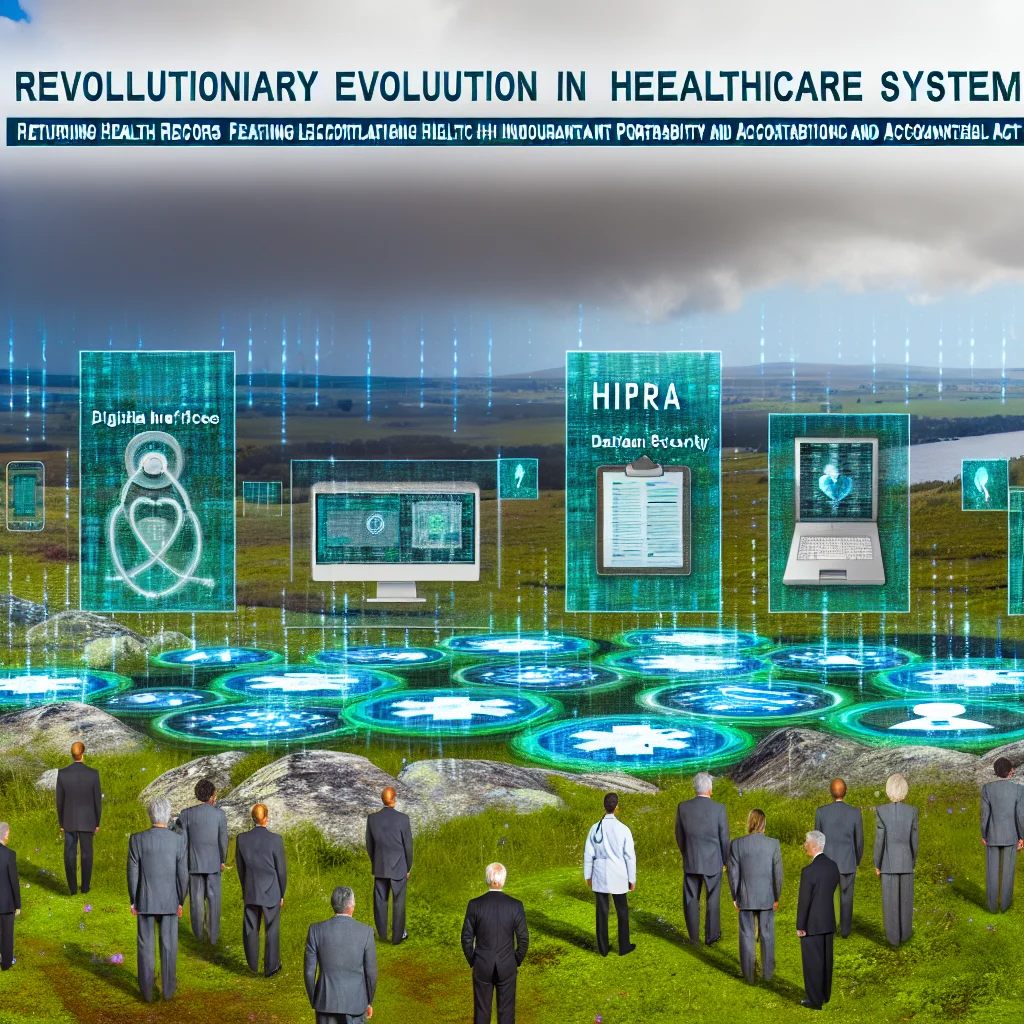
In the rapidly evolving landscape of healthcare information technology, ensuring compliance with the Health Insurance Portability and Accountability Act (HIPAA) remains a critical priority for healthcare organizations. As digital transformation continues to reshape the healthcare industry, the integration of advanced IT systems has become indispensable. However, this technological advancement brings with it the imperative to safeguard patient information, necessitating stringent adherence to HIPAA regulations. These regulations are designed to protect sensitive patient data from unauthorized access and breaches, thereby maintaining the confidentiality, integrity, and availability of healthcare information.
To begin with, understanding the core components of HIPAA is essential for healthcare IT systems to achieve compliance. HIPAA encompasses several rules, including the Privacy Rule, Security Rule, and Breach Notification Rule, each addressing different aspects of data protection. The Privacy Rule establishes national standards for the protection of individually identifiable health information, while the Security Rule sets standards for the security of electronic protected health information (ePHI). Meanwhile, the Breach Notification Rule mandates covered entities to notify affected individuals, the Department of Health and Human Services (HHS), and, in certain cases, the media, in the event of a data breach.
Transitioning from understanding to implementation, healthcare organizations must adopt a comprehensive approach to ensure HIPAA compliance. This involves conducting regular risk assessments to identify potential vulnerabilities within their IT systems. By evaluating the likelihood and impact of various threats, organizations can prioritize their security measures effectively. Moreover, implementing robust access controls is crucial. This includes ensuring that only authorized personnel have access to ePHI and that access is granted based on the principle of least privilege. Additionally, encryption of data both at rest and in transit is a fundamental practice that significantly enhances data security.
Furthermore, training and awareness programs for employees play a pivotal role in maintaining HIPAA compliance. Since human error is often a significant factor in data breaches, educating staff about the importance of data protection and the specific requirements of HIPAA can mitigate risks. Regular training sessions and updates on the latest security practices ensure that employees remain vigilant and informed about potential threats.
In addition to internal measures, healthcare organizations must also scrutinize their relationships with third-party vendors. Business associates, who handle ePHI on behalf of covered entities, are also subject to HIPAA regulations. Therefore, it is imperative to establish comprehensive business associate agreements (BAAs) that clearly outline the responsibilities and expectations regarding data protection. Regular audits and assessments of these vendors can further ensure that they adhere to the same stringent standards as the healthcare organization itself.
As technology continues to advance, the challenges of maintaining HIPAA compliance will undoubtedly evolve. Emerging technologies such as cloud computing, artificial intelligence, and the Internet of Things (IoT) present new opportunities and risks for healthcare IT systems. Consequently, organizations must remain proactive in adapting their compliance strategies to address these developments. This includes staying informed about regulatory updates and leveraging advanced security technologies to protect patient data.
In conclusion, ensuring HIPAA compliance in healthcare IT systems is a multifaceted endeavor that requires a thorough understanding of regulatory requirements, diligent implementation of security measures, and ongoing vigilance. By prioritizing data protection and fostering a culture of compliance, healthcare organizations can not only safeguard patient information but also build trust with patients and stakeholders, ultimately contributing to the overall integrity and reliability of the healthcare system.
Leveraging Medical Data For Improved Healthcare Systems
In the rapidly evolving landscape of healthcare, the integration of information technology has become a pivotal factor in enhancing the efficiency and effectiveness of healthcare systems. The utilization of medical data, in particular, stands at the forefront of this transformation, offering unprecedented opportunities to improve patient outcomes, streamline operations, and reduce costs. As healthcare systems increasingly leverage medical data, it is essential to understand the multifaceted benefits and challenges associated with this approach.
To begin with, the aggregation and analysis of medical data enable healthcare providers to make more informed decisions. By harnessing data from electronic health records (EHRs), wearable devices, and other digital sources, clinicians can gain a comprehensive view of a patient’s health history. This holistic perspective facilitates accurate diagnoses and personalized treatment plans, ultimately leading to improved patient care. Moreover, predictive analytics, powered by vast datasets, can identify potential health risks before they manifest, allowing for proactive interventions that can prevent complications and reduce hospital readmissions.
In addition to enhancing patient care, leveraging medical data can significantly improve operational efficiency within healthcare systems. Data-driven insights can optimize resource allocation, ensuring that medical staff, equipment, and facilities are utilized effectively. For instance, predictive models can forecast patient admission rates, enabling hospitals to manage bed occupancy and staffing levels more efficiently. Furthermore, data analytics can streamline supply chain management by predicting inventory needs and reducing waste, thereby lowering operational costs.
While the benefits of utilizing medical data are substantial, it is crucial to address the challenges that accompany this digital transformation. One of the primary concerns is ensuring the privacy and security of sensitive patient information. As healthcare systems collect and store vast amounts of data, they become attractive targets for cyberattacks. Therefore, robust cybersecurity measures and strict data governance policies are essential to protect patient confidentiality and maintain trust in the healthcare system.
Another challenge lies in the interoperability of healthcare data systems. With numerous platforms and technologies in use, achieving seamless data exchange between different systems can be difficult. This lack of interoperability can hinder the flow of information, leading to fragmented care and inefficiencies. To overcome this obstacle, healthcare organizations must adopt standardized data formats and protocols that facilitate seamless communication across various platforms.
Furthermore, the successful implementation of data-driven healthcare systems requires a cultural shift within organizations. Healthcare professionals must be trained to interpret and utilize data effectively, fostering a data-driven mindset that prioritizes evidence-based decision-making. This cultural transformation necessitates ongoing education and support to ensure that all stakeholders are equipped to leverage data insights for improved patient care.
In conclusion, the strategic use of medical data holds immense potential to revolutionize healthcare systems. By enabling informed decision-making, optimizing operations, and fostering a culture of continuous improvement, data-driven approaches can enhance the quality and efficiency of healthcare delivery. However, to fully realize these benefits, healthcare organizations must address the challenges of data privacy, interoperability, and cultural adaptation. As the healthcare industry continues to embrace digital transformation, the effective leveraging of medical data will undoubtedly play a critical role in shaping the future of healthcare systems.
Unlock the future of healthcare with our comprehensive Healthcare IT Insights on 12 leading healthcare systems. Discover innovative solutions and strategies to enhance patient care and operational efficiency. Explore now.