The Evolution Of Healthcare Systems: Integrating EHR For Improved Patient Care
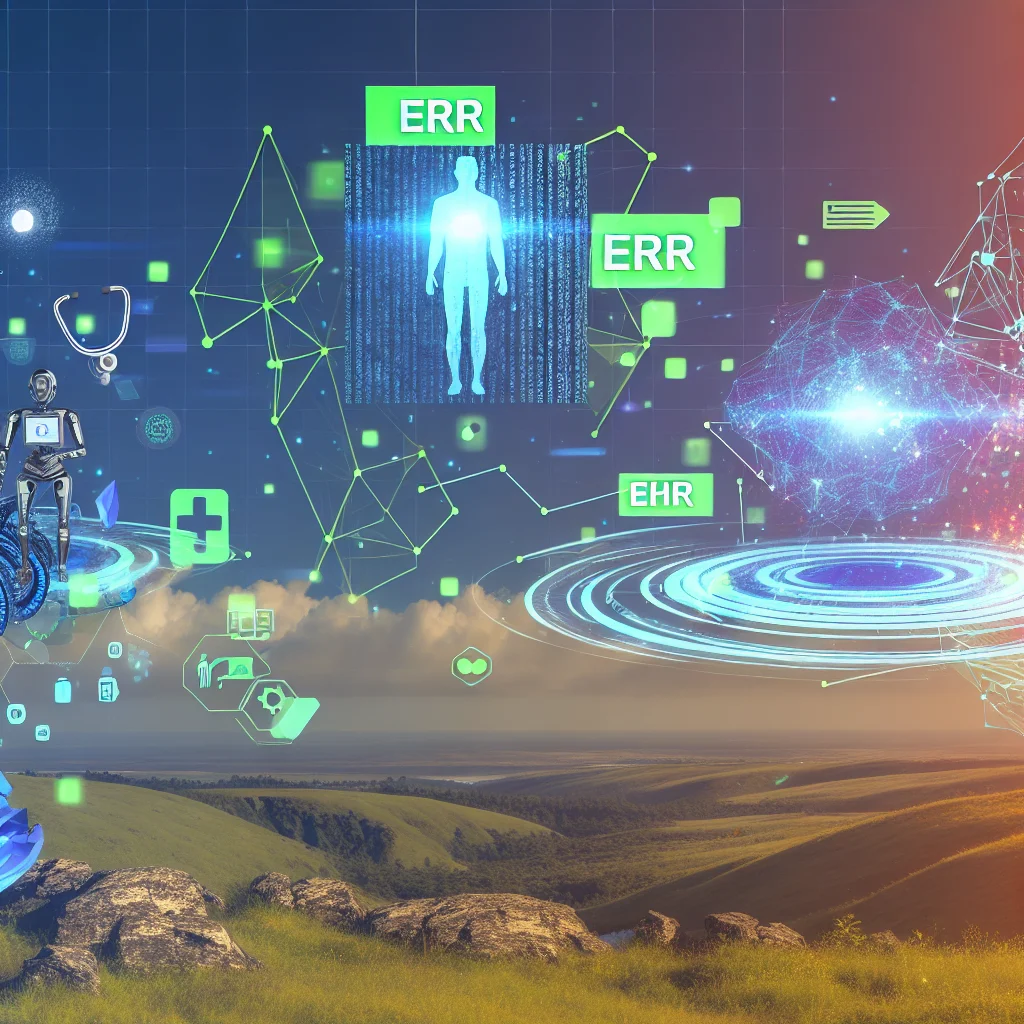
The evolution of healthcare systems has been significantly influenced by the integration of Electronic Health Records (EHR), which has become a cornerstone in the pursuit of improved patient care. As healthcare systems continue to advance, the adoption of EHRs has transformed the way patient information is managed, shared, and utilized across various healthcare settings. This transformation is not merely a technological upgrade but a fundamental shift in how healthcare providers approach patient care, emphasizing efficiency, accuracy, and accessibility.
Initially, healthcare systems relied heavily on paper-based records, which posed numerous challenges, including the risk of data loss, difficulty in sharing information, and inefficiencies in retrieving patient histories. The transition to EHRs has addressed many of these issues by digitizing patient information, thus enabling seamless access and sharing among healthcare professionals. This digital transformation has facilitated a more coordinated approach to patient care, allowing for real-time updates and comprehensive views of a patient’s medical history.
Moreover, the integration of EHRs has enhanced the accuracy of patient information. By minimizing the risk of human error associated with manual data entry, EHRs ensure that healthcare providers have access to precise and up-to-date information. This accuracy is crucial in making informed clinical decisions, reducing the likelihood of medical errors, and ultimately improving patient outcomes. Furthermore, EHRs support the standardization of data, which is essential for maintaining consistency across different healthcare systems and providers.
In addition to improving accuracy, EHRs have significantly increased the efficiency of healthcare delivery. The ability to quickly access patient records reduces the time spent on administrative tasks, allowing healthcare professionals to focus more on patient care. This efficiency is particularly beneficial in emergency situations where timely access to patient information can be critical. Moreover, EHRs facilitate better communication and collaboration among healthcare teams, as they provide a centralized platform for sharing information and coordinating care.
Another significant advantage of EHR integration is the enhancement of patient engagement. With the advent of patient portals, individuals can access their health information, track their progress, and communicate with their healthcare providers more effectively. This empowerment encourages patients to take an active role in their healthcare, leading to better adherence to treatment plans and improved health outcomes. Additionally, EHRs support preventive care by enabling healthcare providers to identify at-risk patients and implement early intervention strategies.
Despite the numerous benefits, the integration of EHRs is not without challenges. Concerns regarding data privacy and security remain paramount, as the digitization of health records increases the risk of unauthorized access and data breaches. Healthcare systems must implement robust security measures to protect sensitive patient information and comply with regulatory requirements. Furthermore, the transition to EHRs requires significant investment in technology and training, which can be a barrier for some healthcare providers.
In conclusion, the integration of Electronic Health Records has revolutionized healthcare systems by improving the management and utilization of patient information. While challenges remain, the benefits of EHRs in enhancing accuracy, efficiency, and patient engagement are undeniable. As healthcare systems continue to evolve, the ongoing refinement and adoption of EHR technology will play a crucial role in advancing patient care and achieving better health outcomes. Through continued innovation and collaboration, the potential of EHRs to transform healthcare systems will undoubtedly be realized, paving the way for a more efficient and patient-centered approach to healthcare delivery.
Navigating HIPAA Compliance In Modern Healthcare IT Systems
Navigating HIPAA compliance in modern healthcare IT systems is a critical endeavor for healthcare organizations striving to protect patient information while leveraging technological advancements. The Health Insurance Portability and Accountability Act (HIPAA), enacted in 1996, sets the standard for safeguarding sensitive patient data. As healthcare systems increasingly integrate digital solutions, ensuring compliance with HIPAA regulations has become more complex yet indispensable.
To begin with, understanding the core components of HIPAA is essential for any healthcare entity. The act comprises several rules, including the Privacy Rule, which establishes national standards for the protection of health information, and the Security Rule, which sets standards for electronic protected health information (ePHI). These rules mandate that healthcare providers, health plans, and clearinghouses implement appropriate administrative, physical, and technical safeguards to ensure the confidentiality, integrity, and security of ePHI.
In the context of modern healthcare IT systems, the challenge lies in balancing the need for robust data protection with the demand for seamless access to information. As electronic health records (EHRs), telemedicine, and mobile health applications become more prevalent, healthcare organizations must adopt comprehensive strategies to maintain HIPAA compliance. This involves not only implementing advanced security measures but also fostering a culture of compliance among staff.
One of the primary steps in achieving HIPAA compliance is conducting regular risk assessments. These assessments help identify potential vulnerabilities in the IT infrastructure and evaluate the effectiveness of existing security measures. By systematically analyzing risks, healthcare organizations can prioritize areas that require immediate attention and allocate resources accordingly. Moreover, risk assessments should be an ongoing process, adapting to changes in technology and the regulatory landscape.
In addition to risk assessments, healthcare organizations must ensure that all employees are adequately trained in HIPAA regulations and the organization’s specific compliance policies. Training programs should be comprehensive, covering topics such as data encryption, secure communication channels, and the proper handling of ePHI. By equipping staff with the necessary knowledge and skills, organizations can significantly reduce the risk of data breaches and non-compliance.
Furthermore, the implementation of advanced technological solutions plays a crucial role in maintaining HIPAA compliance. Encryption, for instance, is a vital tool for protecting ePHI both in transit and at rest. By converting data into a secure format, encryption ensures that even if information is intercepted, it remains unreadable to unauthorized individuals. Additionally, access controls are essential for restricting ePHI access to authorized personnel only. This can be achieved through multi-factor authentication, role-based access controls, and regular audits of access logs.
As healthcare organizations continue to embrace digital transformation, collaboration with third-party vendors becomes increasingly common. It is imperative that these vendors also comply with HIPAA regulations, as they often have access to sensitive patient data. Establishing business associate agreements (BAAs) with vendors is a critical step in ensuring that they adhere to the same standards of data protection and confidentiality.
In conclusion, navigating HIPAA compliance in modern healthcare IT systems requires a multifaceted approach that combines risk assessments, employee training, advanced technological solutions, and vendor management. By prioritizing these elements, healthcare organizations can effectively safeguard patient information while harnessing the benefits of digital innovation. As the healthcare landscape continues to evolve, maintaining HIPAA compliance will remain a dynamic and ongoing challenge, necessitating vigilance and adaptability from all stakeholders involved.
Leveraging Medical Data For Enhanced Clinical Support In Healthcare Systems

In the rapidly evolving landscape of healthcare, the integration of information technology has become a cornerstone for enhancing clinical support and improving patient outcomes. The utilization of medical data, in particular, plays a pivotal role in this transformation. As healthcare systems increasingly rely on digital solutions, the ability to leverage vast amounts of medical data effectively is crucial for delivering high-quality care. This article explores how healthcare systems can harness medical data to enhance clinical support, thereby fostering a more efficient and patient-centered approach to healthcare delivery.
To begin with, the digitization of medical records has revolutionized the way healthcare providers access and utilize patient information. Electronic Health Records (EHRs) serve as comprehensive repositories of patient data, encompassing medical history, treatment plans, laboratory results, and more. By centralizing this information, EHRs facilitate seamless communication among healthcare professionals, ensuring that all members of a patient’s care team have access to the same up-to-date information. This not only reduces the likelihood of errors but also enables more informed decision-making, ultimately leading to improved patient outcomes.
Moreover, the integration of advanced data analytics into healthcare systems has opened new avenues for clinical support. By employing sophisticated algorithms and machine learning techniques, healthcare providers can analyze large datasets to identify patterns and trends that may not be immediately apparent. For instance, predictive analytics can be used to forecast patient outcomes, allowing clinicians to intervene proactively and tailor treatment plans to individual needs. This data-driven approach enhances the precision of medical interventions, reducing the risk of complications and optimizing resource allocation.
In addition to predictive analytics, the use of big data in healthcare has facilitated the development of personalized medicine. By analyzing genetic information alongside traditional medical data, healthcare providers can gain insights into how individual patients may respond to specific treatments. This enables the customization of therapies to align with a patient’s unique genetic makeup, thereby increasing the efficacy of interventions and minimizing adverse effects. As a result, personalized medicine represents a significant advancement in clinical support, offering the potential for more targeted and effective healthcare solutions.
Furthermore, the integration of medical data into clinical decision support systems (CDSS) has proven invaluable in enhancing the quality of care. These systems provide healthcare professionals with evidence-based recommendations and alerts, assisting them in making informed clinical decisions. By leveraging real-time data, CDSS can offer guidance on drug interactions, diagnostic tests, and treatment protocols, thereby reducing the likelihood of errors and improving patient safety. As healthcare systems continue to evolve, the role of CDSS in supporting clinical decision-making is expected to expand, further solidifying the importance of medical data in modern healthcare.
However, the effective utilization of medical data in healthcare systems is not without challenges. Issues related to data privacy and security remain paramount, as the protection of sensitive patient information is critical. Healthcare organizations must implement robust cybersecurity measures to safeguard data integrity and confidentiality. Additionally, the interoperability of healthcare IT systems is essential to ensure seamless data exchange across different platforms and institutions. Overcoming these challenges requires a concerted effort from stakeholders across the healthcare industry, including policymakers, technology developers, and healthcare providers.
In conclusion, the strategic use of medical data holds immense potential for enhancing clinical support in healthcare systems. By leveraging digital solutions and advanced analytics, healthcare providers can deliver more personalized, efficient, and effective care. As the healthcare landscape continues to evolve, the integration of medical data will remain a key driver of innovation, ultimately leading to improved patient outcomes and a more sustainable healthcare system.
Emerging Health IT Trends: Transforming Healthcare Systems With Technology
In recent years, the healthcare industry has witnessed a significant transformation driven by the rapid advancement of information technology. This evolution is reshaping healthcare systems, enhancing patient care, and streamlining operations. As we delve into the emerging health IT trends, it becomes evident that technology is not merely an adjunct to healthcare but a fundamental component that is redefining its very fabric.
One of the most prominent trends is the integration of artificial intelligence (AI) and machine learning into healthcare systems. These technologies are revolutionizing diagnostics and treatment planning by enabling more accurate and timely decision-making. For instance, AI algorithms can analyze vast amounts of medical data to identify patterns that may elude human practitioners, thereby facilitating early detection of diseases such as cancer. Moreover, machine learning models are being employed to personalize treatment plans, ensuring that patients receive care tailored to their unique genetic makeup and medical history.
In addition to AI, telemedicine has emerged as a crucial component of modern healthcare systems. The COVID-19 pandemic accelerated the adoption of telehealth services, highlighting their potential to increase access to care, especially in remote and underserved areas. By leveraging video conferencing and remote monitoring technologies, healthcare providers can offer consultations and follow-ups without the need for in-person visits. This not only reduces the burden on healthcare facilities but also enhances patient convenience and satisfaction.
Furthermore, the Internet of Medical Things (IoMT) is playing a pivotal role in transforming healthcare delivery. IoMT refers to the interconnected network of medical devices and applications that collect and transmit health data in real-time. Wearable devices, such as smartwatches and fitness trackers, are becoming increasingly popular, enabling continuous monitoring of vital signs and other health metrics. This real-time data collection allows for proactive health management, as healthcare providers can intervene promptly when anomalies are detected.
Another significant trend is the shift towards electronic health records (EHRs) and the interoperability of health information systems. EHRs have replaced traditional paper records, offering a more efficient and secure way to store and share patient information. Interoperability ensures that different healthcare systems can communicate seamlessly, allowing for the exchange of critical patient data across various platforms. This facilitates coordinated care, reduces duplication of tests, and minimizes the risk of medical errors.
Moreover, blockchain technology is gaining traction in healthcare for its potential to enhance data security and privacy. By providing a decentralized and immutable ledger, blockchain can ensure the integrity of health records and protect sensitive patient information from unauthorized access. This is particularly important in an era where data breaches and cyber threats are becoming increasingly common.
As these technologies continue to evolve, it is essential for healthcare systems to address the challenges associated with their implementation. Issues such as data privacy, cybersecurity, and the digital divide must be carefully managed to ensure that the benefits of health IT are realized equitably. Additionally, healthcare professionals must be adequately trained to leverage these technologies effectively, necessitating ongoing education and support.
In conclusion, the integration of emerging health IT trends is transforming healthcare systems, offering unprecedented opportunities to improve patient outcomes and operational efficiency. As we navigate this digital revolution, it is crucial to embrace these innovations while addressing the associated challenges, ensuring that technology serves as a catalyst for positive change in the healthcare landscape.
The Role Of Tech Integration In Streamlining Healthcare Systems Operations
In the rapidly evolving landscape of healthcare, the integration of technology into healthcare systems has become a pivotal factor in streamlining operations and enhancing patient care. As healthcare systems face increasing pressure to improve efficiency, reduce costs, and deliver high-quality care, the role of technology integration cannot be overstated. By seamlessly incorporating advanced technological solutions, healthcare providers can optimize their operations, leading to improved outcomes for both patients and healthcare professionals.
One of the primary benefits of technology integration in healthcare systems is the enhancement of data management. Electronic Health Records (EHRs) have revolutionized the way patient information is stored, accessed, and shared. By digitizing patient records, healthcare providers can ensure that critical information is readily available to authorized personnel, thereby reducing the risk of errors and improving the continuity of care. Moreover, EHRs facilitate the aggregation of data, enabling healthcare systems to analyze trends, identify areas for improvement, and make data-driven decisions.
In addition to improving data management, technology integration plays a crucial role in enhancing communication within healthcare systems. Telemedicine, for instance, has emerged as a powerful tool that allows healthcare providers to connect with patients remotely. This not only expands access to care, particularly for individuals in rural or underserved areas, but also reduces the burden on healthcare facilities by minimizing the need for in-person visits. Furthermore, telemedicine platforms often incorporate features such as video conferencing, secure messaging, and remote monitoring, which collectively contribute to more efficient and effective patient-provider interactions.
Another significant aspect of technology integration is the automation of routine tasks, which can significantly streamline healthcare operations. Automated systems for scheduling, billing, and inventory management reduce the administrative burden on healthcare staff, allowing them to focus more on patient care. For example, automated appointment scheduling systems can minimize no-shows and optimize the use of healthcare resources by efficiently managing patient flow. Similarly, automated billing systems can reduce errors and expedite the reimbursement process, ultimately improving the financial health of healthcare organizations.
Moreover, the integration of advanced technologies such as artificial intelligence (AI) and machine learning (ML) is transforming the way healthcare systems operate. AI-powered tools can assist in diagnosing diseases, predicting patient outcomes, and personalizing treatment plans. By analyzing vast amounts of data, these technologies can identify patterns and insights that may not be immediately apparent to human clinicians. Consequently, AI and ML have the potential to enhance clinical decision-making, leading to more accurate diagnoses and improved patient outcomes.
Despite the numerous advantages of technology integration, it is essential to acknowledge the challenges that healthcare systems may encounter during this process. Ensuring data security and patient privacy is paramount, as the digitization of health records increases the risk of cyber threats. Healthcare organizations must implement robust security measures to protect sensitive information and comply with regulatory requirements. Additionally, the successful integration of technology requires significant investment in infrastructure, training, and ongoing support to ensure that healthcare professionals can effectively utilize these tools.
In conclusion, the integration of technology into healthcare systems is a critical component in streamlining operations and improving patient care. By enhancing data management, communication, and automation, as well as leveraging advanced technologies like AI and ML, healthcare providers can optimize their operations and deliver more efficient and effective care. However, it is crucial for healthcare organizations to address the challenges associated with technology integration to fully realize its potential benefits. As the healthcare landscape continues to evolve, the role of technology will undoubtedly become increasingly integral to the success of healthcare systems worldwide.
Unlock the Future of Healthcare IT: Discover Key Insights into 13 Healthcare Systems. Explore Now!