Enhancing Medical Data Security: Navigating HIPAA Compliance in Healthcare Systems
In the rapidly evolving landscape of healthcare information technology, ensuring the security of medical data has become a paramount concern. As healthcare systems increasingly rely on digital solutions to manage patient information, the need to navigate the complexities of HIPAA compliance has never been more critical. The Health Insurance Portability and Accountability Act (HIPAA), enacted in 1996, sets the standard for protecting sensitive patient data in the United States. Compliance with HIPAA is not merely a legal obligation but a fundamental component of maintaining trust between healthcare providers and patients.
To begin with, understanding the core requirements of HIPAA is essential for any healthcare organization. The act mandates the protection of Protected Health Information (PHI), which includes any information about health status, provision of healthcare, or payment for healthcare that can be linked to an individual. This encompasses a wide range of data, from medical records to billing information. Consequently, healthcare systems must implement robust safeguards to ensure the confidentiality, integrity, and availability of PHI.
One of the primary challenges in achieving HIPAA compliance is the dynamic nature of cyber threats. As technology advances, so do the tactics employed by cybercriminals. Therefore, healthcare organizations must adopt a proactive approach to data security. This involves regular risk assessments to identify potential vulnerabilities and the implementation of appropriate security measures. Encryption, for instance, is a critical tool in protecting data both in transit and at rest. By converting information into a coded format, encryption ensures that even if data is intercepted, it remains unreadable to unauthorized individuals.
Moreover, access controls play a vital role in safeguarding medical data. Limiting access to PHI to only those individuals who require it for their job functions minimizes the risk of unauthorized exposure. This can be achieved through the use of role-based access controls, which assign permissions based on an individual’s role within the organization. Additionally, implementing multi-factor authentication adds an extra layer of security by requiring users to provide multiple forms of verification before accessing sensitive information.
Training and education are also crucial components of a comprehensive data security strategy. Employees must be well-versed in HIPAA regulations and the organization’s specific policies and procedures. Regular training sessions can help reinforce the importance of data security and ensure that staff members are aware of the latest threats and best practices. Furthermore, fostering a culture of security within the organization encourages employees to remain vigilant and report any suspicious activities promptly.
In addition to internal measures, healthcare organizations must also consider the security practices of their third-party vendors. Business associates, such as billing companies or cloud service providers, often have access to PHI and must comply with HIPAA regulations. Establishing clear agreements and conducting thorough due diligence on these partners is essential to ensure that they adhere to the same standards of data protection.
In conclusion, navigating HIPAA compliance in healthcare systems is a multifaceted endeavor that requires a comprehensive approach to data security. By understanding the requirements of HIPAA, implementing robust security measures, and fostering a culture of awareness and vigilance, healthcare organizations can protect sensitive patient information and maintain the trust of those they serve. As the digital landscape continues to evolve, staying informed and adaptable will be key to safeguarding medical data in the years to come.
Tech Integration in Healthcare: Transforming EHR for Improved Clinical Support
In recent years, the integration of technology within healthcare systems has become a pivotal factor in enhancing the quality and efficiency of patient care. Among the various technological advancements, the transformation of Electronic Health Records (EHR) systems stands out as a critical component in improving clinical support. As healthcare providers increasingly rely on digital solutions, the evolution of EHR systems is reshaping the landscape of patient management and clinical decision-making.
Initially, EHR systems were primarily designed to digitize patient records, offering a more organized and accessible way to store and retrieve patient information. However, as the demands of healthcare have evolved, so too have the capabilities of EHR systems. Today, these systems are not merely repositories of patient data but are integral tools that support clinical workflows, enhance communication among healthcare professionals, and ultimately improve patient outcomes.
One of the most significant advancements in EHR systems is their ability to integrate with other healthcare technologies. This integration facilitates a seamless flow of information across various platforms, enabling healthcare providers to access comprehensive patient data in real-time. For instance, the incorporation of data from wearable devices and remote monitoring tools into EHR systems allows for continuous patient monitoring, providing clinicians with valuable insights into a patient’s health status outside of traditional clinical settings. This real-time data integration supports proactive healthcare management, allowing for timely interventions and personalized treatment plans.
Moreover, the integration of advanced analytics and artificial intelligence (AI) into EHR systems has further enhanced their utility in clinical support. By leveraging AI algorithms, EHR systems can now analyze vast amounts of patient data to identify patterns and predict potential health risks. This predictive capability empowers healthcare providers to make informed decisions, improving diagnostic accuracy and optimizing treatment strategies. Additionally, AI-driven decision support tools embedded within EHR systems can offer evidence-based recommendations, assisting clinicians in selecting the most appropriate interventions for their patients.
Another critical aspect of EHR transformation is the emphasis on interoperability. As healthcare systems become more interconnected, the ability of EHR systems to communicate and exchange data with other systems is paramount. Interoperability ensures that patient information is consistently updated and accessible across different healthcare settings, reducing the risk of errors and enhancing the continuity of care. This seamless exchange of information is particularly beneficial in complex cases where patients receive care from multiple providers, as it ensures that all parties have access to the most current and comprehensive patient data.
Furthermore, the transformation of EHR systems has also focused on improving user experience for healthcare professionals. By streamlining interfaces and reducing administrative burdens, modern EHR systems allow clinicians to spend more time on patient care rather than on data entry. Enhanced usability features, such as voice recognition and intuitive navigation, contribute to a more efficient workflow, ultimately leading to better patient engagement and satisfaction.
In conclusion, the transformation of EHR systems through technological integration is revolutionizing clinical support in healthcare. By facilitating real-time data access, incorporating advanced analytics, ensuring interoperability, and enhancing user experience, modern EHR systems are empowering healthcare providers to deliver more effective and personalized care. As technology continues to advance, the ongoing evolution of EHR systems will undoubtedly play a crucial role in shaping the future of healthcare, driving improvements in patient outcomes and operational efficiency.
Health IT Trends: The Future of Healthcare Systems and Medical Data Management
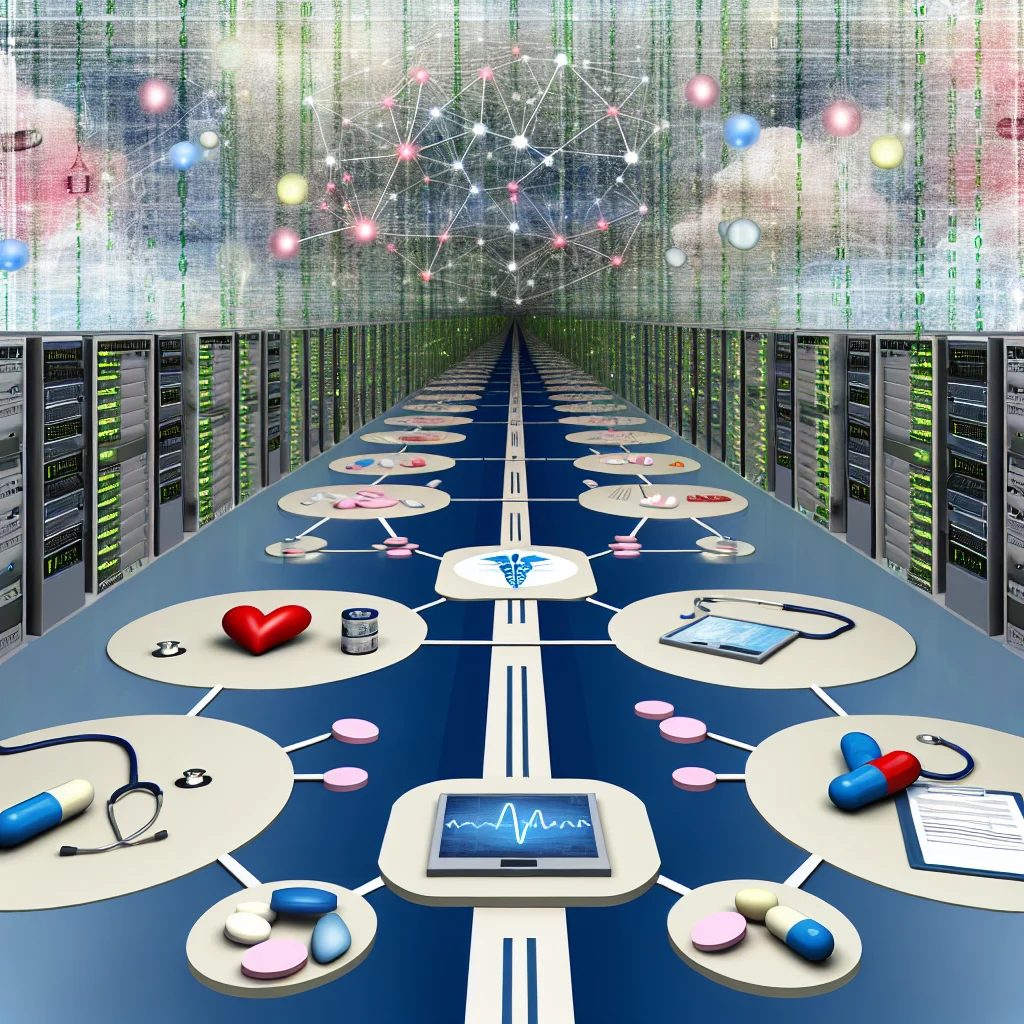
In the rapidly evolving landscape of healthcare, the integration of information technology has become a pivotal force in transforming how medical data is managed and healthcare systems operate. As we delve into the future of healthcare systems and medical data management, it is essential to understand the trends that are shaping this transformation. The adoption of electronic health records (EHRs) has been a significant milestone, providing a digital framework that enhances the accessibility and accuracy of patient information. This shift from paper-based records to digital platforms has not only streamlined administrative processes but also improved the quality of care by enabling healthcare providers to make informed decisions based on comprehensive patient data.
Moreover, the rise of telemedicine has further underscored the importance of robust IT infrastructure in healthcare. Telemedicine platforms have allowed patients to receive medical consultations remotely, breaking geographical barriers and ensuring continuity of care, especially in underserved areas. This trend is expected to grow, driven by advancements in communication technologies and the increasing demand for convenient healthcare solutions. As telemedicine becomes more prevalent, the need for secure and efficient data management systems becomes even more critical, ensuring that patient information is protected while being readily accessible to authorized healthcare professionals.
In addition to telemedicine, the integration of artificial intelligence (AI) in healthcare systems is revolutionizing medical data management. AI algorithms are being employed to analyze vast amounts of data, identifying patterns and insights that can lead to more accurate diagnoses and personalized treatment plans. Machine learning models, for instance, are being used to predict patient outcomes and optimize treatment protocols, thereby enhancing the overall efficiency of healthcare delivery. As AI continues to evolve, its potential to transform healthcare systems is immense, promising a future where data-driven insights lead to improved patient outcomes and operational efficiencies.
Furthermore, the Internet of Medical Things (IoMT) is another trend that is reshaping healthcare systems. IoMT refers to the interconnected network of medical devices and applications that collect and transmit health data. Wearable devices, such as smartwatches and fitness trackers, are becoming increasingly popular, providing real-time health monitoring and data collection. This continuous stream of data offers valuable insights into patient health, enabling proactive interventions and personalized care. However, the proliferation of IoMT devices also raises concerns about data privacy and security, necessitating robust cybersecurity measures to protect sensitive health information.
As healthcare systems continue to embrace digital transformation, interoperability remains a critical challenge. The ability to seamlessly exchange information across different platforms and systems is essential for delivering coordinated and efficient care. Efforts are underway to establish standardized protocols and frameworks that facilitate interoperability, ensuring that healthcare providers can access and share patient data without barriers. This collaborative approach is vital for creating a cohesive healthcare ecosystem where data flows seamlessly, supporting informed decision-making and enhancing patient outcomes.
In conclusion, the future of healthcare systems and medical data management is being shaped by a confluence of technological advancements and evolving patient needs. The integration of EHRs, telemedicine, AI, and IoMT is driving a paradigm shift towards more efficient, personalized, and accessible healthcare. However, as these trends continue to unfold, it is imperative to address challenges related to data security, privacy, and interoperability. By doing so, healthcare systems can fully harness the potential of IT innovations, ultimately leading to a more effective and patient-centered healthcare landscape.
Optimizing Clinical Support: Leveraging EHR and Tech Integration in Healthcare
In the rapidly evolving landscape of healthcare, the integration of technology into clinical support systems has become a pivotal factor in enhancing patient care and operational efficiency. At the heart of this transformation lies the Electronic Health Record (EHR) system, a digital version of a patient’s paper chart, which has revolutionized the way healthcare providers access and manage patient information. By leveraging EHR systems, healthcare organizations can optimize clinical support, streamline workflows, and ultimately improve patient outcomes.
The implementation of EHR systems has facilitated a more coordinated approach to patient care. With comprehensive patient data readily available, healthcare providers can make informed decisions quickly and accurately. This accessibility reduces the likelihood of medical errors, as clinicians have access to a complete history of patient interactions, medications, and allergies. Moreover, EHR systems support the integration of evidence-based clinical guidelines, which assist healthcare professionals in delivering standardized and high-quality care.
In addition to improving clinical decision-making, EHR systems enhance communication among healthcare providers. The seamless sharing of patient information across different departments and facilities ensures continuity of care, especially for patients with complex medical conditions requiring multidisciplinary management. This interconnectedness is further bolstered by the integration of telemedicine platforms, which have gained prominence in recent years. Telemedicine allows for remote consultations, enabling healthcare providers to extend their reach and offer timely care to patients in underserved or remote areas.
Furthermore, the integration of advanced technologies such as artificial intelligence (AI) and machine learning into EHR systems has opened new avenues for optimizing clinical support. AI algorithms can analyze vast amounts of data to identify patterns and predict patient outcomes, assisting clinicians in making proactive decisions. For instance, predictive analytics can help identify patients at risk of developing chronic conditions, allowing for early intervention and personalized treatment plans. This proactive approach not only improves patient outcomes but also reduces healthcare costs by preventing the progression of diseases.
Another significant advantage of EHR and technology integration is the enhancement of patient engagement. Patient portals, which are often integrated with EHR systems, empower patients to take an active role in their healthcare journey. Through these portals, patients can access their medical records, schedule appointments, and communicate with their healthcare providers. This transparency fosters a collaborative relationship between patients and providers, leading to improved adherence to treatment plans and better health outcomes.
However, the optimization of clinical support through EHR and technology integration is not without challenges. Data security and privacy concerns remain paramount, as the digitization of health records increases the risk of cyberattacks. Healthcare organizations must invest in robust cybersecurity measures to protect sensitive patient information. Additionally, the successful implementation of EHR systems requires significant investment in infrastructure and training, which can be a barrier for smaller healthcare facilities with limited resources.
In conclusion, the integration of EHR systems and advanced technologies into healthcare has the potential to significantly optimize clinical support. By enhancing decision-making, improving communication, and fostering patient engagement, these systems contribute to the delivery of high-quality, efficient, and patient-centered care. As the healthcare industry continues to embrace digital transformation, it is imperative for organizations to address the associated challenges and leverage technology to its fullest potential, ensuring that the benefits of EHR and tech integration are realized across the entire healthcare continuum.
Navigating Healthcare Systems: Insights into Medical Data and Health IT Trends
In the rapidly evolving landscape of healthcare, the integration of information technology has become a pivotal component in enhancing the efficiency and effectiveness of healthcare systems. As we delve into the intricacies of medical data and health IT trends, it is essential to understand how these elements are reshaping the delivery of healthcare services. The digital transformation in healthcare is not merely a trend but a fundamental shift that is redefining how medical professionals and patients interact with health information.
One of the most significant advancements in healthcare IT is the adoption of electronic health records (EHRs). EHRs have revolutionized the way patient data is stored, accessed, and shared among healthcare providers. This digitalization of health records facilitates seamless communication and coordination among different healthcare entities, thereby improving patient outcomes. Moreover, EHRs enable healthcare providers to access comprehensive patient histories, which is crucial for making informed clinical decisions. As a result, the implementation of EHRs has been instrumental in reducing medical errors and enhancing the overall quality of care.
In addition to EHRs, the rise of telemedicine has been a game-changer in the healthcare industry. Telemedicine leverages digital communication technologies to provide remote clinical services, making healthcare more accessible to patients, especially those in rural or underserved areas. This trend has gained significant momentum, particularly in the wake of the COVID-19 pandemic, which necessitated the minimization of in-person interactions. Telemedicine not only offers convenience but also ensures continuity of care, as patients can consult with healthcare providers from the comfort of their homes. Consequently, this has led to increased patient engagement and satisfaction.
Furthermore, the integration of artificial intelligence (AI) in healthcare systems is another noteworthy development. AI technologies are being utilized to analyze vast amounts of medical data, providing insights that were previously unattainable. For instance, AI algorithms can assist in diagnosing diseases, predicting patient outcomes, and personalizing treatment plans. This capability to process and interpret complex data sets is invaluable in enhancing diagnostic accuracy and optimizing treatment strategies. As AI continues to evolve, its potential to transform healthcare delivery is immense, promising more precise and efficient care.
Another critical aspect of healthcare IT is the emphasis on data security and privacy. With the increasing digitization of health information, safeguarding patient data has become a paramount concern. Healthcare organizations are investing in robust cybersecurity measures to protect sensitive information from breaches and unauthorized access. Compliance with regulations such as the Health Insurance Portability and Accountability Act (HIPAA) is essential to ensure that patient privacy is maintained. As healthcare systems continue to embrace digital solutions, the importance of maintaining the integrity and confidentiality of medical data cannot be overstated.
In conclusion, the integration of information technology into healthcare systems is driving significant improvements in the delivery of medical services. From the widespread adoption of electronic health records to the growing prevalence of telemedicine and the innovative applications of artificial intelligence, these trends are reshaping the healthcare landscape. As we navigate this digital transformation, it is crucial to address challenges such as data security while leveraging technology to enhance patient care. The future of healthcare lies in the seamless integration of IT solutions, which hold the promise of more efficient, accessible, and personalized healthcare for all.
Unlock the future of healthcare with cutting-edge IT insights! Discover how 21 innovative healthcare systems are transforming patient care. Explore now.