The Future Of Dental Technology: Embracing IT Upgrades For Enhanced Practice Security
In the rapidly evolving landscape of dental technology, the integration of advanced IT solutions is becoming increasingly crucial for enhancing practice security and efficiency. As dental practices continue to digitize their operations, the need for robust IT infrastructure becomes paramount. This shift not only ensures the protection of sensitive patient data but also streamlines various aspects of dental care, ultimately leading to improved patient outcomes and satisfaction.
One of the primary drivers behind the adoption of IT upgrades in dental practices is the growing concern over data security. With the rise in cyber threats, safeguarding patient information has become a top priority. Dental practices are now investing in advanced cybersecurity measures, such as encryption and multi-factor authentication, to protect against unauthorized access and data breaches. These technologies ensure that patient records remain confidential and secure, thereby fostering trust between patients and healthcare providers.
Moreover, the implementation of electronic health records (EHRs) has revolutionized the way dental practices manage patient information. EHRs facilitate seamless data sharing among healthcare providers, enabling more coordinated and comprehensive care. By digitizing patient records, dental practices can reduce the risk of errors associated with manual record-keeping and improve the accuracy of diagnoses and treatment plans. Additionally, EHRs provide a platform for integrating other digital tools, such as imaging software and practice management systems, further enhancing the efficiency of dental operations.
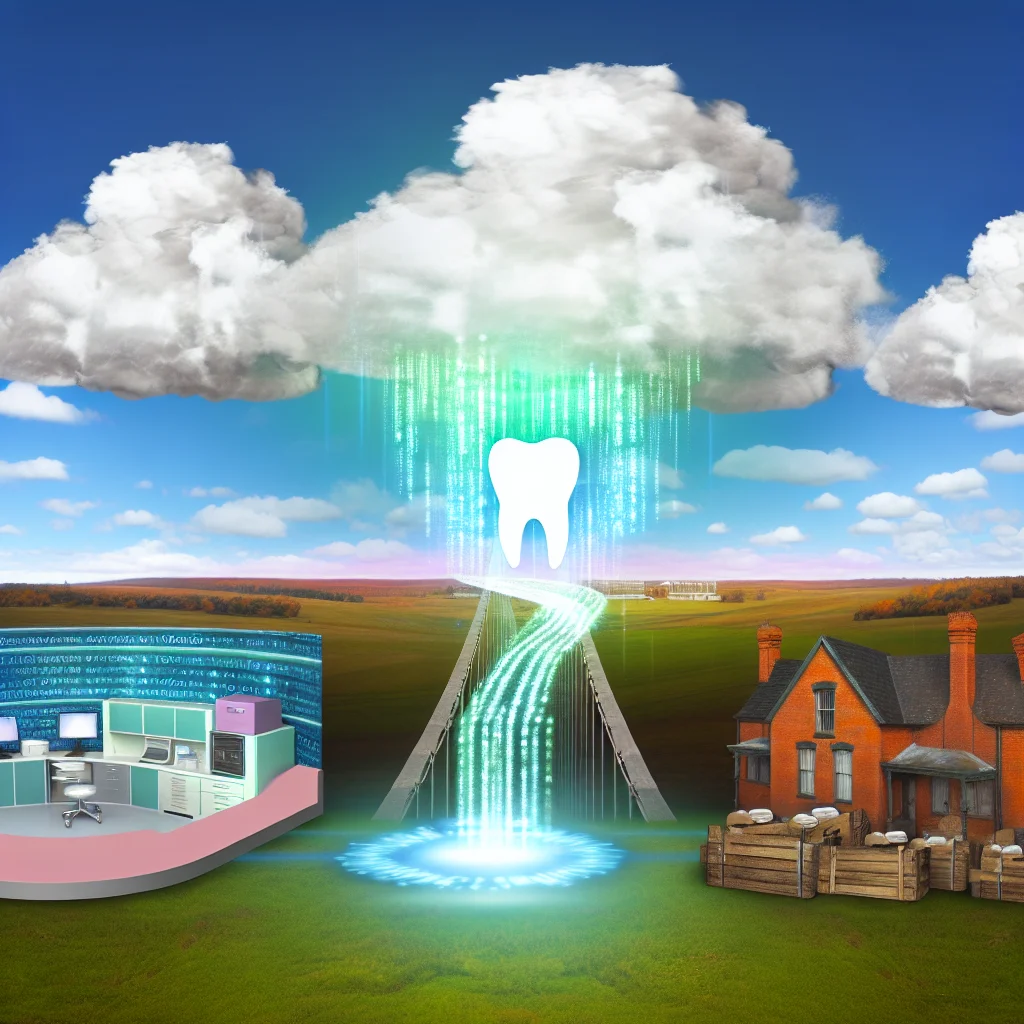
In addition to data security and EHRs, cloud computing is another technological advancement that is transforming dental practices. By migrating to cloud-based systems, dental practices can access patient data and practice management tools from anywhere, at any time. This flexibility not only enhances the ability to provide timely care but also supports remote consultations and telehealth services. Cloud computing also offers scalable storage solutions, allowing practices to efficiently manage large volumes of data without the need for extensive on-site infrastructure.
Furthermore, the integration of artificial intelligence (AI) in dental technology is paving the way for more precise diagnostics and personalized treatment plans. AI-powered tools can analyze vast amounts of data to identify patterns and predict outcomes, assisting dental professionals in making informed decisions. For instance, AI algorithms can enhance the accuracy of radiographic interpretations, detect early signs of dental diseases, and even suggest optimal treatment options based on individual patient profiles. As AI technology continues to advance, its applications in dentistry are expected to expand, offering new possibilities for improving patient care.
While the benefits of embracing IT upgrades in dental practices are evident, it is essential to address the challenges associated with their implementation. Transitioning to new technologies requires significant investment in terms of time, money, and training. Dental professionals must be adequately trained to utilize these technologies effectively, ensuring that they are integrated seamlessly into existing workflows. Additionally, practices must stay abreast of regulatory requirements and industry standards to ensure compliance and maintain the highest levels of data security.
In conclusion, the future of dental technology lies in the strategic adoption of IT upgrades that enhance practice security and operational efficiency. By investing in advanced cybersecurity measures, electronic health records, cloud computing, and artificial intelligence, dental practices can not only protect sensitive patient data but also improve the quality of care they provide. As the dental industry continues to evolve, embracing these technological advancements will be key to staying competitive and meeting the ever-changing needs of patients.
Digital Dentistry Revolution: How Cloud Integration Is Transforming Dental Practices
The digital revolution has permeated nearly every aspect of modern life, and the field of dentistry is no exception. As dental practices strive to enhance patient care and streamline operations, cloud integration has emerged as a pivotal component in this transformation. By leveraging cloud-based technologies, dental practices are not only improving their operational efficiency but also enhancing the patient experience in unprecedented ways.
To begin with, cloud integration in dental practices facilitates seamless data management. Traditionally, dental records were stored in physical files, which were not only cumbersome but also prone to damage and loss. With the advent of cloud technology, dental practices can now store vast amounts of patient data securely and access it with ease. This shift not only reduces the risk of data loss but also ensures that patient information is readily available to authorized personnel, thereby improving the quality of care provided.
Moreover, cloud-based systems enable real-time collaboration among dental professionals. In a traditional setup, sharing patient information between specialists often involved time-consuming processes, such as mailing physical records or relying on fax machines. However, with cloud integration, dental professionals can now share and access patient data instantaneously, regardless of their location. This capability is particularly beneficial in cases where a patient requires multidisciplinary care, as it allows for more coordinated and efficient treatment planning.
In addition to improving data management and collaboration, cloud integration also enhances the scalability of dental practices. As a practice grows, so does the volume of data it needs to manage. Cloud-based solutions offer the flexibility to scale resources up or down based on the practice’s needs, without the need for significant upfront investments in hardware. This scalability ensures that dental practices can continue to provide high-quality care as they expand, without being hindered by technological limitations.
Furthermore, cloud integration plays a crucial role in enhancing patient engagement. With cloud-based systems, patients can access their dental records, appointment schedules, and treatment plans through secure online portals. This transparency empowers patients to take a more active role in their dental care, leading to better health outcomes. Additionally, cloud technology enables practices to implement automated appointment reminders and follow-up communications, reducing no-show rates and improving overall patient satisfaction.
Security is another critical aspect where cloud integration offers significant advantages. Dental practices handle sensitive patient information, and ensuring its protection is paramount. Cloud service providers invest heavily in security measures, such as encryption and multi-factor authentication, to safeguard data against unauthorized access. By leveraging these advanced security features, dental practices can ensure compliance with regulations such as the Health Insurance Portability and Accountability Act (HIPAA), thereby protecting both their patients and their reputation.
Finally, the integration of cloud technology in dental practices paves the way for future innovations. As artificial intelligence and machine learning continue to evolve, cloud-based platforms will serve as the foundation for implementing these advanced technologies. This integration will enable dental practices to offer more personalized and predictive care, further enhancing the patient experience and improving health outcomes.
In conclusion, the integration of cloud technology is revolutionizing the field of dentistry by transforming how dental practices operate and interact with patients. From improving data management and collaboration to enhancing patient engagement and security, cloud-based solutions offer a myriad of benefits that are reshaping the landscape of dental care. As technology continues to advance, the role of cloud integration in dental practices will undoubtedly become even more integral, driving further innovations and improvements in patient care.
Navigating Dental Compliance: The Role Of Advanced Dental Software In Modern Practices
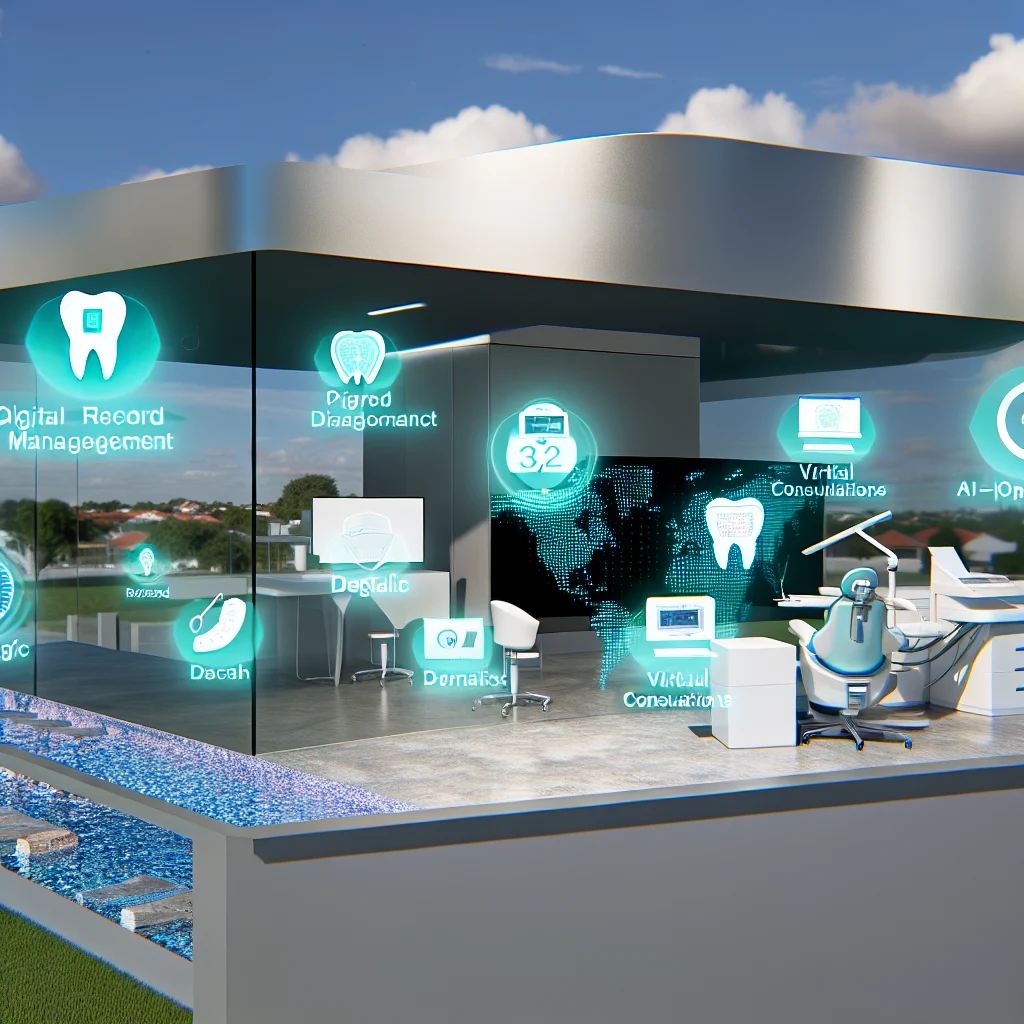
In the rapidly evolving landscape of dental care, compliance with regulatory standards is paramount. Dental practices are increasingly turning to advanced dental software to navigate the complex web of compliance requirements. This shift is not merely a trend but a necessity, as the integration of technology in dental practices offers a robust framework for ensuring adherence to legal and ethical standards. The role of advanced dental software in modern practices is multifaceted, providing solutions that streamline operations, enhance patient care, and ensure compliance with regulations such as the Health Insurance Portability and Accountability Act (HIPAA).
One of the primary benefits of advanced dental software is its ability to manage patient records efficiently. Electronic Health Records (EHR) systems, for instance, are designed to store and organize patient information securely. This not only facilitates easy access to patient data but also ensures that sensitive information is protected against unauthorized access. By automating the documentation process, dental software minimizes the risk of human error, which is crucial in maintaining compliance with data protection regulations. Moreover, these systems often come equipped with audit trails that track access and modifications to patient records, providing an additional layer of security and accountability.
In addition to safeguarding patient information, advanced dental software plays a critical role in streamlining billing and coding processes. Accurate billing is essential for compliance with insurance regulations and for avoiding potential legal issues. Dental software solutions often include features that automate the coding process, reducing the likelihood of errors that could lead to claims denials or audits. By ensuring that billing practices are consistent with industry standards, dental practices can avoid costly penalties and maintain a positive reputation with both patients and insurers.
Furthermore, advanced dental software enhances communication within the practice and with external entities. Secure messaging systems allow for the safe exchange of information between dental professionals, laboratories, and insurance companies. This not only improves the efficiency of operations but also ensures that all communications are compliant with privacy regulations. Additionally, patient portals integrated into dental software systems empower patients to access their health information, schedule appointments, and communicate with their providers securely. This transparency fosters trust and engagement, which are essential components of a successful dental practice.
Training and education are also integral to compliance, and advanced dental software can facilitate these efforts. Many software solutions offer training modules and resources that keep dental professionals informed about the latest regulatory changes and best practices. By providing ongoing education, these systems help ensure that all staff members are knowledgeable about compliance requirements and are equipped to implement them effectively.
Moreover, the analytical capabilities of advanced dental software cannot be overlooked. These systems often include reporting tools that provide insights into practice performance and compliance metrics. By analyzing this data, dental practices can identify areas for improvement and implement strategies to enhance compliance. This proactive approach not only mitigates risks but also contributes to the overall efficiency and success of the practice.
In conclusion, the integration of advanced dental software in modern practices is indispensable for navigating the complexities of dental compliance. By enhancing data security, streamlining operations, and facilitating communication, these technological solutions provide a comprehensive framework for ensuring adherence to regulatory standards. As the dental industry continues to evolve, the role of advanced dental software will undoubtedly become even more critical in supporting compliance and promoting excellence in patient care.
Enhancing Patient Care Through Dental Technology: The Importance Of IT Upgrades
In the rapidly evolving landscape of healthcare, dental practices are increasingly recognizing the pivotal role that technology plays in enhancing patient care. As dental technology continues to advance, the importance of IT upgrades becomes ever more apparent. These upgrades not only streamline operations but also significantly improve the quality of care provided to patients. By integrating cutting-edge technology into their practices, dental professionals can offer more accurate diagnoses, efficient treatments, and an overall improved patient experience.
One of the most significant advancements in dental technology is the adoption of digital imaging systems. Traditional X-rays, while still in use, are gradually being replaced by digital radiography. This transition offers numerous benefits, including reduced radiation exposure for patients and immediate access to high-quality images. Digital images can be easily enhanced, shared, and stored, facilitating better communication between dental professionals and their patients. Moreover, these images can be integrated into electronic health records, ensuring that patient information is comprehensive and readily accessible.
In addition to digital imaging, the implementation of computer-aided design and computer-aided manufacturing (CAD/CAM) systems has revolutionized restorative dentistry. These systems allow for the precise design and fabrication of dental restorations, such as crowns and bridges, in a fraction of the time required by traditional methods. As a result, patients benefit from shorter treatment times and more comfortable procedures. Furthermore, the accuracy of CAD/CAM technology ensures that restorations fit perfectly, reducing the likelihood of complications and the need for adjustments.
Another area where IT upgrades are making a significant impact is in practice management software. Modern dental practices are increasingly relying on sophisticated software solutions to manage appointments, billing, and patient records. These systems not only improve administrative efficiency but also enhance the patient experience by reducing wait times and minimizing errors. Automated appointment reminders and online scheduling options further contribute to a seamless patient journey, fostering a sense of trust and satisfaction.
Tele-dentistry is yet another technological advancement that is transforming patient care. By leveraging video conferencing and secure messaging platforms, dental professionals can provide consultations and follow-up care remotely. This is particularly beneficial for patients in rural or underserved areas who may have limited access to dental services. Tele-dentistry also offers a convenient option for patients with busy schedules, allowing them to receive expert advice without the need for an in-person visit.
While the benefits of dental technology are undeniable, it is crucial for practices to stay abreast of the latest developments and invest in regular IT upgrades. This not only ensures that they remain competitive but also that they continue to provide the highest standard of care. However, implementing new technology requires careful planning and consideration. Dental practices must evaluate their specific needs, budget constraints, and the potential return on investment before making any decisions. Additionally, staff training is essential to ensure that new systems are used effectively and that patient data is handled securely.
In conclusion, the integration of advanced dental technology and IT upgrades is essential for enhancing patient care. From digital imaging and CAD/CAM systems to practice management software and tele-dentistry, these innovations offer numerous benefits that improve both the efficiency of dental practices and the quality of care provided. As technology continues to evolve, dental professionals must remain committed to embracing these changes, ensuring that they are well-equipped to meet the needs of their patients in an increasingly digital world.
Securing Your Practice: Best Practices For Dental Technology And IT Security
In the rapidly evolving landscape of dental technology, ensuring the security of your practice’s IT infrastructure is paramount. As dental practices increasingly rely on digital solutions for patient management, diagnostics, and treatment planning, the need for robust IT security measures becomes ever more critical. The integration of advanced technologies, while enhancing the quality of care, also introduces potential vulnerabilities that must be addressed to protect sensitive patient information and maintain the integrity of your practice.
To begin with, understanding the specific risks associated with dental technology is essential. Dental practices handle a vast amount of sensitive data, including personal, medical, and financial information. This makes them attractive targets for cybercriminals seeking to exploit vulnerabilities for financial gain. Consequently, implementing comprehensive security protocols is not just a regulatory requirement but a fundamental aspect of safeguarding your practice’s reputation and trustworthiness.
One of the foundational steps in securing your dental practice is to conduct a thorough risk assessment. This involves identifying potential threats and vulnerabilities within your IT systems and evaluating the potential impact of a security breach. By understanding where your practice is most at risk, you can prioritize security measures and allocate resources more effectively. Regular risk assessments should be part of an ongoing strategy to adapt to new threats and technological advancements.
Following the risk assessment, it is crucial to establish a robust cybersecurity framework. This includes implementing strong access controls to ensure that only authorized personnel have access to sensitive data. Utilizing multi-factor authentication and regularly updating passwords can significantly reduce the risk of unauthorized access. Additionally, encrypting data both in transit and at rest adds an extra layer of protection, making it more difficult for cybercriminals to access or exploit patient information.
Moreover, maintaining up-to-date software and systems is a critical component of IT security. Software vendors frequently release updates and patches to address newly discovered vulnerabilities. Ensuring that all systems, including dental-specific software and general IT infrastructure, are regularly updated can prevent exploitation of known security flaws. Automated update systems can help streamline this process, reducing the burden on your IT staff and minimizing the risk of human error.
In addition to technical measures, fostering a culture of security awareness among your staff is vital. Human error remains one of the leading causes of data breaches, often due to phishing attacks or inadvertent data mishandling. Regular training sessions can educate your team about the latest cybersecurity threats and best practices for data protection. Encouraging a proactive approach to security, where staff feel empowered to report suspicious activities, can further enhance your practice’s defenses.
Furthermore, developing a comprehensive incident response plan is essential for minimizing the impact of a potential security breach. This plan should outline clear procedures for identifying, containing, and mitigating security incidents, as well as protocols for communicating with affected parties and regulatory bodies. Regularly testing and updating this plan ensures that your practice is prepared to respond swiftly and effectively in the event of a breach.
In conclusion, securing your dental practice’s technology and IT infrastructure requires a multifaceted approach that combines technical safeguards, regular risk assessments, staff training, and incident response planning. By prioritizing IT security, you not only protect sensitive patient data but also reinforce the trust and confidence that patients place in your practice. As dental technology continues to advance, staying vigilant and proactive in your security efforts will be key to navigating the challenges and opportunities of the digital age.
Unlock the future of your dental practice with cutting-edge Dental IT Insights! Discover the top 14 dental technologies revolutionizing patient care and practice efficiency. [Explore Now](https://comptss.com)