Revolutionizing Patient Care: The Role of AI in Healthcare
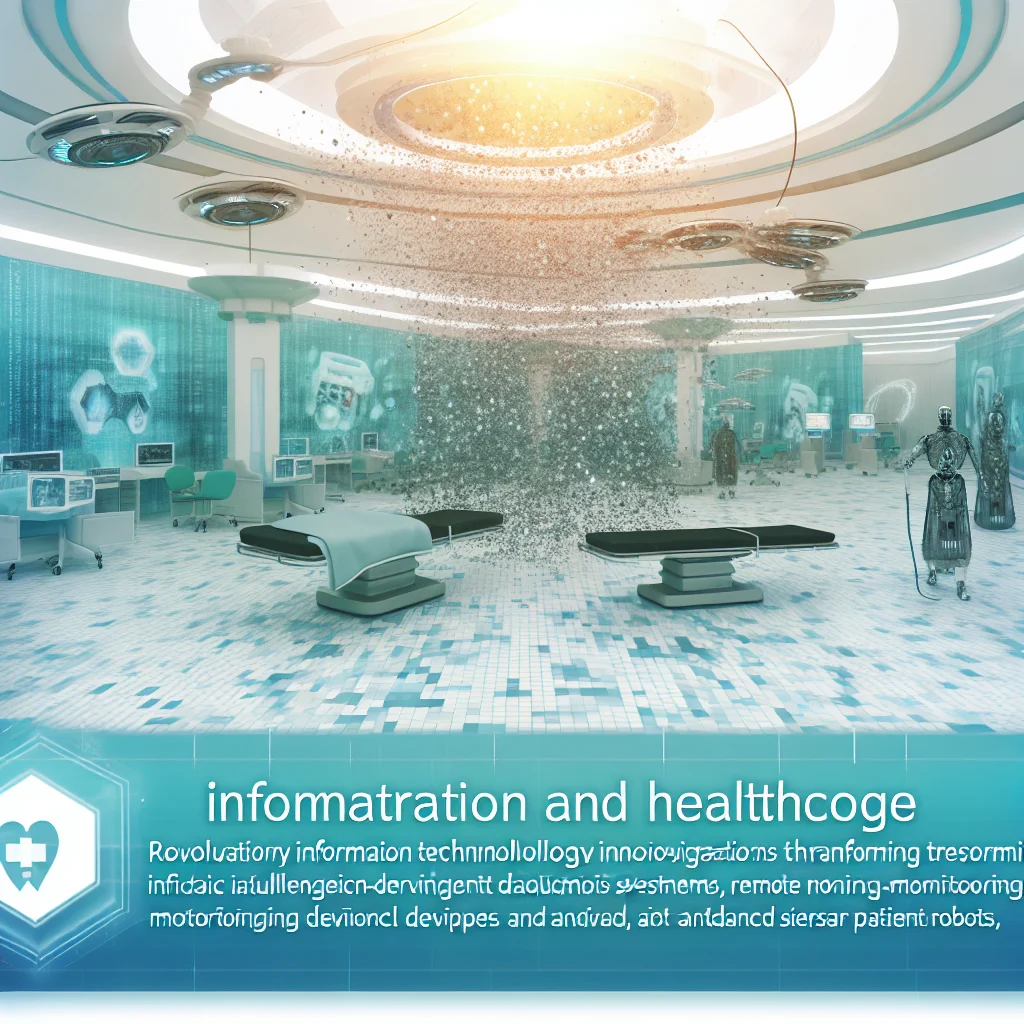
The integration of artificial intelligence (AI) into healthcare is revolutionizing patient care, offering unprecedented opportunities to enhance medical outcomes and streamline operations. As AI technologies continue to evolve, they are increasingly being utilized to improve diagnostic accuracy, personalize treatment plans, and optimize resource management within healthcare systems. This transformation is not only reshaping the way healthcare professionals approach patient care but also redefining the patient experience itself.
One of the most significant contributions of AI in healthcare is its ability to process vast amounts of data quickly and accurately. By analyzing complex datasets, AI algorithms can identify patterns and correlations that may not be immediately apparent to human clinicians. This capability is particularly valuable in diagnostic processes, where AI can assist in interpreting medical images such as X-rays, MRIs, and CT scans. For instance, AI-powered tools have demonstrated remarkable proficiency in detecting anomalies and early signs of diseases like cancer, often with a level of precision that rivals or even surpasses that of experienced radiologists. Consequently, this not only accelerates the diagnostic process but also enhances the accuracy of diagnoses, leading to more timely and effective interventions.
Moreover, AI is playing a pivotal role in the development of personalized medicine. By leveraging machine learning algorithms, healthcare providers can analyze individual patient data, including genetic information, lifestyle factors, and medical history, to tailor treatment plans that are specifically suited to each patient’s unique needs. This personalized approach not only improves the efficacy of treatments but also minimizes the risk of adverse reactions, thereby enhancing patient safety and satisfaction. As a result, AI-driven personalized medicine is paving the way for more targeted therapies and improved patient outcomes.
In addition to diagnostics and personalized medicine, AI is also transforming the operational aspects of healthcare. By automating routine tasks and optimizing resource allocation, AI systems can significantly reduce the administrative burden on healthcare professionals, allowing them to focus more on direct patient care. For example, AI-driven scheduling systems can efficiently manage appointments and staff rosters, ensuring that healthcare facilities operate smoothly and efficiently. Furthermore, AI can assist in predicting patient admission rates and resource needs, enabling hospitals to better prepare for fluctuations in demand and allocate resources accordingly.
Despite the numerous advantages of AI in healthcare, it is essential to address the challenges and ethical considerations associated with its implementation. Ensuring data privacy and security is paramount, as the use of AI involves handling sensitive patient information. Additionally, there is a need for transparency in AI algorithms to ensure that they are free from biases that could lead to disparities in healthcare delivery. As such, ongoing collaboration between technologists, healthcare professionals, and policymakers is crucial to establish robust frameworks that govern the ethical use of AI in healthcare.
In conclusion, the role of AI in healthcare is undeniably transformative, offering innovative solutions that enhance patient care and improve operational efficiency. As AI technologies continue to advance, their integration into healthcare systems will likely become even more profound, driving further innovations and setting new standards for medical practice. By embracing these technological advancements, the healthcare industry can look forward to a future where patient care is not only more efficient but also more personalized and effective.
Enhancing Health Information Systems: IT Innovations for Better Data Management
In recent years, the healthcare industry has witnessed a transformative shift driven by the integration of information technology, particularly in the realm of health information systems. These innovations are not only enhancing the efficiency of data management but are also paving the way for improved patient care and streamlined operations. As healthcare providers increasingly rely on digital solutions, the importance of robust health information systems cannot be overstated. These systems serve as the backbone of modern healthcare, facilitating the seamless exchange of information across various platforms and stakeholders.
One of the most significant advancements in this area is the development of electronic health records (EHRs). EHRs have revolutionized the way patient information is stored, accessed, and shared. By digitizing patient records, healthcare providers can ensure that critical information is readily available to authorized personnel, thereby reducing the risk of errors and enhancing the quality of care. Moreover, EHRs enable healthcare professionals to track patient histories more efficiently, leading to more informed decision-making and personalized treatment plans. As a result, the adoption of EHRs has become a cornerstone of modern healthcare systems.
In addition to EHRs, the integration of big data analytics into health information systems is another groundbreaking innovation. By harnessing the power of big data, healthcare providers can analyze vast amounts of information to identify trends, predict outcomes, and optimize resource allocation. This capability is particularly valuable in the context of population health management, where data-driven insights can inform strategies to address public health challenges and improve overall health outcomes. Furthermore, big data analytics can aid in the early detection of diseases, allowing for timely interventions and potentially saving lives.
Another critical aspect of IT innovations in healthcare is the implementation of interoperability standards. Interoperability ensures that different health information systems can communicate and exchange data effectively, regardless of the platform or vendor. This capability is essential for creating a cohesive healthcare ecosystem where information flows seamlessly between hospitals, clinics, laboratories, and other entities. By promoting interoperability, healthcare providers can enhance collaboration, reduce redundancies, and improve patient outcomes. Moreover, interoperability facilitates the integration of emerging technologies, such as telemedicine and wearable devices, into existing health information systems.
The rise of cloud computing has also played a pivotal role in transforming health information systems. Cloud-based solutions offer scalable, cost-effective, and secure platforms for storing and managing healthcare data. By leveraging the cloud, healthcare organizations can reduce their reliance on physical infrastructure, lower operational costs, and enhance data accessibility. Additionally, cloud computing supports real-time data sharing and collaboration, enabling healthcare providers to deliver more responsive and coordinated care.
Despite these advancements, the implementation of IT innovations in healthcare is not without challenges. Data security and privacy concerns remain paramount, as healthcare organizations must safeguard sensitive patient information against cyber threats. To address these issues, robust cybersecurity measures and compliance with regulations such as the Health Insurance Portability and Accountability Act (HIPAA) are essential. Furthermore, the successful integration of IT solutions requires ongoing training and support for healthcare professionals to ensure they can effectively utilize these tools.
In conclusion, IT innovations in health information systems are reshaping the landscape of healthcare, offering unprecedented opportunities for improved data management and patient care. As technology continues to evolve, healthcare providers must embrace these advancements to stay at the forefront of medical technology and deliver the highest quality of care to their patients. By prioritizing the development and implementation of cutting-edge IT solutions, the healthcare industry can look forward to a future where data-driven insights and seamless information exchange are the norm.
Securing Patient Data: Advances in Healthcare Data Security
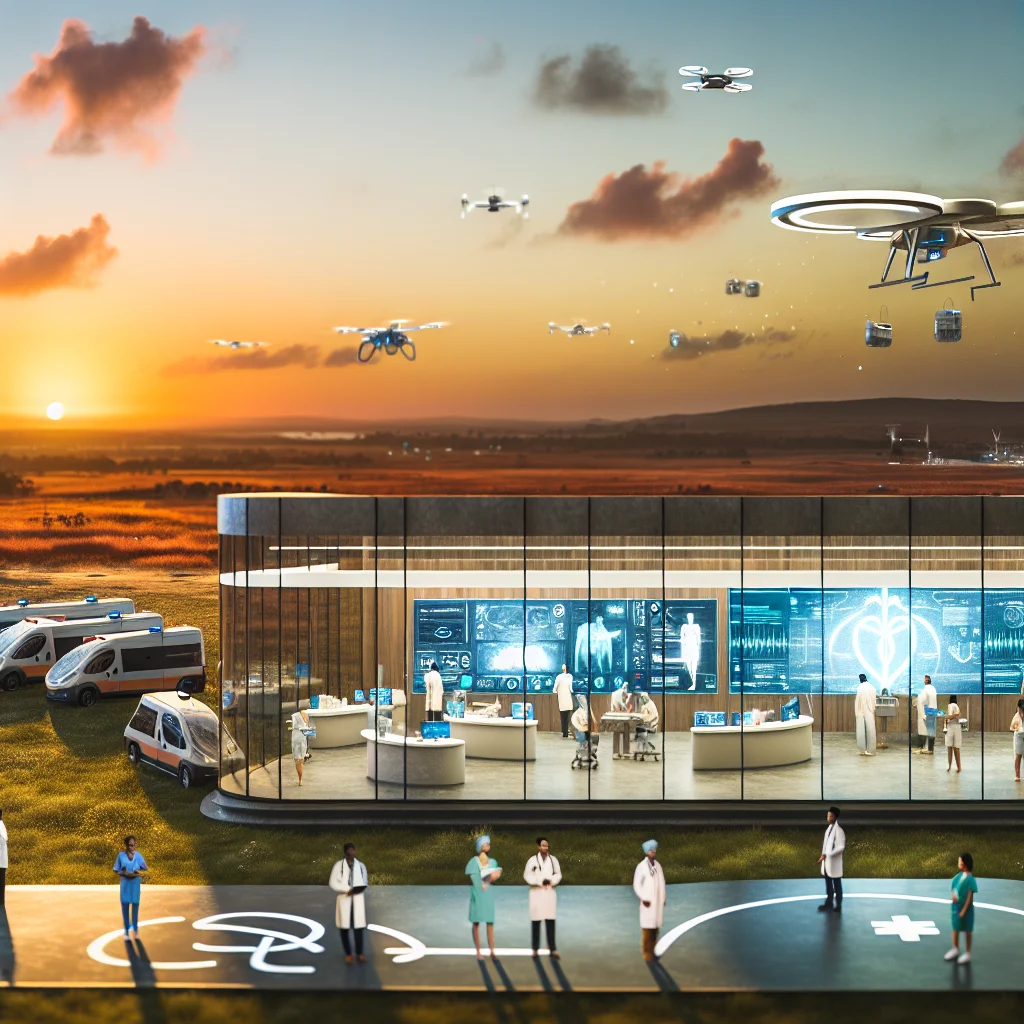
In the rapidly evolving landscape of healthcare, the integration of information technology has brought about transformative changes, particularly in the realm of data security. As medical technology advances, the need to secure patient data becomes increasingly paramount. The digitalization of health records, while offering numerous benefits, also presents significant challenges in safeguarding sensitive information. Consequently, healthcare organizations are investing in innovative IT solutions to enhance data security and protect patient privacy.
One of the primary drivers of this focus on data security is the increasing prevalence of cyber threats. Healthcare data is a lucrative target for cybercriminals due to the wealth of personal information it contains. In response, healthcare providers are adopting advanced encryption techniques to ensure that patient data remains confidential and secure. Encryption transforms data into a coded format that can only be accessed by authorized individuals, thereby providing a robust layer of protection against unauthorized access.
Moreover, the implementation of blockchain technology is gaining traction as a means to secure healthcare data. Blockchain offers a decentralized and immutable ledger system that enhances transparency and traceability. By recording transactions in a secure and tamper-proof manner, blockchain can significantly reduce the risk of data breaches. This technology not only ensures the integrity of patient records but also facilitates secure data sharing among healthcare providers, thereby improving the continuity of care.
In addition to encryption and blockchain, the use of artificial intelligence (AI) in healthcare data security is becoming increasingly prevalent. AI algorithms can analyze vast amounts of data to detect anomalies and potential security threats in real-time. By identifying patterns and predicting potential breaches, AI systems enable healthcare organizations to respond proactively to security incidents. This proactive approach not only mitigates risks but also minimizes the impact of any potential data breaches.
Furthermore, the adoption of multi-factor authentication (MFA) is another critical advancement in securing patient data. MFA requires users to provide multiple forms of verification before accessing sensitive information, thereby adding an extra layer of security. This approach significantly reduces the likelihood of unauthorized access, as it is not sufficient for an attacker to simply obtain a password. By incorporating biometric verification, such as fingerprint or facial recognition, MFA enhances the security of healthcare systems and protects patient data from unauthorized access.
As healthcare organizations continue to embrace these technological innovations, it is essential to recognize the importance of staff training and awareness. Human error remains one of the most significant vulnerabilities in data security. Therefore, educating healthcare professionals about best practices in data protection is crucial. Regular training sessions and awareness programs can equip staff with the knowledge and skills needed to identify and respond to potential security threats effectively.
In conclusion, the future of medical technology is inextricably linked to the advancement of IT innovations in healthcare data security. As cyber threats continue to evolve, healthcare organizations must remain vigilant and proactive in their approach to safeguarding patient information. By leveraging encryption, blockchain, AI, and multi-factor authentication, the healthcare industry can enhance data security and protect patient privacy. Moreover, fostering a culture of security awareness among healthcare professionals is essential to ensuring the integrity and confidentiality of patient data. As these innovations continue to develop, they hold the promise of a more secure and efficient healthcare system, ultimately benefiting both providers and patients alike.
The Future of Medical Technology: Integrating IT Innovations in Healthcare
The integration of information technology in healthcare has revolutionized the way medical services are delivered, offering unprecedented opportunities for improving patient outcomes and operational efficiency. As we look to the future, the role of IT innovations in healthcare is set to expand even further, driven by advancements in data analytics, artificial intelligence, and telemedicine. These technologies are not only transforming patient care but also reshaping the entire healthcare ecosystem.
One of the most significant IT innovations in healthcare is the use of big data analytics. By harnessing vast amounts of data generated from electronic health records, wearable devices, and other sources, healthcare providers can gain valuable insights into patient health trends and treatment outcomes. This data-driven approach enables more personalized and precise medical care, allowing for early detection of diseases and more effective treatment plans. Moreover, predictive analytics can help healthcare systems anticipate patient needs, optimize resource allocation, and reduce costs, ultimately leading to more sustainable healthcare delivery.
In tandem with big data, artificial intelligence (AI) is making significant strides in the medical field. AI algorithms are being developed to assist in diagnostic processes, offering faster and more accurate interpretations of medical images such as X-rays and MRIs. These AI-driven tools can identify patterns and anomalies that may be missed by the human eye, thus enhancing diagnostic accuracy and reducing the likelihood of errors. Furthermore, AI is being utilized in the development of personalized medicine, where treatment plans are tailored to the genetic makeup of individual patients, promising more effective and targeted therapies.
Telemedicine is another IT innovation that is reshaping the future of healthcare. The COVID-19 pandemic accelerated the adoption of telehealth services, highlighting their potential to provide accessible and convenient care. Through virtual consultations, patients can receive medical advice and treatment from the comfort of their homes, reducing the need for in-person visits and minimizing the risk of infection. Telemedicine also extends the reach of healthcare services to remote and underserved areas, bridging the gap in healthcare access and ensuring that more individuals receive the care they need.
The integration of IT innovations in healthcare also raises important considerations regarding data security and patient privacy. As healthcare systems become increasingly digital, the risk of cyberattacks and data breaches grows. It is imperative for healthcare organizations to implement robust cybersecurity measures to protect sensitive patient information and maintain trust in digital health solutions. This includes adopting encryption technologies, conducting regular security audits, and ensuring compliance with data protection regulations.
Looking ahead, the future of medical technology will likely see further convergence of IT innovations with other emerging technologies such as blockchain and the Internet of Things (IoT). Blockchain technology holds promise for enhancing data security and interoperability, enabling secure sharing of medical records across different healthcare providers. Meanwhile, IoT devices, such as smart sensors and connected medical equipment, can facilitate real-time monitoring of patient health, providing continuous data that can be used to improve care management and outcomes.
In conclusion, the integration of IT innovations in healthcare is poised to transform the future of medical technology, offering new possibilities for improving patient care and operational efficiency. As these technologies continue to evolve, it is crucial for healthcare providers to embrace and adapt to these changes, ensuring that they are equipped to meet the challenges and opportunities of a rapidly advancing digital landscape. By doing so, they can pave the way for a more efficient, effective, and equitable healthcare system.
Transforming Healthcare Delivery: The Impact of IT Innovations on Patient Care
The integration of information technology into healthcare has revolutionized the way medical services are delivered, significantly enhancing patient care. As the digital age progresses, IT innovations continue to transform healthcare delivery, offering unprecedented opportunities to improve patient outcomes, streamline operations, and reduce costs. One of the most significant advancements in this realm is the adoption of electronic health records (EHRs). EHRs have replaced traditional paper records, providing healthcare professionals with instant access to patient information, which facilitates more accurate diagnoses and personalized treatment plans. This digital transformation not only improves the efficiency of healthcare providers but also enhances the continuity of care, as patient data can be easily shared across different healthcare settings.
Moreover, telemedicine has emerged as a pivotal IT innovation, particularly in the wake of the COVID-19 pandemic. Telemedicine platforms enable patients to consult with healthcare providers remotely, breaking down geographical barriers and making healthcare more accessible to those in rural or underserved areas. This technology not only ensures that patients receive timely medical attention but also reduces the burden on healthcare facilities, allowing them to allocate resources more effectively. Furthermore, telemedicine has proven to be a valuable tool in managing chronic conditions, as it allows for continuous monitoring and follow-up without the need for frequent in-person visits.
In addition to telemedicine, wearable technology has gained traction as a means of enhancing patient care. Devices such as smartwatches and fitness trackers collect real-time data on vital signs, physical activity, and sleep patterns, empowering patients to take a proactive role in managing their health. Healthcare providers can leverage this data to gain insights into a patient’s lifestyle and make informed decisions about their treatment plans. This shift towards preventive care not only improves patient outcomes but also reduces the incidence of costly medical interventions.
Artificial intelligence (AI) is another transformative force in healthcare, offering the potential to revolutionize diagnostics and treatment. AI algorithms can analyze vast amounts of medical data with remarkable speed and accuracy, identifying patterns and anomalies that may be overlooked by human practitioners. This capability is particularly beneficial in fields such as radiology and pathology, where AI can assist in the early detection of diseases like cancer. By augmenting the expertise of healthcare professionals, AI enhances diagnostic precision and enables more targeted therapies, ultimately improving patient care.
Furthermore, the advent of blockchain technology in healthcare promises to enhance data security and interoperability. Blockchain’s decentralized nature ensures that patient data is stored securely and can be accessed only by authorized parties, addressing concerns about data breaches and privacy. Additionally, blockchain facilitates seamless data exchange between different healthcare systems, promoting collaboration and improving the overall quality of care.
As these IT innovations continue to evolve, they hold the potential to reshape the healthcare landscape fundamentally. However, it is essential to address challenges such as data privacy, cybersecurity, and the digital divide to ensure that these technologies are implemented effectively and equitably. By embracing these innovations, the healthcare industry can move towards a future where patient care is more personalized, efficient, and accessible, ultimately leading to better health outcomes for all.
Discover the transformative power of IT innovations in healthcare and explore the future of medical technology. Stay ahead in the rapidly evolving landscape of healthcare advancements. Learn more.