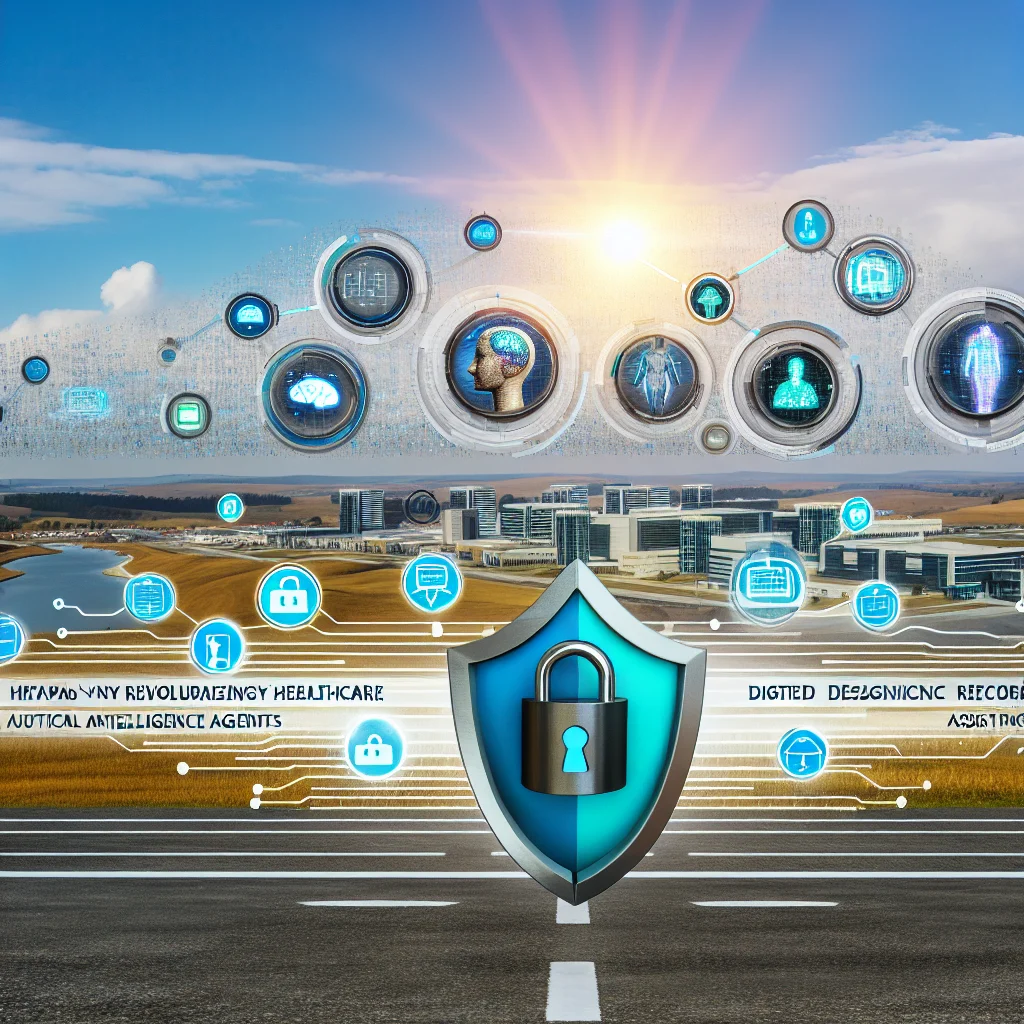
Revolutionizing Healthcare Systems: The Role of Modern IT Strategies in Enhancing Medical Data Management
In recent years, the healthcare industry has witnessed a transformative shift driven by the integration of modern information technology strategies. This evolution is not merely a trend but a necessary adaptation to the growing demands for efficient, accurate, and secure medical data management. As healthcare systems strive to improve patient outcomes and operational efficiency, the role of IT in revolutionizing these systems has become increasingly pivotal.
One of the most significant contributions of modern IT strategies to healthcare is the enhancement of electronic health records (EHRs). EHRs have replaced traditional paper records, offering a more streamlined and accessible way to store and retrieve patient information. This digital transformation allows healthcare providers to access comprehensive patient histories at the click of a button, facilitating more informed decision-making and reducing the likelihood of medical errors. Moreover, EHRs enable seamless communication between different healthcare providers, ensuring continuity of care and improving patient outcomes.
In addition to EHRs, the advent of big data analytics has further revolutionized medical data management. By harnessing the power of big data, healthcare systems can analyze vast amounts of information to identify patterns, predict trends, and make data-driven decisions. This capability is particularly beneficial in areas such as disease surveillance, where early detection of outbreaks can lead to timely interventions and potentially save lives. Furthermore, big data analytics can enhance personalized medicine by allowing healthcare providers to tailor treatments based on individual patient data, thereby improving the efficacy of medical interventions.
Cloud computing is another modern IT strategy that has significantly impacted healthcare systems. By migrating data storage and processing to the cloud, healthcare organizations can achieve greater scalability, flexibility, and cost-effectiveness. Cloud-based solutions facilitate real-time data sharing and collaboration among healthcare professionals, regardless of their geographical location. This capability is especially crucial in emergency situations, where rapid access to patient data can be a matter of life and death. Additionally, cloud computing offers robust security measures to protect sensitive medical information, addressing concerns about data privacy and compliance with regulations such as the Health Insurance Portability and Accountability Act (HIPAA).
Telemedicine, powered by modern IT strategies, has also emerged as a vital component of contemporary healthcare systems. By leveraging video conferencing, mobile apps, and remote monitoring devices, telemedicine enables healthcare providers to deliver care to patients in remote or underserved areas. This approach not only expands access to healthcare services but also reduces the burden on traditional healthcare facilities, allowing them to focus on more critical cases. Telemedicine has proven particularly valuable during the COVID-19 pandemic, where it has facilitated continuity of care while minimizing the risk of virus transmission.
Despite these advancements, the integration of modern IT strategies in healthcare is not without challenges. Issues such as interoperability, data security, and the digital divide must be addressed to fully realize the potential of IT in healthcare. Interoperability, or the ability of different IT systems to communicate and exchange data, is essential for creating a cohesive healthcare ecosystem. Meanwhile, ensuring data security is paramount to maintaining patient trust and safeguarding sensitive information. Lastly, bridging the digital divide is crucial to ensure that all patients, regardless of their socioeconomic status, can benefit from technological advancements in healthcare.
In conclusion, modern IT strategies are revolutionizing healthcare systems by enhancing medical data management and improving patient care. As technology continues to evolve, healthcare organizations must remain agile and proactive in adopting these innovations to meet the ever-changing needs of patients and providers alike. By doing so, they can pave the way for a more efficient, effective, and equitable healthcare system.
Clinical Support and Health IT Trends: Navigating the Future of Healthcare Systems
In the rapidly evolving landscape of healthcare, the integration of modern IT strategies into clinical support systems is becoming increasingly crucial. As healthcare systems strive to enhance patient care, improve operational efficiency, and reduce costs, the role of health information technology (IT) has never been more significant. The convergence of healthcare and IT is not merely a trend but a fundamental shift that is reshaping the future of healthcare systems globally.
One of the primary drivers of this transformation is the need for improved data management and accessibility. Electronic Health Records (EHRs) have become a cornerstone of modern healthcare IT strategies, enabling healthcare providers to access patient information swiftly and accurately. This accessibility not only enhances the quality of care but also facilitates better coordination among healthcare professionals. Moreover, EHRs contribute to reducing medical errors, as they provide a comprehensive view of a patient’s medical history, allergies, and current medications.
In addition to EHRs, telemedicine has emerged as a pivotal component of healthcare IT. The COVID-19 pandemic accelerated the adoption of telehealth services, highlighting their potential to provide remote care and reduce the burden on healthcare facilities. Telemedicine offers patients the convenience of receiving medical consultations from the comfort of their homes, thereby increasing access to healthcare services, particularly for those in remote or underserved areas. As healthcare systems continue to embrace telemedicine, it is essential to address challenges such as data security and patient privacy to ensure the sustainability of these services.
Furthermore, the integration of artificial intelligence (AI) and machine learning into healthcare systems is revolutionizing clinical support. AI-driven tools can analyze vast amounts of data to identify patterns and predict patient outcomes, aiding in early diagnosis and personalized treatment plans. For instance, AI algorithms can assist radiologists in detecting anomalies in medical images, thereby improving diagnostic accuracy. As these technologies advance, they hold the promise of transforming healthcare delivery by making it more proactive and tailored to individual patient needs.
Another significant trend in healthcare IT is the use of wearable technology and mobile health applications. These devices empower patients to monitor their health in real-time, providing valuable data that can be shared with healthcare providers. Wearable technology can track vital signs, physical activity, and even sleep patterns, offering insights into a patient’s overall health and well-being. This data-driven approach enables healthcare providers to make informed decisions and engage patients in their own care, fostering a collaborative relationship between patients and providers.
As healthcare systems navigate the future, it is imperative to address the challenges associated with the integration of IT strategies. Interoperability remains a critical issue, as disparate systems and platforms must communicate seamlessly to ensure the efficient exchange of information. Additionally, cybersecurity is a growing concern, as healthcare data breaches can have severe consequences for both patients and providers. Implementing robust security measures and adhering to regulatory standards are essential to safeguarding sensitive health information.
In conclusion, the integration of modern IT strategies into healthcare systems is a dynamic and ongoing process that holds immense potential for improving clinical support and patient outcomes. By embracing technologies such as EHRs, telemedicine, AI, and wearable devices, healthcare systems can enhance their capabilities and adapt to the changing needs of patients. As these trends continue to evolve, healthcare providers must remain vigilant in addressing challenges and leveraging opportunities to ensure a future where technology and healthcare work hand in hand to deliver exceptional care.
Ensuring HIPAA Compliance: Best Practices for Tech Integration in Healthcare IT
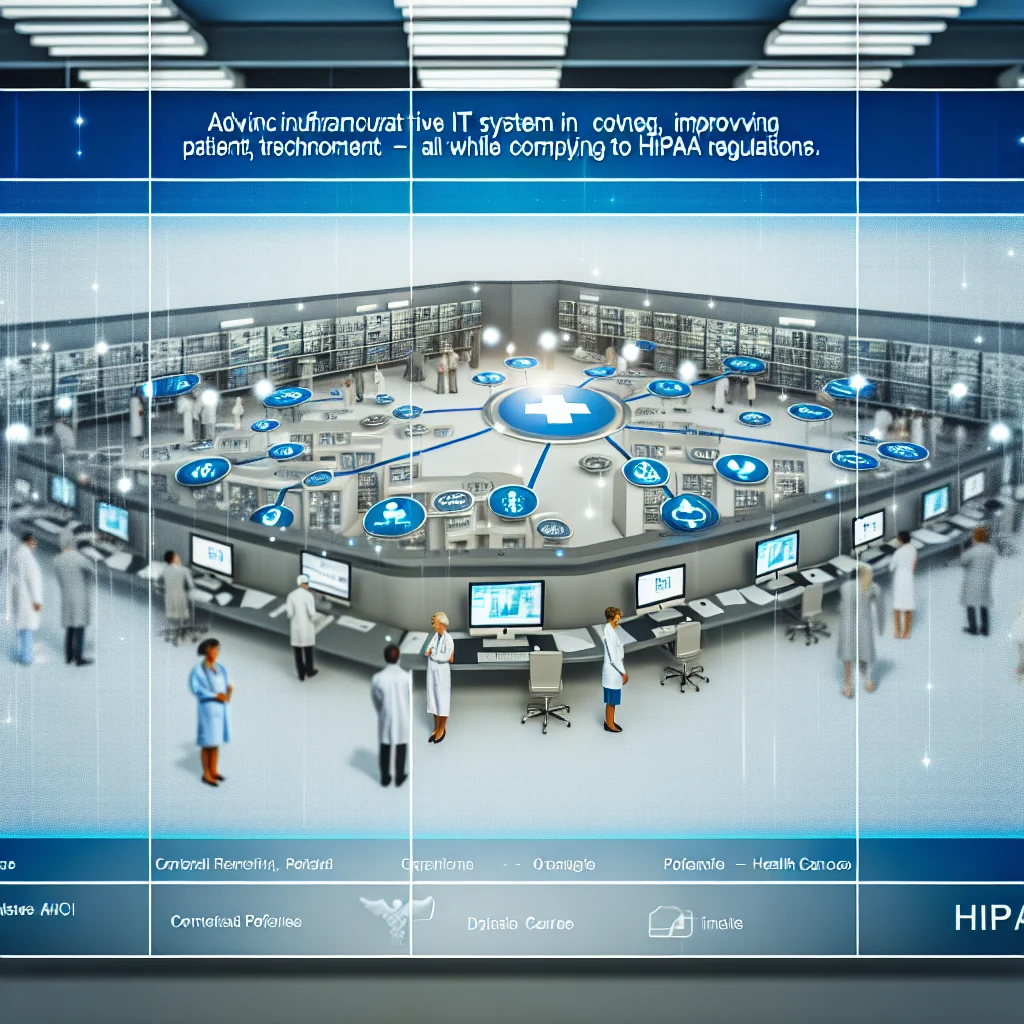
In the rapidly evolving landscape of healthcare IT, ensuring compliance with the Health Insurance Portability and Accountability Act (HIPAA) remains a critical priority for healthcare organizations. As technology continues to advance, integrating modern IT strategies into healthcare systems presents both opportunities and challenges. The primary objective is to enhance patient care while safeguarding sensitive health information. To achieve this, healthcare providers must adopt best practices that align with HIPAA regulations, ensuring that patient data is protected at every stage of its lifecycle.
One of the foundational steps in ensuring HIPAA compliance is conducting a comprehensive risk assessment. This process involves identifying potential vulnerabilities within the healthcare IT infrastructure and evaluating the likelihood and impact of potential breaches. By understanding these risks, organizations can implement targeted measures to mitigate them, thereby strengthening their overall security posture. Moreover, regular risk assessments are essential, as they allow healthcare providers to adapt to new threats and technological advancements.
In addition to risk assessments, implementing robust access controls is crucial for maintaining HIPAA compliance. Access controls ensure that only authorized personnel have access to sensitive patient information. This can be achieved through a combination of authentication mechanisms, such as multi-factor authentication, and role-based access controls that limit data access based on an individual’s job responsibilities. By restricting access to only those who need it, healthcare organizations can significantly reduce the risk of unauthorized data exposure.
Another critical aspect of HIPAA compliance is the encryption of electronic protected health information (ePHI). Encryption serves as a powerful tool in protecting data both at rest and in transit. By converting ePHI into an unreadable format, encryption ensures that even if data is intercepted or accessed by unauthorized individuals, it remains unintelligible and secure. Healthcare organizations should employ strong encryption standards and regularly update their encryption protocols to keep pace with evolving threats.
Furthermore, employee training and awareness are vital components of a successful HIPAA compliance strategy. Human error remains one of the leading causes of data breaches in healthcare. Therefore, educating staff about the importance of data privacy and security, as well as providing training on recognizing phishing attempts and other cyber threats, is essential. Regular training sessions and updates on the latest security practices can empower employees to become the first line of defense against potential breaches.
Incorporating advanced technologies, such as artificial intelligence (AI) and machine learning, can also enhance HIPAA compliance efforts. These technologies can be leveraged to monitor network activity in real-time, detect anomalies, and respond to potential threats swiftly. By automating certain security processes, healthcare organizations can improve their ability to identify and mitigate risks before they escalate into significant breaches.
Finally, establishing a culture of compliance within the organization is paramount. This involves fostering an environment where data privacy and security are prioritized at every level, from top management to frontline staff. Leadership should demonstrate a commitment to compliance by allocating resources for security initiatives and encouraging open communication about potential vulnerabilities and incidents.
In conclusion, as healthcare systems continue to integrate modern IT strategies, ensuring HIPAA compliance requires a multifaceted approach. By conducting regular risk assessments, implementing robust access controls, encrypting ePHI, providing employee training, leveraging advanced technologies, and fostering a culture of compliance, healthcare organizations can effectively protect patient data while embracing the benefits of technological advancements. Through these best practices, the healthcare industry can navigate the complexities of modern IT integration while maintaining the trust and confidence of patients.
EHR Innovations: Transforming Healthcare Systems with Advanced IT Solutions
In recent years, the healthcare industry has witnessed a significant transformation driven by the integration of advanced information technology solutions. Among these innovations, Electronic Health Records (EHRs) have emerged as a cornerstone in modernizing healthcare systems. EHRs, which are digital versions of patients’ paper charts, have revolutionized the way healthcare providers store, access, and manage patient information. This transformation is not merely a shift from paper to digital but a comprehensive overhaul that enhances the efficiency, accuracy, and quality of healthcare delivery.
The adoption of EHRs has been propelled by the need for more efficient data management and the increasing demand for interoperability among healthcare systems. Interoperability, the ability of different IT systems and software applications to communicate, exchange, and interpret shared data, is crucial in ensuring that patient information is accessible across various healthcare settings. This seamless exchange of information is vital for providing coordinated and patient-centered care, reducing the risk of errors, and improving overall patient outcomes.
Moreover, EHRs have facilitated the implementation of advanced data analytics in healthcare. By leveraging the vast amounts of data stored in EHRs, healthcare providers can gain valuable insights into patient populations, identify trends, and make informed decisions. This data-driven approach enables personalized medicine, where treatments and interventions are tailored to individual patients based on their unique health profiles. Consequently, this leads to more effective and efficient care, ultimately enhancing patient satisfaction and outcomes.
In addition to improving patient care, EHRs have also streamlined administrative processes within healthcare organizations. The automation of routine tasks, such as appointment scheduling, billing, and coding, has reduced the administrative burden on healthcare staff, allowing them to focus more on patient care. Furthermore, EHRs have improved the accuracy of medical records, minimizing the risk of errors associated with manual data entry. This increased accuracy is critical in ensuring that healthcare providers have reliable information when making clinical decisions.
Despite these advancements, the implementation of EHRs is not without challenges. One of the primary concerns is the issue of data security and privacy. As healthcare systems become increasingly digital, the risk of cyberattacks and data breaches grows. Protecting sensitive patient information is paramount, and healthcare organizations must invest in robust cybersecurity measures to safeguard their data. Additionally, the transition to EHRs requires significant investment in terms of time, money, and resources. Training staff to effectively use these systems and ensuring that they are integrated seamlessly into existing workflows can be a daunting task.
Nevertheless, the benefits of EHRs far outweigh these challenges. As technology continues to evolve, so too will the capabilities of EHR systems. Emerging technologies such as artificial intelligence and machine learning hold the potential to further enhance the functionality of EHRs, enabling predictive analytics and more sophisticated decision support systems. These advancements promise to transform healthcare delivery, making it more proactive, efficient, and patient-centered.
In conclusion, EHR innovations are at the forefront of transforming healthcare systems with advanced IT solutions. By improving data management, facilitating interoperability, and enabling data-driven decision-making, EHRs are enhancing the quality and efficiency of healthcare delivery. While challenges remain, the continued evolution of EHR technology promises to drive further improvements in patient care and outcomes, solidifying its role as a critical component of modern healthcare systems.
The Intersection of Healthcare Systems and IT: Strategies for Effective Tech Integration
In the rapidly evolving landscape of healthcare, the integration of information technology (IT) into healthcare systems has become a pivotal strategy for enhancing patient care, improving operational efficiency, and reducing costs. As healthcare organizations strive to meet the demands of an increasingly digital world, the intersection of healthcare systems and IT presents both opportunities and challenges that require careful navigation. Understanding the strategies for effective tech integration is essential for healthcare providers aiming to leverage technology to its fullest potential.
One of the primary drivers of IT integration in healthcare is the need for improved data management. Electronic Health Records (EHRs) have revolutionized the way patient information is stored and accessed, providing a centralized platform that enhances communication among healthcare providers. By facilitating seamless data exchange, EHRs enable more coordinated and informed decision-making, ultimately leading to better patient outcomes. However, the successful implementation of EHRs requires robust IT infrastructure and ongoing training for healthcare professionals to ensure they can effectively utilize these systems.
Moreover, the rise of telemedicine has underscored the importance of IT in expanding access to healthcare services. Telemedicine platforms allow patients to consult with healthcare providers remotely, breaking down geographical barriers and making healthcare more accessible to underserved populations. This shift not only requires reliable IT systems to support video conferencing and secure data transmission but also necessitates the development of new protocols to ensure patient privacy and data security. As telemedicine continues to grow, healthcare organizations must invest in IT solutions that can support these services while maintaining compliance with regulatory standards.
In addition to improving patient care, IT integration in healthcare systems can lead to significant cost savings. By automating routine administrative tasks, such as appointment scheduling and billing, healthcare providers can reduce operational costs and allocate resources more efficiently. Furthermore, advanced data analytics tools can help identify trends and patterns in patient data, enabling healthcare organizations to implement preventive measures and reduce the incidence of costly medical interventions. However, realizing these benefits requires a strategic approach to IT investment, with a focus on solutions that align with the organization’s long-term goals.
Despite the potential advantages, integrating IT into healthcare systems is not without its challenges. One of the most significant obstacles is ensuring interoperability among different IT systems. With a multitude of vendors offering various solutions, achieving seamless communication between disparate systems can be difficult. To address this issue, healthcare organizations must prioritize the adoption of standardized protocols and work towards creating a unified IT ecosystem that facilitates data sharing across platforms.
Furthermore, the rapid pace of technological advancement means that healthcare organizations must remain agile and adaptable. Continuous education and training for healthcare professionals are essential to keep pace with new technologies and ensure their effective use. Additionally, fostering a culture of innovation within healthcare organizations can encourage the exploration of new IT solutions and drive ongoing improvements in patient care.
In conclusion, the intersection of healthcare systems and IT presents a wealth of opportunities for enhancing patient care, improving operational efficiency, and reducing costs. By adopting strategic approaches to IT integration, healthcare organizations can harness the power of technology to meet the demands of a digital world. However, achieving these goals requires careful planning, investment in robust IT infrastructure, and a commitment to ongoing education and innovation. As the healthcare landscape continues to evolve, the successful integration of IT will be a critical factor in shaping the future of healthcare delivery.
Discover the latest in Healthcare IT Insights and explore how modern IT strategies are transforming healthcare systems. Learn more now!