Understanding DLP Systems: How Email Protection Prevents Data Breaches
Data Loss Prevention (DLP) systems have become an essential component in the arsenal of tools used by organizations to safeguard sensitive information. As cyber threats continue to evolve, the need for robust DLP systems has never been more critical. Among the various facets of DLP, email protection stands out as a crucial element in preventing data breaches. Understanding how email protection within DLP systems functions can provide valuable insights into how organizations can better secure their data.
Email remains one of the most common vectors for data breaches, primarily due to its ubiquitous nature and the ease with which sensitive information can be inadvertently or maliciously transmitted. DLP systems address this vulnerability by implementing a range of protective measures designed to monitor, detect, and prevent unauthorized data transfers via email. These systems employ sophisticated algorithms and predefined policies to identify sensitive data, such as personally identifiable information (PII), financial records, and intellectual property, ensuring that such data does not leave the organization without proper authorization.
One of the key features of DLP systems in email protection is content inspection. This involves scanning outgoing emails and their attachments for sensitive information. By analyzing the content in real-time, DLP systems can flag potential violations of data protection policies. For instance, if an employee attempts to send an email containing unencrypted credit card numbers, the DLP system can automatically block the email or alert the sender and the IT department, thereby preventing a potential data breach.
Moreover, DLP systems often incorporate encryption as a means of securing email communications. Encryption ensures that even if an email is intercepted by unauthorized parties, the information remains unreadable without the appropriate decryption key. This layer of security is particularly important for organizations that handle sensitive customer data or proprietary information, as it adds an additional barrier against data theft.
In addition to content inspection and encryption, DLP systems also utilize user behavior analytics to enhance email protection. By monitoring patterns in email usage, such as the frequency and volume of emails sent by an individual, DLP systems can identify anomalies that may indicate a potential security threat. For example, if an employee suddenly begins sending large volumes of data to external recipients, the system can flag this behavior for further investigation. This proactive approach allows organizations to address potential threats before they result in a data breach.
Furthermore, DLP systems provide organizations with the ability to implement granular policies tailored to their specific needs. These policies can dictate who is authorized to send certain types of information and under what circumstances. By customizing these policies, organizations can ensure that their data protection strategies align with their unique operational requirements and regulatory obligations.
In conclusion, email protection within DLP systems plays a vital role in preventing data breaches by employing a combination of content inspection, encryption, user behavior analytics, and customizable policies. As cyber threats continue to pose significant risks to organizations, understanding and implementing effective DLP strategies is essential for safeguarding sensitive information. By leveraging the capabilities of DLP systems, organizations can not only protect their data but also maintain the trust of their customers and stakeholders, ultimately contributing to their long-term success in an increasingly digital world.
Compliance Tools And DLP Systems: Ensuring Data Security And Regulatory Adherence
In today’s digital landscape, the importance of safeguarding sensitive information cannot be overstated. As organizations increasingly rely on digital data, the risk of data breaches and unauthorized access has grown exponentially. Consequently, data loss prevention (DLP) systems have emerged as critical tools in ensuring data security and regulatory compliance. These systems are designed to detect and prevent potential data breaches by monitoring, detecting, and blocking sensitive data while in use, in motion, and at rest. By implementing DLP systems, organizations can protect their valuable information assets and adhere to stringent regulatory requirements.
One of the primary functions of DLP systems is to identify sensitive data within an organization. This involves classifying data based on predefined policies and rules that align with the organization’s security and compliance objectives. By doing so, DLP systems can effectively monitor data flows and detect any anomalies or unauthorized access attempts. This proactive approach not only helps in preventing data breaches but also ensures that organizations remain compliant with various regulatory frameworks such as the General Data Protection Regulation (GDPR), the Health Insurance Portability and Accountability Act (HIPAA), and the Sarbanes-Oxley Act (SOX).
Moreover, DLP systems play a crucial role in mitigating insider threats, which are often more challenging to detect than external threats. Employees, whether intentionally or inadvertently, can pose significant risks to data security. DLP systems address this issue by monitoring user activities and enforcing policies that restrict the transfer or sharing of sensitive information. For instance, if an employee attempts to send confidential data via email or upload it to an unauthorized cloud service, the DLP system can automatically block the action and alert the security team. This level of oversight is essential in maintaining the integrity and confidentiality of sensitive data.
In addition to protecting data, DLP systems also facilitate compliance with regulatory requirements by providing detailed audit trails and reports. These features enable organizations to demonstrate their adherence to data protection laws and regulations during audits or investigations. By maintaining comprehensive records of data access and movement, DLP systems help organizations avoid hefty fines and reputational damage associated with non-compliance. Furthermore, these systems can be customized to meet the specific compliance needs of different industries, ensuring that organizations can effectively manage their unique data protection challenges.
Transitioning to the implementation aspect, deploying a DLP system requires careful planning and consideration. Organizations must first conduct a thorough assessment of their data protection needs and identify the most critical areas of risk. This involves understanding the types of sensitive data they handle, the potential threats they face, and the regulatory requirements they must comply with. Once these factors are established, organizations can select a DLP solution that best fits their needs, whether it be a network-based, endpoint-based, or cloud-based system.
In conclusion, DLP systems are indispensable tools for organizations seeking to protect their sensitive data and comply with regulatory requirements. By providing comprehensive data monitoring, threat detection, and compliance reporting, these systems help organizations mitigate the risks associated with data breaches and insider threats. As the digital landscape continues to evolve, the role of DLP systems in ensuring data security and regulatory adherence will only become more critical. Therefore, organizations must prioritize the implementation of robust DLP solutions to safeguard their information assets and maintain their competitive edge in an increasingly data-driven world.
Backup Strategies In DLP Systems: Safeguarding Against Data Loss
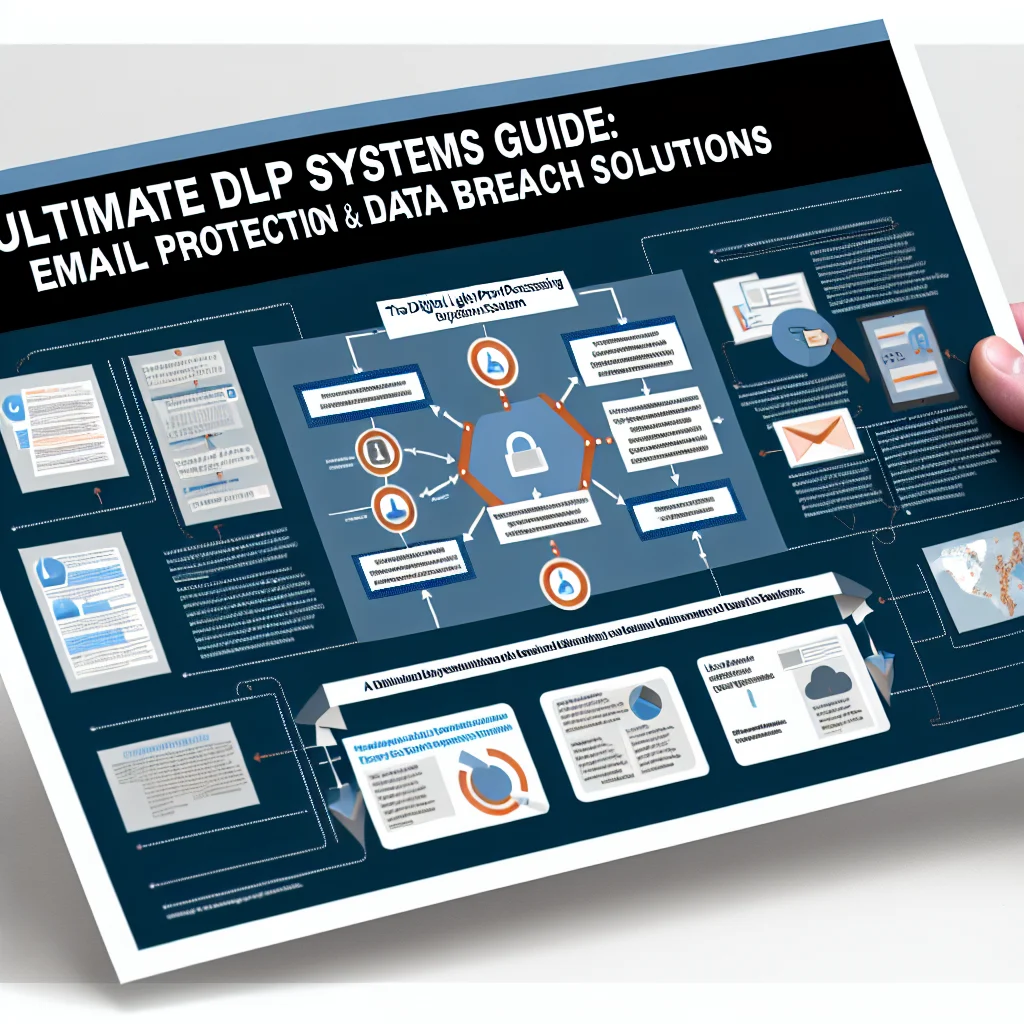
In the realm of data protection, Data Loss Prevention (DLP) systems play a pivotal role in safeguarding sensitive information from unauthorized access and breaches. As organizations increasingly rely on digital data, the importance of robust backup strategies within DLP systems cannot be overstated. These strategies are essential for ensuring that data remains secure and recoverable in the event of accidental loss, cyberattacks, or system failures. By integrating comprehensive backup solutions, organizations can enhance their DLP systems and mitigate the risks associated with data loss.
To begin with, it is crucial to understand the fundamental role of backup strategies in DLP systems. Backups serve as a safety net, providing a reliable means to restore data to its original state following any form of data loss incident. This is particularly important in today’s digital landscape, where data breaches and cyber threats are becoming increasingly sophisticated. By maintaining regular backups, organizations can ensure that they have access to the most recent and accurate versions of their data, thereby minimizing the impact of any potential data loss.
Moreover, the implementation of effective backup strategies requires a multi-faceted approach. One key aspect is the frequency of backups. Organizations must determine an appropriate backup schedule that aligns with their operational needs and the sensitivity of their data. For instance, businesses handling highly sensitive information may require daily or even real-time backups, while others may find weekly backups sufficient. This decision should be guided by a thorough risk assessment, taking into account factors such as data volume, criticality, and the potential impact of data loss on business operations.
In addition to frequency, the choice of backup medium is another critical consideration. Traditional methods, such as tape backups, have been largely supplanted by more advanced solutions like cloud-based backups. Cloud backups offer several advantages, including scalability, accessibility, and enhanced security features. By leveraging cloud technology, organizations can store their data in secure, offsite locations, thereby reducing the risk of data loss due to physical damage or localized incidents. Furthermore, cloud backups facilitate seamless data recovery, enabling organizations to quickly restore their systems and resume normal operations with minimal disruption.
Transitioning to the topic of data encryption, it is imperative to highlight its significance in backup strategies. Encrypting backup data adds an additional layer of security, ensuring that even if backup files are accessed by unauthorized individuals, the data remains unreadable and protected. This is particularly important for organizations that handle sensitive or confidential information, as it helps to maintain data integrity and confidentiality throughout the backup and recovery process.
Furthermore, regular testing and validation of backup systems are essential components of a robust backup strategy. Organizations must routinely test their backup and recovery procedures to ensure that they function as intended and that data can be successfully restored in the event of a loss. This proactive approach helps to identify and address any potential issues before they can impact business operations, thereby enhancing the overall reliability and effectiveness of the DLP system.
In conclusion, backup strategies are a critical element of Data Loss Prevention systems, providing a vital safeguard against data loss. By implementing comprehensive backup solutions that encompass frequency, medium, encryption, and regular testing, organizations can significantly enhance their data protection efforts. As the digital landscape continues to evolve, the importance of robust backup strategies within DLP systems will only continue to grow, underscoring the need for organizations to prioritize data security and resilience.
The Role Of Encryption In DLP Systems: Enhancing Data Security
In the ever-evolving landscape of data security, the role of encryption within Data Loss Prevention (DLP) systems has become increasingly pivotal. As organizations grapple with the challenges of safeguarding sensitive information, encryption emerges as a fundamental component that enhances the overall efficacy of DLP systems. By transforming readable data into an unreadable format, encryption serves as a formidable barrier against unauthorized access, thereby fortifying the security framework of any organization.
To understand the significance of encryption in DLP systems, it is essential to first appreciate the primary objectives of these systems. DLP solutions are designed to detect and prevent potential data breaches by monitoring, identifying, and blocking the unauthorized transmission of sensitive data. They operate across various channels, including email, cloud storage, and endpoint devices, ensuring that data remains secure both in transit and at rest. However, while DLP systems are adept at identifying and controlling data flows, encryption adds an additional layer of security by ensuring that even if data is intercepted, it remains inaccessible to malicious actors.
The integration of encryption into DLP systems is not merely a supplementary measure but a critical enhancement that addresses several vulnerabilities. For instance, in scenarios where data is transmitted over networks, encryption ensures that intercepted data cannot be deciphered without the appropriate decryption keys. This is particularly crucial in today’s digital environment, where cyber threats are becoming increasingly sophisticated. By encrypting data, organizations can significantly mitigate the risk of data breaches, thereby protecting their intellectual property and maintaining customer trust.
Moreover, encryption plays a vital role in compliance with regulatory requirements. Many industries are subject to stringent data protection regulations, such as the General Data Protection Regulation (GDPR) in Europe and the Health Insurance Portability and Accountability Act (HIPAA) in the United States. These regulations mandate the implementation of robust security measures to protect personal and sensitive information. By incorporating encryption into their DLP strategies, organizations can demonstrate compliance with these regulations, thereby avoiding potential legal and financial repercussions.
In addition to regulatory compliance, encryption enhances the overall resilience of DLP systems by providing a fail-safe mechanism. In the event of a security breach, encrypted data remains protected, thereby minimizing the potential damage. This aspect of encryption is particularly beneficial in cloud environments, where data is often stored and accessed remotely. By encrypting data before it is uploaded to the cloud, organizations can ensure that their information remains secure, even if the cloud provider’s security measures are compromised.
Furthermore, the role of encryption in DLP systems extends to fostering a culture of security awareness within organizations. By implementing encryption protocols, organizations signal their commitment to data security, thereby encouraging employees to adopt best practices in handling sensitive information. This cultural shift is essential in creating a holistic security environment where every member of the organization plays a part in safeguarding data.
In conclusion, the integration of encryption into DLP systems is a strategic imperative for organizations seeking to enhance their data security posture. By providing an additional layer of protection, encryption not only mitigates the risk of data breaches but also ensures compliance with regulatory standards. As cyber threats continue to evolve, the role of encryption in DLP systems will undoubtedly become even more critical, underscoring its importance as a cornerstone of modern data security strategies.
Access Control Mechanisms In DLP Systems: Protecting Sensitive Information
Data Loss Prevention (DLP) systems have become an essential component in safeguarding sensitive information within organizations. As the digital landscape continues to evolve, the need for robust access control mechanisms within these systems has never been more critical. Access control mechanisms in DLP systems serve as the first line of defense against unauthorized access and potential data breaches. By implementing these mechanisms, organizations can ensure that only authorized personnel have access to sensitive data, thereby reducing the risk of data loss or theft.
One of the primary access control mechanisms employed in DLP systems is role-based access control (RBAC). This approach assigns permissions to users based on their roles within the organization. By doing so, it ensures that employees have access only to the information necessary for their job functions. This minimizes the risk of accidental or intentional data exposure by limiting access to sensitive information. Furthermore, RBAC simplifies the management of user permissions, as changes in an employee’s role automatically update their access rights, ensuring that access remains appropriate and secure.
In addition to RBAC, attribute-based access control (ABAC) is another mechanism gaining traction in DLP systems. ABAC evaluates access requests based on a set of attributes, such as user characteristics, resource types, and environmental conditions. This dynamic approach allows for more granular control over data access, as it considers a broader range of factors when determining permissions. For instance, ABAC can restrict access to sensitive data based on the user’s location or the time of access, providing an additional layer of security that adapts to changing circumstances.
Moreover, DLP systems often incorporate multi-factor authentication (MFA) as a critical access control measure. MFA requires users to provide multiple forms of verification before granting access to sensitive information. Typically, this involves a combination of something the user knows (such as a password), something the user has (like a security token), and something the user is (such as a fingerprint). By requiring multiple forms of authentication, MFA significantly reduces the likelihood of unauthorized access, even if one factor is compromised.
Another vital aspect of access control in DLP systems is the principle of least privilege. This principle dictates that users should be granted the minimum level of access necessary to perform their duties. By adhering to this principle, organizations can limit the potential damage caused by compromised accounts or insider threats. Implementing least privilege requires regular audits of user permissions to ensure that access levels remain appropriate and that any unnecessary permissions are promptly revoked.
Furthermore, DLP systems often employ encryption as a means of protecting sensitive information. Encryption ensures that even if data is accessed by unauthorized individuals, it remains unreadable without the appropriate decryption key. This adds an additional layer of security, particularly for data in transit or stored in cloud environments, where the risk of interception is higher.
In conclusion, access control mechanisms in DLP systems play a crucial role in protecting sensitive information from unauthorized access and potential breaches. By implementing robust access control measures such as role-based and attribute-based access control, multi-factor authentication, the principle of least privilege, and encryption, organizations can significantly enhance their data security posture. As cyber threats continue to evolve, the importance of these mechanisms in safeguarding sensitive information cannot be overstated, making them an indispensable component of any comprehensive data loss prevention strategy.
Discover essential Data Loss Prevention Insights and enhance your security strategy with DLP systems. [Learn more](https://comptss.com).