The Future Of Digital Dentistry: Embracing Cutting-Edge Dental Technology
The future of digital dentistry is poised to revolutionize the way dental care is delivered, with cutting-edge technology playing a pivotal role in enhancing patient outcomes and streamlining dental practices. As we delve into the realm of digital dentistry, it becomes evident that the integration of advanced technologies is not merely a trend but a fundamental shift that is reshaping the landscape of dental care. This transformation is driven by the need for increased efficiency, accuracy, and patient satisfaction, all of which are paramount in the modern dental practice.
One of the most significant advancements in digital dentistry is the adoption of 3D printing technology. This innovation allows for the rapid production of dental prosthetics, such as crowns, bridges, and dentures, with unparalleled precision. By utilizing 3D printing, dental professionals can significantly reduce the time required to fabricate these devices, thereby enhancing the patient experience by minimizing wait times. Moreover, the accuracy of 3D-printed prosthetics ensures a better fit and improved functionality, which are crucial for patient comfort and oral health.
In addition to 3D printing, digital imaging technologies have also made substantial contributions to the field of dentistry. Cone beam computed tomography (CBCT) and digital radiography provide detailed, high-resolution images that enable dentists to diagnose and plan treatments with greater accuracy. These imaging techniques offer a comprehensive view of the patient’s oral structures, facilitating the identification of issues that may not be visible through traditional methods. Consequently, this leads to more precise treatment planning and improved patient outcomes.
Furthermore, the integration of artificial intelligence (AI) in dental practices is another promising development. AI algorithms can analyze vast amounts of data to assist in diagnosing conditions, predicting treatment outcomes, and even suggesting personalized treatment plans. This not only enhances the decision-making process for dental professionals but also ensures that patients receive the most effective and tailored care possible. As AI continues to evolve, its applications in dentistry are expected to expand, offering even more sophisticated tools for practitioners.
Another area where digital technology is making a significant impact is in patient communication and education. Virtual reality (VR) and augmented reality (AR) are being utilized to create immersive educational experiences for patients, helping them understand their oral health conditions and the proposed treatments. By visualizing complex procedures in a more accessible manner, patients are better equipped to make informed decisions about their dental care. This empowerment leads to increased patient satisfaction and engagement, which are essential components of successful treatment outcomes.
Moreover, the implementation of digital workflows in dental practices is streamlining administrative tasks and improving overall efficiency. Electronic health records (EHRs) and practice management software enable seamless communication between dental teams, ensuring that patient information is readily accessible and up-to-date. This not only reduces the likelihood of errors but also allows dental professionals to focus more on patient care rather than administrative duties.
In conclusion, the future of digital dentistry is characterized by the integration of cutting-edge technologies that enhance the precision, efficiency, and effectiveness of dental care. As these technologies continue to evolve, they hold the promise of transforming the dental industry, ultimately leading to improved patient outcomes and satisfaction. Embracing these advancements is not only beneficial for dental professionals but also for the patients they serve, as it paves the way for a new era of dental care that is more personalized, efficient, and effective than ever before.
IT Upgrades For Dental Practices: Enhancing Efficiency And Security
In the rapidly evolving landscape of dental technology, IT upgrades have become indispensable for enhancing both efficiency and security within dental practices. As the digital age progresses, dental professionals are increasingly recognizing the importance of integrating advanced IT solutions to streamline operations and safeguard sensitive patient information. This shift towards digitalization is not merely a trend but a necessity, driven by the dual imperatives of improving patient care and complying with stringent regulatory requirements.
To begin with, the integration of electronic health records (EHRs) has revolutionized the way dental practices manage patient information. EHRs facilitate seamless access to patient data, enabling dental professionals to make informed decisions quickly. This digital transformation reduces the reliance on paper records, thereby minimizing the risk of data loss and enhancing the overall efficiency of administrative processes. Moreover, EHRs allow for better coordination among healthcare providers, ensuring that patients receive comprehensive care across different medical disciplines.
In addition to EHRs, the adoption of practice management software is another critical IT upgrade that dental practices are embracing. This software streamlines various administrative tasks, such as appointment scheduling, billing, and inventory management. By automating these processes, dental practices can reduce human error, improve accuracy, and free up valuable time for staff to focus on patient care. Furthermore, practice management software often includes features for patient communication, such as automated appointment reminders, which enhance patient engagement and satisfaction.
While efficiency is a significant driver for IT upgrades, security remains a paramount concern for dental practices. The increasing digitization of patient records necessitates robust cybersecurity measures to protect sensitive information from unauthorized access and data breaches. Implementing advanced encryption protocols, multi-factor authentication, and regular security audits are essential steps in safeguarding patient data. Additionally, dental practices must ensure compliance with regulations such as the Health Insurance Portability and Accountability Act (HIPAA), which mandates strict standards for the protection of patient information.
Moreover, the rise of cloud computing has offered dental practices a flexible and scalable solution for data storage and management. Cloud-based systems provide secure access to patient records from any location, facilitating remote consultations and telehealth services. This capability is particularly beneficial in the current climate, where remote healthcare delivery has become increasingly prevalent. However, it is crucial for dental practices to partner with reputable cloud service providers that adhere to stringent security standards to ensure the confidentiality and integrity of patient data.
Furthermore, the integration of digital imaging technologies, such as intraoral scanners and 3D imaging systems, represents another significant IT upgrade for dental practices. These technologies enhance diagnostic accuracy and treatment planning, leading to improved patient outcomes. Digital imaging systems also enable better patient communication, as visual representations of dental conditions can be easily shared and explained to patients, fostering a deeper understanding of their treatment options.
In conclusion, IT upgrades are playing a pivotal role in transforming dental practices by enhancing efficiency and security. The adoption of electronic health records, practice management software, and digital imaging technologies, coupled with robust cybersecurity measures, is enabling dental professionals to deliver high-quality care while safeguarding patient information. As technology continues to advance, dental practices must remain proactive in embracing these innovations to meet the evolving needs of their patients and the regulatory landscape. By doing so, they can ensure that they are well-equipped to navigate the challenges and opportunities of the digital age.
Ensuring Practice Security: Best Practices For Dental IT Systems
In the rapidly evolving landscape of dental technology, ensuring the security of dental IT systems has become a paramount concern for practitioners. As dental practices increasingly rely on digital solutions to manage patient records, appointment scheduling, and diagnostic imaging, the need for robust cybersecurity measures has never been more critical. The integration of technology into dental practices offers numerous benefits, including improved efficiency and enhanced patient care. However, it also introduces potential vulnerabilities that must be addressed to protect sensitive patient information and maintain the trust of patients.
To begin with, one of the fundamental steps in securing dental IT systems is the implementation of strong access controls. This involves establishing unique user accounts for each staff member, ensuring that access to sensitive data is restricted based on roles and responsibilities. By doing so, practices can minimize the risk of unauthorized access and reduce the potential for data breaches. Additionally, employing multi-factor authentication adds an extra layer of security, requiring users to verify their identity through multiple means before gaining access to the system.
Moreover, regular software updates and patch management are crucial components of a comprehensive security strategy. Dental practices must ensure that all software, including operating systems and dental-specific applications, are kept up to date with the latest security patches. Cybercriminals often exploit vulnerabilities in outdated software, making it imperative for practices to stay vigilant and proactive in their update protocols. Automated update systems can assist in this endeavor, ensuring that no critical updates are overlooked.
In addition to access controls and software updates, data encryption plays a vital role in safeguarding patient information. Encrypting data both at rest and in transit ensures that even if data is intercepted or accessed without authorization, it remains unreadable and unusable to malicious actors. Dental practices should employ robust encryption standards to protect patient records, financial information, and any other sensitive data stored within their IT systems.
Furthermore, regular data backups are essential for ensuring the continuity of operations in the event of a cyber incident. By maintaining secure and up-to-date backups, dental practices can quickly restore their systems and minimize downtime in the aftermath of a data breach or ransomware attack. It is advisable to store backups in a secure, offsite location and to test the restoration process periodically to ensure its effectiveness.
Employee training and awareness are also critical components of a successful cybersecurity strategy. Dental staff should be educated on the importance of cybersecurity and trained to recognize common threats such as phishing emails and social engineering attacks. By fostering a culture of security awareness, practices can empower their employees to act as the first line of defense against potential cyber threats.
Finally, engaging with cybersecurity professionals can provide dental practices with expert guidance and support in developing and maintaining a robust security posture. These professionals can conduct risk assessments, identify vulnerabilities, and recommend tailored solutions to address specific security needs. By partnering with experts, dental practices can ensure that their IT systems are equipped to withstand the ever-evolving landscape of cyber threats.
In conclusion, as dental practices continue to embrace digital solutions, the importance of securing dental IT systems cannot be overstated. By implementing best practices such as strong access controls, regular software updates, data encryption, and employee training, dental practices can protect sensitive patient information and maintain the trust of their patients. Through a proactive and comprehensive approach to cybersecurity, dental practices can navigate the digital age with confidence and resilience.
Cloud Integration In Dentistry: Streamlining Operations And Data Management
In recent years, the integration of cloud technology in dentistry has emerged as a transformative force, streamlining operations and enhancing data management. As dental practices increasingly adopt digital solutions, the cloud offers a robust platform for managing patient information, optimizing workflows, and ensuring data security. This shift towards cloud-based systems is not merely a trend but a strategic move that addresses the evolving needs of modern dental practices.
One of the primary advantages of cloud integration in dentistry is the seamless management of patient data. Traditionally, dental practices relied on paper records or local servers, which posed challenges in terms of accessibility and data security. With cloud technology, patient records are stored in a centralized, secure environment, allowing dental professionals to access information from any location with an internet connection. This accessibility is particularly beneficial for practices with multiple locations or for professionals who need to consult patient records remotely. Moreover, cloud systems often come with advanced encryption and security protocols, ensuring that sensitive patient information is protected against unauthorized access and data breaches.
In addition to enhancing data management, cloud integration significantly streamlines operational workflows within dental practices. By leveraging cloud-based practice management software, dental offices can automate various administrative tasks such as appointment scheduling, billing, and inventory management. This automation not only reduces the burden on administrative staff but also minimizes the risk of human error, leading to more efficient and accurate operations. Furthermore, cloud solutions often offer real-time updates and analytics, providing dental professionals with valuable insights into practice performance and patient care trends. These insights enable practitioners to make informed decisions, ultimately improving the quality of care provided to patients.
Another critical aspect of cloud integration is its role in facilitating collaboration and communication among dental professionals. Cloud-based platforms enable seamless sharing of patient records, treatment plans, and diagnostic images among team members, specialists, and even patients. This collaborative approach enhances the continuity of care, as all parties involved have access to the most up-to-date information. Additionally, cloud technology supports telehealth services, allowing dental professionals to conduct virtual consultations and follow-ups with patients. This capability is particularly advantageous in situations where in-person visits are not feasible, ensuring that patients receive timely care regardless of their location.
While the benefits of cloud integration in dentistry are substantial, it is essential for dental practices to carefully consider the implementation process. Selecting a reputable cloud service provider with a proven track record in the healthcare industry is crucial to ensure compliance with regulations such as the Health Insurance Portability and Accountability Act (HIPAA). Additionally, practices must invest in training staff to effectively utilize cloud-based systems, maximizing the potential of these technologies to enhance practice operations and patient care.
In conclusion, the integration of cloud technology in dentistry represents a significant advancement in the way dental practices manage operations and patient data. By offering secure, accessible, and efficient solutions, cloud technology not only streamlines workflows but also enhances collaboration and communication among dental professionals. As the dental industry continues to evolve, embracing cloud integration will be essential for practices seeking to remain competitive and deliver high-quality care in an increasingly digital world.
Navigating Dental Compliance: Leveraging Dental Software For Regulatory Adherence
In the rapidly evolving landscape of dental care, compliance with regulatory standards is paramount. Dental practices are increasingly turning to advanced dental software solutions to ensure adherence to these regulations, thereby safeguarding patient data and maintaining the integrity of their operations. As the dental industry becomes more digitized, understanding how to leverage these technologies for regulatory compliance is essential for any practice aiming to thrive in this competitive environment.
To begin with, dental software plays a crucial role in managing patient records, which are at the heart of compliance requirements. The Health Insurance Portability and Accountability Act (HIPAA) in the United States, for instance, mandates stringent protections for patient information. Dental software systems are designed to ensure that patient data is stored securely, with encryption and access controls that prevent unauthorized access. By automating these security measures, dental practices can significantly reduce the risk of data breaches, which are not only costly but can also damage a practice’s reputation.
Moreover, dental software facilitates accurate and efficient record-keeping, which is vital for compliance with various regulatory bodies. These systems allow for the seamless integration of patient information, treatment plans, and billing records, ensuring that all data is up-to-date and easily accessible. This level of organization is crucial when practices are subject to audits or need to provide documentation to regulatory agencies. By maintaining comprehensive and accurate records, dental practices can demonstrate their commitment to compliance and avoid potential penalties.
In addition to data management, dental software also aids in compliance through its scheduling and reminder features. These tools help ensure that patients receive timely care, which is a critical component of many regulatory standards. For example, regular follow-ups and preventive care are often required to meet quality care guidelines. By automating appointment scheduling and sending reminders to patients, dental practices can improve patient adherence to treatment plans, thereby enhancing overall care quality and meeting regulatory expectations.
Furthermore, dental software can assist in the training and education of staff regarding compliance issues. Many systems offer modules or resources that keep staff informed about the latest regulatory changes and best practices. This ongoing education is vital, as regulations are frequently updated, and staying informed is necessary to maintain compliance. By utilizing these educational tools, dental practices can ensure that their staff is knowledgeable and prepared to handle compliance-related challenges.
Another significant advantage of dental software is its ability to generate detailed reports and analytics. These features allow practices to monitor their compliance status continuously and identify areas that may require improvement. By analyzing data trends and performance metrics, dental practices can proactively address potential compliance issues before they escalate. This proactive approach not only helps in maintaining compliance but also enhances the overall efficiency and effectiveness of the practice.
In conclusion, leveraging dental software for regulatory adherence is an indispensable strategy for modern dental practices. By ensuring secure data management, facilitating accurate record-keeping, automating patient care processes, providing staff education, and offering robust reporting capabilities, dental software empowers practices to navigate the complex landscape of dental compliance effectively. As technology continues to advance, the integration of these tools will become increasingly vital, enabling dental practices to not only meet regulatory requirements but also deliver exceptional patient care.
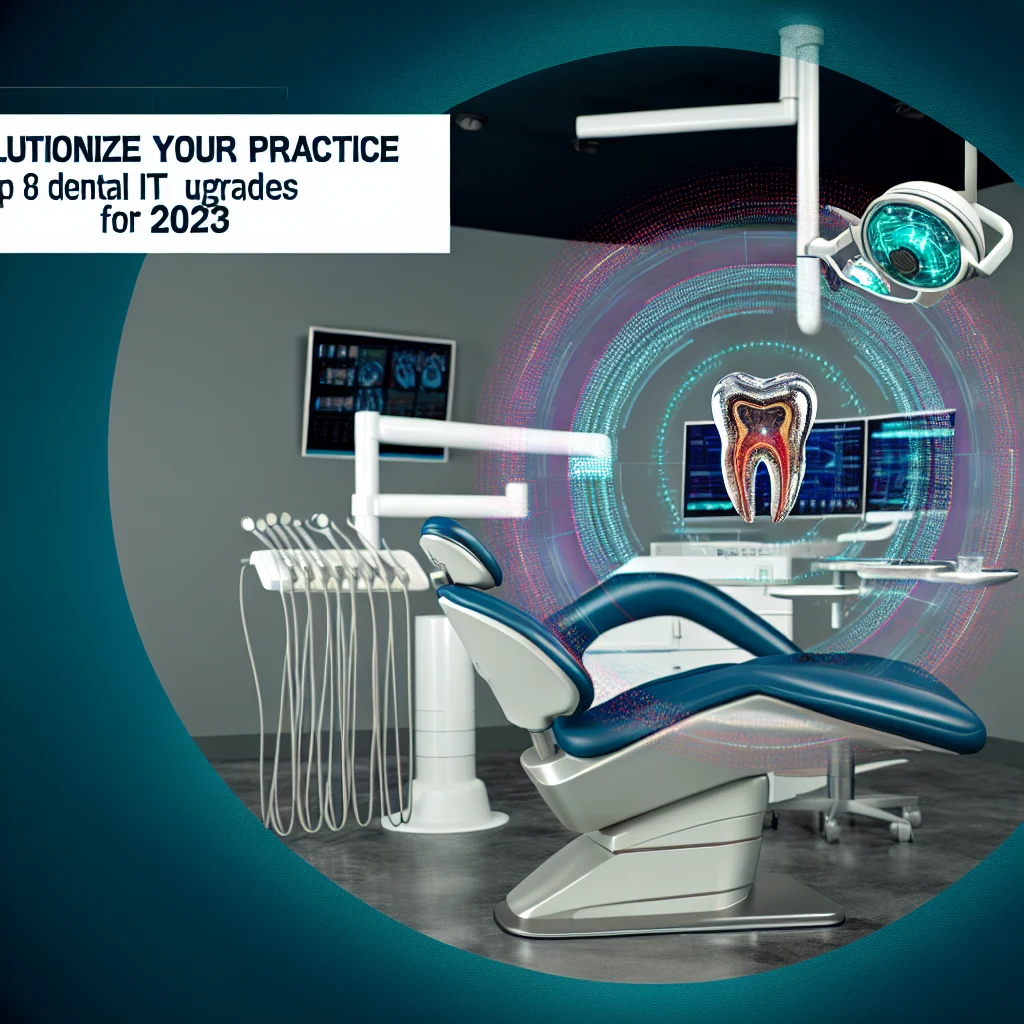
Unlock the future of your dental practice with cutting-edge Dental IT Insights! Discover the top 8 dental technologies revolutionizing patient care and practice efficiency. [Learn more now](https://comptss.com).