The Future Of Digital Dentistry: Embracing Cutting-Edge Dental Technology
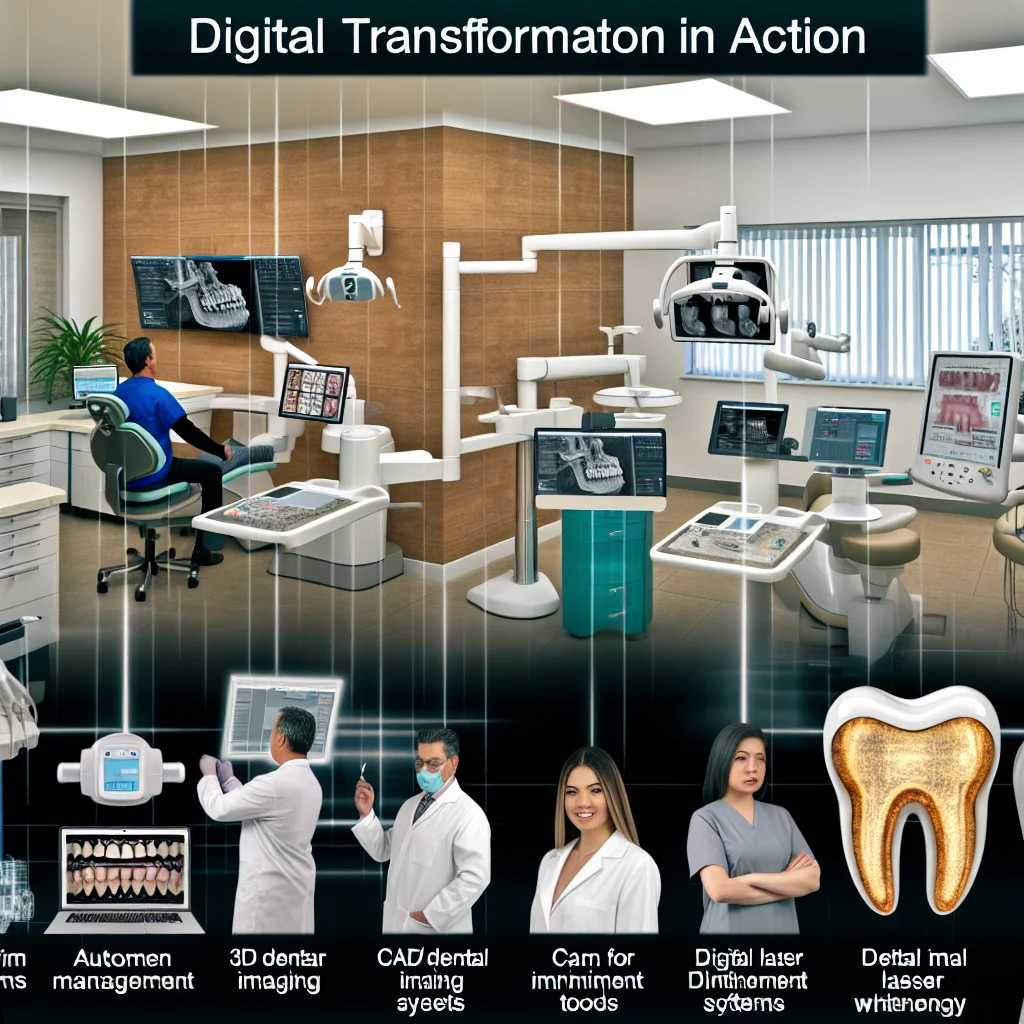
The realm of dentistry is undergoing a transformative evolution, driven by the rapid advancement of digital technology. As dental professionals strive to enhance patient care and streamline operations, embracing cutting-edge dental technology has become imperative. This shift towards digital dentistry is not merely a trend but a fundamental change in how dental services are delivered, promising a future where precision, efficiency, and patient satisfaction are paramount.
One of the most significant advancements in digital dentistry is the integration of computer-aided design and computer-aided manufacturing (CAD/CAM) systems. These technologies have revolutionized the way dental prosthetics, such as crowns and bridges, are designed and fabricated. By utilizing CAD/CAM, dental professionals can create highly accurate and customized restorations in a fraction of the time it would take using traditional methods. This not only enhances the precision of dental work but also significantly reduces the turnaround time for patients, thereby improving their overall experience.
In addition to CAD/CAM, 3D printing is making substantial inroads into the dental industry. This technology allows for the rapid production of dental models, surgical guides, and even orthodontic appliances. The ability to print complex structures with high precision has opened new possibilities for dental treatments, enabling practitioners to offer more personalized and effective solutions. As 3D printing technology continues to advance, it is expected to become an integral part of dental practices, further enhancing the capabilities of dental professionals.
Moreover, digital imaging technologies, such as cone-beam computed tomography (CBCT), have transformed diagnostic processes in dentistry. CBCT provides detailed three-dimensional images of a patient’s oral structures, allowing for more accurate diagnoses and treatment planning. This technology is particularly beneficial in complex cases, such as implant placements and orthodontic assessments, where a comprehensive understanding of the patient’s anatomy is crucial. By providing a clearer picture of the oral environment, digital imaging enhances the precision of dental procedures and contributes to better patient outcomes.
Furthermore, the advent of artificial intelligence (AI) in dentistry is poised to revolutionize the industry. AI algorithms can analyze vast amounts of data to assist in diagnosing conditions, predicting treatment outcomes, and even suggesting personalized treatment plans. This technology has the potential to augment the expertise of dental professionals, enabling them to make more informed decisions and deliver higher-quality care. As AI continues to evolve, its integration into dental practices is expected to become more widespread, offering new opportunities for innovation and improvement.
In addition to these technological advancements, the adoption of digital records and practice management software is streamlining administrative tasks within dental practices. These systems facilitate efficient scheduling, billing, and patient communication, allowing dental professionals to focus more on patient care. By reducing the administrative burden, digital solutions contribute to a more efficient and patient-centered practice environment.
As the dental industry continues to embrace these cutting-edge technologies, it is essential for dental professionals to stay informed and adapt to these changes. Continuous education and training will be crucial in ensuring that practitioners can fully leverage the benefits of digital dentistry. By doing so, they can enhance their practice, improve patient outcomes, and remain competitive in an ever-evolving landscape.
In conclusion, the future of digital dentistry is bright, with cutting-edge technologies offering unprecedented opportunities for innovation and improvement. By embracing these advancements, dental professionals can enhance the quality of care they provide, streamline their operations, and ultimately, improve the patient experience. As technology continues to evolve, the dental industry must remain agile and open to change, ensuring that it can meet the demands of the modern world and continue to thrive in the years to come.
Enhancing Practice Security: Essential IT Upgrades For Dental Offices
In the rapidly evolving landscape of dental technology, ensuring the security of patient data and the smooth operation of dental practices has become paramount. As dental offices increasingly rely on digital solutions to enhance patient care and streamline operations, the need for robust IT infrastructure and security measures has never been more critical. This article explores essential IT upgrades that dental practices should consider to enhance their security posture and protect sensitive information.
To begin with, the implementation of advanced encryption protocols is a fundamental step in safeguarding patient data. Encryption transforms sensitive information into unreadable code, ensuring that even if data is intercepted, it remains inaccessible to unauthorized individuals. Dental practices should employ encryption for both data at rest and data in transit, thereby providing a comprehensive shield against potential breaches. By adopting industry-standard encryption methods, dental offices can significantly reduce the risk of data exposure and maintain patient trust.
In addition to encryption, the adoption of multi-factor authentication (MFA) is crucial for enhancing access control within dental practices. MFA requires users to provide multiple forms of verification before accessing sensitive systems or data. This could include something the user knows, such as a password, and something the user has, like a smartphone for receiving a verification code. By implementing MFA, dental offices can add an extra layer of security, making it more difficult for unauthorized individuals to gain access to critical systems.
Moreover, regular software updates and patch management are vital components of a secure IT environment. Cyber threats are constantly evolving, and software vendors frequently release updates to address vulnerabilities and enhance security features. Dental practices should establish a routine schedule for updating all software, including operating systems, dental management software, and any other applications used within the practice. By staying current with updates, dental offices can protect themselves against known vulnerabilities and reduce the likelihood of cyberattacks.
Furthermore, the importance of a robust backup and disaster recovery plan cannot be overstated. Dental practices must ensure that they have reliable backup solutions in place to protect against data loss due to hardware failures, cyberattacks, or natural disasters. Regularly scheduled backups, stored both on-site and off-site, can provide a safety net, allowing practices to quickly recover and resume operations in the event of a data loss incident. Additionally, testing the disaster recovery plan periodically ensures that all team members are familiar with the procedures and that the plan is effective.
Transitioning to network security, dental practices should consider investing in next-generation firewalls and intrusion detection systems. These technologies provide advanced threat detection and prevention capabilities, safeguarding the practice’s network from unauthorized access and malicious activities. By monitoring network traffic and identifying suspicious behavior, these systems can alert IT personnel to potential threats, allowing for swift action to mitigate risks.
Finally, fostering a culture of security awareness among staff is essential for maintaining a secure dental practice. Regular training sessions on cybersecurity best practices can empower employees to recognize phishing attempts, understand the importance of strong passwords, and adhere to data protection protocols. By cultivating a vigilant workforce, dental offices can significantly reduce the likelihood of human error leading to security breaches.
In conclusion, as dental practices continue to embrace digital transformation, prioritizing IT security upgrades is essential for protecting patient data and ensuring operational continuity. By implementing encryption, multi-factor authentication, regular software updates, robust backup solutions, advanced network security measures, and fostering a culture of security awareness, dental offices can enhance their security posture and confidently navigate the challenges of the digital age.
Navigating Dental Software: Key Considerations For Modern Practices
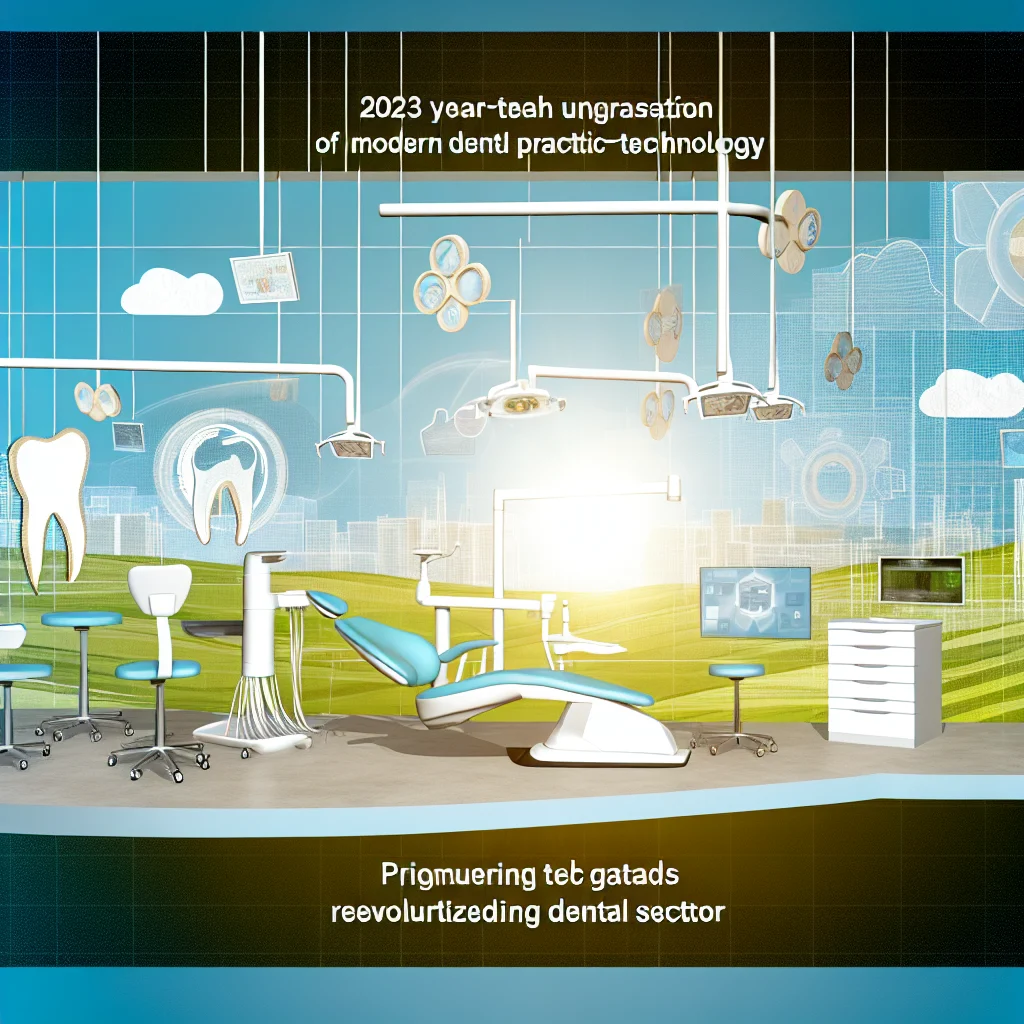
In the rapidly evolving landscape of dental technology, modern practices are increasingly reliant on sophisticated software solutions to enhance patient care, streamline operations, and maintain competitive advantage. As dental practices navigate the myriad options available, it is crucial to consider several key factors that can significantly impact the effectiveness and efficiency of their chosen software systems. Understanding these considerations can help dental professionals make informed decisions that align with their practice’s specific needs and goals.
To begin with, the integration capabilities of dental software are paramount. Seamless integration with existing systems, such as electronic health records (EHR), billing, and imaging software, is essential for ensuring a cohesive workflow. This integration not only minimizes the risk of data silos but also enhances the accuracy and accessibility of patient information. Consequently, practices should prioritize software solutions that offer robust interoperability features, allowing for smooth data exchange across platforms.
Moreover, user-friendliness is a critical aspect that cannot be overlooked. Dental professionals, including dentists, hygienists, and administrative staff, must be able to navigate the software with ease to maximize productivity and minimize errors. Intuitive interfaces and straightforward functionalities can significantly reduce the learning curve, enabling staff to focus more on patient care rather than grappling with complex software systems. Therefore, selecting software with a user-centric design is essential for fostering an efficient and stress-free working environment.
In addition to integration and usability, data security is a paramount concern in the digital age. Dental practices handle sensitive patient information, making them prime targets for cyber threats. As such, it is imperative to choose software that adheres to stringent security standards and offers robust data protection features. This includes encryption, regular security updates, and compliance with regulations such as the Health Insurance Portability and Accountability Act (HIPAA). By prioritizing security, practices can safeguard patient data and maintain trust with their clientele.
Furthermore, scalability is a vital consideration for growing practices. As a dental practice expands, its software needs may evolve, necessitating solutions that can accommodate increased patient loads and additional functionalities. Scalable software ensures that practices can seamlessly transition through growth phases without the need for frequent system overhauls. This adaptability not only saves time and resources but also supports long-term strategic planning.
Another important factor is the availability of customer support and training. Even the most advanced software can encounter issues or require updates, making reliable customer support indispensable. Practices should opt for software providers that offer comprehensive support services, including technical assistance and training programs. These resources empower staff to effectively utilize the software and address any challenges that may arise, thereby minimizing disruptions to daily operations.
Lastly, cost considerations play a significant role in the decision-making process. While it may be tempting to opt for the most affordable option, it is crucial to evaluate the software’s overall value in terms of features, support, and long-term benefits. Investing in a high-quality software solution can yield substantial returns by enhancing operational efficiency and patient satisfaction.
In conclusion, navigating dental software requires careful consideration of various factors, including integration capabilities, user-friendliness, data security, scalability, customer support, and cost. By thoroughly evaluating these aspects, dental practices can select software solutions that not only meet their current needs but also support future growth and success. As technology continues to advance, staying informed and making strategic software choices will be key to thriving in the modern dental landscape.
Ensuring Dental Compliance: Best Practices For IT Systems
In the rapidly evolving landscape of dental technology, ensuring compliance with regulatory standards is paramount for dental practices. As digital solutions become increasingly integral to dental operations, the need for robust IT systems that adhere to compliance requirements has never been more critical. Dental practices must navigate a complex web of regulations, including the Health Insurance Portability and Accountability Act (HIPAA) in the United States, which mandates the protection of patient information. To achieve this, dental practices must implement best practices for IT systems that not only enhance operational efficiency but also safeguard sensitive data.
One of the foundational steps in ensuring dental compliance is conducting a comprehensive risk assessment. This involves identifying potential vulnerabilities within the IT infrastructure and evaluating the potential impact of these risks on patient data security. By understanding where weaknesses lie, dental practices can prioritize areas that require immediate attention and allocate resources effectively. Regular risk assessments are crucial, as they allow practices to stay ahead of emerging threats and adapt to changes in the regulatory environment.
Following a risk assessment, the implementation of robust data encryption protocols is essential. Encryption serves as a critical line of defense against unauthorized access to patient information. By converting data into a secure format that can only be accessed by authorized personnel, dental practices can significantly reduce the risk of data breaches. Moreover, encryption should be applied to both data at rest and data in transit, ensuring comprehensive protection across all stages of data handling.
In addition to encryption, access controls play a vital role in maintaining compliance. Implementing strict access controls ensures that only authorized personnel have access to sensitive patient information. This can be achieved through the use of multi-factor authentication, which requires users to provide multiple forms of verification before gaining access to the system. By limiting access to only those who need it, dental practices can minimize the risk of internal data breaches and maintain a secure environment for patient information.
Furthermore, regular staff training is indispensable in fostering a culture of compliance within dental practices. Employees must be well-versed in the latest regulatory requirements and understand the importance of adhering to established protocols. Training sessions should cover topics such as recognizing phishing attempts, proper data handling procedures, and the significance of maintaining strong passwords. By equipping staff with the necessary knowledge and skills, dental practices can ensure that compliance is a shared responsibility across the organization.
Another critical aspect of ensuring dental compliance is maintaining up-to-date software and systems. Regular updates and patches are essential to protect against vulnerabilities that could be exploited by cybercriminals. Dental practices should establish a routine schedule for software updates and ensure that all systems are running the latest versions. This proactive approach not only enhances security but also ensures that the practice remains aligned with current compliance standards.
Finally, dental practices should consider partnering with IT professionals who specialize in healthcare compliance. These experts can provide valuable insights and guidance on best practices for maintaining a secure and compliant IT infrastructure. By leveraging their expertise, dental practices can navigate the complexities of regulatory requirements with confidence and focus on delivering high-quality patient care.
In conclusion, ensuring dental compliance in the realm of IT systems requires a multifaceted approach that encompasses risk assessments, data encryption, access controls, staff training, software updates, and expert guidance. By implementing these best practices, dental practices can safeguard patient information, mitigate risks, and maintain compliance with regulatory standards, ultimately fostering trust and confidence among patients and stakeholders alike.
Cloud Integration In Dentistry: Transforming Patient Care And Data Management
In recent years, the integration of cloud technology in dentistry has emerged as a transformative force, reshaping the landscape of patient care and data management. As dental practices increasingly adopt digital solutions, the cloud offers a robust platform for storing, accessing, and managing vast amounts of patient data with unprecedented efficiency and security. This shift towards cloud-based systems is not merely a trend but a significant advancement that addresses many of the challenges faced by dental professionals in managing patient information and delivering high-quality care.
One of the primary advantages of cloud integration in dentistry is the enhanced accessibility it provides. Dental professionals can access patient records, treatment plans, and diagnostic images from any location with an internet connection. This capability is particularly beneficial for practices with multiple locations or for dentists who need to consult with specialists remotely. By facilitating seamless access to patient data, cloud technology ensures that dental professionals can make informed decisions quickly, ultimately improving patient outcomes.
Moreover, cloud-based systems offer superior data security compared to traditional on-site storage solutions. With stringent compliance requirements such as the Health Insurance Portability and Accountability Act (HIPAA) in place, dental practices must ensure that patient information is protected against unauthorized access and data breaches. Cloud service providers employ advanced encryption methods and security protocols to safeguard sensitive data, providing dental practices with peace of mind and allowing them to focus on patient care rather than data security concerns.
In addition to security, cloud integration enhances the efficiency of data management within dental practices. Traditional paper-based records are cumbersome and prone to errors, whereas digital records stored in the cloud are easily searchable and can be updated in real-time. This streamlined approach to data management reduces administrative burdens and minimizes the risk of errors, allowing dental staff to devote more time to patient care and less to paperwork.
Furthermore, cloud technology supports the integration of various digital tools and applications that enhance patient care. For instance, cloud-based practice management software can automate appointment scheduling, billing, and patient communication, leading to improved operational efficiency. Additionally, cloud platforms can facilitate the use of advanced diagnostic tools, such as digital imaging and 3D modeling, which are crucial for accurate diagnosis and treatment planning. By integrating these technologies, dental practices can offer more comprehensive and personalized care to their patients.
Another significant benefit of cloud integration is its scalability. As dental practices grow and evolve, their data storage and management needs also change. Cloud solutions offer the flexibility to scale resources up or down based on demand, ensuring that practices can efficiently manage their data without investing in costly hardware upgrades. This scalability is particularly advantageous for small to medium-sized practices that may not have the resources to maintain extensive IT infrastructure.
In conclusion, the integration of cloud technology in dentistry is revolutionizing patient care and data management. By providing enhanced accessibility, robust security, efficient data management, and scalability, cloud solutions empower dental professionals to deliver high-quality care while optimizing their practice operations. As the dental industry continues to embrace digital transformation, cloud technology will undoubtedly play a pivotal role in shaping the future of dentistry, ensuring that both practitioners and patients reap the benefits of this technological advancement.
Unlock the future of your dental practice with cutting-edge Dental IT Insights! Discover the top 9 dental technologies revolutionizing patient care and practice efficiency. [Explore Now](https://comptss.com)