The Future Of Digital Dentistry: Embracing Cutting-Edge Dental Technology
The future of digital dentistry is poised to revolutionize the way dental care is delivered, with cutting-edge technology playing a pivotal role in enhancing patient outcomes and streamlining dental practices. As we delve into the realm of digital dentistry, it becomes evident that the integration of advanced technologies is not merely a trend but a fundamental shift in the dental industry. This transformation is driven by the need for increased efficiency, accuracy, and patient satisfaction, which are all critical components of modern dental care.
One of the most significant advancements in digital dentistry is the adoption of 3D printing technology. This innovation allows for the precise fabrication of dental prosthetics, such as crowns, bridges, and dentures, directly from digital scans. By utilizing 3D printing, dental professionals can significantly reduce the time required to produce these prosthetics, thereby enhancing the patient experience. Moreover, the accuracy of 3D-printed dental appliances ensures a better fit and improved functionality, which are essential for long-term oral health.
In addition to 3D printing, digital imaging technologies have also made substantial contributions to the field of dentistry. Cone beam computed tomography (CBCT) and digital radiography provide high-resolution images that enable dentists to diagnose and plan treatments with unprecedented precision. These imaging techniques offer a comprehensive view of the patient’s oral structures, facilitating the early detection of dental issues and allowing for more effective treatment planning. As a result, patients benefit from more accurate diagnoses and less invasive procedures, which contribute to faster recovery times and improved overall outcomes.
Furthermore, the integration of artificial intelligence (AI) in dental practices is transforming the way dentists approach diagnosis and treatment planning. AI algorithms can analyze vast amounts of data to identify patterns and predict potential dental issues before they become problematic. This predictive capability allows for proactive interventions, reducing the likelihood of complications and enhancing patient care. Additionally, AI-powered tools can assist in automating administrative tasks, such as appointment scheduling and patient record management, thereby freeing up valuable time for dental professionals to focus on patient care.
Another noteworthy development in digital dentistry is the use of intraoral scanners, which have replaced traditional impression-taking methods. These scanners capture detailed digital impressions of the patient’s teeth and gums, eliminating the discomfort associated with conventional impression materials. The digital impressions are then used to create accurate models for treatment planning and the fabrication of dental appliances. This technology not only improves patient comfort but also enhances the precision of dental treatments, leading to better clinical outcomes.
Moreover, teledentistry is emerging as a vital component of digital dentistry, particularly in the wake of the COVID-19 pandemic. By leveraging digital communication tools, dental professionals can provide remote consultations and follow-up care, making dental services more accessible to patients who may face geographical or mobility barriers. Teledentistry also facilitates collaboration among dental specialists, ensuring that patients receive comprehensive care tailored to their specific needs.
In conclusion, the future of digital dentistry is characterized by the integration of cutting-edge technologies that enhance the quality and efficiency of dental care. From 3D printing and digital imaging to AI and teledentistry, these advancements are reshaping the dental landscape, offering numerous benefits to both patients and practitioners. As dental technology continues to evolve, embracing these innovations will be crucial for dental professionals seeking to provide the highest standard of care in an increasingly digital world.
Enhancing Practice Security: Essential IT Upgrades For Dental Offices
In the rapidly evolving landscape of dental technology, ensuring the security of patient data and the smooth operation of dental practices has become paramount. As dental offices increasingly rely on digital solutions to enhance patient care and streamline operations, the need for robust IT infrastructure and security measures has never been more critical. This article explores essential IT upgrades that dental practices should consider to enhance their security posture and protect sensitive information.
To begin with, the implementation of advanced encryption protocols is a fundamental step in safeguarding patient data. Encryption transforms sensitive information into unreadable code, ensuring that even if data is intercepted, it remains inaccessible to unauthorized individuals. Dental practices should employ encryption for both data at rest and data in transit, thereby providing a comprehensive shield against potential breaches. By adopting industry-standard encryption methods, dental offices can significantly reduce the risk of data exposure and maintain patient trust.
In addition to encryption, the deployment of multi-factor authentication (MFA) is crucial for enhancing access control within dental IT systems. MFA requires users to provide multiple forms of verification before gaining access to sensitive data or systems. This additional layer of security makes it significantly more challenging for cybercriminals to compromise accounts, as they would need more than just a password to gain entry. Implementing MFA across all user accounts, including those of administrative staff and dental professionals, can greatly enhance the security of a dental practice’s IT environment.
Moreover, regular software updates and patch management are vital components of a secure IT infrastructure. Cyber threats are constantly evolving, and software vendors frequently release updates to address newly discovered vulnerabilities. Dental practices must ensure that all software, including operating systems, dental management software, and antivirus programs, are kept up to date. By establishing a routine schedule for software updates and patch management, dental offices can protect themselves against known security threats and reduce the likelihood of a successful cyberattack.
Furthermore, the importance of data backup and disaster recovery plans cannot be overstated. Dental practices must implement a robust data backup strategy to ensure that patient information and critical business data can be quickly restored in the event of data loss or a cyber incident. Regularly scheduled backups, stored both on-site and in secure off-site locations, provide a safety net that allows dental offices to recover swiftly from disruptions. Coupled with a comprehensive disaster recovery plan, these measures ensure business continuity and minimize downtime, thereby maintaining the trust of patients and staff alike.
Additionally, dental practices should invest in cybersecurity training for all employees. Human error remains one of the leading causes of data breaches, and educating staff about the latest cyber threats and best practices is essential. Training programs should cover topics such as recognizing phishing attempts, creating strong passwords, and understanding the importance of data protection. By fostering a culture of cybersecurity awareness, dental offices can empower their employees to act as the first line of defense against potential threats.
In conclusion, as dental technology continues to advance, so too must the security measures that protect patient data and practice operations. By implementing essential IT upgrades such as encryption, multi-factor authentication, regular software updates, data backup strategies, and employee training, dental practices can significantly enhance their security posture. These measures not only safeguard sensitive information but also ensure the continued trust and confidence of patients in an increasingly digital world.
Navigating Dental Compliance: How Dental Software Can Help
In the rapidly evolving landscape of dental technology, compliance with regulatory standards remains a critical concern for dental practices. Navigating the complex web of regulations can be daunting, yet it is essential for ensuring patient safety, maintaining professional integrity, and avoiding legal repercussions. Fortunately, advancements in dental software offer significant assistance in managing compliance effectively. By integrating these technological solutions, dental practices can streamline their operations, enhance patient care, and adhere to the necessary legal frameworks.
To begin with, dental software systems are designed to facilitate the meticulous documentation required for compliance. These systems enable dental professionals to maintain accurate and up-to-date patient records, which are crucial for meeting regulatory requirements. By automating the documentation process, dental software reduces the risk of human error, ensuring that all necessary information is recorded consistently and comprehensively. This not only aids in compliance but also enhances the overall efficiency of the practice.
Moreover, dental software plays a pivotal role in safeguarding patient data, a key aspect of compliance with regulations such as the Health Insurance Portability and Accountability Act (HIPAA) in the United States. These systems incorporate robust security measures, including encryption and access controls, to protect sensitive patient information from unauthorized access and breaches. By ensuring data security, dental software helps practices avoid costly penalties and maintain patient trust, which is fundamental to the success of any healthcare provider.
In addition to data management, dental software assists in compliance by facilitating regular audits and assessments. Many software solutions offer built-in reporting tools that allow practices to generate compliance reports quickly and accurately. These reports provide valuable insights into the practice’s adherence to regulatory standards, enabling timely identification and rectification of any compliance gaps. Consequently, dental practices can proactively address potential issues before they escalate into significant problems.
Furthermore, dental software supports compliance through its role in staff training and education. Many systems include modules that offer training resources and updates on the latest regulatory changes. By keeping the dental team informed and educated, these software solutions ensure that all staff members are aware of their responsibilities and the importance of compliance. This ongoing education is vital for fostering a culture of compliance within the practice, ultimately leading to improved patient care and operational efficiency.
Another significant advantage of dental software is its ability to streamline communication within the practice and with external entities. Effective communication is essential for compliance, as it ensures that all parties involved are on the same page regarding regulatory requirements and patient care protocols. Dental software facilitates seamless communication through features such as secure messaging and integrated scheduling, which help coordinate efforts and maintain consistency across the practice.
In conclusion, the integration of dental software into practice operations is a strategic move that significantly aids in navigating the complexities of dental compliance. By automating documentation, safeguarding patient data, facilitating audits, supporting staff training, and enhancing communication, these technological solutions provide a comprehensive approach to managing compliance. As dental technology continues to advance, practices that leverage these tools will be better equipped to meet regulatory demands, ultimately leading to improved patient outcomes and sustained professional success. Embracing dental software is not merely an option but a necessity for modern dental practices committed to excellence and compliance in an ever-evolving healthcare environment.
Cloud Integration In Dentistry: Streamlining Operations With Modern IT Solutions
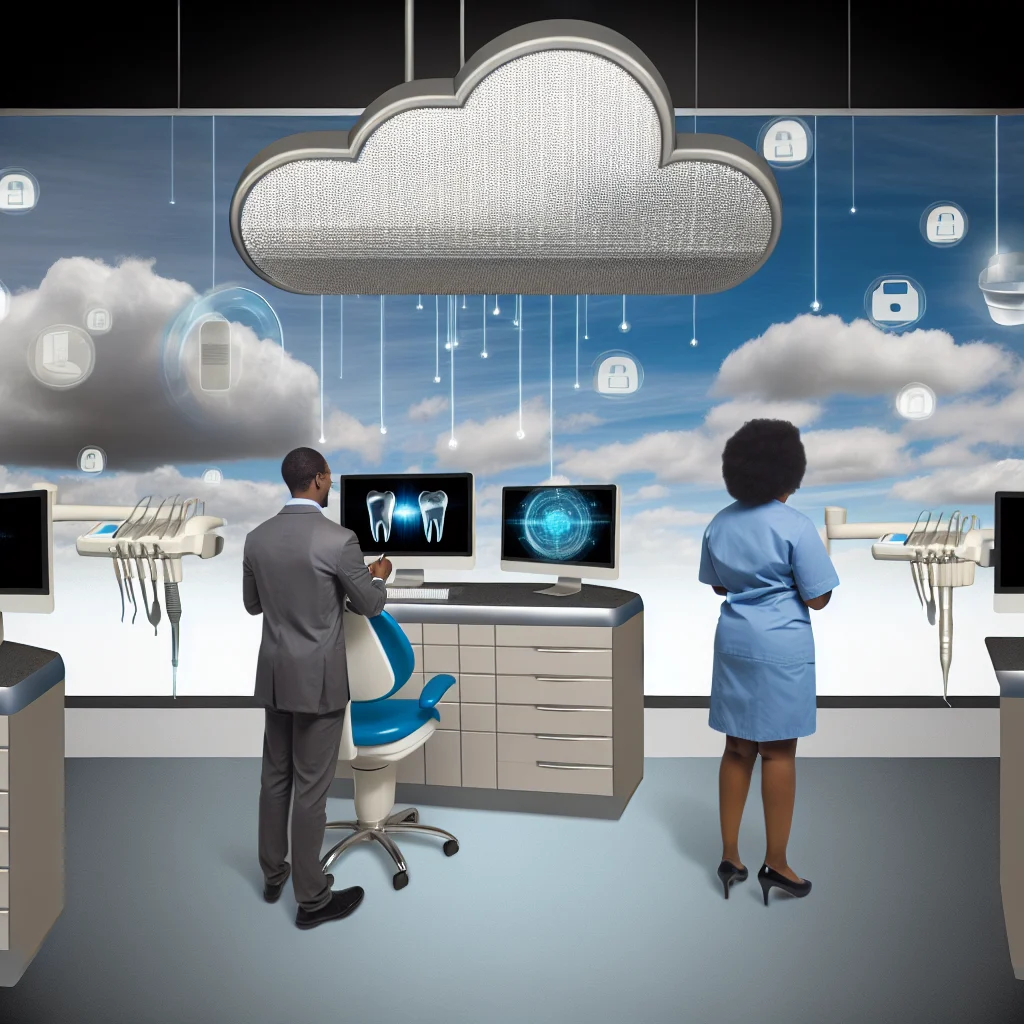
In the rapidly evolving landscape of dental technology, cloud integration has emerged as a pivotal component in streamlining operations within dental practices. As the dental industry continues to embrace digital transformation, the adoption of cloud-based solutions is proving to be a game-changer, offering numerous benefits that enhance efficiency, security, and patient care. By leveraging modern IT solutions, dental practices can optimize their operations, reduce costs, and improve the overall patient experience.
One of the primary advantages of cloud integration in dentistry is the ability to centralize data storage and access. Traditionally, dental practices relied on physical servers and local storage systems, which often led to challenges in data management and accessibility. With cloud-based solutions, dental professionals can store patient records, imaging, and other critical data in a centralized, secure location. This not only simplifies data management but also ensures that information is readily accessible from any location, facilitating seamless collaboration among dental teams.
Moreover, cloud integration enhances data security, a critical concern for dental practices handling sensitive patient information. Cloud service providers employ advanced security measures, including encryption, multi-factor authentication, and regular security audits, to protect data from unauthorized access and breaches. This level of security is often beyond the capabilities of individual practices, making cloud solutions a more secure option for managing patient data. Additionally, cloud-based systems offer automatic backups and disaster recovery options, ensuring that data is not lost in the event of hardware failure or other unforeseen circumstances.
In addition to improving data management and security, cloud integration offers significant cost savings for dental practices. By eliminating the need for on-premises servers and reducing IT maintenance requirements, practices can allocate resources more efficiently. Cloud solutions operate on a subscription-based model, allowing practices to pay only for the services they use, which can lead to substantial cost reductions over time. Furthermore, the scalability of cloud services means that practices can easily adjust their IT resources to match their needs, whether they are expanding their operations or experiencing fluctuations in patient volume.
The integration of cloud technology also enhances patient care by enabling more efficient communication and collaboration. With cloud-based systems, dental professionals can easily share patient information and treatment plans with colleagues, specialists, and even patients themselves. This facilitates a more coordinated approach to patient care, ensuring that all parties involved have access to the most up-to-date information. Additionally, cloud solutions often include features such as patient portals, which empower patients to access their records, schedule appointments, and communicate with their dental providers, thereby improving patient engagement and satisfaction.
Furthermore, cloud integration supports the adoption of advanced dental technologies, such as digital imaging and tele-dentistry. By providing the necessary infrastructure for these technologies, cloud solutions enable practices to offer cutting-edge services that enhance diagnostic accuracy and treatment outcomes. For instance, digital imaging systems integrated with cloud platforms allow for real-time image sharing and analysis, improving diagnostic capabilities and facilitating more informed treatment decisions.
In conclusion, cloud integration in dentistry represents a significant advancement in the way dental practices operate, offering a range of benefits that streamline operations, enhance security, and improve patient care. As the dental industry continues to evolve, embracing cloud-based solutions will be essential for practices seeking to remain competitive and deliver the highest standard of care. By leveraging modern IT solutions, dental professionals can optimize their operations, reduce costs, and ultimately provide a better experience for their patients.
Maximizing Efficiency With Dental Software: A Guide To Digital Transformation
In the rapidly evolving landscape of dental care, the integration of advanced technology has become indispensable for enhancing operational efficiency and improving patient outcomes. Dental practices are increasingly turning to digital solutions to streamline their operations, reduce errors, and provide a higher standard of care. The digital transformation in dentistry is not merely a trend but a necessary evolution to meet the demands of modern healthcare. By leveraging dental software, practices can optimize their workflows, enhance patient communication, and ensure compliance with regulatory standards.
One of the primary benefits of adopting dental software is the significant improvement in administrative efficiency. Traditional paper-based systems are often cumbersome, prone to errors, and time-consuming. In contrast, digital systems offer a centralized platform where patient records, appointment schedules, and billing information can be accessed and managed seamlessly. This not only reduces the administrative burden on staff but also minimizes the risk of errors that can occur with manual data entry. Moreover, digital systems can automate routine tasks such as appointment reminders and billing, freeing up valuable time for staff to focus on patient care.
In addition to administrative efficiency, dental software enhances clinical operations by providing dentists with comprehensive tools for diagnosis and treatment planning. Advanced imaging software, for instance, allows for precise visualization of dental structures, enabling more accurate diagnoses and treatment plans. Furthermore, digital charting systems provide a detailed and easily accessible record of a patient’s dental history, facilitating better-informed clinical decisions. These tools not only improve the quality of care but also enhance patient satisfaction by involving them more directly in their treatment plans.
Another critical aspect of digital transformation in dentistry is the enhancement of patient communication. Dental software often includes features such as patient portals, which allow patients to access their records, view treatment plans, and communicate with their dental care providers. This transparency fosters a stronger patient-provider relationship and encourages patients to take an active role in their oral health. Additionally, automated communication tools can send reminders for upcoming appointments or follow-up care, reducing no-show rates and ensuring continuity of care.
Compliance with regulatory standards is another area where dental software proves invaluable. With stringent regulations governing patient data privacy and security, dental practices must ensure that their systems are compliant with laws such as the Health Insurance Portability and Accountability Act (HIPAA). Dental software solutions are designed with these regulations in mind, offering robust security features to protect sensitive patient information. This not only safeguards the practice from potential legal issues but also builds trust with patients who are increasingly concerned about the privacy of their health information.
As dental practices consider the transition to digital systems, it is essential to approach the process strategically. Selecting the right software involves evaluating the specific needs of the practice, considering factors such as scalability, ease of use, and integration capabilities with existing systems. Training staff to effectively use new technology is equally important to ensure a smooth transition and maximize the benefits of digital transformation.
In conclusion, the adoption of dental software is a critical step towards maximizing efficiency and enhancing the quality of care in dental practices. By streamlining administrative tasks, improving clinical operations, enhancing patient communication, and ensuring regulatory compliance, digital solutions offer a comprehensive approach to modernizing dental care. As the industry continues to evolve, embracing these technologies will be essential for practices aiming to remain competitive and deliver exceptional patient experiences.
Discover the latest advancements in dental technology with our comprehensive guide, “Dental IT Insights: Dental Technology (20).” Stay ahead in the dental industry by exploring cutting-edge innovations and trends. Learn more now!