The Future Of Dental Software: Embracing Cloud Integration
The future of dental software is poised for a transformative shift as the industry increasingly embraces cloud integration. This evolution is not merely a trend but a necessary progression to meet the growing demands for efficiency, security, and accessibility in dental practices. As dental professionals seek to enhance patient care and streamline operations, cloud-based solutions offer a promising avenue for achieving these goals.
Cloud integration in dental software represents a significant departure from traditional, on-premise systems. Historically, dental practices relied on localized servers and hardware to manage patient records, appointment scheduling, and billing. While these systems have served their purpose, they often come with limitations such as high maintenance costs, limited accessibility, and vulnerability to data loss. In contrast, cloud-based solutions provide a more flexible and scalable alternative, allowing dental practices to access data from anywhere, at any time, and on any device with internet connectivity.
One of the primary advantages of cloud integration is the enhanced security it offers. Data breaches and cyber threats are growing concerns for healthcare providers, including dental practices. Cloud service providers invest heavily in advanced security measures, such as encryption and multi-factor authentication, to protect sensitive patient information. By leveraging these robust security protocols, dental practices can mitigate the risk of data breaches and ensure compliance with regulations such as the Health Insurance Portability and Accountability Act (HIPAA).
Moreover, cloud-based dental software facilitates seamless collaboration and communication among dental professionals. With cloud integration, dentists, hygienists, and administrative staff can access and update patient records in real-time, ensuring that everyone is on the same page. This level of coordination is particularly beneficial in multi-location practices, where consistent and accurate information sharing is crucial for delivering high-quality patient care.
In addition to improving collaboration, cloud integration enhances the patient experience by offering more convenient and personalized services. For instance, patients can use online portals to schedule appointments, complete forms, and access their dental records. This level of accessibility empowers patients to take an active role in their oral health management, leading to increased satisfaction and engagement.
Furthermore, cloud-based solutions support the integration of advanced technologies such as artificial intelligence (AI) and machine learning. These technologies can analyze vast amounts of data to provide valuable insights into patient care and practice management. For example, AI algorithms can assist in diagnosing dental conditions, predicting treatment outcomes, and optimizing appointment scheduling. By harnessing the power of AI, dental practices can enhance their decision-making processes and improve overall efficiency.
As the dental industry continues to evolve, the adoption of cloud-based software is expected to accelerate. However, transitioning to the cloud requires careful planning and consideration. Dental practices must evaluate their specific needs, choose the right cloud service provider, and ensure that their staff is adequately trained to use the new system. By taking these steps, dental practices can successfully navigate the shift to cloud integration and unlock the full potential of modern dental software.
In conclusion, the future of dental software lies in embracing cloud integration. This shift offers numerous benefits, including enhanced security, improved collaboration, and a better patient experience. As dental practices continue to adopt cloud-based solutions, they will be better equipped to meet the challenges of the modern healthcare landscape and deliver superior care to their patients.
Essential IT Upgrades For Modern Dental Practices
In the rapidly evolving landscape of dental care, modern practices are increasingly reliant on advanced technology to enhance patient experiences and streamline operations. As dental technology continues to progress, it becomes imperative for dental practices to invest in essential IT upgrades that not only improve efficiency but also ensure compliance with industry standards. One of the most significant advancements in dental technology is the integration of electronic health records (EHRs). EHRs have revolutionized the way patient information is stored and accessed, allowing for seamless communication between dental professionals and other healthcare providers. By upgrading to a robust EHR system, dental practices can enhance data accuracy, reduce paperwork, and improve patient care through better coordination.
In addition to EHRs, the implementation of digital imaging systems is another critical upgrade for modern dental practices. Digital radiography, for instance, offers numerous advantages over traditional film-based methods. It provides high-quality images with reduced radiation exposure, enabling dentists to diagnose conditions more accurately and efficiently. Furthermore, digital images can be easily stored, retrieved, and shared, facilitating better collaboration among dental professionals. As a result, investing in digital imaging technology not only enhances diagnostic capabilities but also contributes to improved patient outcomes.
Moreover, the adoption of practice management software is essential for optimizing the administrative functions of a dental practice. This software streamlines appointment scheduling, billing, and patient communication, thereby reducing the burden on administrative staff and allowing them to focus on more critical tasks. By automating routine processes, practice management software enhances operational efficiency and ensures a smoother patient experience. Additionally, many of these systems offer analytics tools that provide valuable insights into practice performance, helping dental professionals make informed decisions about their operations.
Cybersecurity is another crucial aspect that modern dental practices must address. With the increasing digitization of patient records and the growing threat of cyberattacks, safeguarding sensitive information is paramount. Implementing robust cybersecurity measures, such as encryption, firewalls, and regular security audits, is essential to protect patient data and maintain compliance with regulations like the Health Insurance Portability and Accountability Act (HIPAA). By prioritizing cybersecurity, dental practices can build trust with their patients and avoid the potentially devastating consequences of data breaches.
Furthermore, the integration of telehealth services is becoming increasingly important in the dental industry. Telehealth technology allows dental professionals to conduct virtual consultations, providing patients with convenient access to care without the need for in-person visits. This is particularly beneficial for patients in remote areas or those with mobility challenges. By incorporating telehealth into their services, dental practices can expand their reach and offer more flexible care options, ultimately enhancing patient satisfaction.
Finally, as dental technology continues to advance, ongoing staff training is essential to ensure that dental professionals are proficient in using new systems and tools. Regular training sessions and workshops can help staff stay updated on the latest technological developments and best practices, enabling them to deliver high-quality care consistently. By investing in staff education, dental practices can maximize the benefits of their IT upgrades and maintain a competitive edge in the industry.
In conclusion, essential IT upgrades are vital for modern dental practices to remain competitive and provide exceptional patient care. By embracing advancements such as electronic health records, digital imaging, practice management software, cybersecurity measures, telehealth services, and ongoing staff training, dental practices can enhance their operational efficiency, improve patient outcomes, and ensure compliance with industry standards. As technology continues to evolve, staying abreast of these developments will be crucial for the success and sustainability of dental practices in the future.
Navigating Dental Compliance With Advanced Technology
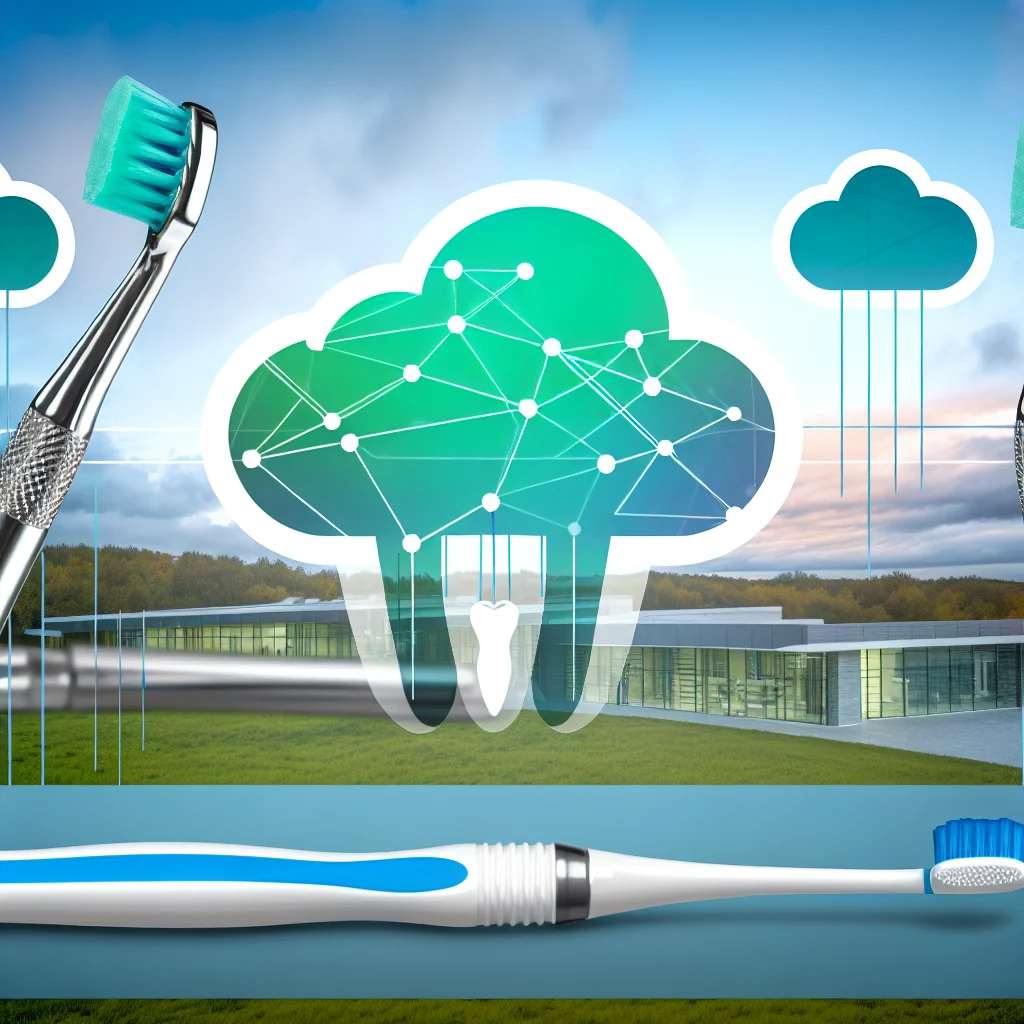
In the rapidly evolving landscape of dental technology, compliance with regulatory standards remains a critical concern for dental practices. As the industry continues to integrate advanced technological solutions, understanding how these innovations can aid in navigating compliance is essential. The intersection of technology and compliance not only ensures adherence to legal requirements but also enhances the overall efficiency and quality of patient care.
To begin with, the implementation of electronic health records (EHRs) has revolutionized the way dental practices manage patient information. EHRs facilitate the secure storage and retrieval of patient data, ensuring that dental practices comply with regulations such as the Health Insurance Portability and Accountability Act (HIPAA). By digitizing patient records, dental practices can minimize the risk of data breaches and unauthorized access, thereby safeguarding sensitive patient information. Moreover, EHRs streamline the documentation process, making it easier for dental professionals to maintain accurate and up-to-date records, which is a fundamental aspect of compliance.
In addition to EHRs, advanced imaging technologies have also played a significant role in enhancing compliance within dental practices. Digital radiography, for instance, not only improves diagnostic accuracy but also reduces radiation exposure, aligning with safety standards set by regulatory bodies. Furthermore, digital imaging systems often come equipped with software that assists in the proper labeling and storage of images, ensuring that all records are maintained in accordance with compliance guidelines. This integration of technology not only supports regulatory adherence but also contributes to improved patient outcomes by enabling more precise diagnoses and treatment planning.
Another critical area where technology aids in compliance is in the management of infection control protocols. Automated sterilization equipment and digital tracking systems ensure that dental instruments are properly sterilized and that records of sterilization cycles are meticulously maintained. This level of precision is crucial for meeting the stringent infection control standards mandated by regulatory authorities. By leveraging technology, dental practices can ensure that they are consistently meeting these standards, thereby minimizing the risk of non-compliance and enhancing patient safety.
Furthermore, practice management software has become an indispensable tool for dental practices aiming to maintain compliance. These software solutions offer a comprehensive suite of features that assist in scheduling, billing, and reporting, all of which are integral to compliance. For instance, automated billing systems help ensure that claims are submitted accurately and in a timely manner, reducing the likelihood of errors that could lead to compliance issues. Additionally, practice management software often includes reporting capabilities that allow dental practices to generate compliance reports, providing a clear overview of their adherence to regulatory requirements.
As dental technology continues to advance, it is imperative for dental practices to stay informed about the latest innovations and their implications for compliance. Continuous education and training in the use of new technologies are essential for ensuring that dental professionals are equipped to leverage these tools effectively. By embracing advanced technology, dental practices can not only enhance their compliance efforts but also improve the overall quality of care they provide to their patients.
In conclusion, the integration of advanced technology in dental practices offers significant benefits in navigating compliance. From electronic health records and digital imaging to infection control and practice management software, these technological solutions provide the tools necessary to meet regulatory standards while enhancing patient care. As the dental industry continues to evolve, staying abreast of technological advancements and their compliance implications will be crucial for the success and sustainability of dental practices.
Enhancing Practice Security Through Digital Dentistry
In the rapidly evolving landscape of dental technology, the integration of digital tools has become indispensable for modern dental practices. As these practices increasingly rely on digital systems to enhance patient care and streamline operations, the importance of robust security measures cannot be overstated. The transition to digital dentistry offers numerous benefits, but it also presents unique challenges, particularly in safeguarding sensitive patient information. Therefore, understanding how to enhance practice security through digital dentistry is crucial for dental professionals.
To begin with, the adoption of electronic health records (EHRs) has revolutionized the way dental practices manage patient information. EHRs facilitate seamless access to patient data, improve communication among healthcare providers, and enhance the overall efficiency of dental operations. However, the digital nature of these records makes them vulnerable to cyber threats. Consequently, implementing strong cybersecurity measures is essential to protect patient privacy and maintain trust. Encryption of data, both in transit and at rest, is a fundamental step in securing EHRs. By converting sensitive information into a code that can only be deciphered with a key, encryption ensures that even if data is intercepted, it remains inaccessible to unauthorized individuals.
Moreover, the use of secure networks is paramount in preventing unauthorized access to digital systems. Dental practices should invest in robust firewalls and intrusion detection systems to monitor and control incoming and outgoing network traffic. Regularly updating software and systems is another critical aspect of maintaining security. Software updates often include patches for known vulnerabilities, and neglecting these updates can leave systems exposed to cyberattacks. Therefore, establishing a routine schedule for updates and ensuring that all devices are running the latest versions of software is a proactive approach to safeguarding digital assets.
In addition to technical measures, fostering a culture of security awareness among staff is vital. Human error remains one of the leading causes of data breaches, and educating employees about best practices in cybersecurity can significantly reduce this risk. Training programs should cover topics such as recognizing phishing attempts, creating strong passwords, and understanding the importance of data protection. By empowering staff with the knowledge and skills to identify and respond to potential threats, dental practices can create a more secure environment for both patients and employees.
Furthermore, the implementation of access controls is a crucial strategy in enhancing practice security. Not all staff members require the same level of access to patient information, and restricting access based on roles can minimize the risk of data breaches. Role-based access control ensures that employees can only access the information necessary for their specific duties, thereby reducing the likelihood of unauthorized data exposure.
Finally, regular security audits and risk assessments are essential components of a comprehensive security strategy. These evaluations help identify potential vulnerabilities and assess the effectiveness of existing security measures. By conducting regular audits, dental practices can stay ahead of emerging threats and make informed decisions about necessary improvements to their security protocols.
In conclusion, as dental practices continue to embrace digital dentistry, prioritizing security is imperative. By implementing robust cybersecurity measures, fostering a culture of security awareness, and conducting regular audits, dental professionals can protect sensitive patient information and ensure the integrity of their digital systems. In doing so, they not only enhance practice security but also build trust with their patients, ultimately contributing to the success and reputation of their practice.
Innovations In Dental Technology: A Comprehensive Guide
In recent years, the field of dentistry has witnessed a remarkable transformation, driven by rapid advancements in technology. These innovations have not only enhanced the precision and efficiency of dental procedures but have also significantly improved patient experiences. As we delve into the realm of dental technology, it becomes evident that these advancements are reshaping the landscape of oral healthcare.
One of the most significant innovations in dental technology is the advent of digital imaging systems. Traditional X-rays, while effective, often posed challenges in terms of clarity and radiation exposure. However, digital radiography has revolutionized this aspect by providing high-resolution images with reduced radiation levels. This technology allows dentists to diagnose conditions with greater accuracy and develop more effective treatment plans. Moreover, digital images can be easily stored and shared, facilitating seamless communication between dental professionals and enhancing collaborative care.
In addition to digital imaging, the integration of computer-aided design and computer-aided manufacturing (CAD/CAM) systems has transformed restorative dentistry. These systems enable the precise design and fabrication of dental prosthetics, such as crowns, bridges, and veneers, within a single appointment. By utilizing 3D imaging and milling technology, dentists can create custom-fit restorations that blend seamlessly with the patient’s natural teeth. This not only reduces the time patients spend in the dental chair but also ensures a higher level of comfort and satisfaction.
Furthermore, the rise of laser dentistry has introduced a new level of precision and minimally invasive treatment options. Lasers are now used in a variety of dental procedures, including cavity preparation, gum reshaping, and teeth whitening. The use of lasers minimizes bleeding, reduces the need for anesthesia, and accelerates healing times. As a result, patients experience less discomfort and quicker recovery, making dental visits less daunting.
Another groundbreaking development is the use of intraoral scanners, which have replaced traditional impression materials. These scanners capture detailed 3D images of the teeth and gums, providing a more accurate representation of the oral cavity. This technology not only enhances the accuracy of dental impressions but also improves patient comfort by eliminating the need for messy impression materials. The digital impressions can be used for a variety of applications, including orthodontic treatment planning and the creation of custom aligners.
Moreover, the integration of artificial intelligence (AI) in dentistry is paving the way for more personalized and predictive care. AI algorithms can analyze vast amounts of data to identify patterns and predict potential oral health issues. This enables dentists to implement preventive measures and tailor treatment plans to individual patients’ needs. Additionally, AI-powered tools can assist in diagnosing conditions such as cavities and gum disease with remarkable accuracy, further enhancing the quality of care.
As we continue to explore the innovations in dental technology, it is clear that these advancements are not only improving clinical outcomes but also transforming the patient experience. The integration of digital imaging, CAD/CAM systems, laser dentistry, intraoral scanners, and artificial intelligence is setting new standards in oral healthcare. These technologies are empowering dental professionals to deliver more precise, efficient, and patient-centered care. As the field of dentistry continues to evolve, embracing these innovations will be crucial in meeting the growing demands of modern patients and ensuring the highest standards of oral health.
Unlock the future of your dental practice with cutting-edge Dental IT Insights. Discover the latest advancements in dental technology today! Learn more.