Enhancing Dental Compliance Through Modern IT Strategies: A Guide for Practices
In the rapidly evolving landscape of dental care, the integration of modern IT strategies has become indispensable for ensuring compliance with regulatory standards. As dental practices strive to maintain high standards of patient care, they must also navigate the complex web of regulations that govern patient data protection and privacy. The adoption of advanced IT solutions not only facilitates compliance but also enhances the overall efficiency and effectiveness of dental operations.
To begin with, the implementation of electronic health records (EHR) systems is a cornerstone of modern dental IT strategies. These systems streamline the management of patient information, ensuring that data is accurately recorded and easily accessible. By digitizing patient records, dental practices can significantly reduce the risk of errors associated with manual record-keeping. Moreover, EHR systems are designed to comply with regulations such as the Health Insurance Portability and Accountability Act (HIPAA), providing robust security features that protect sensitive patient information from unauthorized access.
In addition to EHR systems, cloud computing has emerged as a vital component of dental IT strategies. By leveraging cloud-based solutions, dental practices can store and manage vast amounts of data securely and efficiently. Cloud computing offers the flexibility to access patient information from any location, facilitating seamless communication and collaboration among dental professionals. Furthermore, cloud services often include automatic updates and backups, ensuring that data is consistently protected and that practices remain compliant with evolving regulatory requirements.
Another critical aspect of enhancing dental compliance through IT is the implementation of cybersecurity measures. As cyber threats become increasingly sophisticated, dental practices must prioritize the protection of their digital infrastructure. This involves deploying firewalls, encryption, and intrusion detection systems to safeguard patient data. Regular security audits and vulnerability assessments are also essential to identify and address potential weaknesses in the system. By adopting a proactive approach to cybersecurity, dental practices can mitigate the risk of data breaches and maintain compliance with stringent data protection regulations.
Moreover, staff training plays a pivotal role in ensuring compliance through modern IT strategies. Dental professionals must be well-versed in the use of IT systems and understand the importance of data protection. Regular training sessions can equip staff with the knowledge and skills needed to navigate digital platforms effectively and adhere to compliance protocols. By fostering a culture of awareness and responsibility, dental practices can minimize the risk of human error and enhance their overall compliance posture.
Furthermore, the integration of artificial intelligence (AI) and machine learning technologies into dental IT systems offers promising opportunities for compliance enhancement. AI-driven analytics can assist in monitoring compliance metrics, identifying patterns, and predicting potential compliance issues before they arise. This proactive approach enables dental practices to address compliance challenges swiftly and efficiently, ensuring that they remain aligned with regulatory standards.
In conclusion, the adoption of modern IT strategies is essential for enhancing compliance in dental practices. By implementing electronic health records, leveraging cloud computing, prioritizing cybersecurity, investing in staff training, and exploring AI technologies, dental practices can navigate the complexities of regulatory compliance with confidence. As the dental industry continues to evolve, embracing these IT solutions will not only ensure compliance but also drive improvements in patient care and operational efficiency. Through strategic integration of technology, dental practices can position themselves at the forefront of innovation while maintaining the highest standards of compliance and patient safety.
The Role of IT Upgrades in Advancing Dental Technology and Practice Efficiency
In the rapidly evolving landscape of dental technology, the integration of modern IT strategies has become indispensable for advancing practice efficiency and enhancing patient care. As dental practices strive to keep pace with technological advancements, IT upgrades play a pivotal role in streamlining operations, improving diagnostic capabilities, and ensuring data security. The synergy between dental technology and IT infrastructure is transforming the way dental professionals deliver services, ultimately leading to more effective and patient-centered care.
To begin with, the implementation of IT upgrades in dental practices facilitates the seamless integration of advanced diagnostic tools and treatment modalities. Digital imaging systems, such as cone beam computed tomography (CBCT) and digital radiography, rely heavily on robust IT infrastructure to function optimally. These technologies provide high-resolution images that are crucial for accurate diagnosis and treatment planning. By upgrading IT systems, dental practices can ensure that these imaging tools operate efficiently, reducing downtime and enhancing the overall quality of care provided to patients.
Moreover, IT upgrades enable the adoption of electronic health records (EHRs), which are essential for modern dental practices. EHRs streamline the management of patient information, allowing for quick access to medical histories, treatment plans, and appointment schedules. This not only improves administrative efficiency but also enhances communication between dental professionals and patients. With upgraded IT systems, dental practices can implement sophisticated EHR solutions that offer real-time data access, facilitating better decision-making and personalized patient care.
In addition to improving diagnostic and administrative functions, IT upgrades are crucial for ensuring data security and compliance with regulatory standards. Dental practices handle sensitive patient information, making them prime targets for cyberattacks. By investing in advanced IT security measures, such as encryption, firewalls, and secure data storage solutions, dental practices can protect patient data from unauthorized access and breaches. Furthermore, IT upgrades help practices comply with regulations such as the Health Insurance Portability and Accountability Act (HIPAA), which mandates stringent data protection measures. Ensuring compliance not only safeguards patient information but also enhances the reputation and trustworthiness of the dental practice.
Furthermore, the integration of IT upgrades supports the implementation of practice management software, which is vital for optimizing operational efficiency. These software solutions automate various administrative tasks, such as appointment scheduling, billing, and inventory management. By reducing the burden of manual processes, dental professionals can focus more on patient care and less on administrative duties. IT upgrades ensure that practice management software operates smoothly, minimizing disruptions and maximizing productivity.
Additionally, IT upgrades facilitate the adoption of telehealth solutions, which have become increasingly important in the wake of the COVID-19 pandemic. Telehealth enables dental professionals to conduct virtual consultations, providing patients with access to care from the comfort of their homes. This not only expands the reach of dental services but also enhances patient convenience and satisfaction. Upgraded IT systems are essential for supporting the bandwidth and connectivity required for high-quality telehealth interactions.
In conclusion, the role of IT upgrades in advancing dental technology and practice efficiency cannot be overstated. By enhancing diagnostic capabilities, streamlining administrative functions, ensuring data security, and supporting telehealth solutions, IT upgrades are transforming the dental industry. As dental practices continue to embrace technological advancements, investing in modern IT strategies will be crucial for delivering superior patient care and maintaining a competitive edge in the ever-evolving healthcare landscape.
Leveraging Dental Software for Improved Patient Care and Operational Excellence
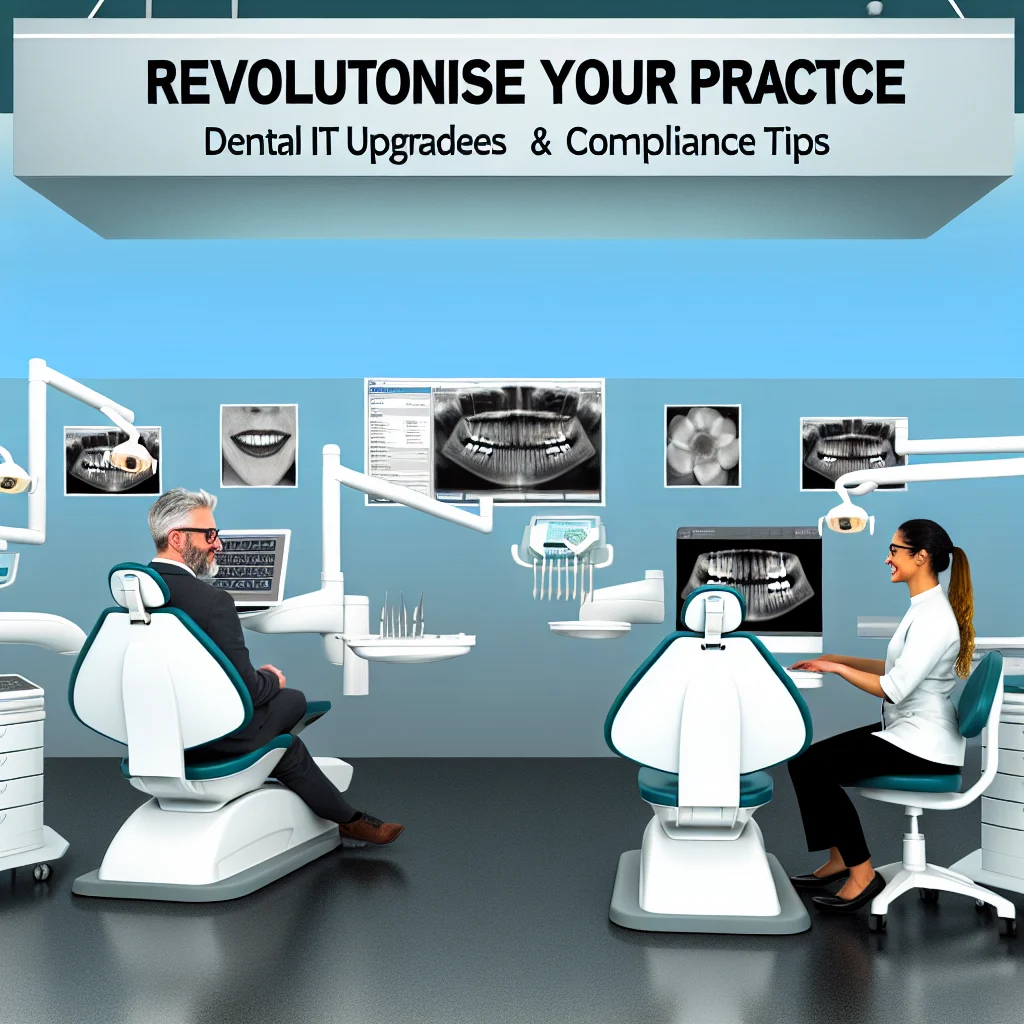
In the rapidly evolving landscape of dental care, the integration of advanced dental software and modern IT strategies has become indispensable for enhancing patient care and achieving operational excellence. As dental practices strive to meet the increasing demands of patients and regulatory bodies, leveraging cutting-edge technology is no longer a luxury but a necessity. The adoption of dental software solutions is transforming the way dental professionals manage their practices, streamline operations, and deliver superior patient care.
To begin with, dental software plays a pivotal role in improving patient care by facilitating more accurate diagnoses and treatment planning. Advanced imaging software, for instance, allows dentists to obtain high-resolution images of patients’ oral structures, enabling precise assessments and tailored treatment plans. This not only enhances the quality of care but also boosts patient confidence, as they can visualize their treatment journey and understand the rationale behind clinical decisions. Moreover, electronic health records (EHR) systems ensure that patient information is readily accessible, comprehensive, and up-to-date, thereby reducing the risk of errors and improving the continuity of care.
In addition to enhancing patient care, dental software significantly contributes to operational excellence by streamlining administrative tasks and optimizing resource management. Practice management software automates routine tasks such as appointment scheduling, billing, and inventory management, freeing up valuable time for dental staff to focus on patient interactions. This automation reduces the likelihood of human error, minimizes administrative burdens, and enhances overall efficiency. Furthermore, integrated communication tools within these systems facilitate seamless coordination among team members, ensuring that everyone is aligned and informed about patient needs and practice operations.
Transitioning to modern IT strategies, the implementation of cloud-based solutions is revolutionizing the dental industry by offering scalability, flexibility, and enhanced data security. Cloud-based dental software allows practices to store and access data remotely, ensuring that critical information is available anytime and anywhere. This is particularly beneficial for multi-location practices, as it enables centralized data management and consistent service delivery across all sites. Additionally, cloud solutions often come with robust security measures, safeguarding sensitive patient information against data breaches and ensuring compliance with regulatory standards such as HIPAA.
Moreover, the integration of artificial intelligence (AI) and machine learning into dental software is paving the way for predictive analytics and personalized patient care. AI algorithms can analyze vast amounts of data to identify patterns and predict potential oral health issues before they manifest, allowing for proactive interventions. This not only improves patient outcomes but also enhances the practice’s reputation as a provider of cutting-edge care. Furthermore, AI-driven tools can assist in optimizing appointment scheduling by predicting patient no-shows and suggesting optimal booking times, thereby maximizing practice efficiency and revenue.
In conclusion, the strategic implementation of dental software and modern IT solutions is crucial for dental practices aiming to elevate patient care and achieve operational excellence. By embracing these technologies, dental professionals can enhance diagnostic accuracy, streamline administrative processes, and ensure data security, ultimately leading to improved patient satisfaction and practice growth. As the dental industry continues to evolve, staying abreast of technological advancements and integrating them into practice operations will be key to maintaining a competitive edge and delivering exceptional care in the digital age.
Cloud Integration in Dentistry: Transforming Practice Management and Data Security
In recent years, the integration of cloud technology within the dental industry has revolutionized practice management and data security, offering unprecedented opportunities for efficiency and innovation. As dental practices increasingly adopt digital solutions, the cloud emerges as a pivotal component in managing patient information, streamlining operations, and enhancing data protection. This transformation is not merely a trend but a strategic shift that aligns with modern IT strategies, ensuring that dental practices remain competitive and compliant in an ever-evolving technological landscape.
Cloud integration in dentistry facilitates seamless access to patient records and practice management systems from any location, provided there is an internet connection. This accessibility is particularly beneficial for multi-location practices, enabling dental professionals to collaborate and share information effortlessly. By centralizing data storage, the cloud eliminates the need for physical servers, reducing overhead costs and minimizing the risk of data loss due to hardware failures. Moreover, cloud-based systems are designed to scale with the growth of a practice, offering flexible solutions that can adapt to increasing data demands without significant infrastructure investments.
In addition to operational efficiency, cloud technology significantly enhances data security, a critical concern for dental practices handling sensitive patient information. Cloud service providers employ advanced security measures, including encryption, multi-factor authentication, and regular security audits, to protect data from unauthorized access and cyber threats. These robust security protocols often surpass the capabilities of traditional on-premises systems, providing dental practices with peace of mind and ensuring compliance with regulations such as the Health Insurance Portability and Accountability Act (HIPAA).
Furthermore, cloud integration supports the implementation of modern IT strategies by facilitating the use of artificial intelligence (AI) and machine learning (ML) in dental practices. These technologies can analyze vast amounts of data to identify patterns and trends, offering insights that can improve patient care and operational efficiency. For instance, AI-powered diagnostic tools can assist dentists in detecting oral health issues at an early stage, while ML algorithms can optimize appointment scheduling and resource allocation, reducing wait times and enhancing patient satisfaction.
The transition to cloud-based systems also promotes sustainability within dental practices. By reducing the reliance on paper records and minimizing energy consumption associated with maintaining physical servers, cloud integration contributes to environmentally friendly practices. This shift not only aligns with global sustainability goals but also appeals to environmentally conscious patients who value eco-friendly healthcare providers.
Despite the numerous advantages, the adoption of cloud technology in dentistry is not without challenges. Dental practices must carefully evaluate potential cloud service providers, considering factors such as data migration processes, service reliability, and customer support. Additionally, staff training is essential to ensure that dental professionals can effectively utilize cloud-based systems and understand the importance of maintaining data security protocols.
In conclusion, cloud integration is transforming the landscape of dental practice management and data security, offering a strategic advantage to those who embrace it. By leveraging the benefits of cloud technology, dental practices can enhance operational efficiency, improve patient care, and ensure robust data protection. As the dental industry continues to evolve, the adoption of cloud-based solutions will undoubtedly play a crucial role in shaping the future of dental care, providing a foundation for innovation and growth in an increasingly digital world.
Digital Dentistry: Embracing Innovation with Cutting-Edge IT Solutions
In the rapidly evolving landscape of healthcare, dental practices are increasingly turning to digital solutions to enhance patient care and streamline operations. The integration of cutting-edge IT solutions into dental practices, often referred to as digital dentistry, is transforming the way dental professionals diagnose, treat, and manage patient care. This shift towards digitalization is not merely a trend but a necessary evolution to meet the demands of modern healthcare and patient expectations.
One of the most significant advancements in digital dentistry is the adoption of digital imaging technologies. Traditional X-rays, while still in use, are gradually being replaced by digital radiography, which offers numerous advantages. Digital X-rays provide clearer images, reduce radiation exposure, and allow for immediate image viewing and sharing. This not only enhances diagnostic accuracy but also improves patient communication, as dentists can easily explain conditions and treatment plans using high-quality images. Furthermore, digital imaging systems are often integrated with practice management software, enabling seamless storage and retrieval of patient records.
In addition to imaging, computer-aided design and computer-aided manufacturing (CAD/CAM) technology is revolutionizing dental restorations. CAD/CAM systems allow for the precise design and fabrication of dental prosthetics, such as crowns and bridges, within the dental office. This technology reduces the need for multiple patient visits and expedites the treatment process, thereby enhancing patient satisfaction. Moreover, the accuracy and customization offered by CAD/CAM systems result in better-fitting restorations, which can improve long-term oral health outcomes.
The implementation of electronic health records (EHRs) is another critical component of digital dentistry. EHRs facilitate the efficient management of patient information, ensuring that dental professionals have access to comprehensive and up-to-date patient histories. This accessibility is crucial for informed decision-making and coordinated care, particularly in cases where patients receive treatment from multiple healthcare providers. Additionally, EHRs support the integration of various digital tools and applications, creating a cohesive digital ecosystem within the dental practice.
Tele-dentistry is also gaining traction as a valuable tool in expanding access to dental care. By leveraging video conferencing and secure messaging platforms, dental professionals can provide consultations and follow-up care remotely. This is particularly beneficial for patients in rural or underserved areas who may face barriers to accessing traditional in-office care. Tele-dentistry not only increases the reach of dental services but also offers convenience and flexibility for both patients and providers.
As dental practices embrace these digital innovations, robust IT strategies are essential to ensure the security and efficiency of digital systems. Cybersecurity measures must be prioritized to protect sensitive patient data from breaches and unauthorized access. Implementing strong encryption protocols, regular software updates, and staff training on data protection are critical components of a comprehensive IT strategy. Additionally, practices should consider investing in reliable IT support services to address technical issues promptly and minimize disruptions to patient care.
In conclusion, the integration of digital technologies into dental practices is reshaping the field of dentistry, offering numerous benefits in terms of patient care, operational efficiency, and accessibility. By adopting modern IT strategies and embracing innovation, dental professionals can enhance their practice’s capabilities and better meet the needs of their patients. As technology continues to advance, the potential for further improvements in digital dentistry is vast, promising a future where dental care is more precise, personalized, and accessible than ever before.
Unlock the future of your dental practice with cutting-edge technology and modern IT strategies. Discover how Dental IT Insights can transform your operations and enhance patient care. Learn more now!