The Role Of Cloud Integration In Modern Dental Practices
In the rapidly evolving landscape of dental technology, cloud integration has emerged as a pivotal component in modern dental practices. As dental professionals strive to enhance patient care and streamline operations, the adoption of cloud-based solutions offers a multitude of benefits that are reshaping the industry. By facilitating seamless data management, improving accessibility, and ensuring robust security, cloud integration is transforming the way dental practices operate.
To begin with, one of the most significant advantages of cloud integration in dental practices is the enhancement of data management capabilities. Traditionally, dental records were stored in physical files or on local servers, which posed challenges in terms of space, accessibility, and data retrieval. However, with cloud-based systems, dental practices can store vast amounts of patient data securely and efficiently. This not only reduces the need for physical storage space but also allows for easy retrieval and management of patient records. Consequently, dental professionals can access comprehensive patient histories, treatment plans, and diagnostic images with just a few clicks, thereby improving the quality of care provided.
Moreover, cloud integration significantly enhances accessibility, a crucial factor in modern dental practices. With cloud-based solutions, dental professionals can access patient data from any location, provided they have an internet connection. This is particularly beneficial for practices with multiple locations or for professionals who need to consult with colleagues remotely. The ability to access real-time data ensures that dental practitioners can make informed decisions quickly, ultimately leading to improved patient outcomes. Furthermore, this level of accessibility facilitates better collaboration among dental teams, as they can share information and insights effortlessly.
In addition to improved data management and accessibility, cloud integration offers robust security measures that are essential for protecting sensitive patient information. Dental practices are required to comply with stringent regulations, such as the Health Insurance Portability and Accountability Act (HIPAA) in the United States, which mandates the protection of patient data. Cloud service providers typically offer advanced security features, including encryption, multi-factor authentication, and regular security audits, to ensure that patient information remains confidential and secure. By leveraging these security measures, dental practices can mitigate the risk of data breaches and maintain patient trust.
Furthermore, cloud integration supports the scalability and flexibility that modern dental practices require. As practices grow and evolve, their technological needs change. Cloud-based solutions offer the flexibility to scale resources up or down based on demand, without the need for significant upfront investments in hardware or infrastructure. This scalability ensures that dental practices can adapt to changing circumstances, such as an increase in patient volume or the introduction of new services, without experiencing disruptions.
Finally, the integration of cloud technology in dental practices paves the way for innovation and the adoption of advanced tools and applications. For instance, cloud-based platforms can support the use of artificial intelligence and machine learning algorithms to analyze patient data and provide predictive insights. These insights can aid in early diagnosis and personalized treatment planning, ultimately enhancing patient care.
In conclusion, cloud integration plays a crucial role in modern dental practices by improving data management, accessibility, security, scalability, and innovation. As the dental industry continues to embrace technological advancements, the adoption of cloud-based solutions will undoubtedly remain a cornerstone of efficient and effective practice management. By leveraging the benefits of cloud integration, dental professionals can enhance patient care, streamline operations, and position themselves at the forefront of dental technology.
Enhancing Practice Security Through Advanced Dental Software
In the rapidly evolving landscape of dental technology, the integration of advanced software solutions has become a cornerstone for enhancing practice security. As dental practices increasingly rely on digital systems to manage patient records, appointment scheduling, and billing, the need for robust security measures has never been more critical. The adoption of advanced dental software not only streamlines operations but also fortifies the protection of sensitive patient information, ensuring compliance with stringent regulatory standards such as the Health Insurance Portability and Accountability Act (HIPAA).
One of the primary benefits of advanced dental software is its ability to provide comprehensive data encryption. Encryption serves as a formidable barrier against unauthorized access, transforming sensitive information into a secure format that can only be deciphered by authorized personnel. This is particularly crucial in an era where cyber threats are becoming more sophisticated and prevalent. By employing state-of-the-art encryption protocols, dental practices can safeguard patient data from potential breaches, thereby maintaining trust and credibility with their clientele.
Moreover, advanced dental software often includes features such as multi-factor authentication (MFA), which adds an additional layer of security. MFA requires users to verify their identity through multiple means before gaining access to the system. This could involve a combination of passwords, biometric verification, or one-time codes sent to a mobile device. By implementing MFA, dental practices can significantly reduce the risk of unauthorized access, ensuring that only verified individuals can interact with sensitive data.
In addition to encryption and authentication, advanced dental software offers robust audit trails that track and record every interaction within the system. These audit trails provide a detailed log of who accessed what information and when, offering invaluable insights in the event of a security incident. By maintaining a comprehensive record of system activity, dental practices can quickly identify and address any suspicious behavior, thereby mitigating potential risks before they escalate.
Furthermore, the integration of cloud-based solutions within dental software has revolutionized data storage and accessibility. Cloud technology not only offers scalable storage solutions but also enhances data security through regular updates and backups. These updates ensure that the software is equipped with the latest security patches, protecting against emerging threats. Additionally, cloud-based systems facilitate seamless data recovery in the event of hardware failure or natural disasters, ensuring that patient information remains intact and accessible.
While the implementation of advanced dental software is a significant step towards enhancing practice security, it is equally important for dental professionals to receive adequate training on these systems. Comprehensive training ensures that staff members are well-versed in the software’s functionalities and security features, enabling them to utilize the system effectively while adhering to best practices. Regular training sessions and updates can help maintain a high level of security awareness, empowering staff to recognize and respond to potential threats proactively.
In conclusion, the integration of advanced dental software is instrumental in fortifying the security of dental practices. Through features such as data encryption, multi-factor authentication, audit trails, and cloud-based solutions, these systems provide a robust framework for protecting sensitive patient information. As cyber threats continue to evolve, it is imperative for dental practices to stay ahead by adopting cutting-edge technology and ensuring that their staff is adequately trained. By doing so, they can not only enhance their operational efficiency but also uphold the trust and confidence of their patients in an increasingly digital world.
Navigating IT Upgrades For Improved Dental Compliance
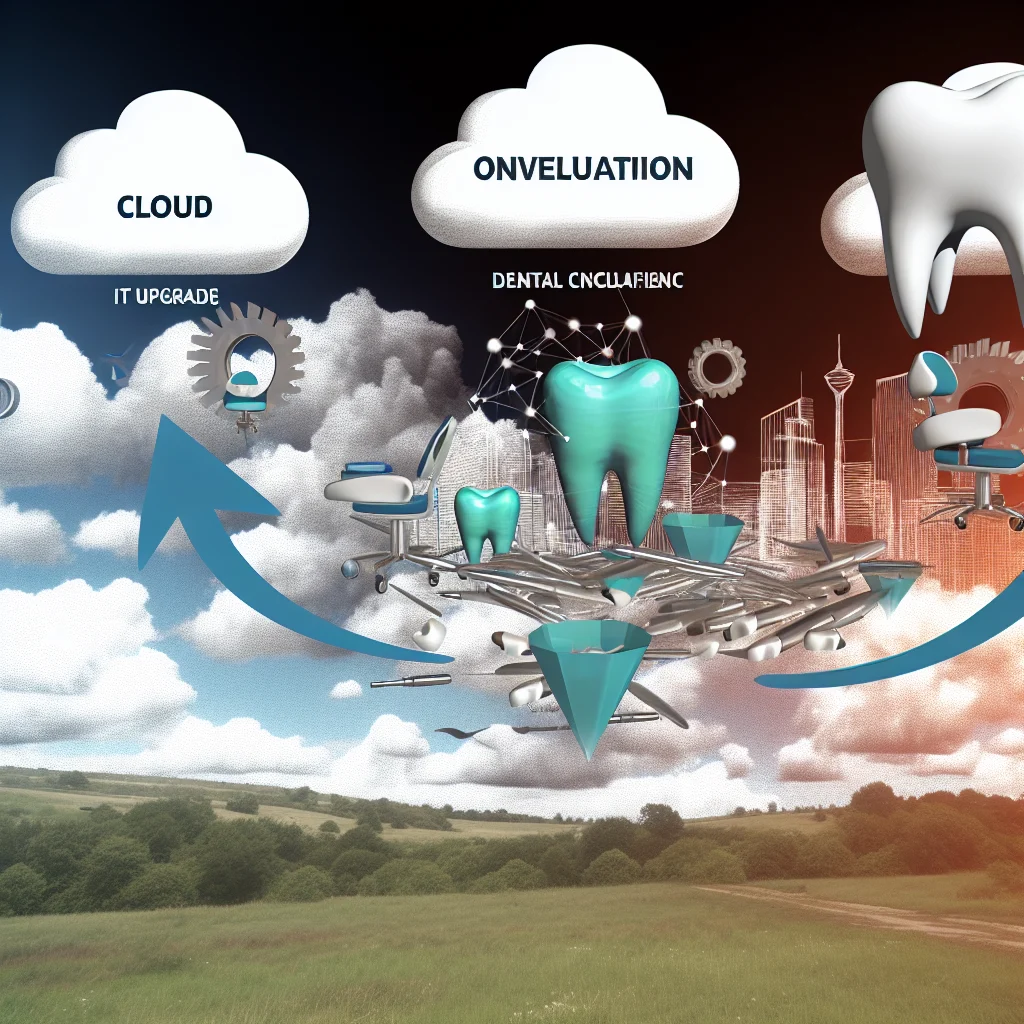
In the rapidly evolving landscape of dental technology, navigating IT upgrades has become a critical component for ensuring compliance with industry standards and regulations. As dental practices increasingly rely on digital solutions to enhance patient care and streamline operations, the importance of maintaining up-to-date IT systems cannot be overstated. This necessity is driven by the dual imperatives of safeguarding patient data and adhering to regulatory requirements, such as the Health Insurance Portability and Accountability Act (HIPAA) in the United States.
To begin with, the integration of advanced IT systems in dental practices offers numerous benefits, including improved patient record management, enhanced diagnostic capabilities, and more efficient appointment scheduling. However, these advantages come with the responsibility of ensuring that the technology used is compliant with current regulations. This is where the challenge of IT upgrades becomes particularly pertinent. As technology evolves, so do the standards and protocols that govern its use. Therefore, dental practices must remain vigilant in updating their systems to meet these changing requirements.
One of the primary considerations in navigating IT upgrades is the protection of patient data. With the increasing digitization of health records, the risk of data breaches has become a significant concern. Upgrading IT systems to include robust cybersecurity measures is essential for protecting sensitive patient information. This includes implementing encryption protocols, firewalls, and secure access controls. Moreover, regular software updates and patches are crucial to address vulnerabilities that could be exploited by cyber threats. By prioritizing cybersecurity in IT upgrades, dental practices can mitigate the risk of data breaches and ensure compliance with data protection regulations.
In addition to cybersecurity, another critical aspect of IT upgrades is ensuring interoperability between different systems. As dental practices adopt a variety of digital tools, from electronic health records (EHR) to imaging software, it is essential that these systems can communicate effectively with one another. Interoperability not only enhances operational efficiency but also supports compliance by ensuring that all patient data is accurately recorded and easily accessible. This can be achieved by selecting IT solutions that adhere to industry standards and are designed to integrate seamlessly with existing systems.
Furthermore, training and education play a vital role in the successful implementation of IT upgrades. Dental professionals and staff must be adequately trained to use new technologies and understand the compliance requirements associated with them. This includes not only technical training but also education on the importance of data protection and privacy. By fostering a culture of compliance within the practice, dental professionals can ensure that IT upgrades are effectively utilized to enhance patient care while adhering to regulatory standards.
Finally, it is important for dental practices to work closely with IT professionals who specialize in the healthcare sector. These experts can provide valuable insights into the latest technological advancements and regulatory changes, helping practices make informed decisions about their IT upgrades. By collaborating with knowledgeable IT partners, dental practices can navigate the complexities of technology upgrades with confidence, ensuring that they remain compliant and continue to provide high-quality care to their patients.
In conclusion, navigating IT upgrades for improved dental compliance is a multifaceted process that requires careful consideration of cybersecurity, interoperability, training, and expert collaboration. By prioritizing these elements, dental practices can successfully integrate advanced technologies while safeguarding patient data and adhering to regulatory requirements. As the dental industry continues to embrace digital transformation, staying ahead of IT upgrades will be essential for maintaining compliance and delivering exceptional patient care.
The Impact Of Digital Dentistry On Patient Care
The advent of digital dentistry has significantly transformed the landscape of patient care, offering a myriad of benefits that enhance both the efficiency and effectiveness of dental treatments. As technology continues to evolve, dental practices are increasingly integrating digital tools into their workflows, thereby revolutionizing the way dental care is delivered. This shift towards digital solutions is not merely a trend but a fundamental change that is reshaping the patient experience and improving clinical outcomes.
One of the most notable impacts of digital dentistry is the enhancement of diagnostic accuracy. Traditional diagnostic methods, while effective, often rely on two-dimensional imaging, which can sometimes lead to limitations in identifying complex dental issues. In contrast, digital imaging technologies, such as cone-beam computed tomography (CBCT) and digital radiography, provide high-resolution, three-dimensional images that allow for a more comprehensive assessment of a patient’s oral health. This improved diagnostic capability enables dental professionals to detect issues earlier and with greater precision, ultimately leading to more effective treatment plans.
Moreover, digital dentistry has streamlined the treatment planning process. With the use of computer-aided design and computer-aided manufacturing (CAD/CAM) systems, dental practitioners can now design and fabricate dental restorations with remarkable accuracy and speed. This technology not only reduces the time patients spend in the dental chair but also enhances the fit and function of restorations, such as crowns, bridges, and veneers. Consequently, patients benefit from more comfortable and durable dental solutions, which contribute to higher satisfaction rates and better long-term oral health.
In addition to improving diagnostic and treatment planning processes, digital dentistry has also enhanced patient communication and education. Advanced software tools allow dentists to create visual simulations of treatment outcomes, providing patients with a clearer understanding of their dental conditions and the proposed interventions. This visual aid fosters better communication between the dentist and the patient, empowering individuals to make informed decisions about their oral health care. As a result, patients are more likely to adhere to treatment recommendations and maintain regular dental visits, which are crucial for preventing future dental issues.
Furthermore, the integration of digital technology in dentistry has led to more personalized patient care. By utilizing digital records and data analytics, dental professionals can tailor treatment plans to meet the specific needs and preferences of each patient. This personalized approach not only enhances the quality of care but also strengthens the patient-dentist relationship, as patients feel valued and understood.
While the benefits of digital dentistry are undeniable, it is important to acknowledge the challenges that come with its implementation. The initial investment in digital equipment and training can be substantial, and there is a learning curve associated with adopting new technologies. However, the long-term advantages, such as increased efficiency, improved patient outcomes, and enhanced practice growth, often outweigh these initial hurdles.
In conclusion, the impact of digital dentistry on patient care is profound and far-reaching. By improving diagnostic accuracy, streamlining treatment processes, enhancing patient communication, and enabling personalized care, digital technologies are setting new standards in dental practice. As the field continues to advance, it is imperative for dental professionals to embrace these innovations to provide the highest quality of care and meet the evolving needs of their patients.
Leveraging Dental Technology For Efficient Practice Management
In the rapidly evolving landscape of dental practice management, leveraging technology has become indispensable for enhancing efficiency and improving patient care. As dental practices strive to meet the increasing demands of patients while maintaining high standards of care, integrating advanced technological solutions into daily operations is no longer optional but essential. The adoption of dental technology not only streamlines administrative tasks but also enhances clinical outcomes, thereby fostering a more productive and patient-centered practice environment.
To begin with, one of the most significant advancements in dental technology is the implementation of electronic health records (EHRs). EHRs have revolutionized the way dental practices manage patient information, offering a centralized and easily accessible platform for storing and retrieving patient data. This digital transformation reduces the reliance on paper records, minimizes errors, and facilitates seamless communication among dental professionals. Moreover, EHRs enable the integration of various diagnostic tools, allowing for a comprehensive view of a patient’s dental history and current condition, which ultimately aids in more accurate diagnosis and treatment planning.
In addition to EHRs, practice management software has emerged as a critical component in optimizing the administrative functions of dental practices. These software solutions offer a range of features, including appointment scheduling, billing, and inventory management, which collectively enhance operational efficiency. By automating routine tasks, dental professionals can allocate more time to patient care, thereby improving the overall patient experience. Furthermore, practice management software often includes analytics tools that provide valuable insights into practice performance, helping practitioners make informed decisions to drive growth and profitability.
Another pivotal area where dental technology is making a significant impact is in patient communication and engagement. With the advent of digital communication tools, dental practices can now maintain consistent and effective communication with their patients. Automated appointment reminders, follow-up messages, and personalized communication strategies not only reduce no-show rates but also foster stronger patient relationships. Additionally, patient portals offer a convenient platform for patients to access their health information, schedule appointments, and communicate with their dental care providers, thereby enhancing patient satisfaction and loyalty.
Moreover, the integration of advanced diagnostic and treatment technologies, such as digital radiography and CAD/CAM systems, has transformed clinical practice. Digital radiography provides high-quality images with reduced radiation exposure, enabling more precise diagnosis and treatment planning. Similarly, CAD/CAM technology allows for the design and fabrication of dental restorations with remarkable accuracy and efficiency. These innovations not only improve clinical outcomes but also reduce chair time, contributing to a more efficient practice workflow.
Furthermore, the rise of teledentistry has opened new avenues for delivering dental care, particularly in remote or underserved areas. By leveraging video conferencing and digital imaging technologies, dental professionals can provide consultations, monitor treatment progress, and offer preventive care advice without the need for in-person visits. This not only expands access to dental care but also optimizes resource utilization within the practice.
In conclusion, the integration of dental technology into practice management is a transformative force that enhances efficiency, improves patient care, and drives practice growth. As technology continues to advance, dental practices must remain agile and open to adopting new solutions that align with their goals and patient needs. By doing so, they can ensure that they remain at the forefront of the industry, delivering exceptional care and achieving sustainable success in an increasingly competitive landscape.
Unlock the future of your dental practice with cutting-edge insights into dental technology. Discover how to enhance patient care and streamline operations. Explore Dental IT Insights now!