
Understanding Cybersecurity Audits: Key Steps for Effective Threat Detection
In the rapidly evolving landscape of digital technology, cybersecurity has become a paramount concern for organizations worldwide. As cyber threats grow in sophistication and frequency, the need for robust cybersecurity measures has never been more critical. One of the most effective strategies for safeguarding an organization’s digital assets is conducting a comprehensive cybersecurity audit. This process not only helps in identifying vulnerabilities but also plays a crucial role in enhancing an organization’s overall security posture.
A cybersecurity audit is a systematic evaluation of an organization’s information systems, policies, and procedures. It aims to assess the effectiveness of existing security measures and identify potential weaknesses that could be exploited by malicious actors. The audit process typically begins with the establishment of clear objectives and scope. This initial step is crucial as it sets the direction for the entire audit, ensuring that all critical areas are thoroughly examined.
Once the objectives are defined, the next step involves gathering relevant data. This includes reviewing existing security policies, analyzing network configurations, and examining access controls. By collecting this information, auditors can gain a comprehensive understanding of the organization’s current security landscape. This data collection phase is essential for identifying any discrepancies between documented policies and actual practices, which could indicate potential vulnerabilities.
Following data collection, the audit process moves into the analysis phase. During this stage, auditors meticulously examine the gathered information to identify any security gaps or weaknesses. This analysis often involves the use of specialized tools and techniques to simulate potential cyberattacks, allowing auditors to assess the organization’s ability to detect and respond to threats. By employing these methods, auditors can provide valuable insights into areas that require immediate attention and improvement.
After completing the analysis, auditors compile their findings into a detailed report. This report serves as a critical resource for decision-makers, providing them with a clear understanding of the organization’s security posture. It highlights identified vulnerabilities, assesses the effectiveness of current security measures, and offers recommendations for improvement. The report also prioritizes these recommendations based on the level of risk they pose, enabling organizations to allocate resources effectively and address the most pressing issues first.
Implementing the recommendations from a cybersecurity audit is a vital step in strengthening an organization’s defenses. This often involves updating security policies, enhancing employee training programs, and investing in advanced security technologies. By taking these actions, organizations can significantly reduce their risk of falling victim to cyberattacks and ensure the protection of their sensitive data.
Moreover, regular cybersecurity audits are essential for maintaining a robust security posture. As cyber threats continue to evolve, organizations must remain vigilant and proactive in their approach to cybersecurity. Conducting periodic audits allows organizations to stay ahead of emerging threats and adapt their security strategies accordingly. This ongoing commitment to cybersecurity not only protects the organization but also instills confidence among stakeholders, including customers, partners, and regulators.
In conclusion, a cybersecurity audit is a critical component of modern IT strategies, providing organizations with the insights needed to detect and mitigate potential threats effectively. By following a structured audit process, organizations can identify vulnerabilities, enhance their security measures, and ensure the protection of their digital assets. As the digital landscape continues to evolve, the importance of regular cybersecurity audits cannot be overstated, serving as a cornerstone for effective threat detection and overall cybersecurity resilience.
Enhancing Network Intrusion Prevention with Modern IT Strategies
In the rapidly evolving landscape of cybersecurity, the importance of robust network intrusion prevention cannot be overstated. As cyber threats become increasingly sophisticated, organizations must adopt modern IT strategies to safeguard their digital assets effectively. A cybersecurity audit serves as a critical tool in this endeavor, providing a comprehensive assessment of an organization’s security posture and identifying potential vulnerabilities. By integrating modern IT strategies with insights gained from cybersecurity audits, organizations can enhance their network intrusion prevention capabilities significantly.
To begin with, a cybersecurity audit offers a detailed evaluation of an organization’s existing security measures, policies, and procedures. This process involves a thorough examination of network infrastructure, software applications, and data management practices. By identifying weaknesses and gaps in the current security framework, organizations can prioritize areas that require immediate attention. Consequently, this audit serves as a foundation for developing a more resilient cybersecurity strategy, tailored to the specific needs and risks of the organization.
Incorporating modern IT strategies into the findings of a cybersecurity audit can lead to more effective network intrusion prevention. One such strategy is the implementation of advanced threat detection technologies. These technologies leverage artificial intelligence and machine learning to identify and respond to potential threats in real-time. By analyzing patterns and behaviors within network traffic, these systems can detect anomalies that may indicate a security breach. This proactive approach allows organizations to address threats before they can cause significant damage, thereby enhancing overall network security.
Moreover, the integration of zero-trust architecture is another modern IT strategy that can bolster network intrusion prevention. Unlike traditional security models that rely on perimeter defenses, zero-trust architecture operates on the principle of “never trust, always verify.” This approach requires continuous verification of user identities and device integrity, regardless of their location within the network. By implementing zero-trust principles, organizations can minimize the risk of unauthorized access and lateral movement within their networks, thereby reducing the likelihood of successful intrusions.
In addition to these strategies, organizations should also focus on enhancing their incident response capabilities. A well-defined incident response plan ensures that organizations can react swiftly and effectively to security breaches. This plan should include clear protocols for identifying, containing, and mitigating threats, as well as procedures for communicating with stakeholders and regulatory bodies. By regularly testing and updating their incident response plans, organizations can ensure that they are prepared to handle any potential security incidents, thereby minimizing the impact of network intrusions.
Furthermore, fostering a culture of cybersecurity awareness among employees is essential for effective network intrusion prevention. Human error remains one of the leading causes of security breaches, making it crucial for organizations to educate their workforce on best practices for cybersecurity. Regular training sessions and awareness programs can help employees recognize potential threats, such as phishing attacks and social engineering tactics, and respond appropriately. By empowering employees with the knowledge and skills to protect themselves and the organization, businesses can create an additional layer of defense against network intrusions.
In conclusion, enhancing network intrusion prevention requires a multifaceted approach that combines insights from cybersecurity audits with modern IT strategies. By leveraging advanced threat detection technologies, adopting zero-trust architecture, strengthening incident response capabilities, and promoting cybersecurity awareness, organizations can significantly improve their security posture. As cyber threats continue to evolve, it is imperative for organizations to remain vigilant and proactive in their efforts to protect their networks and digital assets.
The Role of Endpoint Protection in Cybersecurity Audits
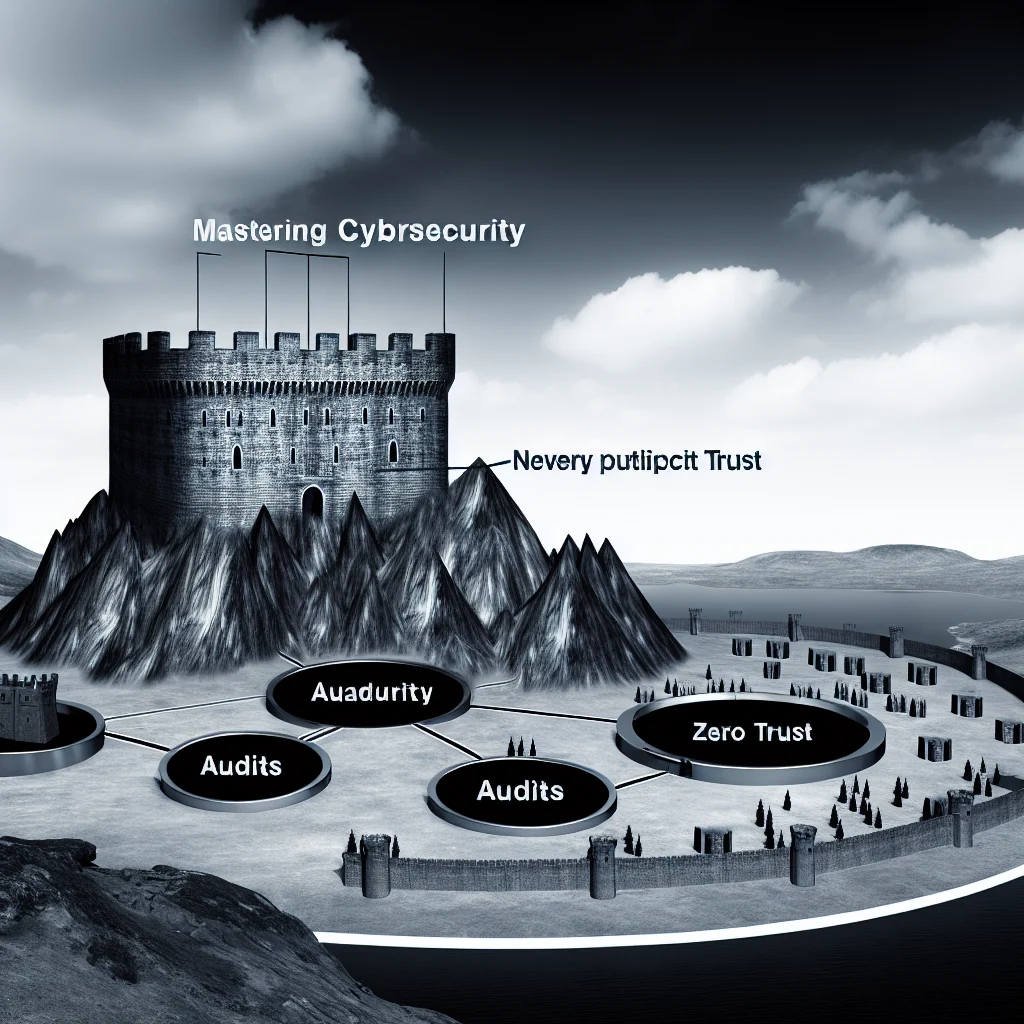
In the ever-evolving landscape of cybersecurity, the role of endpoint protection has become increasingly significant, particularly in the context of cybersecurity audits. As organizations strive to safeguard their digital assets, understanding the intricacies of endpoint protection is crucial. This understanding not only aids in fortifying defenses but also plays a pivotal role during cybersecurity audits, which are essential for assessing the robustness of an organization’s security posture.
Endpoint protection refers to the security measures implemented to protect devices such as laptops, desktops, and mobile devices that connect to a network. These endpoints are often the most vulnerable entry points for cyber threats, making them a critical focus area during cybersecurity audits. The primary objective of endpoint protection is to prevent unauthorized access and mitigate potential threats that could compromise sensitive data. In this regard, endpoint protection solutions encompass a range of tools and technologies, including antivirus software, firewalls, intrusion detection systems, and advanced threat protection mechanisms.
During a cybersecurity audit, the effectiveness of an organization’s endpoint protection strategy is meticulously evaluated. Auditors assess whether the deployed solutions are up-to-date and capable of defending against the latest threats. This evaluation is crucial because outdated or inadequate endpoint protection can leave an organization exposed to cyberattacks, potentially leading to data breaches and financial losses. Therefore, maintaining a robust endpoint protection strategy is not only a best practice but also a necessity for passing cybersecurity audits.
Moreover, the integration of endpoint protection with broader IT strategies is essential for achieving comprehensive security. Modern IT strategies emphasize the importance of a holistic approach to cybersecurity, where endpoint protection is seamlessly integrated with network security, data protection, and user access controls. This integration ensures that all components of an organization’s IT infrastructure work in harmony to detect, prevent, and respond to cyber threats. During audits, this cohesive approach is scrutinized to ensure that there are no gaps in the security framework that could be exploited by malicious actors.
In addition to evaluating the technical aspects of endpoint protection, cybersecurity audits also consider the human element. Employees play a crucial role in maintaining endpoint security, as their actions can either strengthen or weaken an organization’s defenses. Therefore, audits often include assessments of employee training programs and awareness initiatives. Ensuring that employees are well-informed about cybersecurity best practices and potential threats is vital for minimizing the risk of human error, which is a common factor in many security incidents.
Furthermore, the role of endpoint protection in cybersecurity audits extends to compliance with industry standards and regulations. Many industries have specific requirements for data protection and cybersecurity, and failing to comply with these standards can result in severe penalties. Audits help organizations verify their compliance status and identify areas where improvements are needed. Endpoint protection solutions must align with these regulatory requirements to ensure that organizations not only protect their assets but also adhere to legal obligations.
In conclusion, the role of endpoint protection in cybersecurity audits is multifaceted and indispensable. It serves as a critical line of defense against cyber threats and is integral to an organization’s overall security strategy. By ensuring that endpoint protection measures are robust, up-to-date, and well-integrated with other security components, organizations can enhance their resilience against cyberattacks and successfully navigate the complexities of cybersecurity audits. As the digital landscape continues to evolve, the importance of endpoint protection in safeguarding organizational assets and ensuring compliance will only continue to grow.
Firewall Setup Best Practices for IT Compliance and Security
In the ever-evolving landscape of cybersecurity, maintaining robust defenses against potential threats is paramount for organizations of all sizes. One of the foundational elements of a strong cybersecurity posture is the effective setup and management of firewalls. Firewalls serve as a critical barrier between an organization’s internal network and external threats, making their proper configuration essential for both IT compliance and security. As cyber threats become increasingly sophisticated, adhering to best practices in firewall setup is crucial to safeguarding sensitive data and ensuring regulatory compliance.
To begin with, understanding the specific needs and risks associated with your organization’s network is essential. This involves conducting a thorough risk assessment to identify potential vulnerabilities and the types of data that require protection. By doing so, organizations can tailor their firewall configurations to address these specific risks, thereby enhancing their overall security posture. Moreover, this initial assessment aids in aligning firewall settings with relevant compliance requirements, such as those outlined in regulations like GDPR, HIPAA, or PCI-DSS.
Once the risk assessment is complete, the next step is to implement a robust firewall policy. This policy should clearly define the rules and protocols for data traffic entering and leaving the network. It is advisable to adopt a default-deny approach, where all traffic is blocked by default unless explicitly allowed. This minimizes the risk of unauthorized access and ensures that only legitimate traffic is permitted. Additionally, regularly reviewing and updating firewall rules is crucial to adapt to the changing threat landscape and to maintain compliance with evolving regulatory standards.
In conjunction with a well-defined firewall policy, organizations should also consider segmenting their networks. Network segmentation involves dividing the network into smaller, isolated segments, each protected by its own firewall. This approach limits the lateral movement of potential threats within the network, thereby containing breaches and minimizing their impact. Furthermore, segmentation facilitates more granular control over data flows, which is particularly beneficial for meeting compliance requirements that mandate strict data access controls.
Another best practice in firewall setup is the implementation of intrusion detection and prevention systems (IDPS). These systems work in tandem with firewalls to monitor network traffic for suspicious activity and to take proactive measures to block potential threats. By integrating IDPS with firewall configurations, organizations can enhance their ability to detect and respond to cyber threats in real-time, thereby bolstering their security defenses.
Moreover, regular monitoring and logging of firewall activity are indispensable components of a comprehensive cybersecurity strategy. By maintaining detailed logs of all network traffic, organizations can conduct thorough audits to identify anomalies and potential security incidents. These logs also serve as valuable evidence in the event of a security breach, aiding in forensic investigations and compliance reporting.
Finally, it is important to ensure that all firewall hardware and software are kept up to date with the latest security patches and updates. Cybercriminals are constantly seeking to exploit vulnerabilities in outdated systems, making timely updates a critical aspect of maintaining a secure network environment. Additionally, providing ongoing training for IT staff on the latest firewall technologies and threat trends is essential to ensure that they are equipped to manage and optimize firewall configurations effectively.
In conclusion, the setup and management of firewalls are integral to achieving IT compliance and security. By conducting thorough risk assessments, implementing robust policies, segmenting networks, integrating IDPS, and maintaining vigilant monitoring and updates, organizations can significantly enhance their cybersecurity posture. As cyber threats continue to evolve, adhering to these best practices will be crucial in safeguarding sensitive data and ensuring compliance with regulatory standards.
Implementing Zero Trust Models in Modern IT Strategies for Enhanced Security
In the rapidly evolving landscape of information technology, the implementation of robust cybersecurity measures has become paramount. Among the various strategies that organizations are adopting, the Zero Trust model stands out as a particularly effective approach to enhancing security. This model, which operates on the principle of “never trust, always verify,” challenges the traditional notion of perimeter-based security. Instead of assuming that everything inside an organization’s network is safe, Zero Trust requires continuous verification of every user and device attempting to access resources, regardless of their location within or outside the network.
The adoption of Zero Trust models is increasingly seen as a critical component of modern IT strategies. As cyber threats become more sophisticated, relying solely on perimeter defenses is no longer sufficient. The Zero Trust approach mitigates risks by ensuring that access to data and systems is granted based on strict identity verification and contextual information, such as user behavior and device health. This shift in strategy is particularly relevant in today’s environment, where remote work and cloud computing have blurred the traditional network boundaries.
Implementing a Zero Trust model involves several key steps. First, organizations must gain a comprehensive understanding of their current IT environment. This includes mapping out all assets, users, and data flows to identify potential vulnerabilities. Once this baseline is established, the next step is to segment the network into smaller, manageable zones. By doing so, organizations can control access to sensitive data and systems more effectively, reducing the potential impact of a breach.
Moreover, identity and access management (IAM) plays a crucial role in the Zero Trust framework. By employing multi-factor authentication (MFA) and role-based access controls, organizations can ensure that only authorized users have access to critical resources. Additionally, continuous monitoring and analytics are essential components of a Zero Trust strategy. By leveraging advanced technologies such as artificial intelligence and machine learning, organizations can detect anomalies and respond to threats in real-time, further strengthening their security posture.
Transitioning to a Zero Trust model also requires a cultural shift within the organization. Employees must be educated about the importance of cybersecurity and the role they play in maintaining a secure environment. This involves regular training sessions and awareness programs to ensure that everyone understands the potential risks and the measures in place to mitigate them.
Furthermore, collaboration between different departments is vital for the successful implementation of Zero Trust. IT teams must work closely with other business units to align security measures with organizational goals and ensure that security does not become a bottleneck for productivity. This collaborative approach helps in creating a security-first mindset across the organization, fostering a culture of vigilance and responsibility.
In conclusion, as cyber threats continue to evolve, the adoption of Zero Trust models in modern IT strategies is not just a trend but a necessity. By focusing on continuous verification, network segmentation, and robust identity management, organizations can significantly enhance their security posture. While the transition to a Zero Trust model may require significant effort and resources, the long-term benefits in terms of reduced risk and improved resilience make it a worthwhile investment. As organizations strive to protect their digital assets in an increasingly complex threat landscape, Zero Trust offers a comprehensive and proactive approach to cybersecurity.
Enhance your organization’s security posture with our expert insights on cybersecurity audits and modern IT strategies. Discover how to protect your digital assets effectively. Learn more now!