Understanding Access Control: The First Line of Defense in DLP Systems
In the realm of data loss prevention (DLP) systems, understanding access control is paramount, as it serves as the first line of defense against unauthorized data breaches. Access control mechanisms are designed to regulate who can view or use resources in a computing environment, thereby playing a crucial role in safeguarding sensitive information. As organizations increasingly rely on digital data, the importance of robust access control measures cannot be overstated. These measures ensure that only authorized individuals have access to specific data, thereby minimizing the risk of data leaks and unauthorized access.
To comprehend the significance of access control within DLP systems, it is essential to explore the various types of access control models. Primarily, there are three widely recognized models: discretionary access control (DAC), mandatory access control (MAC), and role-based access control (RBAC). Each model offers distinct advantages and is suited to different organizational needs. Discretionary access control allows data owners to determine who can access their data, providing flexibility but also requiring diligent management to prevent unauthorized access. In contrast, mandatory access control is more rigid, with access rights determined by a central authority based on predefined policies, making it ideal for environments where security is paramount. Role-based access control, on the other hand, assigns access rights based on user roles within an organization, streamlining the process and reducing the complexity of managing individual permissions.
Transitioning from understanding these models, it is crucial to recognize the role of authentication and authorization in access control. Authentication is the process of verifying the identity of a user, typically through credentials such as passwords, biometrics, or security tokens. Once authenticated, authorization determines what resources the user is permitted to access. Together, these processes form the backbone of access control, ensuring that only verified users can access sensitive data and perform specific actions within a system.
Moreover, the implementation of access control measures must be complemented by continuous monitoring and auditing. This involves tracking user activities and access patterns to detect any anomalies or unauthorized attempts to access data. By maintaining a comprehensive audit trail, organizations can not only identify potential security breaches but also ensure compliance with regulatory requirements. This proactive approach to monitoring enhances the overall effectiveness of DLP systems, providing an additional layer of security.
In addition to monitoring, the principle of least privilege is a fundamental concept in access control. This principle dictates that users should be granted the minimum level of access necessary to perform their job functions. By limiting access rights, organizations can reduce the potential attack surface and mitigate the risk of insider threats. Implementing least privilege requires a thorough understanding of user roles and responsibilities, as well as regular reviews and updates to access permissions to reflect any changes in job functions or organizational structure.
Furthermore, as organizations adopt cloud-based solutions and remote work becomes more prevalent, access control mechanisms must evolve to address new challenges. This includes implementing multi-factor authentication, which adds an extra layer of security by requiring users to provide multiple forms of verification. Additionally, organizations must consider the use of advanced technologies such as artificial intelligence and machine learning to enhance access control systems, enabling them to adapt to emerging threats and provide real-time protection.
In conclusion, access control is a critical component of data loss prevention systems, serving as the first line of defense against unauthorized data access. By understanding and implementing effective access control measures, organizations can protect sensitive information, ensure compliance, and maintain the integrity of their data. As the digital landscape continues to evolve, so too must access control strategies, ensuring they remain robust and capable of addressing the ever-changing threat landscape.
Email Protection Strategies: Safeguarding Sensitive Information with DLP Systems
In today’s digital age, the protection of sensitive information has become a paramount concern for organizations across the globe. As businesses increasingly rely on electronic communication, particularly email, to conduct their operations, the risk of data breaches and unauthorized access to confidential information has escalated. Consequently, implementing robust email protection strategies is essential to safeguarding sensitive data. One of the most effective tools in this regard is Data Loss Prevention (DLP) systems, which play a crucial role in ensuring that sensitive information remains secure.
DLP systems are designed to detect and prevent the unauthorized transmission of sensitive data outside an organization’s network. By monitoring and controlling data flows, these systems help organizations comply with regulatory requirements and protect their intellectual property. In the context of email protection, DLP systems can be configured to scan outgoing emails for sensitive information, such as personal identification numbers, financial data, or proprietary business information. When such data is detected, the system can automatically block the email, alert the sender, or encrypt the message to ensure secure transmission.
The implementation of DLP systems in email protection strategies offers several advantages. Firstly, these systems provide real-time monitoring and analysis of email traffic, enabling organizations to identify potential threats and respond promptly. This proactive approach helps mitigate the risk of data breaches before they occur. Additionally, DLP systems can be customized to align with an organization’s specific security policies and compliance requirements, ensuring that sensitive information is handled appropriately.
Moreover, DLP systems enhance an organization’s ability to enforce data protection policies consistently across all communication channels. By integrating DLP solutions with email platforms, organizations can establish a unified approach to data security, reducing the likelihood of human error and ensuring that all employees adhere to established protocols. This integration also facilitates comprehensive reporting and auditing capabilities, allowing organizations to track data movement and demonstrate compliance with regulatory standards.
However, the successful implementation of DLP systems requires careful planning and consideration. Organizations must conduct a thorough assessment of their data protection needs and identify the types of sensitive information that require safeguarding. This process involves classifying data based on its sensitivity and determining the appropriate level of protection for each category. Additionally, organizations must ensure that their DLP systems are regularly updated to address emerging threats and vulnerabilities.
Furthermore, employee training and awareness are critical components of an effective email protection strategy. Organizations must educate their staff on the importance of data security and the role of DLP systems in safeguarding sensitive information. By fostering a culture of security awareness, organizations can empower their employees to recognize potential threats and take appropriate action to prevent data loss.
In conclusion, as the reliance on electronic communication continues to grow, the need for robust email protection strategies becomes increasingly important. DLP systems offer a comprehensive solution for safeguarding sensitive information, providing real-time monitoring, customizable policies, and integration with existing communication platforms. By implementing these systems and fostering a culture of security awareness, organizations can effectively protect their data and maintain compliance with regulatory requirements. As technology evolves, the role of DLP systems in email protection will undoubtedly continue to expand, offering new opportunities for organizations to enhance their data security measures.
Effective Backup Strategies: Ensuring Data Integrity and Availability in DLP Systems
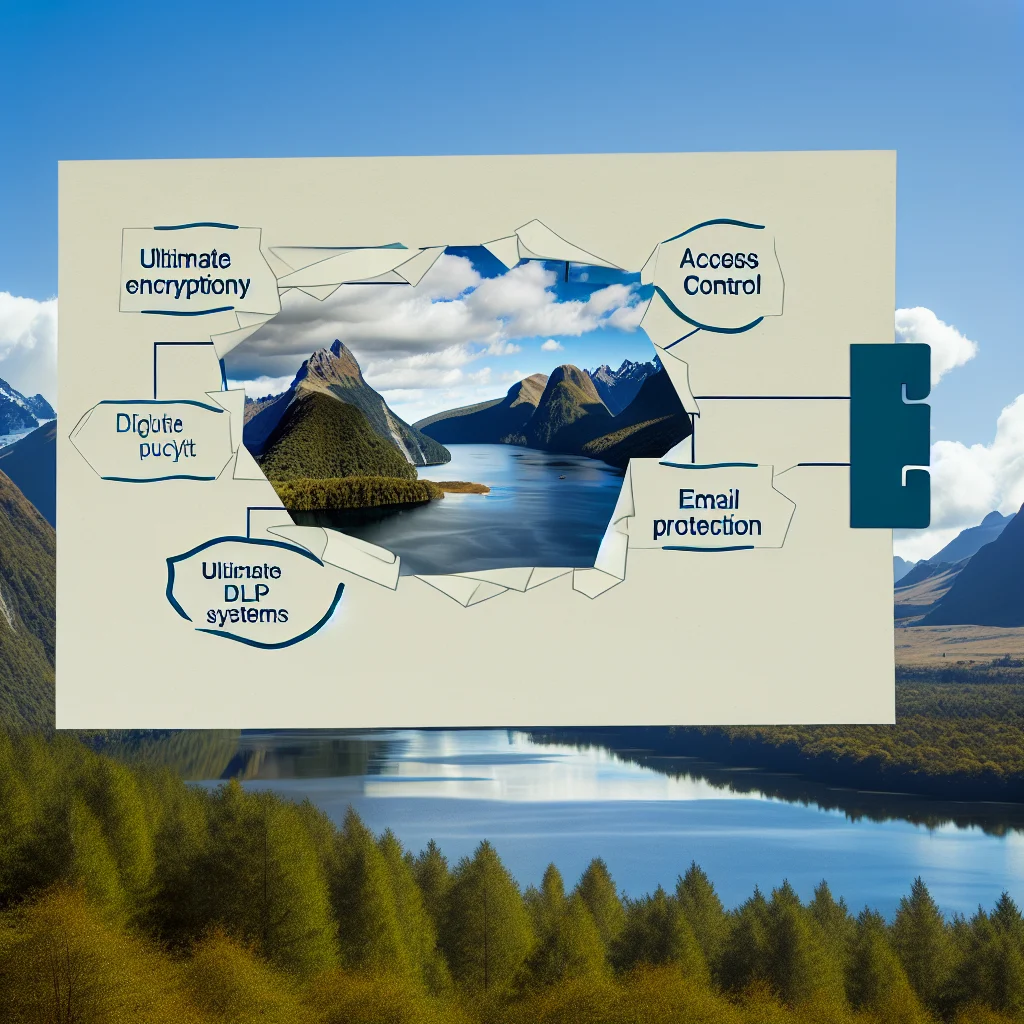
In the realm of data loss prevention (DLP) systems, ensuring data integrity and availability is paramount. As organizations increasingly rely on digital data to drive their operations, the need for effective backup strategies becomes ever more critical. These strategies not only safeguard against data loss but also ensure that data remains accessible and uncorrupted, thereby maintaining the trust and efficiency of business processes. To achieve this, a comprehensive understanding of backup methodologies and their integration into DLP systems is essential.
One of the foundational elements of an effective backup strategy is the implementation of the 3-2-1 rule. This rule advocates for maintaining three copies of data: the original data and two backups. These backups should be stored on two different types of media, with one copy kept offsite. By diversifying storage media and locations, organizations can mitigate the risk of data loss due to hardware failure, natural disasters, or cyberattacks. This approach not only enhances data availability but also fortifies the overall resilience of DLP systems.
Moreover, the choice of backup technology plays a crucial role in ensuring data integrity. Traditional tape backups, while reliable, may not offer the speed and flexibility required by modern enterprises. Consequently, many organizations are turning to cloud-based solutions, which provide scalable storage options and facilitate rapid data recovery. Cloud backups also offer the advantage of geographic redundancy, further protecting data from localized disruptions. However, it is imperative to evaluate the security measures of cloud providers to ensure that data remains protected from unauthorized access.
In addition to selecting appropriate backup technologies, organizations must also establish a robust backup schedule. Regularly scheduled backups minimize the risk of data loss by ensuring that the most recent data is always preserved. The frequency of these backups should be determined by the organization’s specific needs and the criticality of the data involved. For instance, businesses that handle real-time transactions may require continuous data protection, while others may find daily or weekly backups sufficient. By tailoring the backup schedule to the organization’s operational requirements, data integrity and availability can be effectively maintained.
Furthermore, testing and validation of backup systems are indispensable components of an effective strategy. Regular testing ensures that backups are not only being created successfully but can also be restored without issues. This process involves simulating data recovery scenarios to identify potential weaknesses and rectify them before an actual data loss event occurs. By conducting these tests, organizations can gain confidence in their backup systems and ensure that they are prepared for any eventuality.
Finally, integrating backup strategies with DLP systems requires a holistic approach that considers both technological and human factors. Training employees on data handling best practices and the importance of backups can significantly reduce the risk of accidental data loss. Additionally, implementing access controls and monitoring mechanisms can prevent unauthorized data modifications, thereby preserving data integrity.
In conclusion, effective backup strategies are integral to maintaining data integrity and availability within DLP systems. By adhering to best practices such as the 3-2-1 rule, selecting appropriate technologies, establishing a robust backup schedule, and conducting regular testing, organizations can safeguard their data against a myriad of threats. As the digital landscape continues to evolve, these strategies will remain vital in ensuring that data remains a reliable and secure asset for businesses worldwide.
Preventing Data Breaches: How DLP Systems Enhance Security Measures
In today’s digital age, the protection of sensitive information has become a paramount concern for organizations across the globe. As data breaches continue to rise in frequency and sophistication, businesses are increasingly turning to Data Loss Prevention (DLP) systems to bolster their security measures. These systems play a crucial role in safeguarding confidential data by identifying, monitoring, and protecting sensitive information from unauthorized access and potential leaks. By implementing DLP systems, organizations can significantly enhance their security posture and mitigate the risks associated with data breaches.
DLP systems operate by employing a combination of technologies and processes designed to detect and prevent the unauthorized transmission of sensitive data. These systems are capable of identifying sensitive information based on predefined policies and rules, which can be customized to meet the specific needs of an organization. For instance, DLP systems can be configured to recognize patterns associated with credit card numbers, social security numbers, or proprietary business information. Once identified, the system can take appropriate actions, such as alerting security personnel, blocking the transmission, or encrypting the data to prevent unauthorized access.
Moreover, DLP systems provide organizations with comprehensive visibility into their data flows, enabling them to monitor how information is being accessed and shared both within and outside the organization. This visibility is crucial for identifying potential vulnerabilities and ensuring compliance with regulatory requirements. By tracking data movement, organizations can detect anomalies and respond swiftly to potential threats, thereby reducing the likelihood of a data breach. Furthermore, DLP systems can generate detailed reports and analytics, offering valuable insights into data usage patterns and helping organizations make informed decisions about their security strategies.
In addition to monitoring and protecting data, DLP systems also play a vital role in educating employees about data security best practices. Many data breaches occur due to human error, such as accidental sharing of sensitive information or falling victim to phishing attacks. DLP systems can help mitigate these risks by providing real-time feedback and guidance to employees when they attempt to perform actions that could compromise data security. This proactive approach not only prevents potential breaches but also fosters a culture of security awareness within the organization.
As organizations continue to embrace digital transformation, the integration of DLP systems into their security frameworks becomes increasingly important. The rise of remote work and the proliferation of cloud-based services have expanded the attack surface, making it more challenging to protect sensitive data. DLP systems offer a robust solution by extending their protective measures to cloud environments and remote endpoints, ensuring that data remains secure regardless of where it resides or how it is accessed.
However, it is essential to recognize that DLP systems are not a panacea for all security challenges. They should be viewed as a critical component of a comprehensive security strategy that includes other measures such as firewalls, intrusion detection systems, and regular security audits. By adopting a multi-layered approach to security, organizations can create a more resilient defense against the ever-evolving threat landscape.
In conclusion, DLP systems are indispensable tools in the fight against data breaches. By providing visibility, control, and protection over sensitive information, these systems enhance an organization’s ability to safeguard its data assets. As cyber threats continue to evolve, the implementation of DLP systems will remain a key strategy for organizations seeking to protect their most valuable resource: their data.
Compliance Tools and Encryption: Strengthening DLP Systems for Regulatory Adherence
In today’s digital landscape, the importance of data loss prevention (DLP) systems cannot be overstated, particularly as organizations strive to comply with an ever-growing array of regulatory requirements. As businesses handle increasing volumes of sensitive information, the need for robust compliance tools and encryption methods becomes paramount. These elements not only enhance the effectiveness of DLP systems but also ensure that organizations adhere to stringent regulatory standards, thereby safeguarding their reputations and avoiding costly penalties.
To begin with, compliance tools play a crucial role in strengthening DLP systems by providing a structured framework for managing data in accordance with legal and regulatory mandates. These tools are designed to identify, monitor, and protect sensitive data, ensuring that it is handled in a manner consistent with applicable laws such as the General Data Protection Regulation (GDPR) and the Health Insurance Portability and Accountability Act (HIPAA). By integrating compliance tools into their DLP systems, organizations can automate the process of data classification and policy enforcement, thereby reducing the risk of human error and ensuring that data handling practices are consistently aligned with regulatory requirements.
Moreover, encryption serves as a vital component of DLP systems, offering an additional layer of security that protects data both at rest and in transit. By converting sensitive information into an unreadable format, encryption ensures that even if data is intercepted or accessed by unauthorized individuals, it remains unintelligible and therefore useless. This is particularly important in the context of regulatory compliance, as many regulations mandate the use of encryption to protect personal and sensitive data. For instance, the Payment Card Industry Data Security Standard (PCI DSS) requires organizations to encrypt cardholder data to prevent unauthorized access and ensure the security of financial transactions.
In addition to compliance tools and encryption, organizations must also consider the role of employee training and awareness in strengthening DLP systems. While technology provides the necessary infrastructure for data protection, it is ultimately the responsibility of employees to adhere to data handling policies and procedures. Regular training sessions and awareness programs can help employees understand the importance of data protection and the role they play in maintaining compliance. By fostering a culture of security awareness, organizations can minimize the risk of data breaches resulting from human error or negligence.
Furthermore, the integration of advanced technologies such as artificial intelligence (AI) and machine learning (ML) into DLP systems can significantly enhance their effectiveness. These technologies enable DLP systems to analyze vast amounts of data in real-time, identifying patterns and anomalies that may indicate potential security threats. By leveraging AI and ML, organizations can proactively detect and respond to data breaches, thereby minimizing their impact and ensuring compliance with regulatory requirements.
In conclusion, the integration of compliance tools and encryption into DLP systems is essential for organizations seeking to strengthen their data protection efforts and adhere to regulatory standards. By automating data classification and policy enforcement, encrypting sensitive information, and fostering a culture of security awareness, organizations can effectively mitigate the risk of data breaches and ensure the integrity of their data. As regulatory requirements continue to evolve, the adoption of advanced technologies such as AI and ML will further enhance the capabilities of DLP systems, enabling organizations to stay ahead of emerging threats and maintain compliance in an increasingly complex digital environment.
Discover the latest Data Loss Prevention Insights and enhance your security strategy with DLP systems. [Learn more](https://comptss.com).