Emerging Health IT Trends: Transforming Healthcare Systems
In recent years, the healthcare industry has witnessed a significant transformation driven by the rapid advancement of information technology. This evolution is reshaping healthcare systems, making them more efficient, patient-centered, and data-driven. As we delve into the emerging health IT trends, it becomes evident that these innovations are not only enhancing the quality of care but also revolutionizing the way healthcare is delivered and managed.
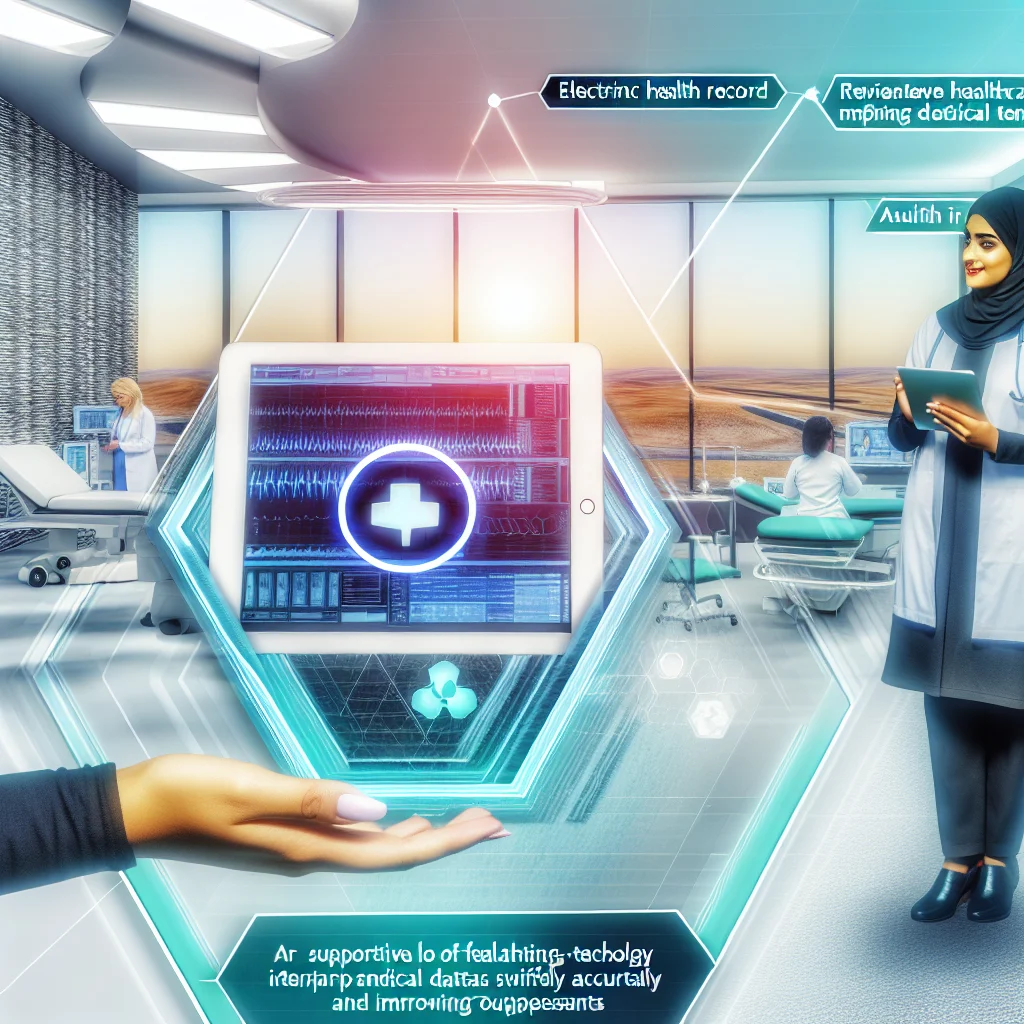
One of the most prominent trends in healthcare IT is the increasing adoption of electronic health records (EHRs). EHRs have become a cornerstone of modern healthcare systems, providing a comprehensive digital record of a patient’s medical history. This digitalization facilitates seamless information sharing among healthcare providers, ensuring that patients receive coordinated and informed care. Moreover, EHRs enable healthcare professionals to access critical patient data in real-time, leading to more accurate diagnoses and personalized treatment plans. As a result, the integration of EHRs is significantly improving patient outcomes and reducing medical errors.
In addition to EHRs, telemedicine has emerged as a transformative force in healthcare delivery. The COVID-19 pandemic accelerated the adoption of telehealth services, highlighting their potential to provide accessible and convenient care. Telemedicine allows patients to consult with healthcare providers remotely, breaking down geographical barriers and reducing the need for in-person visits. This trend is particularly beneficial for individuals in rural or underserved areas, who may otherwise face challenges in accessing healthcare services. Furthermore, telemedicine is proving to be a cost-effective solution, reducing the burden on healthcare facilities and minimizing travel expenses for patients.
Another critical trend is the rise of wearable health technology. Devices such as smartwatches and fitness trackers are empowering individuals to monitor their health in real-time. These wearables collect valuable data on vital signs, physical activity, and sleep patterns, enabling users to make informed lifestyle choices. For healthcare providers, this data offers insights into a patient’s health outside of clinical settings, facilitating proactive interventions and personalized care plans. As wearable technology continues to advance, it holds the potential to revolutionize preventive care and chronic disease management.
Artificial intelligence (AI) is also playing a pivotal role in transforming healthcare systems. AI algorithms are being employed to analyze vast amounts of medical data, uncovering patterns and insights that were previously inaccessible. This capability is enhancing diagnostic accuracy, predicting disease outbreaks, and optimizing treatment protocols. Moreover, AI-powered tools are streamlining administrative tasks, allowing healthcare professionals to focus more on patient care. As AI technology continues to evolve, its integration into healthcare systems promises to drive innovation and improve efficiency across the board.
Furthermore, the growing emphasis on data security and privacy is shaping the future of healthcare IT. With the increasing digitization of health records, safeguarding sensitive patient information has become paramount. Healthcare organizations are investing in robust cybersecurity measures to protect against data breaches and ensure compliance with regulations such as the Health Insurance Portability and Accountability Act (HIPAA). This focus on data security is essential for maintaining patient trust and ensuring the integrity of healthcare systems.
In conclusion, the landscape of healthcare IT is rapidly evolving, driven by trends such as electronic health records, telemedicine, wearable technology, artificial intelligence, and data security. These innovations are not only transforming healthcare systems but also enhancing the quality and accessibility of care. As technology continues to advance, it is imperative for healthcare organizations to embrace these trends and adapt to the changing landscape. By doing so, they can harness the full potential of health IT to improve patient outcomes and create a more efficient and effective healthcare system.
Enhancing Clinical Support Through Advanced Tech Integration
In the rapidly evolving landscape of healthcare, the integration of advanced technology into clinical support systems has become a pivotal factor in enhancing patient care and operational efficiency. As healthcare systems strive to meet the increasing demands of patient populations, the role of technology in streamlining processes and improving outcomes cannot be overstated. The adoption of sophisticated healthcare IT solutions is transforming the way clinicians access information, make decisions, and deliver care, ultimately leading to more effective and efficient healthcare delivery.
One of the most significant advancements in this domain is the implementation of Electronic Health Records (EHRs). EHRs have revolutionized the way patient information is stored, accessed, and shared among healthcare providers. By digitizing patient records, EHRs facilitate seamless communication and coordination across different departments and specialties. This integration not only reduces the likelihood of errors but also ensures that healthcare professionals have access to comprehensive and up-to-date patient information, enabling them to make informed decisions quickly. Moreover, EHRs support the implementation of evidence-based practices by providing clinicians with access to the latest research and clinical guidelines at the point of care.
In addition to EHRs, the integration of clinical decision support systems (CDSS) has further enhanced the capabilities of healthcare providers. CDSS tools offer real-time assistance by analyzing patient data and providing evidence-based recommendations for diagnosis and treatment. These systems leverage artificial intelligence and machine learning algorithms to identify patterns and predict potential health issues, thereby enabling early intervention and personalized care plans. As a result, clinicians can deliver more accurate diagnoses and tailor treatments to individual patient needs, improving overall patient outcomes.
Furthermore, telemedicine has emerged as a critical component of modern healthcare systems, particularly in the wake of the COVID-19 pandemic. By enabling remote consultations and monitoring, telemedicine expands access to care, especially for patients in rural or underserved areas. This technology not only reduces the burden on healthcare facilities but also allows patients to receive timely medical attention without the need for travel. The integration of telemedicine with other healthcare IT solutions ensures that patient data is seamlessly shared and updated, maintaining continuity of care across different platforms.
Another area where technology integration is making a significant impact is in the realm of predictive analytics. By harnessing the power of big data, healthcare systems can identify trends and predict future healthcare needs. Predictive analytics tools analyze vast amounts of data from various sources, including patient records, medical devices, and social determinants of health, to forecast potential outbreaks, resource requirements, and patient outcomes. This proactive approach enables healthcare providers to allocate resources more efficiently, plan for future demands, and implement preventive measures to mitigate risks.
Despite the numerous benefits, the integration of advanced technology in healthcare systems also presents challenges. Ensuring data security and patient privacy remains a top priority, as the increased digitization of health information raises concerns about potential breaches and unauthorized access. Healthcare organizations must invest in robust cybersecurity measures and adhere to strict regulatory standards to protect sensitive patient data.
In conclusion, the integration of advanced technology into clinical support systems is reshaping the healthcare landscape, offering unprecedented opportunities to enhance patient care and operational efficiency. By embracing innovations such as EHRs, CDSS, telemedicine, and predictive analytics, healthcare systems can improve decision-making, expand access to care, and optimize resource allocation. As technology continues to evolve, it is imperative for healthcare organizations to remain agile and adaptive, ensuring that they harness the full potential of these tools to deliver high-quality, patient-centered care.
Navigating HIPAA Compliance in Modern Healthcare IT

Navigating the complexities of HIPAA compliance in modern healthcare IT is a critical task for healthcare systems striving to protect patient information while leveraging technological advancements. The Health Insurance Portability and Accountability Act (HIPAA), enacted in 1996, sets the standard for protecting sensitive patient data. As healthcare systems increasingly adopt digital solutions, ensuring compliance with HIPAA regulations has become more challenging yet essential.
The integration of electronic health records (EHRs), telemedicine, and mobile health applications has revolutionized patient care, offering unprecedented access to medical information and services. However, these advancements also introduce new vulnerabilities. Healthcare organizations must implement robust security measures to safeguard protected health information (PHI) from unauthorized access, breaches, and cyber threats. This necessitates a comprehensive understanding of HIPAA’s Privacy and Security Rules, which outline the necessary administrative, physical, and technical safeguards.
To begin with, healthcare systems must conduct regular risk assessments to identify potential vulnerabilities in their IT infrastructure. These assessments help organizations understand where PHI might be at risk and develop strategies to mitigate these risks. For instance, encryption of data both at rest and in transit is a fundamental requirement to prevent unauthorized access. Additionally, implementing access controls ensures that only authorized personnel can access sensitive information, thereby reducing the risk of internal breaches.
Moreover, training and educating staff on HIPAA compliance is crucial. Employees must be aware of the importance of protecting patient information and the potential consequences of non-compliance. Regular training sessions can help reinforce best practices and keep staff updated on the latest regulatory changes. Furthermore, establishing a culture of compliance within the organization encourages employees to prioritize data protection in their daily activities.
In addition to internal measures, healthcare systems must also ensure that their business associates comply with HIPAA regulations. Business associates, such as third-party vendors and service providers, often have access to PHI and must adhere to the same standards of data protection. Establishing comprehensive business associate agreements (BAAs) is essential to delineate responsibilities and ensure compliance across all parties involved.
As technology continues to evolve, so too do the threats to data security. Cyberattacks, such as ransomware and phishing, pose significant risks to healthcare systems. Therefore, staying abreast of the latest cybersecurity trends and implementing advanced security technologies is imperative. This includes deploying firewalls, intrusion detection systems, and regular software updates to protect against emerging threats.
Furthermore, in the event of a data breach, having a well-defined incident response plan is vital. This plan should outline the steps to be taken immediately following a breach, including notifying affected individuals and reporting the incident to the Department of Health and Human Services (HHS) as required by HIPAA. A swift and effective response can mitigate the impact of a breach and demonstrate the organization’s commitment to protecting patient information.
In conclusion, navigating HIPAA compliance in modern healthcare IT requires a multifaceted approach that encompasses risk assessments, staff training, business associate management, and advanced cybersecurity measures. By prioritizing these elements, healthcare systems can protect patient information while embracing the benefits of digital innovation. As the healthcare landscape continues to evolve, maintaining a proactive stance on HIPAA compliance will be essential to ensuring the privacy and security of patient data.
The Role of EHR in Streamlining Medical Data Management
Electronic Health Records (EHR) have become a cornerstone in the evolution of healthcare systems, fundamentally transforming the way medical data is managed and utilized. As healthcare providers strive to enhance patient care and operational efficiency, the role of EHR in streamlining medical data management cannot be overstated. By digitizing patient records, EHR systems facilitate seamless access to comprehensive patient information, thereby improving the quality of care and reducing the likelihood of medical errors.
One of the primary advantages of EHR systems is their ability to consolidate patient information into a single, easily accessible digital format. This consolidation allows healthcare providers to quickly retrieve a patient’s medical history, including past diagnoses, treatments, and medications. Consequently, this comprehensive view enables more informed decision-making, as clinicians can consider a patient’s entire medical background when devising treatment plans. Moreover, the integration of EHR systems with other healthcare technologies, such as laboratory and imaging systems, further enhances the availability of critical data, ensuring that healthcare providers have access to the most up-to-date information.
In addition to improving data accessibility, EHR systems play a crucial role in enhancing communication among healthcare professionals. By providing a centralized platform for information sharing, EHRs facilitate collaboration among multidisciplinary teams, ensuring that all members are informed of a patient’s status and treatment plan. This improved communication is particularly beneficial in complex cases where multiple specialists are involved, as it reduces the risk of miscommunication and ensures that all parties are aligned in their approach to patient care.
Furthermore, EHR systems contribute to increased efficiency in healthcare settings by automating routine administrative tasks. For instance, EHRs can streamline the process of scheduling appointments, managing billing, and processing insurance claims. By reducing the administrative burden on healthcare staff, EHR systems allow providers to allocate more time and resources to direct patient care, ultimately enhancing the overall patient experience.
Another significant benefit of EHR systems is their potential to improve patient safety. By providing real-time access to patient information, EHRs help prevent adverse drug interactions and allergic reactions, as clinicians can easily review a patient’s medication history before prescribing new treatments. Additionally, EHR systems often include decision support tools that alert providers to potential issues, such as abnormal lab results or contraindications, further safeguarding patient health.
Despite these advantages, the implementation of EHR systems is not without challenges. Healthcare organizations must invest in robust IT infrastructure and provide comprehensive training to ensure that staff can effectively utilize these systems. Moreover, concerns regarding data privacy and security must be addressed, as the digitization of medical records increases the risk of unauthorized access and data breaches. To mitigate these risks, healthcare providers must implement stringent security measures and adhere to regulatory standards, such as the Health Insurance Portability and Accountability Act (HIPAA).
In conclusion, the role of EHR in streamlining medical data management is pivotal in modern healthcare systems. By enhancing data accessibility, improving communication, increasing efficiency, and bolstering patient safety, EHR systems have the potential to significantly improve the quality of care provided to patients. However, to fully realize these benefits, healthcare organizations must address the challenges associated with EHR implementation and ensure that these systems are used effectively and securely. As technology continues to advance, the integration of EHR systems with emerging innovations will likely further revolutionize the management of medical data, paving the way for a more efficient and patient-centered healthcare system.
Innovative Approaches to Healthcare Systems and IT Integration
In recent years, the integration of information technology into healthcare systems has emerged as a pivotal force in transforming the delivery of medical services. This evolution is not merely a trend but a necessary adaptation to the growing demands for efficiency, accuracy, and accessibility in healthcare. As healthcare systems strive to meet these demands, innovative approaches to IT integration are becoming increasingly essential. These approaches are reshaping the landscape of healthcare, offering new possibilities for patient care and operational efficiency.
One of the most significant innovations in healthcare IT integration is the development and implementation of electronic health records (EHRs). EHRs have revolutionized the way patient information is stored, accessed, and utilized. By digitizing patient records, healthcare providers can ensure that critical information is readily available, reducing the likelihood of errors and improving the coordination of care. Moreover, EHRs facilitate seamless communication among healthcare professionals, enabling them to make informed decisions quickly and efficiently. This integration of IT into healthcare systems not only enhances patient safety but also streamlines administrative processes, ultimately leading to cost savings for healthcare providers.
In addition to EHRs, telemedicine has emerged as a groundbreaking approach to healthcare delivery. By leveraging IT, telemedicine allows patients to consult with healthcare professionals remotely, breaking down geographical barriers and increasing access to care. This is particularly beneficial for individuals in rural or underserved areas who may otherwise face significant challenges in accessing medical services. Furthermore, telemedicine offers the convenience of receiving care from the comfort of one’s home, which can lead to increased patient satisfaction and adherence to treatment plans. As telemedicine continues to evolve, it is expected to play an even more prominent role in healthcare systems worldwide.
Another innovative approach to IT integration in healthcare is the use of data analytics. With the vast amount of data generated by healthcare systems, the ability to analyze and interpret this information is crucial. Data analytics can provide valuable insights into patient outcomes, treatment effectiveness, and operational efficiency. By harnessing the power of data, healthcare providers can identify trends, predict potential health issues, and tailor interventions to individual patients. This data-driven approach not only enhances the quality of care but also supports the shift towards personalized medicine, where treatments are customized to meet the unique needs of each patient.
Moreover, the integration of artificial intelligence (AI) into healthcare systems is opening new frontiers in medical research and practice. AI technologies, such as machine learning and natural language processing, are being used to develop predictive models, automate routine tasks, and assist in diagnostic processes. These advancements have the potential to significantly reduce the burden on healthcare professionals, allowing them to focus on more complex and critical aspects of patient care. As AI continues to advance, its integration into healthcare systems is expected to lead to more accurate diagnoses, improved patient outcomes, and enhanced operational efficiency.
In conclusion, the integration of information technology into healthcare systems is driving significant advancements in the delivery of medical services. Through innovative approaches such as electronic health records, telemedicine, data analytics, and artificial intelligence, healthcare providers are better equipped to meet the evolving needs of patients and improve the overall quality of care. As these technologies continue to develop and mature, their impact on healthcare systems will undoubtedly grow, paving the way for a more efficient, accessible, and patient-centered healthcare landscape.
Unlock the Future of Healthcare IT: Discover Key Insights into 45 Healthcare Systems. Explore Now!