The Future Of Digital Dentistry: Embracing Cloud Integration
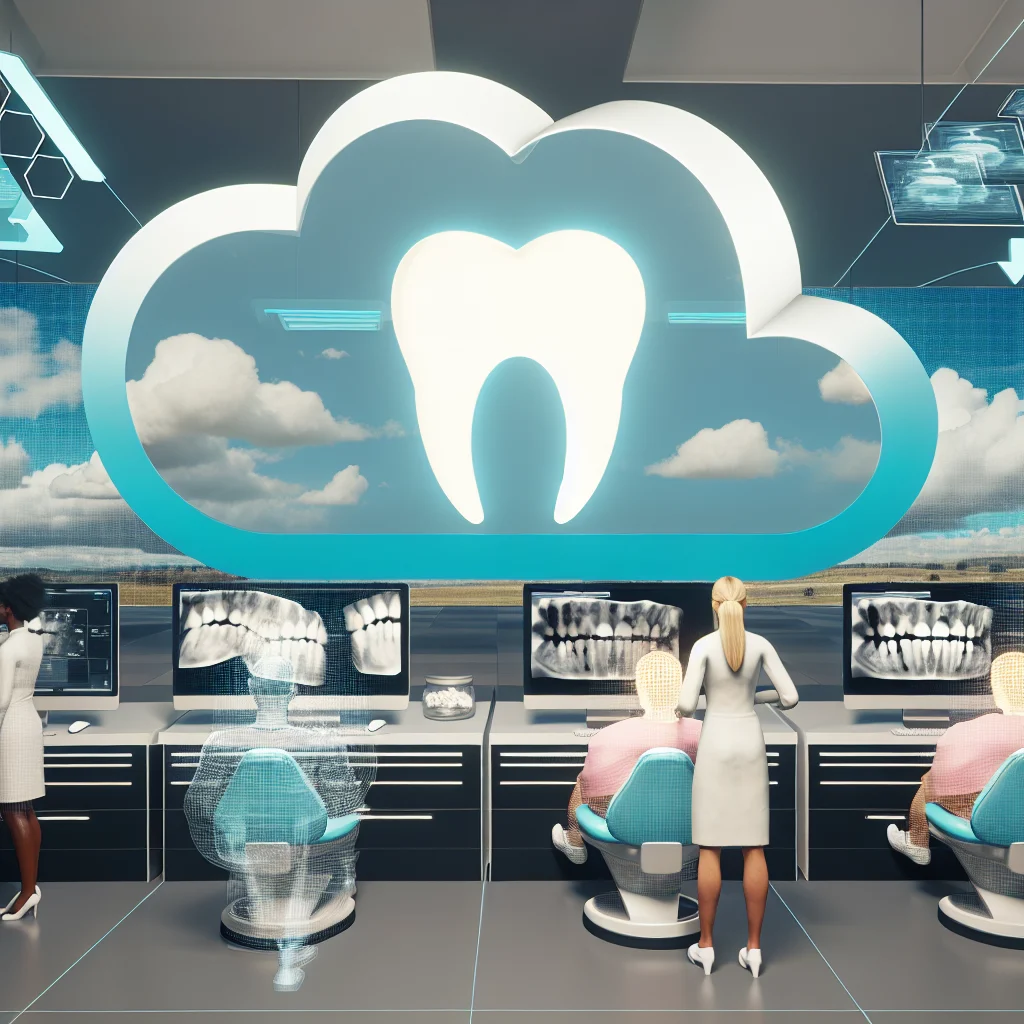
The future of digital dentistry is rapidly evolving, with cloud integration playing a pivotal role in transforming how dental practices operate. As dental technology advances, the integration of cloud-based solutions is becoming increasingly essential for enhancing efficiency, improving patient care, and ensuring data security. This shift towards cloud integration is not merely a trend but a necessary evolution in the digital landscape of dentistry.
Cloud integration in dental practices offers numerous advantages, starting with the seamless management of patient records. Traditionally, dental practices relied on paper-based systems or local servers to store patient information, which often led to inefficiencies and potential data loss. With cloud-based solutions, dental professionals can access patient records in real-time from any location, ensuring that they have the most up-to-date information at their fingertips. This accessibility not only streamlines administrative tasks but also enhances the quality of patient care by allowing for more informed decision-making.
Moreover, cloud integration facilitates improved collaboration among dental professionals. In a traditional setting, sharing patient information between specialists or across different locations could be cumbersome and time-consuming. However, with cloud technology, dental practitioners can easily share and access patient data, radiographs, and treatment plans, fostering a more collaborative approach to patient care. This interconnectedness ensures that patients receive comprehensive and coordinated treatment, ultimately leading to better outcomes.
In addition to improving collaboration, cloud integration significantly enhances data security. Dental practices handle sensitive patient information, making data protection a top priority. Cloud service providers employ advanced security measures, such as encryption and multi-factor authentication, to safeguard data against unauthorized access and cyber threats. By leveraging these robust security protocols, dental practices can ensure compliance with regulations such as the Health Insurance Portability and Accountability Act (HIPAA) while maintaining patient trust.
Furthermore, cloud-based solutions offer scalability and cost-effectiveness, making them an attractive option for dental practices of all sizes. As a practice grows, its data storage and processing needs increase. Cloud integration allows for easy scalability, enabling practices to expand their digital infrastructure without the need for significant upfront investments in hardware. This flexibility ensures that dental practices can adapt to changing demands while optimizing their operational costs.
Another significant benefit of cloud integration is the facilitation of advanced analytics and artificial intelligence (AI) applications. By harnessing the power of cloud computing, dental practices can analyze large volumes of data to gain valuable insights into patient trends, treatment outcomes, and operational efficiencies. AI-driven tools can assist in diagnosing conditions, predicting treatment success, and personalizing patient care plans. These capabilities not only enhance clinical decision-making but also contribute to a more patient-centered approach to dentistry.
As the dental industry continues to embrace digital transformation, the integration of cloud technology will undoubtedly play a crucial role in shaping the future of dental care. By adopting cloud-based solutions, dental practices can enhance their operational efficiency, improve patient outcomes, and ensure data security. The transition to cloud integration represents a significant step forward in the evolution of digital dentistry, offering a promising future where technology and patient care are seamlessly intertwined. As dental professionals navigate this digital landscape, embracing cloud integration will be essential for staying competitive and delivering the highest standard of care in an increasingly connected world.
Enhancing Practice Security Through Advanced Dental Technology
In the rapidly evolving landscape of dental technology, ensuring the security of dental practices has become a paramount concern. As dental practices increasingly rely on digital solutions to enhance patient care and streamline operations, the need for robust security measures has never been more critical. Advanced dental technology not only improves the efficiency and effectiveness of dental procedures but also plays a crucial role in safeguarding sensitive patient information.
To begin with, the integration of electronic health records (EHRs) in dental practices has revolutionized the way patient data is managed. EHRs offer a centralized platform for storing and accessing patient information, facilitating seamless communication between dental professionals and enhancing the overall quality of care. However, the digital nature of EHRs also presents potential security vulnerabilities. To mitigate these risks, dental practices must implement comprehensive cybersecurity measures, including encryption, multi-factor authentication, and regular software updates. These measures help protect patient data from unauthorized access and cyber threats, ensuring that sensitive information remains confidential and secure.
Moreover, the adoption of cloud-based solutions in dental practices has further underscored the importance of data security. Cloud technology offers numerous benefits, such as scalability, cost-effectiveness, and remote access to patient records. Nevertheless, it also introduces new security challenges, particularly concerning data breaches and unauthorized data access. To address these concerns, dental practices should partner with reputable cloud service providers that adhere to stringent security standards and comply with relevant regulations, such as the Health Insurance Portability and Accountability Act (HIPAA). By doing so, practices can leverage the advantages of cloud technology while maintaining the highest levels of data protection.
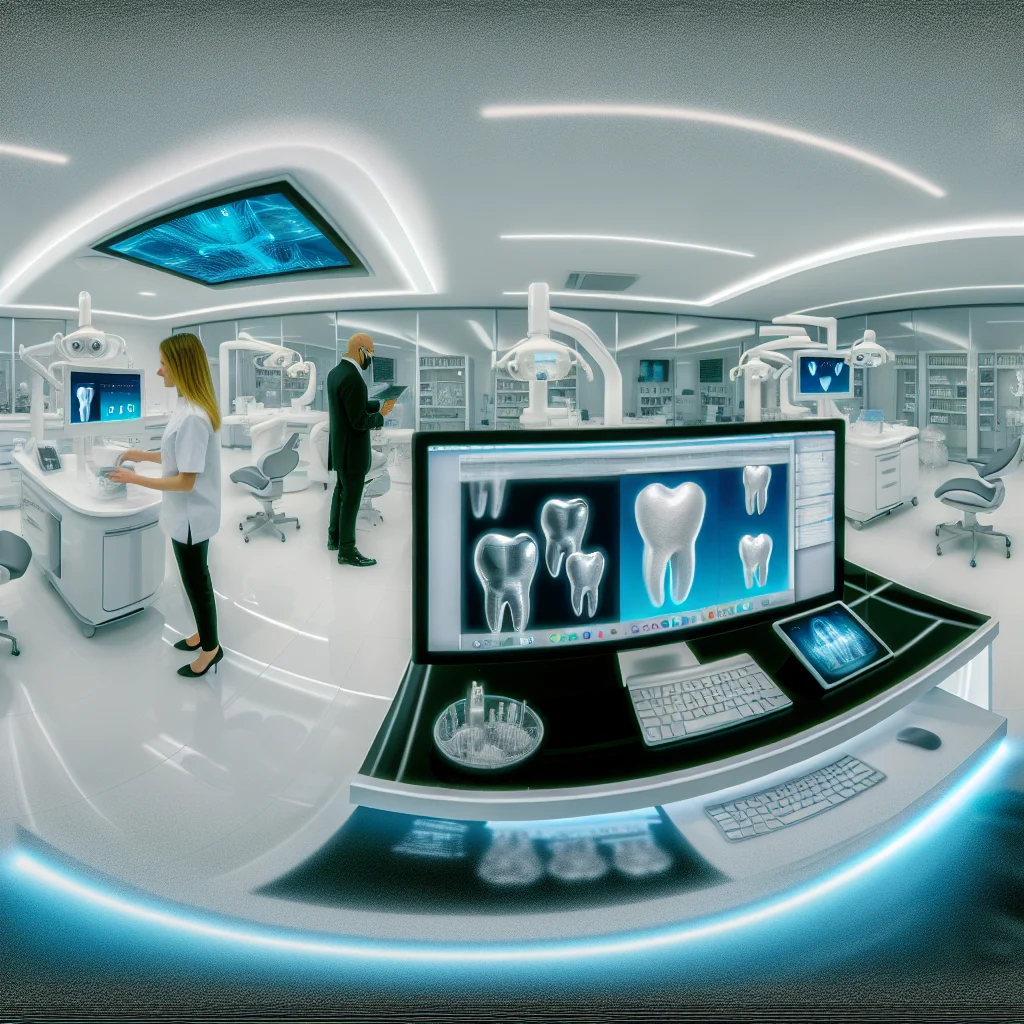
In addition to safeguarding patient information, advanced dental technology also enhances the security of dental practice operations. For instance, the implementation of digital imaging systems, such as intraoral cameras and digital X-rays, not only improves diagnostic accuracy but also reduces the risk of data loss associated with traditional film-based systems. Digital imaging systems allow for secure storage and easy retrieval of images, minimizing the likelihood of misplaced or damaged records. Furthermore, these systems often come equipped with advanced security features, such as user authentication and audit trails, which help monitor access to sensitive data and ensure compliance with regulatory requirements.
Another critical aspect of enhancing practice security through advanced dental technology is staff training and awareness. Dental professionals must be well-versed in the latest security protocols and best practices to effectively protect patient data and practice operations. Regular training sessions and workshops can help staff stay informed about emerging threats and the necessary measures to counteract them. Additionally, fostering a culture of security awareness within the practice encourages staff to remain vigilant and proactive in identifying and addressing potential security risks.
Finally, as dental technology continues to advance, it is essential for dental practices to stay abreast of the latest developments and trends in cybersecurity. Engaging with industry experts, attending conferences, and participating in professional networks can provide valuable insights into emerging technologies and security strategies. By staying informed and proactive, dental practices can effectively navigate the complexities of the digital landscape and ensure the security of their operations and patient data.
In conclusion, advanced dental technology offers significant benefits for enhancing practice security. By implementing robust cybersecurity measures, leveraging cloud-based solutions, adopting digital imaging systems, and prioritizing staff training, dental practices can protect sensitive patient information and ensure the integrity of their operations. As the dental industry continues to embrace digital transformation, maintaining a strong focus on security will be essential for safeguarding the future of dental care.
Essential IT Upgrades For Modern Dental Practices
In the rapidly evolving landscape of dental care, modern practices are increasingly reliant on advanced technology to enhance patient experiences and streamline operations. As dental technology continues to advance, it becomes imperative for dental practices to consider essential IT upgrades that can significantly impact their efficiency and service quality. One of the most critical upgrades involves the integration of electronic health records (EHR) systems. These systems not only facilitate seamless access to patient information but also enhance communication between dental professionals and other healthcare providers. By transitioning from paper-based records to digital platforms, dental practices can ensure more accurate and efficient data management, ultimately leading to improved patient care.
Moreover, the adoption of digital imaging technologies is another crucial upgrade for contemporary dental practices. Digital radiography, for instance, offers numerous advantages over traditional film-based methods. It reduces radiation exposure for patients, provides immediate image availability, and allows for enhanced image manipulation, which aids in more accurate diagnoses. Additionally, the integration of intraoral cameras can further augment diagnostic capabilities by providing detailed images of the oral cavity, thus enabling dentists to better educate patients about their oral health conditions.
In conjunction with imaging technologies, the implementation of practice management software is essential for optimizing administrative tasks. These software solutions streamline appointment scheduling, billing, and patient communication, thereby reducing the administrative burden on staff and allowing them to focus more on patient care. Furthermore, practice management software often includes features for inventory management, which can help practices maintain optimal stock levels of dental supplies and reduce waste.
Another significant IT upgrade involves enhancing cybersecurity measures. As dental practices increasingly rely on digital systems, they become more vulnerable to cyber threats. Implementing robust cybersecurity protocols is crucial to protect sensitive patient data from breaches and unauthorized access. This includes employing encryption technologies, regularly updating software, and conducting staff training on data protection best practices. By prioritizing cybersecurity, dental practices can safeguard their reputation and maintain patient trust.
Telehealth services have also emerged as a vital component of modern dental practices, particularly in the wake of the COVID-19 pandemic. By incorporating telehealth capabilities, dental practices can offer virtual consultations, follow-up appointments, and remote monitoring, thereby expanding access to care and accommodating patients who may face barriers to in-person visits. This not only enhances patient convenience but also allows practices to reach a broader patient base.
Furthermore, the integration of artificial intelligence (AI) in dental practices is becoming increasingly prevalent. AI-powered tools can assist in diagnosing conditions, predicting treatment outcomes, and personalizing patient care plans. For instance, AI algorithms can analyze dental images to detect early signs of decay or other abnormalities, providing dentists with valuable insights that can inform treatment decisions. By leveraging AI, dental practices can enhance diagnostic accuracy and improve patient outcomes.
In conclusion, as dental technology continues to advance, it is essential for modern dental practices to invest in IT upgrades that enhance both clinical and administrative functions. From electronic health records and digital imaging to practice management software and cybersecurity measures, these upgrades are crucial for maintaining a competitive edge in the industry. Additionally, embracing telehealth services and AI technologies can further elevate the quality of care provided to patients. By staying abreast of technological advancements and implementing these essential IT upgrades, dental practices can ensure they are well-equipped to meet the evolving needs of their patients and deliver exceptional care in the digital age.
Navigating Dental Compliance With Cutting-Edge Dental Software
In the rapidly evolving landscape of dental technology, navigating compliance has become a critical concern for dental practices. As regulations become more stringent and the need for patient data protection intensifies, dental professionals are increasingly turning to cutting-edge dental software to ensure they remain compliant while enhancing their operational efficiency. This shift towards advanced technological solutions is not merely a trend but a necessity in the modern dental practice environment.
One of the primary challenges in dental compliance is adhering to the Health Insurance Portability and Accountability Act (HIPAA) regulations, which mandate the protection of patient information. Dental software solutions have emerged as vital tools in this regard, offering robust security features that safeguard sensitive data. These software systems are designed to encrypt patient records, control access through user authentication, and provide audit trails that track who accessed information and when. By implementing such software, dental practices can significantly reduce the risk of data breaches and ensure compliance with HIPAA requirements.
Moreover, dental software facilitates compliance with other regulatory standards, such as the Occupational Safety and Health Administration (OSHA) guidelines. These guidelines require dental practices to maintain a safe working environment, which includes proper handling and disposal of hazardous materials. Advanced dental software can assist in managing inventory, tracking the use of materials, and ensuring that all safety protocols are followed. This not only helps in maintaining compliance but also promotes a culture of safety within the practice.
In addition to regulatory compliance, dental software enhances the overall efficiency of dental practices. By automating routine tasks such as appointment scheduling, billing, and patient record management, these systems free up valuable time for dental professionals to focus on patient care. The integration of electronic health records (EHR) within dental software allows for seamless sharing of patient information across different healthcare providers, ensuring continuity of care and reducing the likelihood of errors.
Furthermore, the use of dental software can improve patient engagement and satisfaction. Many systems offer patient portals that allow individuals to access their health information, schedule appointments, and communicate with their dental care providers. This level of transparency and convenience fosters a stronger patient-provider relationship and encourages patients to take an active role in their oral health.
As dental practices continue to adopt these technological advancements, it is crucial for them to stay informed about the latest developments in dental software. Regular training and updates are essential to maximize the benefits of these systems and ensure that staff members are proficient in their use. Additionally, selecting the right software that aligns with the specific needs of a practice is vital. Factors such as ease of use, scalability, and customer support should be considered when choosing a dental software solution.
In conclusion, the integration of cutting-edge dental software is indispensable for navigating the complex landscape of dental compliance. By leveraging these technological tools, dental practices can not only meet regulatory requirements but also enhance their operational efficiency and patient care. As the field of dental technology continues to advance, staying abreast of these innovations will be key to maintaining a competitive edge and ensuring the highest standards of practice.
The Role Of Dental Technology In Transforming Patient Care
In recent years, the field of dentistry has witnessed a remarkable transformation, largely driven by advancements in dental technology. These innovations have not only enhanced the precision and efficiency of dental procedures but have also significantly improved patient care. As dental technology continues to evolve, it plays an increasingly pivotal role in shaping the future of oral health care.
One of the most significant contributions of dental technology is the enhancement of diagnostic capabilities. Digital imaging systems, such as digital radiography and cone-beam computed tomography (CBCT), have revolutionized the way dental professionals diagnose and plan treatments. These technologies provide high-resolution images that allow for a more accurate assessment of a patient’s oral health. Consequently, dentists can detect issues such as cavities, bone loss, and impacted teeth with greater precision, leading to more effective treatment plans. Moreover, these imaging systems reduce radiation exposure compared to traditional X-rays, ensuring a safer experience for patients.
In addition to diagnostic improvements, dental technology has also transformed the way treatments are delivered. Computer-aided design and computer-aided manufacturing (CAD/CAM) systems have streamlined the process of creating dental restorations, such as crowns, bridges, and veneers. These systems enable dentists to design and fabricate restorations with exceptional accuracy and speed, often completing the process in a single visit. This not only enhances the patient experience by reducing the number of appointments required but also ensures a more comfortable and precise fit for the restoration.
Furthermore, the integration of laser technology in dental practices has opened new avenues for minimally invasive procedures. Lasers are now used for a variety of treatments, including gum reshaping, cavity removal, and teeth whitening. The precision of laser technology allows for targeted treatment, minimizing damage to surrounding tissues and reducing recovery times. Patients benefit from less discomfort and a quicker return to normal activities, making laser dentistry an attractive option for many.
Another area where dental technology has made significant strides is in patient communication and education. Intraoral cameras, for instance, provide real-time images of a patient’s mouth, allowing dentists to visually explain diagnoses and treatment options. This visual aid enhances patient understanding and engagement, empowering them to make informed decisions about their oral health. Additionally, digital platforms and mobile applications have made it easier for patients to access their dental records, schedule appointments, and receive reminders, further streamlining the patient experience.
Moreover, the advent of teledentistry has expanded access to dental care, particularly for individuals in remote or underserved areas. Through virtual consultations, patients can receive professional advice and preliminary diagnoses without the need for an in-person visit. This not only increases accessibility but also reduces the burden on dental clinics, allowing them to focus on more complex cases.
As dental technology continues to advance, it is essential for dental professionals to stay abreast of these developments to provide the highest standard of care. Continuous education and training in new technologies are crucial for ensuring that dental practices can fully leverage these tools to benefit their patients. In conclusion, the role of dental technology in transforming patient care is undeniable. By enhancing diagnostic accuracy, streamlining treatment processes, and improving patient communication, these innovations are setting new standards in oral health care. As we look to the future, the continued integration of technology in dentistry promises to further elevate the quality and accessibility of patient care.
Unlock the future of your dental practice with cutting-edge Dental IT Insights. Discover the latest in dental technology to enhance patient care and streamline operations. [Explore Now](https://comptss.com)