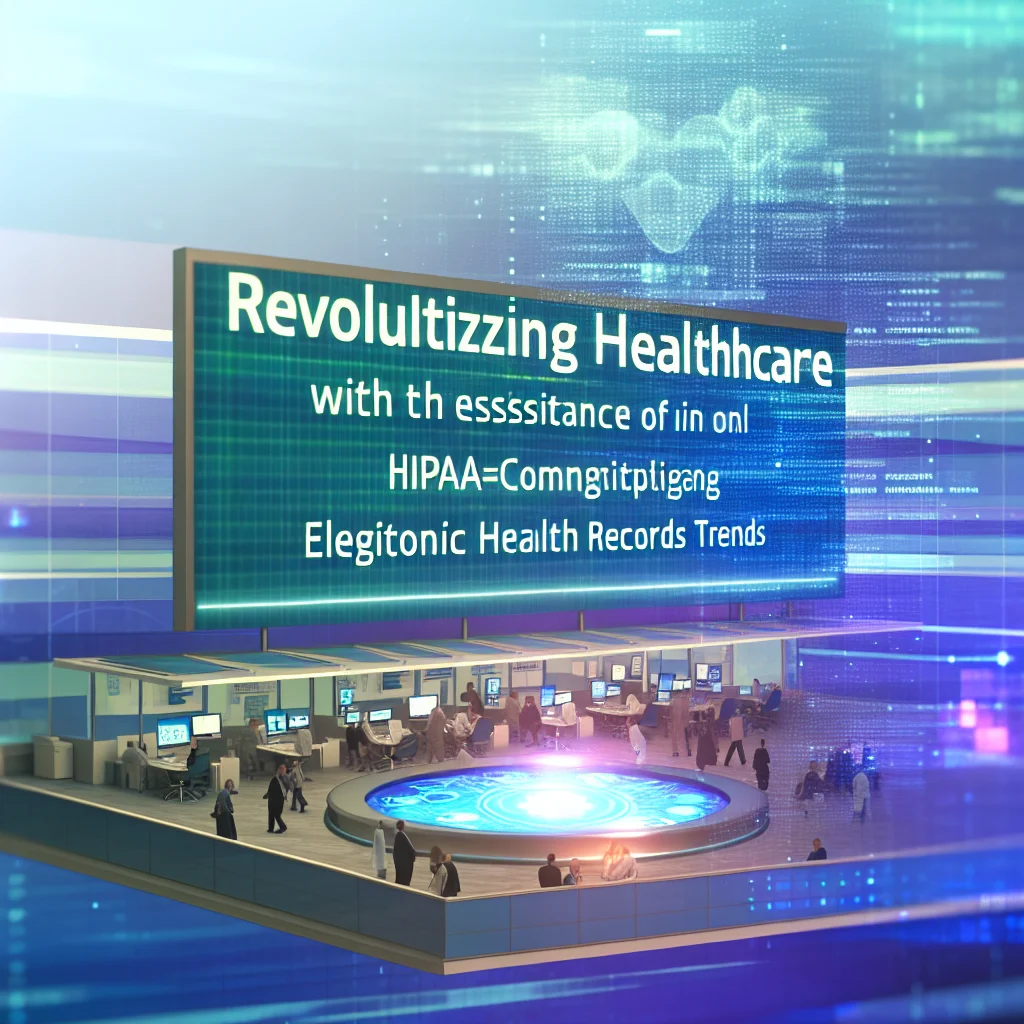
Navigating HIPAA Compliance in Modern Healthcare Systems: Key Challenges and Solutions
Navigating the complexities of HIPAA compliance in modern healthcare systems presents a myriad of challenges that require careful consideration and strategic solutions. As healthcare organizations increasingly rely on digital technologies to enhance patient care and streamline operations, ensuring compliance with the Health Insurance Portability and Accountability Act (HIPAA) becomes paramount. This federal regulation, designed to protect sensitive patient information, mandates stringent standards for the privacy and security of health data. Consequently, healthcare providers must navigate a landscape fraught with potential pitfalls, balancing the need for technological advancement with the imperative of safeguarding patient information.
One of the primary challenges in achieving HIPAA compliance is the integration of electronic health records (EHRs) into healthcare systems. While EHRs offer significant benefits, such as improved patient care coordination and reduced administrative burdens, they also introduce vulnerabilities that can be exploited by cyber threats. Healthcare organizations must implement robust security measures, including encryption and access controls, to protect patient data from unauthorized access. Moreover, regular risk assessments are essential to identify potential weaknesses in the system and to ensure that appropriate safeguards are in place.
In addition to technological challenges, healthcare organizations must also address the human element of HIPAA compliance. Employees play a crucial role in maintaining the security of patient information, and as such, comprehensive training programs are vital. These programs should educate staff on the importance of data privacy, the specifics of HIPAA regulations, and the procedures for reporting potential breaches. By fostering a culture of compliance, healthcare organizations can mitigate the risk of human error, which remains a significant factor in data breaches.
Furthermore, the rise of telemedicine has added another layer of complexity to HIPAA compliance. As more patients and providers engage in virtual consultations, ensuring the confidentiality and security of these interactions is critical. Healthcare organizations must select telemedicine platforms that are HIPAA-compliant, incorporating features such as end-to-end encryption and secure user authentication. Additionally, clear policies and procedures should be established to guide the use of telemedicine technologies, ensuring that patient information remains protected throughout the process.
Another significant challenge is the management of third-party vendors who have access to patient data. These vendors, which may include cloud service providers and billing companies, must also adhere to HIPAA regulations. Healthcare organizations are responsible for ensuring that their business associates comply with HIPAA standards, often necessitating the implementation of business associate agreements (BAAs). These agreements outline the responsibilities of each party in protecting patient information and provide a framework for accountability in the event of a data breach.
To address these challenges, healthcare organizations can leverage a variety of solutions. Implementing advanced cybersecurity technologies, such as intrusion detection systems and multi-factor authentication, can enhance the protection of patient data. Additionally, adopting a proactive approach to compliance, including regular audits and updates to security protocols, can help organizations stay ahead of potential threats. Collaboration with industry experts and participation in information-sharing networks can also provide valuable insights into emerging risks and best practices for maintaining compliance.
In conclusion, navigating HIPAA compliance in modern healthcare systems requires a multifaceted approach that addresses both technological and human factors. By implementing robust security measures, fostering a culture of compliance, and engaging with trusted partners, healthcare organizations can effectively protect patient information while embracing the benefits of digital innovation. As the healthcare landscape continues to evolve, maintaining a steadfast commitment to HIPAA compliance will be essential in ensuring the privacy and security of patient data.
The Future of Tech Integration in Healthcare: Transforming Patient Care and Efficiency
The integration of technology within healthcare systems has been a transformative force, reshaping the landscape of patient care and operational efficiency. As we look to the future, the potential for further advancements in healthcare IT is vast, promising to enhance the quality of care while streamlining processes. The convergence of digital technologies with healthcare practices is not merely an evolution but a revolution that is poised to redefine how healthcare is delivered and experienced.
One of the most significant impacts of technology integration in healthcare is the improvement in patient care. Electronic Health Records (EHRs) have become a cornerstone of modern healthcare systems, providing a comprehensive and accessible repository of patient information. This digital transformation facilitates better coordination among healthcare providers, ensuring that patient data is readily available and up-to-date. Consequently, this leads to more informed decision-making and personalized treatment plans, ultimately improving patient outcomes.
Moreover, the advent of telemedicine has expanded access to healthcare services, particularly for individuals in remote or underserved areas. By leveraging video conferencing and mobile health applications, patients can consult with healthcare professionals without the need for physical travel. This not only enhances convenience but also reduces the burden on healthcare facilities, allowing them to allocate resources more efficiently. As telemedicine continues to evolve, it is expected to play an increasingly vital role in healthcare delivery, offering a viable solution to the challenges of accessibility and resource allocation.
In addition to improving patient care, technology integration is instrumental in enhancing operational efficiency within healthcare systems. Automation and artificial intelligence (AI) are being harnessed to streamline administrative tasks, such as appointment scheduling, billing, and inventory management. By reducing the administrative burden on healthcare staff, these technologies allow professionals to focus more on patient care, thereby increasing productivity and reducing the likelihood of errors.
Furthermore, AI and machine learning are being utilized to analyze vast amounts of healthcare data, uncovering patterns and insights that were previously inaccessible. This data-driven approach enables predictive analytics, which can anticipate patient needs and potential health risks, allowing for proactive interventions. As a result, healthcare providers can deliver more targeted and effective care, ultimately improving patient satisfaction and reducing costs.
The integration of technology in healthcare also extends to the realm of medical research and innovation. Advanced data analytics and computational models are accelerating the pace of medical discoveries, leading to the development of new treatments and therapies. Additionally, wearable health devices and the Internet of Medical Things (IoMT) are providing real-time health monitoring, empowering patients to take a more active role in managing their health. This shift towards patient-centered care is fostering a more collaborative relationship between patients and healthcare providers, promoting better health outcomes.
As we look to the future, the continued integration of technology in healthcare systems holds immense promise. However, it is essential to address the challenges that accompany this transformation, such as data privacy and security concerns. Ensuring that patient information is protected while maintaining the integrity of healthcare systems is paramount. By addressing these challenges, healthcare systems can fully harness the potential of technology to transform patient care and operational efficiency.
In conclusion, the future of tech integration in healthcare is bright, with the potential to revolutionize patient care and enhance efficiency. As digital technologies continue to evolve, they will play an increasingly critical role in shaping the healthcare landscape, offering new opportunities for innovation and improvement. By embracing these advancements, healthcare systems can deliver more effective, efficient, and patient-centered care, ultimately improving the health and well-being of individuals and communities worldwide.
Exploring Health IT Trends: Innovations Shaping the Future of Healthcare Systems
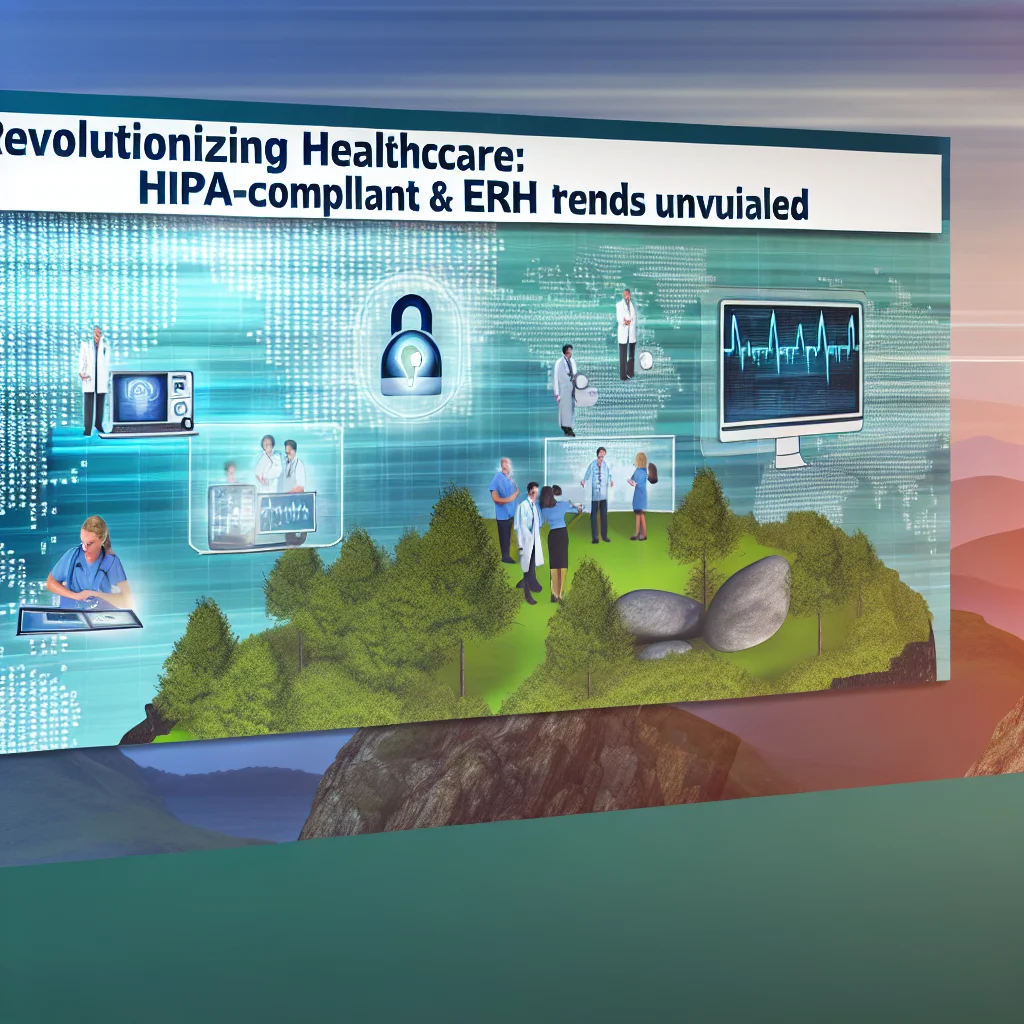
In recent years, the healthcare industry has witnessed a transformative shift driven by the integration of information technology. This evolution is not merely a trend but a fundamental change in how healthcare systems operate, offering promising innovations that are reshaping the future of patient care. As we explore these health IT trends, it becomes evident that technology is playing a pivotal role in enhancing the efficiency, accessibility, and quality of healthcare services.
One of the most significant innovations in healthcare IT is the adoption of electronic health records (EHRs). EHRs have revolutionized the way patient information is stored and accessed, providing healthcare professionals with a comprehensive view of a patient’s medical history. This digital transformation facilitates better coordination among healthcare providers, reduces the risk of errors, and enhances the overall quality of care. Moreover, EHRs enable patients to have greater control over their health information, fostering a more patient-centered approach to healthcare.
In addition to EHRs, telemedicine has emerged as a critical component of modern healthcare systems. The COVID-19 pandemic accelerated the adoption of telemedicine, highlighting its potential to provide remote care and reduce the burden on healthcare facilities. Telemedicine offers patients the convenience of accessing medical consultations from the comfort of their homes, thereby increasing access to healthcare services, particularly for those in remote or underserved areas. Furthermore, telemedicine has proven to be a cost-effective solution, reducing the need for in-person visits and associated expenses.
Another noteworthy trend is the integration of artificial intelligence (AI) in healthcare. AI technologies are being utilized to analyze vast amounts of data, enabling healthcare providers to make more informed decisions. For instance, AI algorithms can assist in diagnosing diseases, predicting patient outcomes, and personalizing treatment plans. By leveraging AI, healthcare systems can improve diagnostic accuracy, optimize resource allocation, and ultimately enhance patient outcomes. However, it is crucial to address ethical considerations and ensure that AI applications are used responsibly and transparently.
The Internet of Medical Things (IoMT) is also playing a transformative role in healthcare systems. IoMT refers to the network of connected devices and sensors that collect and transmit health data in real-time. These devices, ranging from wearable fitness trackers to smart medical equipment, provide valuable insights into a patient’s health status. By continuously monitoring vital signs and other health metrics, IoMT enables early detection of potential health issues and facilitates timely interventions. This proactive approach to healthcare can significantly improve patient outcomes and reduce the strain on healthcare resources.
Furthermore, blockchain technology is gaining traction in the healthcare sector, offering a secure and transparent way to manage health data. Blockchain’s decentralized nature ensures that patient information is stored securely and can be accessed only by authorized parties. This technology has the potential to enhance data privacy, streamline administrative processes, and improve interoperability among different healthcare systems. As healthcare organizations continue to explore blockchain applications, it is essential to address regulatory challenges and establish industry standards.
In conclusion, the integration of information technology into healthcare systems is driving significant innovations that are shaping the future of patient care. From electronic health records and telemedicine to artificial intelligence, the Internet of Medical Things, and blockchain technology, these trends are enhancing the efficiency, accessibility, and quality of healthcare services. As we move forward, it is imperative for healthcare stakeholders to embrace these innovations while addressing ethical, regulatory, and technical challenges to ensure that the benefits of health IT are realized for all.
Enhancing Clinical Support with Advanced EHR Systems: A Deep Dive into Medical Data Management
In the rapidly evolving landscape of healthcare, the integration of advanced Electronic Health Record (EHR) systems has become a cornerstone for enhancing clinical support and improving patient outcomes. As healthcare systems strive to deliver more efficient and effective care, the role of EHRs in medical data management has gained unprecedented importance. These systems, designed to streamline the collection, storage, and retrieval of patient information, are transforming the way healthcare providers access and utilize critical data.
One of the primary advantages of advanced EHR systems is their ability to centralize patient information, making it readily accessible to authorized healthcare professionals. This centralization not only facilitates seamless communication among care teams but also ensures that patient data is up-to-date and accurate. By providing a comprehensive view of a patient’s medical history, EHRs enable clinicians to make informed decisions quickly, thereby enhancing the quality of care delivered. Moreover, the integration of decision support tools within EHR systems further aids clinicians by offering evidence-based recommendations, which can be particularly beneficial in complex cases.
Transitioning from traditional paper-based records to digital EHR systems also significantly reduces the risk of errors associated with manual data entry. The automation of routine tasks, such as medication orders and test results, minimizes the likelihood of human error, thereby improving patient safety. Additionally, EHRs facilitate the implementation of standardized protocols and guidelines, ensuring consistency in care delivery across different healthcare settings. This standardization is crucial in maintaining high-quality care and reducing variability in treatment outcomes.
Furthermore, advanced EHR systems are equipped with robust data analytics capabilities, enabling healthcare providers to harness the power of big data. By analyzing large volumes of patient data, healthcare organizations can identify trends, predict outcomes, and tailor interventions to meet the specific needs of their patient populations. This data-driven approach not only enhances clinical decision-making but also supports population health management initiatives, ultimately leading to improved public health outcomes.
The interoperability of EHR systems is another critical aspect that enhances clinical support. By facilitating the exchange of information across different healthcare entities, EHRs ensure continuity of care, especially for patients who receive treatment from multiple providers. This seamless flow of information is essential for coordinating care, reducing duplication of tests and procedures, and preventing adverse events. As healthcare systems continue to adopt interoperable EHR solutions, the potential for improved patient outcomes and operational efficiencies becomes increasingly attainable.
Despite the numerous benefits, the implementation of advanced EHR systems is not without challenges. Healthcare organizations must address issues related to data privacy and security, ensuring that patient information is protected against unauthorized access and breaches. Additionally, the transition to digital systems requires significant investment in infrastructure and training, which can be a barrier for some institutions. However, the long-term benefits of enhanced clinical support and improved patient care far outweigh these initial hurdles.
In conclusion, advanced EHR systems play a pivotal role in enhancing clinical support through effective medical data management. By centralizing patient information, reducing errors, enabling data-driven decision-making, and ensuring interoperability, these systems are transforming the healthcare landscape. As technology continues to advance, the potential for EHR systems to further improve patient outcomes and streamline healthcare delivery is immense, making them an indispensable tool in modern healthcare systems.
The Role of Healthcare IT in Streamlining Medical Data Across Diverse Healthcare Systems
In the rapidly evolving landscape of healthcare, the integration of information technology has become a pivotal factor in enhancing the efficiency and effectiveness of medical services. As healthcare systems grow increasingly complex, the role of healthcare IT in streamlining medical data across diverse platforms cannot be overstated. This integration not only facilitates seamless communication among healthcare providers but also ensures that patients receive timely and accurate care.
To begin with, the primary function of healthcare IT is to manage and organize vast amounts of medical data. This data includes patient records, treatment histories, diagnostic results, and billing information, among others. By digitizing these records, healthcare IT systems enable quick access and retrieval of information, which is crucial in emergency situations where time is of the essence. Moreover, electronic health records (EHRs) serve as a centralized repository of patient information, allowing healthcare providers to make informed decisions based on comprehensive data.
Furthermore, healthcare IT systems play a significant role in enhancing interoperability among diverse healthcare systems. Interoperability refers to the ability of different IT systems and software applications to communicate, exchange, and interpret shared data. This capability is essential in a healthcare environment where patients often receive care from multiple providers across various locations. By ensuring that these systems can work together seamlessly, healthcare IT reduces the risk of errors and redundancies, thereby improving patient outcomes.
In addition to improving interoperability, healthcare IT also contributes to the standardization of medical data. Standardization involves the use of uniform formats and terminologies, which facilitates the accurate exchange of information across different platforms. This is particularly important in the context of global healthcare, where diverse systems must collaborate to address public health challenges. By adopting standardized protocols, healthcare IT systems ensure that data is consistent and reliable, thus supporting effective decision-making.
Moreover, the integration of healthcare IT has significant implications for data security and privacy. With the increasing digitization of medical records, protecting sensitive patient information has become a top priority. Healthcare IT systems incorporate advanced security measures, such as encryption and access controls, to safeguard data against unauthorized access and breaches. These measures not only protect patient privacy but also build trust between patients and healthcare providers, which is essential for effective care delivery.
Another critical aspect of healthcare IT is its role in facilitating data analytics and research. By aggregating and analyzing large datasets, healthcare IT systems provide valuable insights into disease patterns, treatment efficacy, and patient outcomes. These insights can inform clinical practice, guide policy decisions, and drive innovation in medical research. Consequently, healthcare IT not only streamlines data management but also contributes to the advancement of medical knowledge.
In conclusion, the role of healthcare IT in streamlining medical data across diverse healthcare systems is multifaceted and indispensable. By enhancing data management, interoperability, standardization, security, and analytics, healthcare IT systems improve the quality and efficiency of healthcare delivery. As the healthcare landscape continues to evolve, the integration of advanced IT solutions will be crucial in addressing the challenges of modern medicine and ensuring that patients receive the best possible care. Through continued innovation and collaboration, healthcare IT will undoubtedly play a central role in shaping the future of healthcare systems worldwide.
Discover the latest in Healthcare IT Insights and transform your healthcare systems today! Learn more.