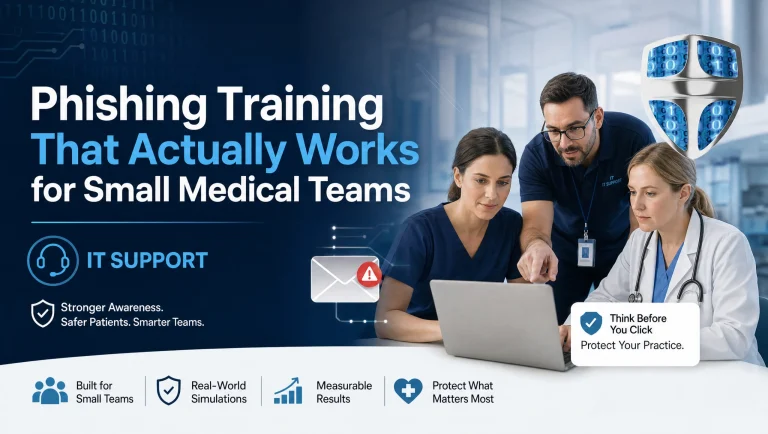
Essential Cybersecurity Strategies for Small Businesses: Strengthening Data Protection
In today’s digital age, small businesses face an increasing number of cybersecurity threats that can compromise sensitive data and disrupt operations. As cybercriminals become more sophisticated, it is imperative for small businesses to adopt robust cybersecurity strategies to protect their data from potential threats. Implementing these strategies not only safeguards the business but also builds trust with customers and partners, who expect their information to be handled securely.
To begin with, one of the most fundamental cybersecurity strategies is to ensure that all software and systems are up to date. Regularly updating software, including operating systems and applications, is crucial because updates often include patches for security vulnerabilities that cybercriminals could exploit. By keeping systems current, small businesses can significantly reduce the risk of being targeted by attacks that exploit known vulnerabilities.
In addition to software updates, employing strong password policies is another essential strategy. Passwords are often the first line of defense against unauthorized access, and weak passwords can be easily compromised. Small businesses should enforce the use of complex passwords that include a mix of letters, numbers, and special characters. Furthermore, implementing multi-factor authentication (MFA) adds an additional layer of security by requiring users to provide two or more verification factors to gain access to sensitive information.
Moreover, data encryption is a critical component of a comprehensive cybersecurity strategy. Encrypting data ensures that even if it is intercepted by malicious actors, it remains unreadable without the appropriate decryption key. Small businesses should encrypt sensitive data both in transit and at rest to protect it from unauthorized access. This is particularly important for businesses that handle financial information or personal data, as encryption helps maintain confidentiality and integrity.
Another vital strategy is to conduct regular cybersecurity training for employees. Human error is often a significant factor in security breaches, and educating employees about the latest threats and best practices can greatly reduce this risk. Training should cover topics such as recognizing phishing emails, safe internet browsing habits, and the importance of reporting suspicious activities. By fostering a culture of cybersecurity awareness, small businesses can empower their employees to act as the first line of defense against potential threats.
Furthermore, implementing a robust backup and recovery plan is essential for minimizing the impact of a cyberattack. Regularly backing up data ensures that, in the event of a ransomware attack or data breach, a business can quickly restore its systems and continue operations with minimal disruption. Backups should be stored securely, preferably offsite or in the cloud, to protect them from being compromised along with the primary data.
Lastly, small businesses should consider investing in cybersecurity insurance. While preventive measures are crucial, having insurance can provide financial protection in the event of a cyber incident. Cybersecurity insurance can cover costs associated with data breaches, such as legal fees, notification expenses, and even potential fines. This financial safety net can be invaluable for small businesses that may not have the resources to recover from a significant cyberattack on their own.
In conclusion, small businesses must prioritize cybersecurity to protect their data from an ever-evolving landscape of threats. By keeping software updated, enforcing strong password policies, encrypting data, training employees, implementing backup plans, and considering cybersecurity insurance, small businesses can significantly enhance their data protection efforts. These strategies not only help prevent cyberattacks but also ensure that businesses can respond effectively if an incident occurs, thereby safeguarding their reputation and maintaining the trust of their customers.
Top Threat Prevention Techniques for Small Business Network Security
In today’s digital age, small businesses are increasingly becoming targets for cybercriminals, making robust cybersecurity strategies essential. As these enterprises often lack the extensive resources of larger corporations, they must adopt effective yet cost-efficient measures to safeguard their data. One of the most critical steps in fortifying network security is implementing a comprehensive threat prevention strategy. This involves a multi-layered approach that combines technology, policy, and education to protect sensitive information from potential breaches.
To begin with, small businesses should prioritize the installation of reliable firewalls and antivirus software. Firewalls act as the first line of defense by monitoring incoming and outgoing network traffic, effectively blocking unauthorized access. Meanwhile, antivirus software scans for and removes malicious software that could compromise data integrity. Regular updates to these systems are crucial, as they ensure protection against the latest threats. By keeping software current, businesses can mitigate vulnerabilities that cybercriminals might exploit.
In addition to technological defenses, small businesses must establish strong password policies. Encouraging employees to create complex passwords and change them regularly can significantly reduce the risk of unauthorized access. Implementing multi-factor authentication (MFA) adds an extra layer of security by requiring users to verify their identity through multiple means. This approach makes it more difficult for attackers to gain access, even if they manage to obtain a password.
Moreover, data encryption is a vital component of any cybersecurity strategy. By converting sensitive information into a coded format, encryption ensures that even if data is intercepted, it remains unreadable to unauthorized users. Small businesses should encrypt data both in transit and at rest, providing comprehensive protection across all stages of data handling. This practice is particularly important for businesses that handle customer information, as it helps maintain trust and compliance with data protection regulations.
Another key aspect of threat prevention is employee education. Human error is often a significant factor in security breaches, making it imperative for businesses to train their staff on cybersecurity best practices. Regular workshops and training sessions can raise awareness about common threats such as phishing scams and social engineering attacks. By fostering a culture of vigilance, employees become an active part of the security solution, rather than a potential vulnerability.
Furthermore, small businesses should develop and regularly update an incident response plan. This plan outlines the steps to be taken in the event of a security breach, ensuring a swift and organized response. By having a clear protocol in place, businesses can minimize damage and recover more quickly from cyber incidents. Regular drills and simulations can help test the effectiveness of the plan and identify areas for improvement.
Finally, it is essential for small businesses to conduct regular security audits and vulnerability assessments. These evaluations help identify potential weaknesses in the network and provide insights into areas that require enhancement. By proactively addressing vulnerabilities, businesses can stay one step ahead of cyber threats and maintain a robust security posture.
In conclusion, small businesses must adopt a comprehensive approach to network security, combining technology, policy, and education to protect their data from threats. By implementing these top threat prevention techniques, they can safeguard their operations and maintain the trust of their customers in an increasingly digital world.
Effective Malware Defense Tactics for Small Business Information Security

In the rapidly evolving digital landscape, small businesses face an increasing array of cybersecurity threats that can compromise sensitive data and disrupt operations. As these enterprises often lack the extensive resources of larger corporations, implementing effective malware defense tactics becomes crucial to safeguarding their information security. Understanding the nature of these threats and adopting a proactive approach can significantly enhance a small business’s resilience against cyberattacks.
To begin with, it is essential for small businesses to recognize the diverse forms of malware that can infiltrate their systems. Malware, a portmanteau of malicious software, encompasses a variety of harmful programs such as viruses, worms, ransomware, and spyware. Each type poses unique risks, from data theft to system damage, making it imperative for businesses to employ comprehensive defense strategies. One fundamental tactic is the installation of robust antivirus software. This software acts as a frontline defense, detecting and neutralizing malware before it can cause harm. Regular updates to antivirus programs are crucial, as they ensure protection against the latest threats.
In addition to antivirus solutions, small businesses should prioritize the implementation of firewalls. Firewalls serve as barriers between a trusted internal network and untrusted external networks, effectively blocking unauthorized access. By configuring firewalls to monitor and control incoming and outgoing network traffic, businesses can prevent malicious entities from infiltrating their systems. Moreover, employing intrusion detection and prevention systems (IDPS) can further enhance security by identifying and responding to potential threats in real-time.
Another critical aspect of malware defense is the practice of regular software updates and patch management. Cybercriminals often exploit vulnerabilities in outdated software to gain access to systems. Therefore, ensuring that all software, including operating systems and applications, is up-to-date is vital. Automated update settings can facilitate this process, reducing the risk of human oversight. Furthermore, businesses should conduct regular security audits to identify and address potential vulnerabilities in their systems.
Employee education and awareness also play a pivotal role in defending against malware. Human error remains one of the leading causes of security breaches, often through phishing attacks that trick employees into revealing sensitive information or downloading malicious files. By providing comprehensive cybersecurity training, businesses can equip their staff with the knowledge to recognize and respond to potential threats. This training should cover best practices such as identifying suspicious emails, avoiding unsafe downloads, and using strong, unique passwords.
Moreover, implementing a robust data backup strategy is essential for mitigating the impact of a malware attack. Regularly backing up data ensures that, in the event of a breach, businesses can restore their information with minimal disruption. It is advisable to store backups in multiple locations, including offsite or cloud-based solutions, to protect against physical damage or localized attacks.
Finally, small businesses should consider developing an incident response plan. This plan outlines the steps to be taken in the event of a cybersecurity breach, ensuring a swift and coordinated response. By clearly defining roles and responsibilities, businesses can minimize damage and recover more efficiently.
In conclusion, while small businesses may face significant challenges in the realm of cybersecurity, adopting a comprehensive approach to malware defense can significantly enhance their information security. By combining technological solutions with employee education and strategic planning, these enterprises can protect their data from threats and ensure their continued success in the digital age.
Comprehensive Data Protection Plans for Small Businesses: A Cybersecurity Guide
In today’s digital age, small businesses are increasingly becoming targets for cybercriminals. As these enterprises often lack the robust security infrastructure of larger corporations, they present an attractive opportunity for hackers. Consequently, it is imperative for small businesses to develop comprehensive data protection plans to safeguard their sensitive information from potential threats. Implementing effective cybersecurity strategies not only protects valuable data but also ensures the trust and confidence of customers and partners.
To begin with, one of the most fundamental strategies is to conduct a thorough risk assessment. This involves identifying the types of data the business handles, understanding where vulnerabilities may exist, and evaluating the potential impact of a data breach. By gaining a clear understanding of these factors, small businesses can prioritize their cybersecurity efforts and allocate resources more effectively. Following the assessment, it is crucial to establish a robust security policy that outlines the procedures and protocols for data protection. This policy should be communicated clearly to all employees, emphasizing the importance of cybersecurity and their role in maintaining it.
Moreover, employee training is a critical component of any data protection plan. Human error is often a significant factor in security breaches, making it essential to educate staff on best practices for cybersecurity. Regular training sessions can help employees recognize phishing attempts, understand the importance of strong passwords, and learn how to handle sensitive information securely. By fostering a culture of security awareness, small businesses can significantly reduce the risk of accidental data breaches.
In addition to training, implementing strong access controls is vital. This involves ensuring that only authorized personnel have access to sensitive data and systems. Utilizing multi-factor authentication (MFA) can add an extra layer of security, requiring users to provide two or more verification factors to gain access. This approach makes it more difficult for unauthorized individuals to infiltrate systems, even if they manage to obtain login credentials.
Furthermore, keeping software and systems up to date is another essential strategy. Cybercriminals often exploit vulnerabilities in outdated software to gain access to systems. Therefore, small businesses should regularly update their software, operating systems, and applications to patch any security flaws. Automated updates can help ensure that systems remain protected without requiring constant manual intervention.
Another effective measure is to implement data encryption. Encrypting sensitive data ensures that even if it is intercepted by cybercriminals, it remains unreadable and unusable without the appropriate decryption key. This adds a significant layer of protection, particularly for data transmitted over the internet or stored in the cloud.
Additionally, small businesses should consider investing in cybersecurity insurance. While preventive measures are crucial, it is also important to be prepared for the possibility of a breach. Cybersecurity insurance can help mitigate the financial impact of a data breach by covering costs such as legal fees, notification expenses, and recovery efforts.
Finally, regular monitoring and testing of security systems are essential to maintaining a strong defense against cyber threats. Conducting regular security audits and penetration testing can help identify potential weaknesses and ensure that security measures are functioning as intended. By staying vigilant and proactive, small businesses can adapt to the ever-evolving landscape of cybersecurity threats.
In conclusion, protecting data from cyber threats is a critical concern for small businesses. By implementing comprehensive data protection plans that include risk assessments, employee training, access controls, software updates, encryption, insurance, and regular monitoring, small businesses can significantly enhance their cybersecurity posture. These strategies not only protect valuable data but also help maintain the trust and confidence of customers and partners, ultimately contributing to the long-term success of the business.
Enhancing Small Business Cybersecurity: Proactive Measures Against Threats
In today’s digital age, small businesses are increasingly becoming targets for cybercriminals. As these enterprises often lack the robust security infrastructure of larger corporations, they present an attractive opportunity for hackers. Consequently, it is imperative for small business owners to adopt effective cybersecurity strategies to safeguard their data from potential threats. By implementing a combination of proactive measures, small businesses can significantly enhance their cybersecurity posture and protect their valuable information.
To begin with, one of the most fundamental strategies is to ensure that all software and systems are up to date. Cybercriminals frequently exploit vulnerabilities in outdated software to gain unauthorized access to systems. Therefore, it is crucial for small businesses to regularly update their operating systems, applications, and security software. By doing so, they can patch known vulnerabilities and reduce the risk of cyberattacks. Additionally, enabling automatic updates can further streamline this process, ensuring that systems are always protected with the latest security patches.
Another critical aspect of cybersecurity is the implementation of strong password policies. Weak or easily guessable passwords are a common entry point for cybercriminals. Small businesses should enforce the use of complex passwords that include a mix of letters, numbers, and special characters. Moreover, it is advisable to implement multi-factor authentication (MFA) wherever possible. MFA adds an extra layer of security by requiring users to provide two or more verification factors to gain access to a system, making it significantly more difficult for unauthorized individuals to breach accounts.
In addition to these technical measures, employee training plays a vital role in enhancing cybersecurity. Human error is often a significant factor in security breaches, with phishing attacks being a prevalent threat. By educating employees about the dangers of phishing and other social engineering tactics, small businesses can reduce the likelihood of falling victim to such attacks. Regular training sessions and simulated phishing exercises can help employees recognize suspicious emails and links, thereby fostering a culture of vigilance and awareness.
Furthermore, small businesses should consider implementing a robust data backup strategy. In the event of a cyberattack, such as ransomware, having secure backups can be the difference between a minor inconvenience and a catastrophic data loss. It is essential to regularly back up critical data and store it in a secure, offsite location. This ensures that, even if primary systems are compromised, the business can quickly restore its operations without significant disruption.
Network security is another area that requires attention. Small businesses should employ firewalls and intrusion detection systems to monitor and control incoming and outgoing network traffic. These tools can help identify and block malicious activities before they cause harm. Additionally, securing Wi-Fi networks with strong encryption and changing default router settings can prevent unauthorized access to the business’s network.
Finally, it is important for small businesses to develop an incident response plan. Despite the best preventive measures, breaches can still occur. An effective incident response plan outlines the steps to be taken in the event of a cyberattack, helping to minimize damage and facilitate a swift recovery. This plan should be regularly reviewed and updated to address emerging threats and changes in the business environment.
In conclusion, while small businesses may face unique challenges in the realm of cybersecurity, adopting a proactive approach can significantly mitigate risks. By keeping systems updated, enforcing strong password policies, training employees, backing up data, securing networks, and preparing for incidents, small businesses can protect themselves from the ever-evolving landscape of cyber threats.
Secure your small business today with top cybersecurity strategies to protect your data from threats. Learn more by visiting Comptss.