Understanding Malware Detection: Key Strategies for Ransomware Recovery
Ransomware has emerged as one of the most formidable threats in the digital landscape, posing significant challenges to individuals and organizations alike. As cybercriminals continue to refine their tactics, understanding malware detection becomes crucial for effective ransomware recovery. The ability to detect ransomware early can significantly mitigate its impact, allowing for a more streamlined recovery process. Consequently, implementing key strategies for malware detection is essential in safeguarding digital assets and ensuring business continuity.
To begin with, one of the most effective strategies for detecting ransomware involves the use of advanced threat intelligence. By leveraging real-time data and insights from global cybersecurity networks, organizations can identify emerging threats and vulnerabilities. This proactive approach enables the early detection of ransomware, allowing for timely intervention before significant damage occurs. Furthermore, integrating threat intelligence with existing security systems enhances the overall resilience of an organization’s cybersecurity infrastructure.
In addition to threat intelligence, behavioral analysis plays a pivotal role in ransomware detection. Unlike traditional signature-based methods, which rely on known malware patterns, behavioral analysis focuses on identifying anomalies in system behavior. By monitoring unusual activities, such as unauthorized file encryption or unexpected network traffic, organizations can detect ransomware even if it is a previously unknown variant. This method not only improves detection rates but also reduces the likelihood of false positives, thereby streamlining the response process.
Moreover, endpoint detection and response (EDR) solutions are instrumental in identifying and mitigating ransomware threats. EDR tools provide continuous monitoring of endpoints, such as computers and servers, to detect suspicious activities. By analyzing data from these endpoints, EDR solutions can identify potential ransomware attacks and initiate automated responses to contain the threat. This capability is particularly valuable in minimizing the spread of ransomware across an organization’s network, thereby reducing the overall impact of an attack.
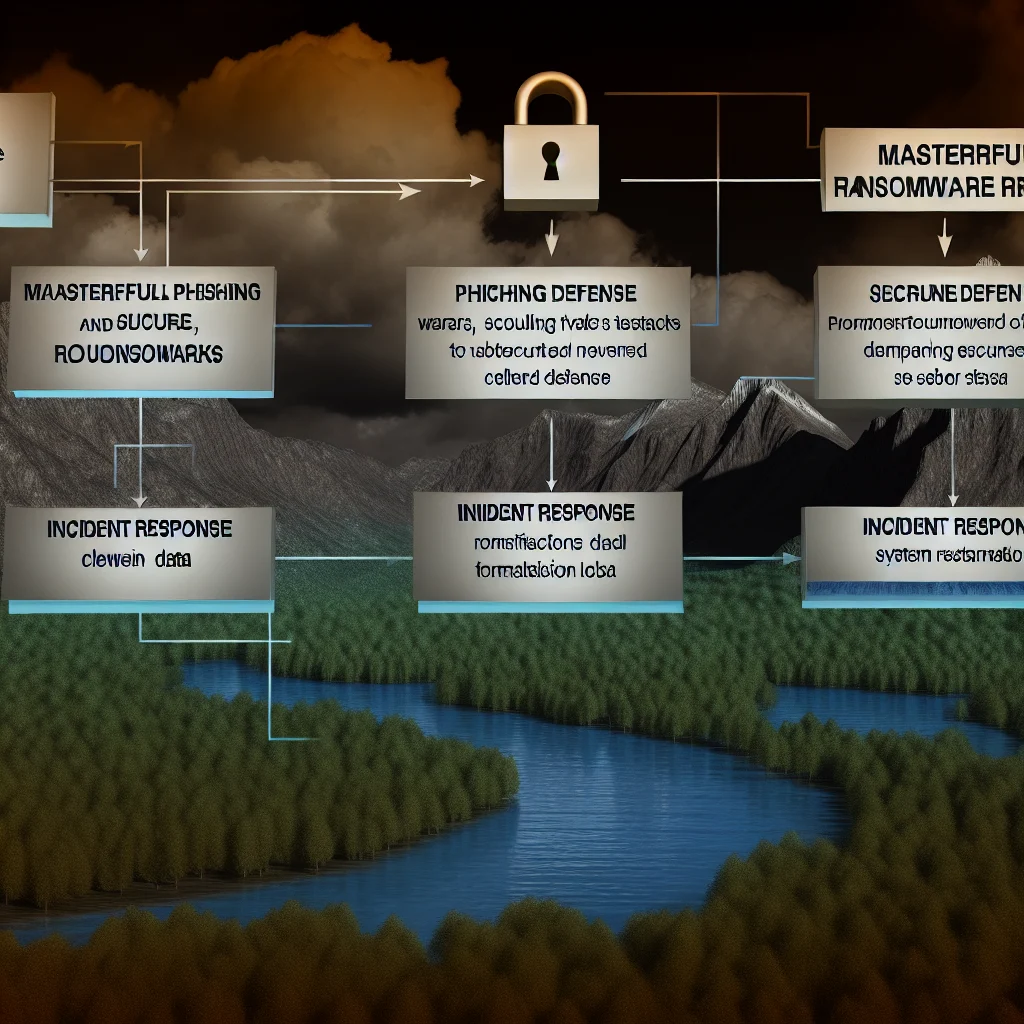
Transitioning from detection to recovery, it is imperative to have a robust incident response plan in place. An effective response plan outlines the steps to be taken in the event of a ransomware attack, ensuring a coordinated and efficient recovery process. This plan should include procedures for isolating affected systems, communicating with stakeholders, and restoring data from backups. Regularly testing and updating the incident response plan is crucial to ensure its effectiveness in the face of evolving ransomware threats.
Furthermore, maintaining comprehensive and secure backups is a cornerstone of ransomware recovery. Regularly backing up critical data and storing it in a secure, offsite location can significantly expedite the recovery process. In the event of a ransomware attack, having access to clean backups allows organizations to restore their systems without succumbing to ransom demands. It is essential to ensure that backups are protected from unauthorized access and are regularly tested to verify their integrity.
In conclusion, understanding malware detection is a critical component of ransomware recovery. By employing advanced threat intelligence, behavioral analysis, and endpoint detection and response solutions, organizations can enhance their ability to detect ransomware early. Coupled with a robust incident response plan and secure backups, these strategies form a comprehensive approach to mitigating the impact of ransomware attacks. As cyber threats continue to evolve, staying informed and adopting proactive measures will be key to safeguarding digital assets and ensuring resilience in the face of adversity.
Effective Disaster Planning: Preparing for Ransomware Attacks
In the ever-evolving landscape of cybersecurity threats, ransomware attacks have emerged as a formidable challenge for organizations worldwide. These malicious attacks, which encrypt critical data and demand a ransom for its release, can cripple operations and lead to significant financial losses. Consequently, effective disaster planning has become paramount in preparing for such incidents. By implementing a comprehensive strategy, organizations can mitigate the impact of ransomware attacks and ensure a swift recovery.
To begin with, understanding the nature of ransomware is crucial. Ransomware is a type of malware that encrypts files on a victim’s system, rendering them inaccessible. Attackers then demand a ransom, often in cryptocurrency, in exchange for the decryption key. The sophistication of these attacks has increased over time, with cybercriminals employing advanced techniques to bypass security measures. Therefore, organizations must stay informed about the latest ransomware trends and tactics to effectively prepare for potential threats.
One of the foundational elements of disaster planning is the development of a robust incident response plan. This plan should outline the steps to be taken in the event of a ransomware attack, including the identification of key personnel responsible for managing the response. By clearly defining roles and responsibilities, organizations can ensure a coordinated and efficient reaction to an incident. Additionally, regular training and simulation exercises can help staff become familiar with the response plan, reducing the likelihood of errors during an actual attack.
Moreover, data backup is a critical component of ransomware recovery. Regularly backing up data ensures that organizations have access to unencrypted versions of their files, minimizing the leverage attackers have. It is essential to store backups in a secure, offsite location that is not connected to the primary network, as ransomware can often spread to connected systems. By maintaining multiple backup copies and testing their integrity regularly, organizations can significantly reduce downtime and data loss in the aftermath of an attack.
In addition to technical measures, fostering a culture of cybersecurity awareness is vital. Employees are often the first line of defense against ransomware attacks, as phishing emails and malicious links are common vectors for infection. By educating staff about the risks and warning signs of ransomware, organizations can empower them to recognize and report suspicious activity. Regular training sessions and awareness campaigns can reinforce the importance of vigilance and encourage a proactive approach to cybersecurity.
Furthermore, collaboration with external partners can enhance an organization’s preparedness for ransomware attacks. Engaging with cybersecurity experts and industry peers can provide valuable insights into emerging threats and effective mitigation strategies. Participation in information-sharing networks can also facilitate the exchange of threat intelligence, enabling organizations to stay ahead of potential risks. By leveraging external resources, organizations can strengthen their defenses and improve their overall resilience to ransomware attacks.
Finally, it is important to consider the legal and regulatory implications of ransomware incidents. Organizations should be aware of their obligations regarding data protection and breach notification, as failure to comply with these requirements can result in significant penalties. Consulting with legal experts can help organizations navigate the complex landscape of cybersecurity regulations and ensure that their disaster planning efforts align with legal standards.
In conclusion, effective disaster planning is essential for preparing for ransomware attacks. By developing a comprehensive incident response plan, implementing robust data backup strategies, fostering a culture of cybersecurity awareness, collaborating with external partners, and understanding legal obligations, organizations can enhance their resilience to ransomware threats. Through these proactive measures, they can minimize the impact of attacks and ensure a swift recovery, safeguarding their operations and reputation in an increasingly digital world.
Phishing Defense Tactics: Strengthening Your Ransomware Recovery Plan

In the ever-evolving landscape of cybersecurity threats, ransomware remains a formidable adversary for organizations worldwide. As cybercriminals continue to refine their tactics, it becomes imperative for businesses to bolster their defenses against such attacks. One of the most effective strategies in this regard is enhancing phishing defense tactics, which play a crucial role in strengthening a ransomware recovery plan. Phishing, a common precursor to ransomware attacks, involves deceiving individuals into divulging sensitive information or downloading malicious software. Consequently, fortifying defenses against phishing can significantly mitigate the risk of a ransomware incident.
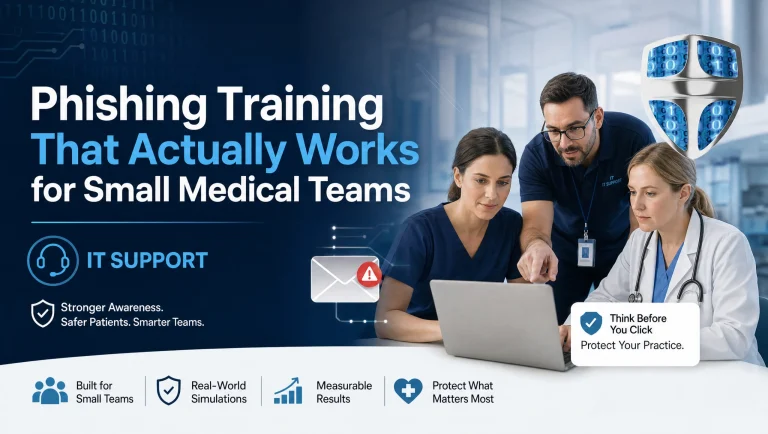
To begin with, employee education and awareness are fundamental components of an effective phishing defense strategy. By conducting regular training sessions, organizations can equip their staff with the knowledge to identify and report phishing attempts. These sessions should cover the latest phishing techniques, such as spear phishing and whaling, which target specific individuals or high-ranking executives. Moreover, simulated phishing exercises can be employed to test employees’ vigilance and reinforce their ability to recognize suspicious emails. By fostering a culture of cybersecurity awareness, organizations can reduce the likelihood of successful phishing attacks, thereby minimizing the risk of ransomware infiltration.
In addition to employee training, implementing robust email filtering solutions is essential in defending against phishing attempts. Advanced email filters can detect and block malicious emails before they reach employees’ inboxes. These filters utilize machine learning algorithms to identify patterns and characteristics commonly associated with phishing emails, such as suspicious attachments or links. By preventing these emails from reaching their intended targets, organizations can significantly reduce the chances of a ransomware attack being initiated through phishing.
Furthermore, multi-factor authentication (MFA) serves as a critical line of defense against phishing-induced ransomware attacks. By requiring users to provide multiple forms of verification before accessing sensitive systems or data, MFA adds an additional layer of security. Even if a cybercriminal manages to obtain a user’s login credentials through phishing, the presence of MFA can thwart unauthorized access. Implementing MFA across all organizational systems and applications is a proactive measure that can greatly enhance the resilience of a ransomware recovery plan.
Moreover, regular software updates and patch management are vital in safeguarding against vulnerabilities that phishing attacks often exploit. Cybercriminals frequently target outdated software with known security flaws to gain unauthorized access to systems. By ensuring that all software and applications are up to date, organizations can close potential entry points for ransomware attacks. Automated patch management solutions can streamline this process, ensuring that updates are applied promptly and consistently across the organization.
In the unfortunate event that a ransomware attack does occur, having a well-defined incident response plan is crucial for minimizing damage and expediting recovery. This plan should outline the steps to be taken immediately following an attack, including isolating affected systems, notifying relevant stakeholders, and engaging with cybersecurity experts. Regularly testing and updating the incident response plan ensures that it remains effective and aligned with the latest threat landscape.
In conclusion, strengthening phishing defense tactics is an integral part of enhancing a ransomware recovery plan. By prioritizing employee education, implementing advanced email filtering solutions, adopting multi-factor authentication, and maintaining up-to-date software, organizations can significantly reduce their vulnerability to phishing attacks. These proactive measures not only bolster defenses against ransomware but also contribute to a more resilient cybersecurity posture overall. As cyber threats continue to evolve, a comprehensive approach to phishing defense remains a cornerstone of effective ransomware recovery strategies.
Incident Response Best Practices: Navigating Ransomware Recovery
Ransomware attacks have become a prevalent threat in the digital landscape, posing significant challenges to organizations worldwide. As these attacks grow in sophistication and frequency, the importance of effective incident response strategies cannot be overstated. Navigating ransomware recovery requires a comprehensive understanding of best practices to mitigate damage and restore operations efficiently. This article delves into the essential components of incident response, offering insights into how organizations can enhance their resilience against ransomware threats.
To begin with, preparation is the cornerstone of an effective incident response strategy. Organizations must develop and regularly update a robust incident response plan that outlines specific roles, responsibilities, and procedures to follow in the event of a ransomware attack. This plan should be comprehensive, covering everything from initial detection to full recovery. Regular training and simulation exercises are crucial to ensure that all team members are familiar with their roles and can respond swiftly and effectively when an incident occurs.
Once a ransomware attack is detected, swift containment is imperative to prevent further spread and damage. This involves isolating affected systems from the network to halt the attack’s progression. During this phase, it is essential to maintain clear communication channels among the incident response team, ensuring that all actions are coordinated and aligned with the overall recovery strategy. Additionally, organizations should engage with external experts, such as cybersecurity firms or law enforcement agencies, to gain insights and support in managing the incident.
Following containment, the focus shifts to eradication and recovery. Eradication involves identifying and removing the ransomware from affected systems, which may require specialized tools and expertise. It is crucial to conduct a thorough investigation to understand the attack vector and address any vulnerabilities that may have been exploited. This step not only aids in recovery but also strengthens the organization’s defenses against future attacks.
Recovery, on the other hand, involves restoring systems and data to their pre-attack state. Organizations should prioritize critical systems and data, ensuring that they are restored first to minimize operational disruptions. Regular backups play a vital role in this phase, as they provide a reliable means of restoring data without succumbing to ransom demands. It is essential to verify the integrity of backups before restoration to ensure that they are free from malware.
Throughout the recovery process, communication remains a key element. Keeping stakeholders informed about the progress of recovery efforts helps maintain trust and transparency. This includes communicating with employees, customers, and partners, as well as managing public relations to mitigate reputational damage. Clear and consistent messaging can help reassure stakeholders that the organization is taking appropriate measures to address the incident.
Finally, post-incident analysis is a critical component of ransomware recovery. Conducting a thorough review of the incident allows organizations to identify lessons learned and areas for improvement. This analysis should feed into the continuous improvement of the incident response plan, ensuring that the organization is better prepared for future threats. By fostering a culture of learning and adaptation, organizations can enhance their resilience and reduce the impact of ransomware attacks.
In conclusion, navigating ransomware recovery requires a well-coordinated and comprehensive approach. By focusing on preparation, swift containment, effective eradication, and thorough recovery, organizations can mitigate the impact of ransomware attacks and strengthen their defenses. Through continuous improvement and clear communication, they can build resilience and safeguard their operations against the ever-evolving threat landscape.
The Role of Security Patches in Preventing Crypto Locker Attacks
Ransomware attacks have become a significant threat to organizations worldwide, with Crypto Locker being one of the most notorious variants. These attacks encrypt critical data, demanding a ransom for decryption keys, and can cause severe disruptions to business operations. In this context, the role of security patches in preventing such attacks cannot be overstated. Security patches are essential updates provided by software vendors to fix vulnerabilities in their products. These vulnerabilities, if left unaddressed, can be exploited by cybercriminals to gain unauthorized access to systems and deploy ransomware like Crypto Locker.
To understand the importance of security patches, it is crucial to recognize how ransomware typically infiltrates systems. Cybercriminals often exploit known vulnerabilities in software applications or operating systems to deliver their malicious payloads. Once inside, the ransomware can spread rapidly across networks, encrypting files and demanding payment. Therefore, keeping software up-to-date with the latest security patches is a fundamental step in closing these entry points and reducing the risk of a successful attack.
Moreover, the timely application of security patches is vital. Cybercriminals are quick to exploit newly discovered vulnerabilities, often within days of their disclosure. This urgency underscores the need for organizations to have a robust patch management strategy in place. Such a strategy involves regularly monitoring for new patches, assessing their relevance and impact, and deploying them promptly across all systems. By doing so, organizations can significantly reduce their exposure to potential threats and enhance their overall security posture.
In addition to patch management, organizations should also consider implementing complementary security measures to bolster their defenses against ransomware. For instance, employing advanced threat detection and response solutions can help identify and mitigate suspicious activities before they escalate into full-blown attacks. Furthermore, conducting regular security audits and vulnerability assessments can provide valuable insights into potential weaknesses in the IT infrastructure, allowing organizations to address them proactively.
Another critical aspect of preventing Crypto Locker attacks is user education and awareness. Human error remains a significant factor in the success of ransomware attacks, with phishing emails being a common delivery method. Educating employees about the dangers of phishing and the importance of exercising caution when opening email attachments or clicking on links can help reduce the likelihood of accidental infections. Additionally, fostering a culture of cybersecurity awareness within the organization can empower employees to recognize and report potential threats, further strengthening the organization’s defenses.
While security patches play a crucial role in preventing ransomware attacks, it is essential to acknowledge that they are not a panacea. Cybersecurity is a multifaceted challenge that requires a comprehensive approach. Organizations must adopt a layered security strategy that combines technical solutions, such as firewalls and antivirus software, with organizational measures, such as incident response planning and data backup procedures. By doing so, they can create a resilient security framework capable of withstanding the evolving threat landscape.
In conclusion, the role of security patches in preventing Crypto Locker attacks is indispensable. By addressing software vulnerabilities promptly, organizations can close potential entry points for ransomware and reduce their risk of falling victim to such attacks. However, security patches should be part of a broader cybersecurity strategy that includes user education, threat detection, and incident response planning. Through a holistic approach, organizations can better protect themselves against the ever-present threat of ransomware and ensure the continuity of their operations.
Unlock the secrets to effective ransomware recovery with our comprehensive guide, “Ransomware Insights: Ransomware Recovery (30).” Don’t wait until it’s too late—arm yourself with the knowledge to protect your data. Learn more now!