Enhancing Threat Detection: The Role of Cybersecurity Audits in Modern IT Strategies
In the rapidly evolving landscape of information technology, the importance of robust cybersecurity measures cannot be overstated. As organizations increasingly rely on digital infrastructures, the potential for cyber threats has grown exponentially. Consequently, modern IT strategies must prioritize the enhancement of threat detection capabilities to safeguard sensitive data and maintain operational integrity. One pivotal component in this endeavor is the cybersecurity audit, which plays a crucial role in identifying vulnerabilities and fortifying defenses against potential attacks.
A cybersecurity audit serves as a comprehensive evaluation of an organization’s information systems, policies, and procedures. By systematically assessing these elements, audits provide valuable insights into the effectiveness of existing security measures and highlight areas that require improvement. This process is not merely a cursory review but a detailed examination that involves scrutinizing network configurations, access controls, and data protection protocols. Through this meticulous analysis, organizations can gain a clearer understanding of their security posture and make informed decisions to bolster their defenses.
Moreover, cybersecurity audits are instrumental in aligning IT strategies with industry standards and regulatory requirements. As compliance with frameworks such as the General Data Protection Regulation (GDPR) and the National Institute of Standards and Technology (NIST) becomes increasingly critical, audits ensure that organizations adhere to these guidelines. This alignment not only mitigates the risk of legal repercussions but also enhances the organization’s reputation by demonstrating a commitment to safeguarding customer data.
In addition to compliance, cybersecurity audits facilitate the identification of emerging threats and vulnerabilities. As cybercriminals continually develop sophisticated attack vectors, staying ahead of these threats requires a proactive approach. Audits enable organizations to detect potential weaknesses before they can be exploited, thereby reducing the likelihood of a successful breach. By incorporating threat intelligence and leveraging advanced analytical tools, audits can uncover patterns and anomalies that may indicate malicious activity. This proactive stance is essential in an era where the cost of a data breach can be devastating both financially and reputationally.
Furthermore, the insights gained from cybersecurity audits can inform the development of more resilient IT strategies. By understanding the specific risks and challenges faced by an organization, IT leaders can tailor their security measures to address these concerns effectively. This targeted approach ensures that resources are allocated efficiently, focusing on areas that present the greatest risk. Additionally, audits can reveal opportunities for integrating cutting-edge technologies such as artificial intelligence and machine learning into security frameworks, enhancing the organization’s ability to detect and respond to threats in real-time.
The role of cybersecurity audits extends beyond mere threat detection; they also foster a culture of continuous improvement within organizations. By regularly conducting audits, organizations can track their progress over time and measure the effectiveness of implemented security measures. This iterative process encourages a mindset of vigilance and adaptability, essential traits in the ever-changing cybersecurity landscape. Moreover, audits provide a platform for cross-departmental collaboration, as IT teams work alongside other stakeholders to address identified vulnerabilities and implement corrective actions.
In conclusion, cybersecurity audits are an indispensable component of modern IT strategies, offering a comprehensive approach to enhancing threat detection and fortifying defenses. By providing a detailed assessment of an organization’s security posture, ensuring compliance with industry standards, and identifying emerging threats, audits empower organizations to navigate the complexities of the digital age with confidence. As cyber threats continue to evolve, the insights gained from these audits will be instrumental in shaping resilient and adaptive IT strategies that safeguard both data and reputation.
Firewall Setup and IT Compliance: Building a Zero Trust Architecture
In the rapidly evolving landscape of digital technology, the importance of robust cybersecurity measures cannot be overstated. As organizations increasingly rely on digital infrastructure, the need for a comprehensive approach to cybersecurity becomes paramount. One of the foundational elements in this endeavor is the effective setup of firewalls, which serve as the first line of defense against unauthorized access and cyber threats. However, in the context of modern IT strategies, merely having a firewall is not sufficient. Organizations must integrate these tools into a broader framework of IT compliance and security, particularly through the adoption of a Zero Trust Architecture.
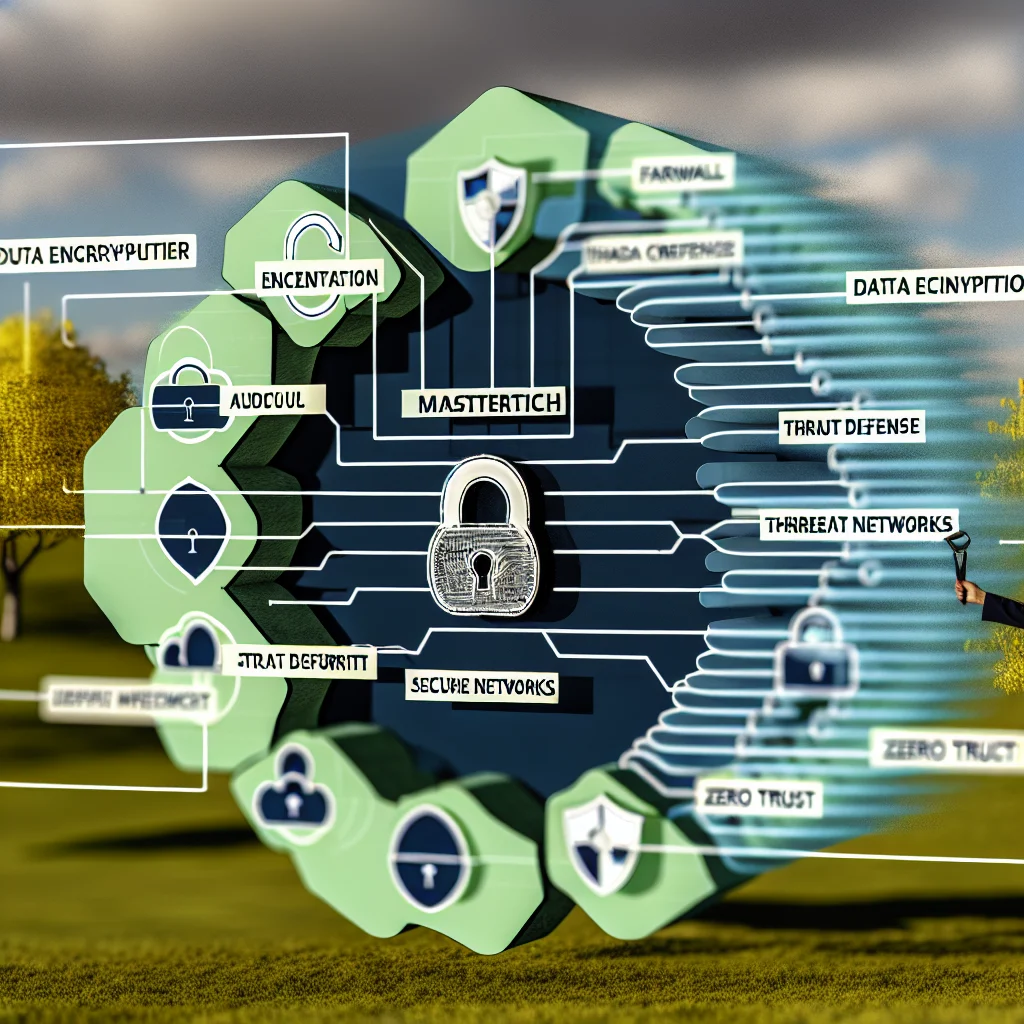
The concept of Zero Trust Architecture represents a paradigm shift in cybersecurity strategy. Unlike traditional security models that operate on the assumption that everything inside an organization’s network can be trusted, Zero Trust assumes that threats could be both external and internal. Therefore, it requires verification of every user and device attempting to access resources, regardless of their location within or outside the network perimeter. This approach necessitates a meticulous setup of firewalls, ensuring they are configured to scrutinize and authenticate every access request.
Transitioning to a Zero Trust model involves several critical steps, beginning with a thorough cybersecurity audit. This audit serves to identify existing vulnerabilities and assess the current state of an organization’s security infrastructure. By understanding the strengths and weaknesses of their current setup, organizations can make informed decisions about where to implement changes and enhancements. The audit also plays a crucial role in ensuring IT compliance, as it helps organizations align their security practices with industry standards and regulatory requirements.
Once the audit is complete, the next step is to design and implement a firewall setup that aligns with Zero Trust principles. This involves segmenting the network into smaller, manageable zones, each protected by its own firewall. Such segmentation limits the lateral movement of threats within the network, thereby containing potential breaches. Additionally, firewalls must be configured to enforce strict access controls, requiring multi-factor authentication and continuous monitoring of user activities.
Moreover, the integration of advanced technologies such as artificial intelligence and machine learning can enhance the effectiveness of firewalls within a Zero Trust framework. These technologies enable real-time analysis of network traffic, allowing for the rapid detection and response to anomalies that may indicate a security threat. By leveraging these tools, organizations can maintain a proactive stance in their cybersecurity efforts, rather than merely reacting to incidents as they occur.
In parallel with technical measures, fostering a culture of security awareness among employees is essential. Training programs should be implemented to educate staff about the principles of Zero Trust and the importance of adhering to security protocols. Employees must understand that cybersecurity is a shared responsibility and that their actions can significantly impact the organization’s overall security posture.
In conclusion, building a Zero Trust Architecture through effective firewall setup and IT compliance is a multifaceted process that requires careful planning and execution. By conducting comprehensive cybersecurity audits, segmenting networks, implementing advanced technologies, and promoting security awareness, organizations can create a resilient defense against the ever-present threat of cyberattacks. As the digital landscape continues to evolve, adopting a Zero Trust approach will be crucial for organizations seeking to safeguard their assets and maintain the trust of their stakeholders.
Endpoint Protection Strategies: Insights from Cybersecurity Audits
In the rapidly evolving landscape of digital technology, the importance of robust cybersecurity measures cannot be overstated. As organizations increasingly rely on digital infrastructure, the need for comprehensive endpoint protection strategies has become paramount. Cybersecurity audits play a crucial role in this context, offering valuable insights into the effectiveness of existing security measures and highlighting areas for improvement. By examining the findings from these audits, organizations can develop modern IT strategies that enhance their overall security posture.
Endpoint protection is a critical component of any cybersecurity strategy, as endpoints often serve as the entry points for cyber threats. These endpoints, which include devices such as laptops, smartphones, and servers, are frequently targeted by cybercriminals seeking to exploit vulnerabilities. Cybersecurity audits provide a detailed assessment of an organization’s endpoint security measures, identifying potential weaknesses and recommending enhancements. Through these audits, organizations gain a clearer understanding of their security landscape, enabling them to implement targeted strategies that address specific vulnerabilities.
One of the key insights from cybersecurity audits is the importance of maintaining up-to-date software and systems. Outdated software often contains known vulnerabilities that can be easily exploited by attackers. Regularly updating software and applying patches is a fundamental practice that significantly reduces the risk of cyberattacks. Audits frequently reveal instances where organizations have neglected this critical aspect of endpoint protection, underscoring the need for a proactive approach to software maintenance.
In addition to software updates, cybersecurity audits emphasize the significance of implementing strong access controls. Unauthorized access to endpoints can lead to data breaches and other security incidents. By enforcing strict access controls, organizations can limit the potential for unauthorized users to gain access to sensitive information. This includes implementing multi-factor authentication, which adds an additional layer of security by requiring users to provide multiple forms of verification before accessing systems.
Furthermore, audits often highlight the necessity of employee training and awareness programs. Human error remains one of the leading causes of security breaches, with employees inadvertently falling victim to phishing attacks or other social engineering tactics. By educating employees about the latest cyber threats and best practices for avoiding them, organizations can significantly reduce the likelihood of successful attacks. Cybersecurity audits frequently recommend regular training sessions to ensure that employees remain vigilant and informed about potential risks.
Another critical insight from cybersecurity audits is the need for comprehensive incident response plans. Despite the best preventive measures, security incidents can still occur. Having a well-defined incident response plan enables organizations to respond swiftly and effectively to minimize damage. Audits often reveal gaps in existing response plans, prompting organizations to refine their strategies and ensure that all team members are aware of their roles and responsibilities in the event of a security breach.
In conclusion, cybersecurity audits provide invaluable insights that inform the development of modern IT strategies focused on endpoint protection. By addressing vulnerabilities identified during audits, organizations can enhance their security measures and better protect their digital assets. The integration of regular software updates, strong access controls, employee training, and comprehensive incident response plans are essential components of a robust cybersecurity strategy. As cyber threats continue to evolve, organizations must remain vigilant and proactive in their efforts to safeguard their endpoints and maintain the integrity of their digital infrastructure.
Network Intrusion Prevention: Integrating Cybersecurity Audits with Modern IT Strategies
In the rapidly evolving landscape of digital technology, the importance of robust cybersecurity measures cannot be overstated. As organizations increasingly rely on complex IT infrastructures, the need for effective network intrusion prevention becomes paramount. Integrating cybersecurity audits with modern IT strategies is a critical step in safeguarding sensitive data and ensuring the integrity of digital operations. This integration not only enhances the security posture of an organization but also aligns with the dynamic nature of contemporary IT environments.
To begin with, cybersecurity audits serve as a comprehensive evaluation of an organization’s security policies, controls, and practices. These audits are designed to identify vulnerabilities, assess the effectiveness of existing security measures, and ensure compliance with relevant regulations. By systematically examining the IT infrastructure, cybersecurity audits provide valuable insights into potential weaknesses that could be exploited by malicious actors. Consequently, they form the foundation upon which effective network intrusion prevention strategies can be built.
Incorporating cybersecurity audits into modern IT strategies involves a multi-faceted approach. One of the key elements is the adoption of proactive measures that anticipate and mitigate potential threats before they can cause harm. This proactive stance is essential in a world where cyber threats are becoming increasingly sophisticated and persistent. By leveraging the findings from cybersecurity audits, organizations can implement targeted security enhancements that address specific vulnerabilities, thereby reducing the risk of network intrusions.
Moreover, the integration of cybersecurity audits with IT strategies necessitates a shift towards a more holistic view of security. This involves not only focusing on technological solutions but also considering the human and procedural aspects of cybersecurity. For instance, regular training and awareness programs for employees can significantly reduce the likelihood of human error, which is often a critical factor in security breaches. Additionally, establishing clear protocols for incident response ensures that organizations are well-prepared to handle any potential intrusions swiftly and effectively.
Another crucial aspect of integrating cybersecurity audits with modern IT strategies is the emphasis on continuous monitoring and improvement. In the fast-paced world of technology, static security measures are insufficient. Instead, organizations must adopt a dynamic approach that involves regular updates and adjustments to security protocols based on the latest threat intelligence. Cybersecurity audits play a vital role in this process by providing ongoing assessments that inform strategic decisions and ensure that security measures remain relevant and effective.
Furthermore, the integration of cybersecurity audits with IT strategies can be greatly enhanced through the use of advanced technologies such as artificial intelligence and machine learning. These technologies enable organizations to analyze vast amounts of data in real-time, identifying patterns and anomalies that may indicate potential security threats. By incorporating these insights into their security frameworks, organizations can significantly improve their ability to detect and prevent network intrusions.
In conclusion, the integration of cybersecurity audits with modern IT strategies is an essential component of effective network intrusion prevention. By leveraging the insights gained from comprehensive audits, organizations can implement targeted security measures that address specific vulnerabilities and align with the dynamic nature of contemporary IT environments. This holistic approach, which encompasses technological, human, and procedural elements, ensures that organizations are well-equipped to navigate the complex landscape of cybersecurity threats. As technology continues to evolve, the importance of integrating cybersecurity audits with IT strategies will only grow, underscoring the need for organizations to remain vigilant and proactive in their security efforts.
Zero Trust and Cybersecurity Audits: A Comprehensive Approach to IT Compliance
In the rapidly evolving landscape of information technology, organizations are increasingly recognizing the importance of robust cybersecurity measures to protect their digital assets. As cyber threats become more sophisticated, the need for comprehensive strategies that ensure IT compliance has never been more critical. One such strategy that has gained significant traction is the Zero Trust model, which, when combined with regular cybersecurity audits, offers a formidable approach to safeguarding sensitive information.
The Zero Trust model operates on the fundamental principle of “never trust, always verify.” Unlike traditional security models that assume trust based on network location, Zero Trust requires continuous verification of every user and device attempting to access resources, regardless of their location within or outside the network perimeter. This paradigm shift is essential in today’s environment, where the boundaries of corporate networks are increasingly blurred due to the proliferation of remote work and cloud-based services.
Implementing a Zero Trust architecture involves several key components, including identity and access management, micro-segmentation, and real-time monitoring. Identity and access management ensures that only authenticated and authorized users can access specific resources, while micro-segmentation divides the network into smaller, isolated segments to limit lateral movement in case of a breach. Real-time monitoring provides continuous oversight, enabling organizations to detect and respond to threats swiftly.
However, adopting a Zero Trust model is not a one-time effort but an ongoing process that requires regular evaluation and adjustment. This is where cybersecurity audits play a crucial role. A cybersecurity audit is a systematic examination of an organization’s security policies, procedures, and controls. It assesses the effectiveness of these measures in protecting against cyber threats and ensuring compliance with relevant regulations and standards.
Conducting regular cybersecurity audits allows organizations to identify vulnerabilities and gaps in their security posture. These audits provide valuable insights into the effectiveness of the Zero Trust model and highlight areas that require improvement. Moreover, they help organizations stay compliant with industry regulations such as the General Data Protection Regulation (GDPR) and the Health Insurance Portability and Accountability Act (HIPAA), which mandate stringent data protection measures.
The integration of Zero Trust principles with cybersecurity audits creates a comprehensive approach to IT compliance. By continuously verifying access and regularly assessing security measures, organizations can maintain a robust defense against cyber threats. This approach not only enhances security but also builds trust with customers and stakeholders, who are increasingly concerned about data privacy and protection.
Furthermore, the insights gained from cybersecurity audits can inform the development of modern IT strategies. As organizations strive to innovate and leverage new technologies, understanding their security implications is paramount. Cybersecurity audits provide a clear picture of the current security landscape, enabling organizations to make informed decisions about technology adoption and integration.
In conclusion, the combination of Zero Trust and cybersecurity audits represents a powerful strategy for achieving IT compliance in today’s complex digital environment. By adopting a Zero Trust model, organizations can ensure that access to resources is continuously verified, while regular audits provide the necessary oversight to identify and address vulnerabilities. This comprehensive approach not only strengthens security but also supports the development of modern IT strategies that align with organizational goals and regulatory requirements. As cyber threats continue to evolve, embracing these practices will be essential for organizations seeking to protect their digital assets and maintain the trust of their stakeholders.
Enhance your organization’s security posture with our expert insights on cybersecurity audits and modern IT strategies. Discover more by visiting our website today!