Tech Support Best Practices: Enhancing System Recovery and IT Optimization
In the rapidly evolving landscape of information technology, the role of tech support has become increasingly pivotal in ensuring seamless operations and optimizing IT infrastructure. As organizations strive to maintain competitive advantage, the emphasis on enhancing system recovery and IT optimization has never been more critical. To achieve these objectives, adopting best practices in tech support is essential, as it not only mitigates potential disruptions but also enhances overall system performance.
One of the fundamental aspects of effective tech support is the implementation of robust system recovery protocols. In the event of a system failure, the ability to swiftly restore operations is crucial. This necessitates a comprehensive backup strategy that includes regular data backups, offsite storage, and periodic testing of recovery procedures. By ensuring that data is consistently backed up and easily retrievable, organizations can minimize downtime and prevent data loss, thereby safeguarding business continuity.
Moreover, the integration of automated monitoring tools plays a significant role in preemptively identifying and addressing potential issues before they escalate into critical problems. These tools provide real-time insights into system performance, enabling tech support teams to proactively manage resources and optimize system functionality. By leveraging advanced analytics, organizations can detect anomalies, predict system failures, and implement corrective measures promptly, thus enhancing the resilience of their IT infrastructure.
In addition to system recovery, optimizing IT operations is a key focus for tech support teams. This involves streamlining processes, reducing redundancies, and ensuring that IT resources are utilized efficiently. One effective strategy is the adoption of virtualization technologies, which allow for the consolidation of servers and the efficient allocation of resources. Virtualization not only reduces hardware costs but also enhances scalability and flexibility, enabling organizations to adapt to changing demands with ease.
Furthermore, the implementation of cloud-based solutions has revolutionized IT optimization. By migrating to the cloud, organizations can benefit from increased storage capacity, improved collaboration, and enhanced security features. Cloud computing also facilitates remote access, allowing tech support teams to address issues from any location, thereby reducing response times and improving service delivery. As a result, organizations can achieve greater operational efficiency and agility.
Another critical component of tech support best practices is the continuous training and development of IT personnel. As technology evolves, it is imperative for tech support teams to stay abreast of the latest advancements and industry trends. Regular training sessions, workshops, and certifications ensure that IT professionals possess the necessary skills and knowledge to effectively manage and optimize IT systems. By fostering a culture of continuous learning, organizations can enhance the expertise of their tech support teams and improve overall service quality.
In conclusion, the adoption of best practices in tech support is essential for enhancing system recovery and optimizing IT operations. By implementing robust recovery protocols, leveraging automated monitoring tools, and embracing virtualization and cloud-based solutions, organizations can ensure the resilience and efficiency of their IT infrastructure. Additionally, investing in the continuous development of IT personnel is crucial for maintaining a competitive edge in the ever-evolving technological landscape. As organizations continue to navigate the complexities of modern IT environments, the role of tech support remains indispensable in driving innovation and achieving operational excellence.
Troubleshooting Techniques: Modern IT Strategies for Effective Tech Support
In the rapidly evolving landscape of information technology, effective tech support has become a cornerstone for businesses striving to maintain operational efficiency and customer satisfaction. As organizations increasingly rely on complex IT infrastructures, the demand for proficient troubleshooting techniques has never been more critical. Modern IT strategies are essential in equipping tech support teams with the tools and methodologies necessary to address and resolve issues promptly and effectively.
One of the primary strategies in modern IT support is the adoption of proactive monitoring systems. These systems enable tech support teams to identify potential issues before they escalate into significant problems. By continuously monitoring network performance, server health, and application functionality, support teams can detect anomalies and address them preemptively. This proactive approach not only minimizes downtime but also enhances the overall user experience by ensuring that systems operate smoothly and efficiently.
In addition to proactive monitoring, the integration of artificial intelligence (AI) and machine learning (ML) into tech support processes has revolutionized troubleshooting techniques. AI-driven tools can analyze vast amounts of data to identify patterns and predict potential failures. Machine learning algorithms can learn from past incidents, enabling support teams to develop more effective solutions over time. This integration of AI and ML not only accelerates the troubleshooting process but also enhances the accuracy of problem resolution, thereby reducing the likelihood of recurring issues.
Furthermore, the implementation of knowledge management systems is another modern strategy that significantly enhances tech support capabilities. These systems serve as centralized repositories of information, providing support teams with easy access to documentation, best practices, and solutions to common problems. By leveraging these resources, tech support personnel can resolve issues more efficiently, reducing the time spent on each ticket and improving overall productivity. Moreover, knowledge management systems facilitate the sharing of expertise across the organization, fostering a culture of continuous learning and improvement.
Another critical aspect of modern IT strategies is the emphasis on customer-centric support. Understanding the needs and expectations of end-users is paramount in delivering effective tech support. By adopting a customer-centric approach, support teams can tailor their troubleshooting techniques to address specific user concerns, thereby enhancing customer satisfaction. This approach involves active listening, empathy, and clear communication, ensuring that users feel heard and valued throughout the support process.
Moreover, the shift towards remote work has necessitated the development of new troubleshooting techniques to accommodate distributed teams and remote users. Cloud-based solutions and remote access tools have become indispensable in providing seamless support to users regardless of their location. These tools enable support teams to diagnose and resolve issues remotely, minimizing the need for on-site visits and reducing response times. As a result, organizations can maintain high levels of support even in a geographically dispersed work environment.
In conclusion, modern IT strategies have transformed the landscape of tech support, equipping teams with advanced tools and methodologies to address the challenges of today’s digital world. Proactive monitoring, AI and ML integration, knowledge management systems, customer-centric approaches, and remote support capabilities are all integral components of effective troubleshooting techniques. By embracing these strategies, organizations can enhance their tech support operations, ensuring that they remain agile and responsive in an ever-changing technological environment. As technology continues to evolve, so too must the strategies employed by tech support teams, ensuring that they are well-equipped to meet the demands of the future.
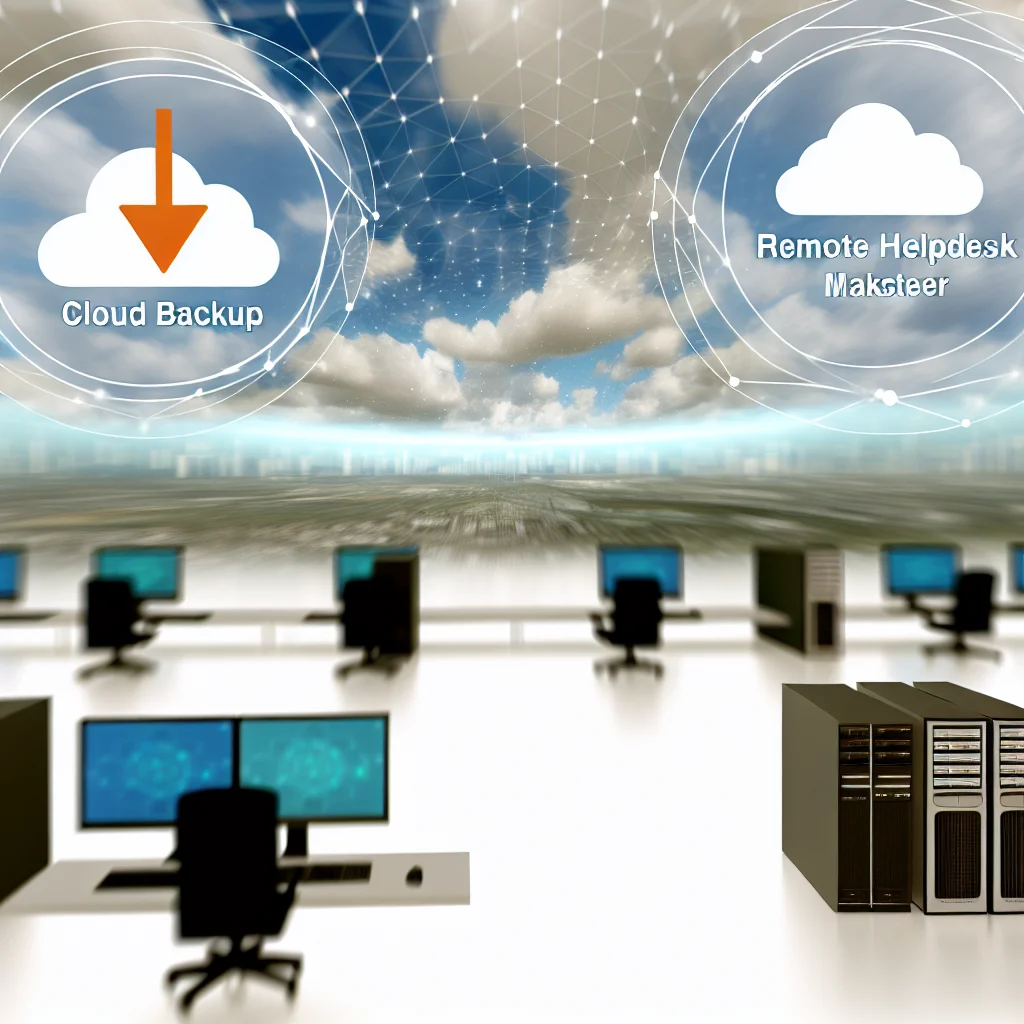
Cloud Backup Solutions: A Key Component of IT Maintenance and System Recovery

In the rapidly evolving landscape of information technology, businesses are increasingly reliant on digital data to drive operations, make informed decisions, and maintain competitive advantages. Consequently, the importance of robust IT maintenance and system recovery strategies cannot be overstated. Among the myriad components that constitute a comprehensive IT strategy, cloud backup solutions have emerged as a pivotal element, offering unparalleled benefits in terms of data security, accessibility, and disaster recovery.
Cloud backup solutions provide a reliable means of safeguarding critical data by storing copies in remote, secure data centers. This approach not only mitigates the risk of data loss due to hardware failures, cyberattacks, or natural disasters but also ensures that data is readily accessible from any location with an internet connection. As businesses increasingly adopt remote work models, the ability to access data seamlessly from various locations has become a necessity rather than a luxury. Cloud backup solutions address this need by offering scalable storage options that can be tailored to the specific requirements of an organization, thereby facilitating efficient data management.
Moreover, the integration of cloud backup solutions into IT maintenance strategies enhances system recovery processes. In the event of a data breach or system failure, the ability to quickly restore data from cloud backups minimizes downtime and mitigates potential financial losses. This rapid recovery capability is crucial for maintaining business continuity and upholding customer trust, as prolonged service disruptions can have detrimental effects on a company’s reputation and bottom line. Furthermore, cloud backup solutions often include advanced features such as automated backups, versioning, and encryption, which enhance data integrity and security.
Transitioning to cloud-based backup systems also aligns with modern IT strategies that emphasize cost-effectiveness and operational efficiency. Traditional on-premises backup solutions often require significant investments in hardware, software, and maintenance, which can strain IT budgets. In contrast, cloud backup services typically operate on a subscription-based model, allowing businesses to pay only for the storage and services they use. This flexibility not only reduces upfront costs but also enables organizations to scale their storage needs in response to changing business demands.
Additionally, cloud backup solutions contribute to environmental sustainability by reducing the need for physical storage infrastructure. By leveraging the shared resources of cloud service providers, businesses can decrease their carbon footprint and support global efforts to combat climate change. This alignment with sustainable practices is increasingly important as consumers and stakeholders demand greater corporate responsibility in environmental matters.
Despite the numerous advantages of cloud backup solutions, it is essential for businesses to carefully evaluate potential providers to ensure they meet specific security and compliance requirements. Factors such as data encryption standards, compliance with industry regulations, and the provider’s track record in data protection should be thoroughly assessed. By selecting a reputable cloud backup provider, businesses can enhance their IT maintenance strategies and bolster their system recovery capabilities.
In conclusion, cloud backup solutions represent a key component of modern IT maintenance and system recovery strategies. By offering secure, scalable, and cost-effective data storage options, these solutions enable businesses to protect critical information, ensure business continuity, and support sustainable practices. As the digital landscape continues to evolve, the integration of cloud backup solutions will remain an essential consideration for organizations seeking to optimize their IT strategies and safeguard their digital assets.
Remote Helpdesk Innovations: Streamlining IT Support and Troubleshooting
In the rapidly evolving landscape of information technology, the role of remote helpdesk support has become increasingly pivotal. As organizations continue to embrace digital transformation, the demand for efficient and effective IT support solutions has surged. Remote helpdesk innovations are at the forefront of this shift, offering streamlined approaches to IT support and troubleshooting that cater to the dynamic needs of modern businesses. By leveraging advanced technologies and adopting innovative strategies, remote helpdesks are redefining the way IT support is delivered, ensuring that organizations can maintain seamless operations in an increasingly digital world.
One of the most significant advancements in remote helpdesk support is the integration of artificial intelligence and machine learning. These technologies enable helpdesk systems to predict and diagnose issues with remarkable accuracy, often before they impact end-users. By analyzing patterns and trends in data, AI-driven systems can identify potential problems and suggest proactive solutions, thereby minimizing downtime and enhancing productivity. This predictive capability not only improves the efficiency of IT support but also empowers organizations to allocate resources more effectively, focusing on strategic initiatives rather than reactive troubleshooting.
Moreover, the adoption of cloud-based solutions has revolutionized remote helpdesk operations. Cloud technology facilitates real-time collaboration and information sharing, allowing IT support teams to access critical data and tools from anywhere in the world. This flexibility is particularly beneficial in today’s globalized business environment, where remote work has become the norm. By utilizing cloud-based platforms, helpdesk teams can provide consistent and reliable support to users, regardless of their geographical location. This approach not only enhances the user experience but also ensures that organizations can maintain continuity and resilience in the face of disruptions.
In addition to technological advancements, remote helpdesk innovations are also characterized by a shift towards more personalized and user-centric support models. Recognizing that each user has unique needs and preferences, modern helpdesks are increasingly adopting a customer-centric approach. This involves tailoring support services to individual users, providing customized solutions that address specific issues and requirements. By prioritizing user satisfaction and engagement, helpdesk teams can foster stronger relationships with end-users, ultimately leading to improved outcomes and greater organizational success.
Furthermore, the integration of self-service options into remote helpdesk systems is another key innovation that is transforming IT support. Self-service portals and knowledge bases empower users to resolve common issues independently, reducing the burden on helpdesk staff and accelerating the resolution process. By providing users with easy access to information and resources, organizations can enhance the overall efficiency of their IT support operations while simultaneously promoting user autonomy and empowerment.
As remote helpdesk innovations continue to evolve, it is essential for organizations to stay abreast of emerging trends and technologies. By embracing these advancements, businesses can optimize their IT support strategies, ensuring that they remain competitive in an increasingly digital marketplace. Ultimately, the success of remote helpdesk operations hinges on the ability to adapt to changing circumstances and leverage cutting-edge solutions to meet the diverse needs of users. As such, organizations must remain committed to continuous improvement and innovation, striving to deliver exceptional IT support that drives business growth and success.
IT Optimization Strategies: Balancing Tech Support and Cloud Backup Efficiency
In the rapidly evolving landscape of information technology, organizations are increasingly seeking ways to optimize their IT strategies to ensure both efficiency and reliability. A critical component of this optimization involves balancing tech support with cloud backup solutions. As businesses continue to rely heavily on digital infrastructure, the need for robust IT support systems becomes paramount. Simultaneously, the integration of cloud backup solutions offers a safeguard against data loss, ensuring business continuity. Understanding how to effectively balance these two elements is essential for any organization aiming to enhance its IT operations.
To begin with, tech support serves as the backbone of any IT strategy. It encompasses a wide range of services, from troubleshooting hardware and software issues to providing guidance on best practices for system use. Effective tech support ensures that employees can perform their tasks without interruption, thereby maintaining productivity. However, the challenge lies in providing comprehensive support while managing costs. This is where modern IT strategies come into play, leveraging automation and remote support tools to streamline processes. By utilizing these technologies, organizations can reduce the time and resources spent on resolving issues, allowing IT teams to focus on more strategic initiatives.
In parallel, cloud backup solutions have emerged as a critical component of IT optimization strategies. With the increasing volume of data generated by businesses, traditional backup methods are often insufficient. Cloud backup offers a scalable and cost-effective alternative, providing secure storage and easy access to data. Moreover, it ensures that data is protected against threats such as cyberattacks, hardware failures, and natural disasters. The integration of cloud backup into an organization’s IT strategy not only enhances data security but also supports compliance with regulatory requirements.
Balancing tech support and cloud backup efficiency requires a strategic approach. One effective method is to adopt a proactive IT support model. This involves anticipating potential issues and addressing them before they escalate into significant problems. By implementing monitoring tools and predictive analytics, organizations can identify patterns and trends that may indicate future issues. This proactive stance reduces the burden on tech support teams and minimizes downtime, ultimately leading to improved operational efficiency.
Furthermore, collaboration between tech support and cloud service providers is crucial. By fostering strong partnerships, organizations can ensure that their cloud backup solutions are seamlessly integrated with their existing IT infrastructure. This collaboration also facilitates the sharing of knowledge and expertise, enabling tech support teams to better understand and manage cloud-related issues. As a result, organizations can achieve a more cohesive and efficient IT strategy.
In addition to these strategies, continuous training and development of IT staff are essential. As technology evolves, so too must the skills and knowledge of those responsible for managing it. Providing ongoing training ensures that tech support teams are equipped to handle the latest challenges and leverage new technologies effectively. This investment in human capital not only enhances the quality of support provided but also contributes to the overall optimization of IT operations.
In conclusion, balancing tech support and cloud backup efficiency is a multifaceted challenge that requires a strategic approach. By adopting proactive support models, fostering collaboration with cloud providers, and investing in staff development, organizations can optimize their IT strategies. This balance not only enhances operational efficiency but also ensures the security and reliability of critical business data, ultimately supporting long-term success in an increasingly digital world.
Unlock the future of technology with “IT Support Insights: Tech Support and Modern IT Strategies.” Discover cutting-edge solutions and strategies to elevate your IT infrastructure. Explore more now!