Tech Integration In Healthcare Systems: Enhancing Efficiency And Patient Care
In recent years, the integration of technology within healthcare systems has become a pivotal factor in enhancing both efficiency and patient care. As healthcare systems continue to evolve, the adoption of advanced technological solutions is not merely an option but a necessity to meet the growing demands of patient care and operational efficiency. The seamless integration of technology into healthcare systems has the potential to transform the way healthcare is delivered, ensuring that patients receive timely, accurate, and personalized care.
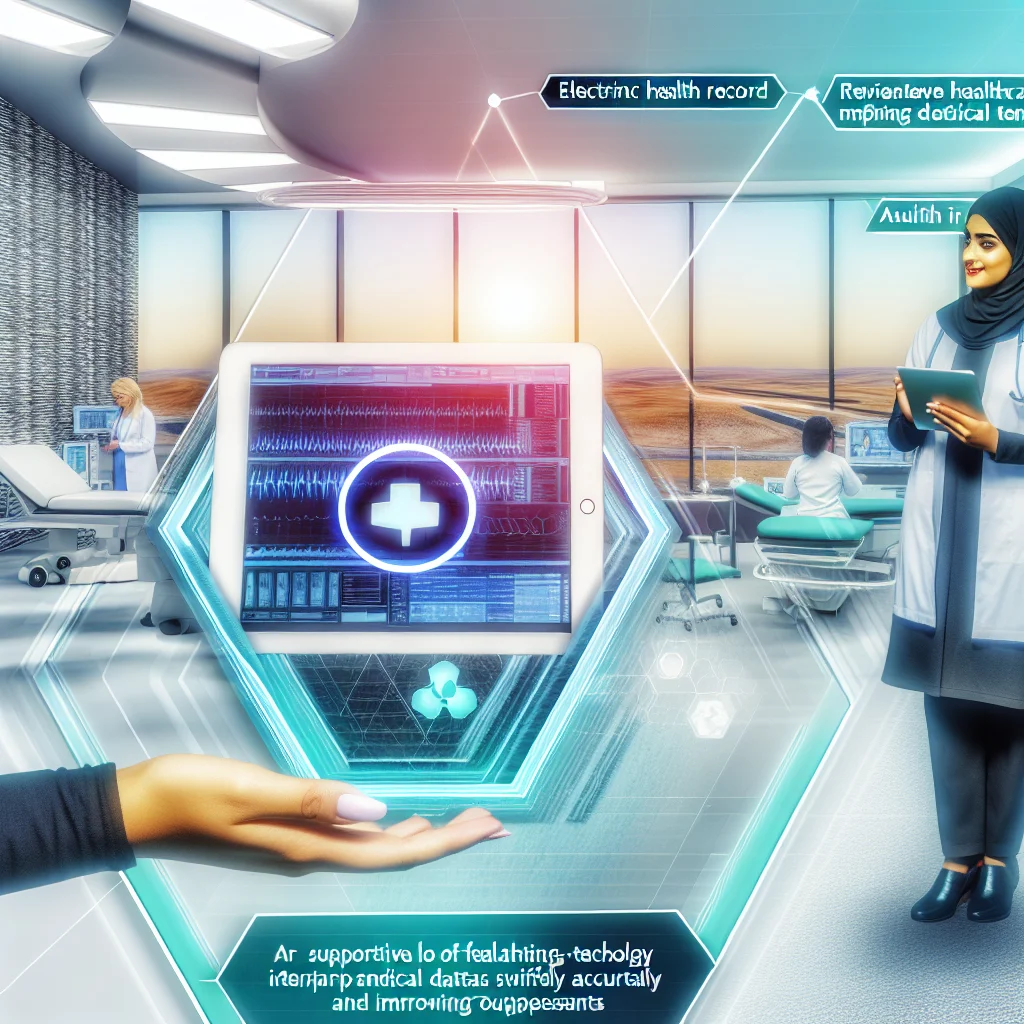
One of the primary benefits of integrating technology into healthcare systems is the improvement in operational efficiency. Electronic Health Records (EHRs) have revolutionized the way patient information is stored and accessed. By digitizing patient records, healthcare providers can easily retrieve and update patient information, reducing the time spent on administrative tasks and allowing more time for patient care. Furthermore, EHRs facilitate better coordination among healthcare providers, ensuring that all members of a patient’s care team have access to the same information, thus minimizing the risk of errors and improving the overall quality of care.
In addition to EHRs, telemedicine has emerged as a critical component of modern healthcare systems. Telemedicine allows patients to consult with healthcare providers remotely, breaking down geographical barriers and making healthcare more accessible to those in remote or underserved areas. This technology not only enhances patient convenience but also reduces the burden on healthcare facilities, allowing them to allocate resources more effectively. Moreover, telemedicine has proven to be invaluable during public health emergencies, such as the COVID-19 pandemic, by enabling continued patient care while minimizing the risk of infection.
Another significant advancement in healthcare technology is the use of artificial intelligence (AI) and machine learning. These technologies have the potential to revolutionize diagnostics and treatment planning. AI algorithms can analyze vast amounts of data quickly and accurately, assisting healthcare providers in making more informed decisions. For instance, AI can be used to identify patterns in medical images, aiding in the early detection of diseases such as cancer. Additionally, machine learning models can predict patient outcomes, allowing for more personalized treatment plans that cater to individual patient needs.
Furthermore, the integration of wearable technology into healthcare systems is enhancing patient monitoring and engagement. Wearable devices, such as fitness trackers and smartwatches, can collect real-time data on a patient’s vital signs and physical activity. This data can be shared with healthcare providers, enabling continuous monitoring and early intervention if any anomalies are detected. By empowering patients to take an active role in their health management, wearable technology fosters a more proactive approach to healthcare.
Despite the numerous benefits, the integration of technology into healthcare systems is not without challenges. Data security and privacy concerns are paramount, as the digitization of health records increases the risk of data breaches. Healthcare organizations must implement robust cybersecurity measures to protect sensitive patient information. Additionally, there is a need for ongoing training and support for healthcare professionals to ensure they are equipped to utilize new technologies effectively.
In conclusion, the integration of technology into healthcare systems is a transformative force that enhances efficiency and patient care. By embracing innovations such as electronic health records, telemedicine, artificial intelligence, and wearable technology, healthcare providers can deliver more efficient, accessible, and personalized care. As technology continues to advance, it is imperative for healthcare systems to adapt and evolve, ensuring that they remain at the forefront of delivering high-quality patient care in an increasingly digital world.
EHR Innovations: Transforming Patient Records And Streamlining Workflows
In recent years, the healthcare industry has witnessed a significant transformation driven by advancements in information technology, particularly in the realm of Electronic Health Records (EHR). These digital systems have revolutionized the way patient information is recorded, accessed, and utilized, offering a myriad of benefits that extend beyond mere data storage. As healthcare systems continue to evolve, EHR innovations are playing a pivotal role in transforming patient records and streamlining workflows, ultimately enhancing the quality of care provided to patients.
One of the most notable innovations in EHR systems is the integration of artificial intelligence (AI) and machine learning algorithms. These technologies enable healthcare providers to analyze vast amounts of patient data more efficiently, leading to improved diagnostic accuracy and personalized treatment plans. By leveraging AI, EHR systems can identify patterns and trends that may not be immediately apparent to human clinicians, thus facilitating early detection of diseases and more effective interventions. This not only enhances patient outcomes but also reduces the burden on healthcare professionals, allowing them to focus more on patient care rather than administrative tasks.
Moreover, the interoperability of EHR systems has become a focal point in recent years. The ability for different healthcare systems to communicate and share patient information seamlessly is crucial for providing comprehensive care. Interoperable EHR systems ensure that patient data is accessible across various healthcare settings, from primary care clinics to specialized hospitals. This connectivity reduces the risk of redundant tests and procedures, minimizes errors, and ensures that healthcare providers have a complete picture of a patient’s medical history. Consequently, this leads to more informed decision-making and a more coordinated approach to patient care.
In addition to interoperability, the user interface and user experience of EHR systems have seen significant improvements. Modern EHR platforms are designed with the end-user in mind, offering intuitive interfaces that simplify navigation and data entry. This user-centric approach reduces the time clinicians spend on documentation, thereby increasing the time available for direct patient interaction. Furthermore, mobile access to EHR systems has become increasingly prevalent, allowing healthcare providers to access patient information on-the-go, which is particularly beneficial in emergency situations or for home healthcare services.
Another critical aspect of EHR innovations is the emphasis on data security and patient privacy. With the increasing digitization of health records, safeguarding sensitive patient information has become paramount. Advanced encryption methods and robust authentication protocols are now integral components of EHR systems, ensuring that patient data is protected from unauthorized access and cyber threats. This focus on security not only complies with regulatory requirements but also builds trust between patients and healthcare providers, encouraging more open communication and engagement.
Furthermore, EHR systems are increasingly incorporating telehealth capabilities, a trend that has been accelerated by the COVID-19 pandemic. Telehealth integration within EHR platforms allows for virtual consultations, remote monitoring, and digital communication between patients and providers. This not only expands access to healthcare services, particularly for those in remote or underserved areas, but also enhances the continuity of care by maintaining a consistent flow of information between in-person and virtual interactions.
In conclusion, the ongoing innovations in EHR systems are fundamentally transforming the landscape of healthcare delivery. By enhancing data analysis through AI, improving interoperability, focusing on user experience, ensuring data security, and integrating telehealth capabilities, EHR systems are streamlining workflows and elevating the standard of patient care. As these technologies continue to evolve, they hold the promise of further revolutionizing healthcare systems, ultimately leading to more efficient, effective, and patient-centered care.
Ensuring HIPAA Compliance In The Digital Age: Best Practices For Healthcare IT

In the rapidly evolving landscape of healthcare information technology, ensuring compliance with the Health Insurance Portability and Accountability Act (HIPAA) remains a critical priority for healthcare systems. As digital transformation continues to reshape the industry, the challenge of safeguarding patient information becomes increasingly complex. To navigate this intricate environment, healthcare IT professionals must adopt a comprehensive approach that integrates best practices for maintaining HIPAA compliance.
First and foremost, understanding the core requirements of HIPAA is essential. The act mandates the protection of patient health information (PHI) through a series of administrative, physical, and technical safeguards. These safeguards are designed to ensure the confidentiality, integrity, and availability of PHI, whether it is stored, transmitted, or processed. Consequently, healthcare IT systems must be designed with these principles in mind, incorporating robust security measures to prevent unauthorized access and data breaches.
One of the foundational steps in achieving HIPAA compliance is conducting regular risk assessments. These assessments help identify potential vulnerabilities within the IT infrastructure and evaluate the effectiveness of existing security measures. By systematically analyzing risks, healthcare organizations can prioritize areas that require immediate attention and allocate resources accordingly. Moreover, risk assessments should be an ongoing process, adapting to new threats and technological advancements to ensure continuous protection of PHI.
In addition to risk assessments, implementing strong access controls is crucial. Access to PHI should be restricted to authorized personnel only, and healthcare IT systems must employ authentication mechanisms such as multi-factor authentication to verify user identities. Furthermore, role-based access controls can be utilized to ensure that individuals have access only to the information necessary for their specific job functions. This minimizes the risk of internal data breaches and helps maintain the principle of least privilege.
Another critical aspect of HIPAA compliance is the encryption of PHI. Encryption serves as a powerful tool to protect data both at rest and in transit. By converting sensitive information into an unreadable format, encryption ensures that even if data is intercepted or accessed by unauthorized individuals, it remains unintelligible and secure. Healthcare IT systems should employ industry-standard encryption protocols to safeguard PHI and comply with HIPAA requirements.
Moreover, training and education play a pivotal role in maintaining HIPAA compliance. Healthcare organizations must ensure that all employees, from IT staff to clinical personnel, are well-versed in HIPAA regulations and understand their responsibilities in protecting patient information. Regular training sessions and updates on the latest security practices can help foster a culture of compliance and vigilance within the organization.
In the digital age, the threat landscape is constantly evolving, with cyberattacks becoming more sophisticated and frequent. Therefore, healthcare IT systems must be equipped with advanced security technologies such as intrusion detection systems, firewalls, and antivirus software to detect and mitigate potential threats. Additionally, establishing an incident response plan is essential to address security breaches promptly and effectively, minimizing potential damage and ensuring compliance with HIPAA’s breach notification requirements.
In conclusion, ensuring HIPAA compliance in the digital age requires a multifaceted approach that encompasses risk assessments, access controls, encryption, employee training, and advanced security technologies. By integrating these best practices into their IT infrastructure, healthcare organizations can protect patient information, maintain regulatory compliance, and ultimately enhance the trust and confidence of their patients. As the healthcare industry continues to embrace digital innovation, staying vigilant and proactive in safeguarding PHI will remain a paramount responsibility for healthcare IT professionals.
Clinical Support Systems: Leveraging Technology For Improved Decision-Making
In the rapidly evolving landscape of healthcare, clinical support systems have emerged as pivotal tools in enhancing decision-making processes. These systems, which integrate advanced technology with clinical expertise, are designed to support healthcare professionals in making informed decisions that ultimately improve patient outcomes. As healthcare systems continue to face increasing demands, the role of clinical support systems becomes even more critical, offering a bridge between vast amounts of medical data and actionable insights.
At the core of clinical support systems is the ability to process and analyze large volumes of data efficiently. With the advent of electronic health records (EHRs), healthcare providers have access to a wealth of patient information. However, the sheer volume of data can be overwhelming, making it challenging for clinicians to extract relevant insights quickly. Clinical support systems address this challenge by utilizing sophisticated algorithms and artificial intelligence to sift through data, identify patterns, and present clinicians with evidence-based recommendations. This not only saves time but also enhances the accuracy of diagnoses and treatment plans.
Moreover, clinical support systems play a crucial role in standardizing care across different healthcare settings. By providing consistent guidelines and protocols, these systems help reduce variability in clinical practice, ensuring that patients receive high-quality care regardless of where they are treated. This standardization is particularly beneficial in large healthcare networks where maintaining uniformity in care delivery can be challenging. Furthermore, by integrating the latest research findings and clinical guidelines, these systems ensure that healthcare providers are equipped with the most current knowledge, thereby facilitating continuous improvement in patient care.
In addition to improving clinical decision-making, clinical support systems also contribute to patient safety. By alerting healthcare providers to potential drug interactions, allergies, and other contraindications, these systems help prevent adverse events that could compromise patient safety. For instance, when prescribing medication, a clinical support system can cross-reference a patient’s current medications and medical history to flag any potential issues, thereby reducing the risk of medication errors. This proactive approach to patient safety is a testament to the transformative impact of technology in healthcare.
Furthermore, clinical support systems enhance communication and collaboration among healthcare teams. By providing a centralized platform for accessing patient information and clinical guidelines, these systems facilitate seamless communication among different members of the healthcare team. This is particularly important in complex cases where multidisciplinary collaboration is essential for optimal patient outcomes. By ensuring that all team members have access to the same information, clinical support systems help eliminate communication barriers and promote coordinated care.
Despite the numerous benefits, the implementation of clinical support systems is not without challenges. Issues such as data privacy, system interoperability, and user resistance can hinder the effective adoption of these systems. Therefore, it is crucial for healthcare organizations to address these challenges by investing in robust cybersecurity measures, ensuring compatibility with existing systems, and providing adequate training for healthcare professionals. By doing so, they can maximize the potential of clinical support systems and drive meaningful improvements in patient care.
In conclusion, clinical support systems represent a significant advancement in healthcare technology, offering a powerful tool for enhancing decision-making, standardizing care, and improving patient safety. As healthcare systems continue to evolve, the integration of these systems will be essential in meeting the demands of modern healthcare delivery. By leveraging technology to support clinical expertise, healthcare providers can ensure that they are well-equipped to deliver high-quality, patient-centered care in an increasingly complex healthcare environment.
Emerging Health IT Trends: The Future Of Medical Data And Healthcare Systems
In the rapidly evolving landscape of healthcare, the integration of information technology has become a pivotal force in transforming medical data management and healthcare systems. As we delve into the future of healthcare IT, it is essential to understand the emerging trends that are shaping this dynamic field. One of the most significant trends is the increasing adoption of electronic health records (EHRs). These digital versions of patients’ paper charts have revolutionized the way healthcare providers store, access, and share medical information. By facilitating seamless communication among healthcare professionals, EHRs enhance the quality of care and improve patient outcomes. Moreover, they enable healthcare systems to operate more efficiently by reducing paperwork and minimizing errors.
In addition to EHRs, the rise of telemedicine is another trend that is reshaping healthcare delivery. Telemedicine leverages digital communication technologies to provide remote clinical services, making healthcare more accessible, especially for individuals in rural or underserved areas. This trend gained significant momentum during the COVID-19 pandemic, as it allowed patients to receive medical consultations without the risk of exposure to the virus. As telemedicine continues to evolve, it is expected to become an integral part of healthcare systems, offering convenience and flexibility to both patients and providers.
Furthermore, the integration of artificial intelligence (AI) into healthcare systems is poised to revolutionize medical data analysis and decision-making processes. AI algorithms can analyze vast amounts of data quickly and accurately, assisting healthcare professionals in diagnosing diseases, predicting patient outcomes, and personalizing treatment plans. For instance, AI-powered tools can identify patterns in medical images that may be imperceptible to the human eye, thereby enhancing diagnostic accuracy. As AI technology advances, its applications in healthcare are likely to expand, leading to more precise and efficient patient care.
Another emerging trend is the use of blockchain technology to secure medical data. Blockchain offers a decentralized and tamper-proof system for storing and sharing information, ensuring data integrity and privacy. In healthcare, this technology can be used to create secure patient records that are accessible only to authorized individuals. By enhancing data security, blockchain can help build trust between patients and healthcare providers, encouraging more open sharing of information and ultimately improving care coordination.
Moreover, the Internet of Medical Things (IoMT) is gaining traction as a transformative force in healthcare systems. IoMT refers to the network of connected devices that collect and transmit health data in real-time. These devices, ranging from wearable fitness trackers to smart medical equipment, provide valuable insights into patients’ health status and enable continuous monitoring. By integrating IoMT into healthcare systems, providers can offer proactive and personalized care, potentially reducing hospital admissions and improving patient outcomes.
As these trends continue to unfold, it is crucial for healthcare systems to adapt and embrace these technological advancements. However, the integration of health IT also presents challenges, such as ensuring data privacy, addressing interoperability issues, and managing the costs associated with implementing new technologies. To overcome these challenges, collaboration among healthcare providers, technology developers, and policymakers is essential. By working together, stakeholders can create a robust and sustainable healthcare IT infrastructure that supports the delivery of high-quality care.
In conclusion, the future of medical data and healthcare systems is being shaped by a range of emerging health IT trends. From electronic health records and telemedicine to artificial intelligence, blockchain, and the Internet of Medical Things, these innovations hold the potential to enhance patient care, improve operational efficiency, and transform the healthcare landscape. As we move forward, it is imperative to navigate the challenges and opportunities presented by these trends to ensure a healthier future for all.
Unlock the Future of Healthcare IT: Discover Key Insights into 45 Healthcare Systems. Explore Now!