Understanding Ransomware Recovery: Best Practices and Strategies
Ransomware attacks have become a prevalent threat in the digital landscape, posing significant challenges to organizations worldwide. As these malicious attacks continue to evolve in complexity and frequency, understanding effective ransomware recovery strategies is crucial for minimizing damage and ensuring business continuity. The process of ransomware recovery involves a series of well-coordinated actions that require careful planning and execution. By implementing best practices and strategies, organizations can enhance their resilience against such cyber threats.
To begin with, a comprehensive backup strategy is the cornerstone of any effective ransomware recovery plan. Regularly backing up critical data ensures that, in the event of an attack, organizations can restore their systems to a pre-attack state with minimal data loss. It is essential to store backups in a secure, isolated environment, separate from the primary network, to prevent them from being compromised during an attack. Additionally, testing the integrity and reliability of these backups through regular drills is vital to ensure they can be effectively utilized when needed.
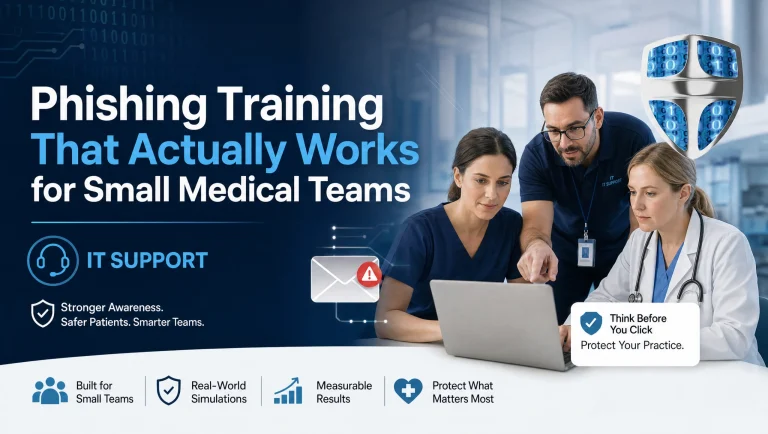
Moreover, developing a detailed incident response plan is another critical component of ransomware recovery. This plan should outline the specific steps to be taken immediately following an attack, including identifying and isolating affected systems, notifying relevant stakeholders, and engaging with cybersecurity experts. By having a clear and actionable response plan, organizations can reduce downtime and mitigate the impact of an attack. Furthermore, conducting regular training sessions for employees on recognizing phishing attempts and other common attack vectors can significantly reduce the likelihood of a successful ransomware infiltration.
In addition to these preventive measures, organizations should also consider investing in advanced cybersecurity technologies. Endpoint detection and response (EDR) solutions, for instance, can provide real-time monitoring and analysis of network activities, enabling the early detection of suspicious behavior. Similarly, implementing robust firewalls and intrusion detection systems can help in identifying and blocking potential threats before they infiltrate the network. By leveraging these technologies, organizations can create a multi-layered defense strategy that enhances their ability to recover from ransomware attacks.
Another important aspect of ransomware recovery is communication. Transparent and timely communication with stakeholders, including employees, customers, and partners, is essential to maintain trust and manage expectations during the recovery process. Organizations should have a predefined communication strategy that outlines how information will be disseminated and who will be responsible for delivering updates. This approach not only helps in managing the crisis effectively but also ensures that misinformation is minimized.
Furthermore, engaging with law enforcement and cybersecurity experts can provide valuable insights and assistance during the recovery process. Law enforcement agencies can offer guidance on legal obligations and potential avenues for recourse, while cybersecurity experts can assist in identifying the root cause of the attack and implementing measures to prevent future incidents. Collaborating with these external entities can significantly enhance an organization’s ability to recover from a ransomware attack.
In conclusion, understanding ransomware recovery involves a multifaceted approach that combines preventive measures, advanced technologies, and effective communication strategies. By implementing best practices such as regular data backups, developing a robust incident response plan, and investing in cybersecurity technologies, organizations can enhance their resilience against ransomware attacks. Additionally, fostering a culture of awareness and collaboration with external experts can further strengthen an organization’s ability to recover swiftly and effectively. As the threat landscape continues to evolve, staying informed and prepared is essential for safeguarding critical assets and ensuring business continuity.
The Role of Security Patches in Preventing Ransomware Attacks
In the ever-evolving landscape of cybersecurity, ransomware attacks have emerged as a formidable threat, causing significant disruptions to businesses and individuals alike. As these malicious attacks continue to grow in sophistication and frequency, the importance of implementing robust preventive measures cannot be overstated. Among the various strategies employed to thwart ransomware attacks, the role of security patches stands out as a critical component in safeguarding digital assets.
Security patches are updates provided by software vendors to address vulnerabilities within their products. These vulnerabilities, if left unaddressed, can serve as entry points for cybercriminals seeking to deploy ransomware. By exploiting these weaknesses, attackers can gain unauthorized access to systems, encrypt valuable data, and demand ransom payments for its release. Consequently, the timely application of security patches is essential in closing these security gaps and fortifying defenses against potential ransomware threats.
The process of patch management involves identifying, acquiring, testing, and installing patches on affected systems. This systematic approach ensures that vulnerabilities are promptly addressed, thereby reducing the window of opportunity for attackers. However, despite the clear benefits of patching, many organizations struggle with its implementation. Factors such as the complexity of IT environments, resource constraints, and concerns about potential disruptions to business operations often lead to delays in patch deployment. These delays can prove costly, as cybercriminals are quick to exploit known vulnerabilities.
To mitigate the risks associated with delayed patching, organizations must prioritize the development of a comprehensive patch management strategy. This strategy should include regular vulnerability assessments to identify critical security gaps, as well as a structured process for testing and deploying patches. By establishing clear protocols and assigning dedicated resources to patch management, organizations can enhance their resilience against ransomware attacks.
Moreover, the role of security patches extends beyond merely addressing known vulnerabilities. They also serve as a proactive measure in the broader context of cybersecurity hygiene. Regular patching demonstrates a commitment to maintaining a secure IT environment, which can deter potential attackers. Cybercriminals often target low-hanging fruit, seeking out systems that are poorly maintained and lack up-to-date security measures. By consistently applying patches, organizations signal their vigilance and reduce their attractiveness as targets.
In addition to organizational efforts, collaboration between software vendors and users is crucial in the fight against ransomware. Vendors must prioritize the timely release of patches and provide clear guidance on their implementation. Users, on the other hand, should remain informed about the latest security updates and act swiftly to apply them. This collaborative approach fosters a more secure digital ecosystem, where vulnerabilities are addressed promptly and effectively.
While security patches play a vital role in preventing ransomware attacks, they are not a panacea. A multi-layered defense strategy is essential, incorporating other security measures such as firewalls, intrusion detection systems, and employee training programs. By adopting a holistic approach to cybersecurity, organizations can better protect themselves against the multifaceted threat of ransomware.
In conclusion, the role of security patches in preventing ransomware attacks is indispensable. By addressing vulnerabilities and enhancing overall cybersecurity hygiene, patches serve as a critical line of defense against malicious actors. Organizations must prioritize patch management as part of their broader cybersecurity strategy, ensuring that they remain vigilant and resilient in the face of evolving threats. Through collaboration and a commitment to proactive security measures, the digital landscape can become a safer place for all.
Phishing Defense Tactics to Strengthen Your Ransomware Recovery Plan

In the ever-evolving landscape of cybersecurity threats, ransomware has emerged as a formidable adversary, posing significant risks to organizations worldwide. As businesses strive to fortify their defenses, a comprehensive ransomware recovery plan becomes indispensable. Central to this strategy is the implementation of robust phishing defense tactics, which serve as a critical line of defense against ransomware attacks. By understanding the intricate relationship between phishing and ransomware, organizations can better prepare to mitigate potential threats and enhance their recovery efforts.
Phishing, a deceptive practice where attackers masquerade as trustworthy entities to steal sensitive information, often serves as the initial vector for ransomware attacks. Cybercriminals craft convincing emails or messages that lure unsuspecting individuals into clicking malicious links or downloading harmful attachments. Once the ransomware infiltrates the system, it encrypts valuable data, rendering it inaccessible until a ransom is paid. Consequently, strengthening phishing defenses is paramount in preventing ransomware from gaining a foothold in the first place.
To bolster phishing defenses, organizations must prioritize employee education and awareness. Regular training sessions can equip employees with the knowledge to identify phishing attempts and respond appropriately. By fostering a culture of vigilance, employees become the first line of defense, capable of recognizing suspicious emails and reporting them to the IT department. Furthermore, simulated phishing exercises can be conducted to test employees’ ability to detect and respond to phishing attempts, thereby reinforcing their training and identifying areas for improvement.
In addition to employee training, implementing advanced email filtering solutions is crucial. These solutions can automatically detect and quarantine suspicious emails before they reach the inbox, significantly reducing the likelihood of a successful phishing attack. By leveraging machine learning algorithms and threat intelligence, these filters can adapt to emerging threats, providing a dynamic defense against evolving phishing tactics. Moreover, organizations should consider deploying multi-factor authentication (MFA) to add an extra layer of security. MFA requires users to verify their identity through multiple means, making it more challenging for attackers to gain unauthorized access, even if they manage to obtain login credentials through phishing.
Another essential component of a robust phishing defense strategy is the regular updating and patching of software and systems. Cybercriminals often exploit vulnerabilities in outdated software to launch phishing attacks. By ensuring that all systems are up-to-date with the latest security patches, organizations can close potential entry points for ransomware. Additionally, maintaining regular backups of critical data is vital. In the event of a ransomware attack, having secure and recent backups allows organizations to restore their systems without succumbing to ransom demands, thereby minimizing downtime and financial loss.
Furthermore, organizations should establish a clear incident response plan that outlines the steps to be taken in the event of a phishing-induced ransomware attack. This plan should include procedures for isolating affected systems, notifying relevant stakeholders, and engaging with cybersecurity experts to assess and mitigate the damage. By having a well-defined response plan, organizations can act swiftly and decisively, reducing the impact of an attack and expediting the recovery process.
In conclusion, as ransomware threats continue to evolve, organizations must adopt a proactive approach to strengthen their ransomware recovery plans. By implementing effective phishing defense tactics, such as employee training, advanced email filtering, multi-factor authentication, regular software updates, and a comprehensive incident response plan, businesses can significantly reduce their vulnerability to ransomware attacks. Through these measures, organizations not only enhance their resilience but also safeguard their valuable data and maintain the trust of their stakeholders in an increasingly digital world.
Effective Disaster Planning for Ransomware Incidents
In the ever-evolving landscape of cybersecurity threats, ransomware has emerged as a formidable adversary, posing significant risks to organizations worldwide. As these malicious attacks become increasingly sophisticated, the importance of effective disaster planning for ransomware incidents cannot be overstated. Organizations must adopt a proactive approach to safeguard their data and ensure business continuity in the face of potential disruptions. To this end, understanding the intricacies of ransomware recovery is crucial.
First and foremost, a comprehensive disaster recovery plan should be established, encompassing all facets of the organization’s operations. This plan must be meticulously crafted, taking into account the unique vulnerabilities and requirements of the organization. It should outline clear protocols for responding to a ransomware attack, including the identification of key personnel responsible for executing the recovery process. By delineating roles and responsibilities, organizations can ensure a swift and coordinated response, minimizing downtime and mitigating potential damage.
Moreover, regular data backups are an indispensable component of any effective disaster recovery strategy. Organizations should implement a robust backup system that includes both on-site and off-site storage solutions. This dual approach ensures that data remains accessible even if one backup location is compromised. Furthermore, backups should be conducted frequently and tested periodically to verify their integrity and reliability. By maintaining up-to-date backups, organizations can restore their systems to a pre-attack state, thereby reducing the impact of a ransomware incident.
In addition to data backups, organizations should invest in advanced cybersecurity measures to prevent ransomware attacks from occurring in the first place. This includes deploying cutting-edge antivirus software, firewalls, and intrusion detection systems. Regular software updates and patches are also essential to address vulnerabilities that could be exploited by cybercriminals. By fortifying their defenses, organizations can significantly reduce the likelihood of falling victim to ransomware attacks.
However, even with the most robust preventive measures in place, the possibility of a ransomware incident cannot be entirely eliminated. Therefore, organizations must also focus on employee training and awareness programs. Human error remains a leading cause of successful ransomware attacks, often through phishing emails or malicious downloads. By educating employees about the risks and warning signs of ransomware, organizations can empower their workforce to act as the first line of defense against potential threats.
Furthermore, establishing a communication plan is vital for effective disaster recovery. In the event of a ransomware attack, clear and timely communication with stakeholders, including employees, customers, and partners, is essential. Transparency about the situation and the steps being taken to resolve it can help maintain trust and confidence. Additionally, organizations should consider engaging with law enforcement and cybersecurity experts to assist in the recovery process and potentially identify the perpetrators.
Finally, post-incident analysis is a critical step in refining disaster recovery plans. After a ransomware attack has been resolved, organizations should conduct a thorough review to identify any weaknesses or gaps in their response strategy. This analysis can provide valuable insights into areas for improvement, ensuring that the organization is better prepared for future incidents.
In conclusion, effective disaster planning for ransomware incidents requires a multifaceted approach that combines proactive measures, employee education, and robust recovery strategies. By prioritizing these elements, organizations can enhance their resilience against ransomware attacks and safeguard their operations in an increasingly digital world.
Enhancing Malware Detection to Support Ransomware Recovery Efforts
Ransomware attacks have become a pervasive threat in the digital landscape, posing significant challenges to organizations worldwide. As these malicious attacks continue to evolve in complexity and frequency, enhancing malware detection capabilities has become a critical component in supporting ransomware recovery efforts. By improving detection mechanisms, organizations can not only mitigate the immediate impact of an attack but also strengthen their overall cybersecurity posture.
To begin with, the importance of early detection in the context of ransomware cannot be overstated. Early detection allows organizations to respond swiftly, potentially halting the spread of the ransomware before it can encrypt critical data. This rapid response is crucial in minimizing downtime and reducing the financial and reputational damage that often accompanies such attacks. Therefore, investing in advanced malware detection technologies is a proactive step towards safeguarding organizational assets.
One of the key strategies in enhancing malware detection is the integration of artificial intelligence (AI) and machine learning (ML) technologies. These technologies enable the development of sophisticated algorithms that can identify patterns and anomalies indicative of ransomware activity. By continuously analyzing vast amounts of data, AI and ML can detect even the most subtle signs of an impending attack, providing security teams with valuable time to implement countermeasures. Moreover, these technologies can adapt to new threats, learning from each incident to improve future detection capabilities.
In addition to AI and ML, behavioral analysis plays a pivotal role in detecting ransomware. Unlike traditional signature-based detection methods, which rely on known malware signatures, behavioral analysis focuses on identifying suspicious activities and deviations from normal behavior. This approach is particularly effective against zero-day attacks, where the malware is previously unknown and lacks a signature. By monitoring user and system behavior, organizations can identify potential threats in real-time, thereby enhancing their ability to respond to ransomware incidents.
Furthermore, collaboration and information sharing among organizations are essential in bolstering malware detection efforts. By participating in threat intelligence networks, organizations can gain insights into the latest ransomware trends and tactics. This collective knowledge allows for the development of more robust detection strategies, as organizations can learn from each other’s experiences and adapt their defenses accordingly. Additionally, sharing information about ransomware attacks can help in the creation of comprehensive databases that security solutions can leverage to improve detection accuracy.
While enhancing malware detection is crucial, it is equally important to integrate these capabilities into a broader cybersecurity framework. This includes regular updates to security software, employee training programs, and the implementation of robust backup and recovery solutions. By adopting a holistic approach, organizations can ensure that their ransomware recovery efforts are supported by a strong foundation of preventive measures.
In conclusion, as ransomware attacks continue to pose significant threats to organizations, enhancing malware detection capabilities is a vital component of effective ransomware recovery efforts. By leveraging advanced technologies such as AI and ML, employing behavioral analysis, and fostering collaboration among organizations, it is possible to improve detection accuracy and response times. Ultimately, these efforts contribute to a more resilient cybersecurity posture, enabling organizations to better protect their assets and recover swiftly from ransomware incidents. As the threat landscape continues to evolve, ongoing investment in detection technologies and strategies will remain essential in the fight against ransomware.
Unlock the secrets to effective ransomware recovery with our comprehensive guide, “Ransomware Insights: Ransomware Recovery (78).” Don’t wait until it’s too late—arm yourself with the knowledge to protect your data. Learn more now!