Remote Helpdesk Strategies For Efficient IT Support
In today’s rapidly evolving technological landscape, the demand for efficient IT support has never been more critical. As businesses increasingly rely on digital infrastructure, the need for robust remote helpdesk strategies becomes paramount. Remote helpdesk services offer a flexible and cost-effective solution for managing IT issues, ensuring that businesses can maintain productivity and minimize downtime. To achieve this, it is essential to implement strategies that enhance the efficiency and effectiveness of remote IT support.
One of the primary strategies for optimizing remote helpdesk services is the implementation of a comprehensive ticketing system. A well-structured ticketing system allows IT support teams to track, prioritize, and resolve issues systematically. By categorizing and assigning tickets based on urgency and complexity, support teams can ensure that critical issues are addressed promptly, thereby reducing the impact on business operations. Moreover, a ticketing system provides valuable data that can be analyzed to identify recurring issues and develop proactive solutions.
In addition to a robust ticketing system, effective communication is crucial for successful remote IT support. Clear and concise communication between support staff and end-users can significantly reduce the time required to resolve issues. Utilizing multiple communication channels, such as email, chat, and video conferencing, can accommodate different user preferences and facilitate real-time interaction. Furthermore, providing end-users with regular updates on the status of their issues can enhance transparency and build trust in the support process.
Another key aspect of efficient remote helpdesk strategies is the integration of advanced diagnostic tools. These tools enable support teams to remotely access and troubleshoot user devices, allowing for quicker identification and resolution of technical problems. By leveraging remote desktop software and automated diagnostic tools, IT support staff can efficiently address a wide range of issues without the need for on-site visits. This not only saves time but also reduces the costs associated with travel and in-person support.
Training and development of IT support personnel are also vital components of an effective remote helpdesk strategy. Ensuring that support staff are well-versed in the latest technologies and troubleshooting techniques can significantly enhance their ability to resolve issues efficiently. Regular training sessions and workshops can keep support teams updated on emerging trends and best practices, enabling them to provide high-quality service to end-users. Additionally, fostering a culture of continuous learning and improvement can motivate support staff to develop innovative solutions to complex problems.
Moreover, the implementation of self-service options can empower end-users to resolve minor issues independently, thereby reducing the burden on IT support teams. Providing users with access to a comprehensive knowledge base, FAQs, and step-by-step guides can enable them to troubleshoot common problems without the need for direct assistance. This not only improves user satisfaction but also allows support teams to focus on more complex and critical issues.
In conclusion, the effectiveness of remote helpdesk strategies is contingent upon the integration of a well-structured ticketing system, clear communication, advanced diagnostic tools, continuous training, and self-service options. By adopting these strategies, businesses can enhance the efficiency of their IT support services, ensuring that they can swiftly address technical issues and maintain seamless operations. As technology continues to advance, the importance of efficient remote helpdesk strategies will only grow, making it imperative for businesses to invest in the development and implementation of these essential practices.
IT Optimization Techniques To Enhance Tech Support
In the ever-evolving landscape of information technology, optimizing tech support is crucial for maintaining efficient operations and ensuring user satisfaction. As organizations increasingly rely on complex IT infrastructures, the demand for effective tech support has never been more pronounced. To address this need, several IT optimization techniques can be employed to enhance tech support, ultimately leading to improved service delivery and user experience.
One of the primary techniques for optimizing tech support is the implementation of proactive monitoring systems. By utilizing advanced monitoring tools, IT teams can identify potential issues before they escalate into significant problems. This proactive approach not only minimizes downtime but also allows tech support teams to address issues swiftly, thereby reducing the impact on end-users. Furthermore, these systems can provide valuable insights into recurring problems, enabling teams to implement long-term solutions rather than temporary fixes.
In addition to proactive monitoring, the integration of artificial intelligence (AI) and machine learning (ML) into tech support processes can significantly enhance efficiency. AI-driven chatbots, for instance, can handle routine inquiries and provide instant solutions to common problems, freeing up human resources for more complex tasks. Moreover, machine learning algorithms can analyze vast amounts of data to identify patterns and predict potential system failures, allowing tech support teams to take preemptive action. This not only improves response times but also enhances the overall quality of support provided.
Another critical aspect of optimizing tech support is the continuous training and development of support staff. As technology evolves, so too must the skills of those who provide support. Regular training sessions and workshops can ensure that tech support personnel are up-to-date with the latest technologies and best practices. This not only boosts their confidence in handling complex issues but also enhances their ability to provide effective solutions. Additionally, fostering a culture of continuous learning within the tech support team can lead to increased job satisfaction and reduced turnover rates.
Furthermore, the implementation of a robust knowledge management system is essential for optimizing tech support. By creating a centralized repository of information, tech support teams can access and share knowledge more efficiently. This system should include detailed documentation of common issues, solutions, and best practices, enabling support staff to resolve problems more quickly and accurately. Moreover, a well-maintained knowledge base can serve as a valuable resource for training new employees, ensuring a consistent level of service across the organization.
To complement these techniques, fostering effective communication between tech support teams and other departments is vital. By establishing clear channels of communication, organizations can ensure that tech support teams are aware of any changes or updates to the IT infrastructure. This collaboration can lead to more informed decision-making and a more cohesive approach to problem-solving. Additionally, regular feedback from end-users can provide valuable insights into areas for improvement, allowing tech support teams to refine their processes and enhance service delivery.
In conclusion, optimizing tech support is a multifaceted endeavor that requires a combination of proactive monitoring, AI integration, continuous training, knowledge management, and effective communication. By implementing these techniques, organizations can enhance their tech support capabilities, leading to improved efficiency, reduced downtime, and increased user satisfaction. As technology continues to advance, the importance of optimizing tech support will only grow, making it an essential component of any successful IT strategy.
Troubleshooting Common IT Issues: A Comprehensive Guide

In the ever-evolving landscape of information technology, troubleshooting common IT issues remains a critical skill for both seasoned professionals and everyday users. As technology becomes increasingly integrated into our daily lives, understanding how to address and resolve common technical problems is essential. This comprehensive guide aims to provide insights into some of the most frequent IT issues and offer practical solutions to address them effectively.
One of the most prevalent issues encountered by users is connectivity problems. Whether it involves a Wi-Fi network or a wired connection, disruptions in connectivity can significantly hinder productivity. To troubleshoot such issues, it is advisable to start by checking the physical connections and ensuring that all cables are securely plugged in. Additionally, restarting the router or modem can often resolve temporary glitches. If the problem persists, examining the network settings on the device and ensuring that the correct network is selected can be beneficial. Furthermore, updating network drivers and firmware can enhance compatibility and performance, thereby resolving connectivity issues.
Another common challenge faced by users is slow system performance. Over time, computers can become sluggish due to various factors, including excessive background processes, insufficient memory, or malware infections. To address this, users should begin by closing unnecessary applications and processes running in the background. Regularly updating the operating system and software applications can also improve performance by incorporating the latest enhancements and security patches. Moreover, conducting routine malware scans using reputable antivirus software can help identify and eliminate malicious programs that may be affecting system speed.
In addition to connectivity and performance issues, hardware malfunctions are another frequent concern. Problems such as unresponsive peripherals, malfunctioning keyboards, or faulty displays can disrupt workflow. To troubleshoot hardware issues, it is essential to first verify that the device is properly connected and powered on. For peripherals, testing them on another computer can help determine if the issue lies with the device itself or the computer. In cases where hardware components are damaged or defective, consulting the manufacturer’s support or seeking professional repair services may be necessary.
Software-related problems also constitute a significant portion of IT issues. Applications may crash, freeze, or fail to launch, causing frustration for users. To resolve software issues, it is recommended to start by checking for updates and installing any available patches. If the problem persists, reinstalling the application can often rectify corrupted files or settings. Additionally, ensuring that the system meets the software’s minimum requirements can prevent compatibility issues. For more complex software problems, consulting online forums or the software developer’s support resources can provide valuable insights and solutions.
Finally, data loss is a critical concern that can have severe consequences for individuals and organizations alike. To mitigate the risk of data loss, implementing regular backup procedures is essential. Utilizing cloud storage solutions or external hard drives can provide reliable backup options. In the event of data loss, data recovery software can sometimes retrieve lost files, but it is crucial to act quickly to maximize the chances of successful recovery.
In conclusion, troubleshooting common IT issues requires a methodical approach and a solid understanding of both hardware and software components. By following the outlined strategies and maintaining a proactive stance towards system maintenance, users can effectively address and resolve a wide range of technical problems. As technology continues to advance, staying informed about the latest developments and best practices in IT support will remain indispensable for ensuring seamless and efficient technology use.
The Importance Of Cloud Backup In System Recovery
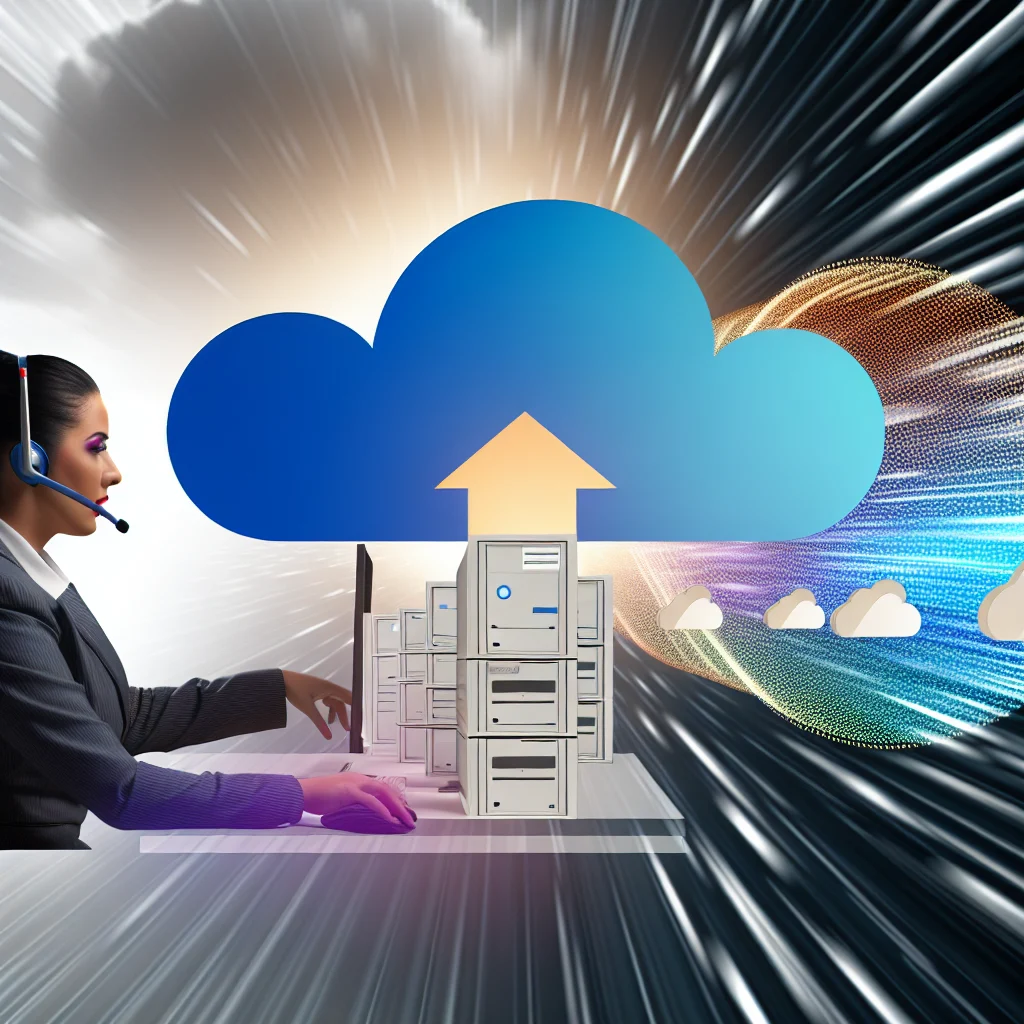
In today’s rapidly evolving digital landscape, the importance of cloud backup in system recovery cannot be overstated. As organizations increasingly rely on digital data to drive their operations, the need for robust data protection strategies has become paramount. Cloud backup solutions offer a reliable and efficient means of safeguarding critical information, ensuring that businesses can recover swiftly from unexpected disruptions. This article delves into the significance of cloud backup in system recovery, highlighting its advantages and the role it plays in maintaining business continuity.
To begin with, cloud backup provides a secure and scalable solution for data storage. Unlike traditional backup methods, which often involve physical storage devices that are susceptible to damage or loss, cloud backup leverages remote servers to store data. This not only ensures that data is protected from local disasters, such as fires or floods, but also offers the flexibility to scale storage capacity as needed. Consequently, businesses can store vast amounts of data without the constraints of physical storage limitations, thereby enhancing their ability to recover from data loss incidents.
Moreover, cloud backup solutions facilitate seamless data recovery processes. In the event of a system failure or data breach, organizations can quickly restore their data from the cloud, minimizing downtime and mitigating the impact on operations. This rapid recovery capability is crucial in today’s fast-paced business environment, where prolonged downtime can lead to significant financial losses and reputational damage. By enabling swift data restoration, cloud backup solutions help businesses maintain operational continuity and uphold their commitments to customers and stakeholders.
In addition to speed and scalability, cloud backup offers enhanced data security features. Leading cloud service providers implement robust security measures, including encryption, multi-factor authentication, and regular security audits, to protect data from unauthorized access and cyber threats. These security protocols ensure that sensitive information remains confidential and intact, even in the face of sophisticated cyberattacks. As a result, businesses can have peace of mind knowing that their data is safeguarded by cutting-edge security technologies.
Furthermore, cloud backup solutions support compliance with regulatory requirements. Many industries are subject to stringent data protection regulations that mandate the secure storage and management of sensitive information. Cloud backup providers often offer compliance-ready solutions that help businesses meet these regulatory obligations. By leveraging cloud backup services, organizations can demonstrate their commitment to data protection and regulatory compliance, thereby avoiding potential legal penalties and enhancing their reputation in the marketplace.
Another key advantage of cloud backup is its cost-effectiveness. Traditional backup methods often involve significant upfront investments in hardware and infrastructure, as well as ongoing maintenance costs. In contrast, cloud backup operates on a subscription-based model, allowing businesses to pay only for the storage and services they use. This not only reduces capital expenditures but also provides predictable operational costs, making it easier for organizations to budget for data protection initiatives.
In conclusion, the importance of cloud backup in system recovery is underscored by its numerous benefits, including secure and scalable storage, rapid data recovery, enhanced security, regulatory compliance, and cost-effectiveness. As businesses continue to navigate the complexities of the digital age, adopting cloud backup solutions is a strategic imperative that can safeguard their data, ensure business continuity, and protect their competitive edge. By embracing cloud backup, organizations can confidently face the challenges of the modern digital landscape, knowing that their critical information is protected and readily recoverable.
Best Practices For IT Maintenance And Tech Support
In the ever-evolving landscape of information technology, maintaining robust IT systems and providing effective tech support are critical components for any organization aiming to achieve operational excellence. As technology becomes increasingly integral to business operations, the importance of implementing best practices for IT maintenance and tech support cannot be overstated. These practices not only ensure the smooth functioning of IT infrastructure but also enhance the overall productivity and efficiency of an organization.
To begin with, regular system updates and patches are fundamental to IT maintenance. Keeping software and hardware up to date is essential for protecting systems against vulnerabilities and ensuring compatibility with the latest technologies. By scheduling regular updates, organizations can mitigate the risk of security breaches and system failures. Moreover, automated update systems can streamline this process, reducing the burden on IT staff and minimizing downtime.
In addition to updates, proactive monitoring of IT systems is crucial. By employing advanced monitoring tools, IT teams can detect potential issues before they escalate into significant problems. This proactive approach allows for timely interventions, thereby reducing the likelihood of disruptions. Furthermore, monitoring tools can provide valuable insights into system performance, enabling IT professionals to optimize resources and improve efficiency.
Another best practice is the implementation of a comprehensive backup and disaster recovery plan. Data is a critical asset for any organization, and its loss can have severe consequences. Regularly scheduled backups ensure that data can be restored in the event of hardware failure, cyberattacks, or natural disasters. A well-defined disaster recovery plan outlines the steps to be taken in such scenarios, ensuring a swift return to normal operations. This not only safeguards data integrity but also enhances organizational resilience.
Moreover, effective communication between IT support teams and end-users is vital for resolving technical issues efficiently. Establishing clear channels of communication, such as help desks or ticketing systems, allows users to report problems promptly. IT support teams should be trained to communicate in a manner that is both technical and user-friendly, ensuring that users understand the solutions provided. This fosters a collaborative environment where users feel supported and IT teams can address issues more effectively.
Training and development of IT staff are also integral to maintaining a high standard of tech support. As technology evolves, so too must the skills of those who manage it. Regular training sessions and professional development opportunities ensure that IT personnel are equipped with the latest knowledge and skills. This not only enhances their ability to troubleshoot and resolve issues but also empowers them to innovate and improve existing systems.
Furthermore, documentation of IT processes and procedures is a best practice that cannot be overlooked. Comprehensive documentation serves as a valuable resource for IT teams, providing guidance on standard operating procedures and troubleshooting techniques. It also facilitates knowledge transfer within the team, ensuring continuity in the event of staff turnover.
In conclusion, the implementation of best practices for IT maintenance and tech support is essential for any organization seeking to leverage technology effectively. By prioritizing regular updates, proactive monitoring, robust backup strategies, effective communication, continuous training, and thorough documentation, organizations can ensure the reliability and efficiency of their IT systems. These practices not only enhance operational performance but also contribute to a secure and resilient technological environment, ultimately supporting the organization’s strategic objectives.
Unlock the full potential of your IT infrastructure with expert insights and solutions. Discover how Tech Support (76) can transform your business today! Learn more.