Comprehensive Guide to Ransomware Recovery: Essential Steps for Data Restoration
Ransomware attacks have become a prevalent threat in the digital landscape, posing significant risks to individuals and organizations alike. These malicious attacks encrypt valuable data, rendering it inaccessible until a ransom is paid. However, paying the ransom does not guarantee data recovery and may even encourage further criminal activity. Therefore, understanding the essential steps for data restoration and implementing preventive measures is crucial for mitigating the impact of ransomware attacks.
The first step in ransomware recovery is to assess the extent of the attack. This involves identifying which systems and data have been compromised. Conducting a thorough investigation will help determine the scope of the damage and guide the recovery process. It is essential to isolate affected systems from the network to prevent the ransomware from spreading further. Disconnecting infected devices and disabling network connections can help contain the attack and protect unaffected data.
Once the attack has been contained, the next step is to remove the ransomware from the affected systems. This can be achieved by using reputable antivirus or anti-malware software to scan and clean the infected devices. It is important to ensure that the software is up-to-date to effectively detect and remove the latest ransomware variants. In some cases, manual removal may be necessary, requiring the expertise of cybersecurity professionals.
After successfully removing the ransomware, attention must turn to data restoration. If backups are available, they provide the most reliable means of recovering lost data. Regularly scheduled backups, stored offline or in a secure cloud environment, can significantly reduce downtime and data loss. It is crucial to verify the integrity of backups before restoration to ensure they are not compromised. In the absence of backups, data recovery tools may offer a potential solution, although their effectiveness can vary depending on the specific ransomware strain.
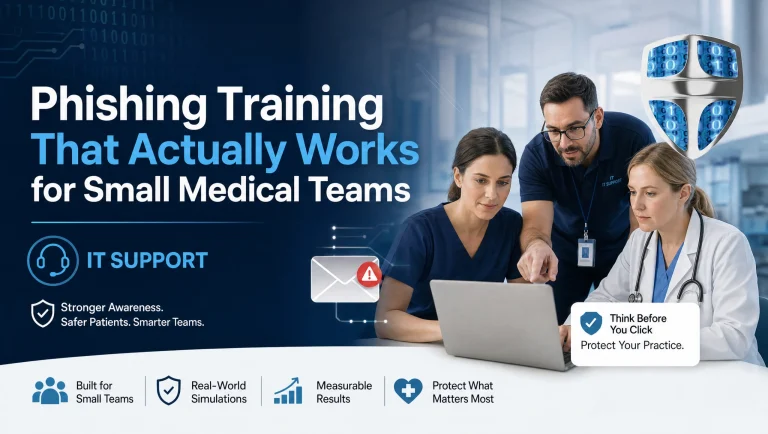
In addition to restoring data, it is imperative to conduct a comprehensive review of security protocols to prevent future attacks. This involves implementing robust cybersecurity measures, such as firewalls, intrusion detection systems, and endpoint protection solutions. Regularly updating software and operating systems is vital to patch vulnerabilities that ransomware can exploit. Furthermore, educating employees about the dangers of phishing emails and suspicious links can help reduce the risk of ransomware infiltration.
Moreover, developing a detailed incident response plan is essential for minimizing the impact of future attacks. This plan should outline the steps to be taken in the event of a ransomware incident, including communication strategies, roles and responsibilities, and recovery procedures. Regularly testing and updating the incident response plan ensures its effectiveness and prepares the organization to respond swiftly and efficiently.
In conclusion, while ransomware attacks pose a significant threat to data security, understanding the steps for recovery and prevention can mitigate their impact. By assessing the extent of the attack, removing the ransomware, and restoring data from secure backups, organizations can recover from such incidents with minimal disruption. Furthermore, implementing robust cybersecurity measures and developing a comprehensive incident response plan are crucial for preventing future attacks. Through these proactive measures, individuals and organizations can safeguard their data and maintain resilience in the face of evolving cyber threats.
Effective Cybersecurity Measures to Prevent Future Ransomware Attacks
Ransomware attacks have become a significant threat to individuals and organizations alike, causing substantial financial and data losses. As these attacks grow in sophistication, it is crucial to implement effective cybersecurity measures to prevent future incidents. The first step in safeguarding against ransomware is to ensure that all software and systems are up to date. Regularly updating operating systems, applications, and security software helps close vulnerabilities that cybercriminals often exploit. By maintaining a robust patch management process, organizations can significantly reduce the risk of ransomware infiltration.
In addition to keeping software updated, implementing a comprehensive backup strategy is essential. Regularly backing up data ensures that, in the event of a ransomware attack, critical information can be restored without succumbing to the attackers’ demands. It is advisable to follow the 3-2-1 backup rule: maintain three copies of data, store them on two different media, and keep one copy offsite. This approach not only provides redundancy but also ensures that backups are available even if one storage medium is compromised.
Moreover, educating employees about cybersecurity best practices is a vital component of ransomware prevention. Human error is often the weakest link in security defenses, making it imperative to conduct regular training sessions. These sessions should cover topics such as recognizing phishing emails, avoiding suspicious links, and understanding the importance of strong, unique passwords. By fostering a culture of cybersecurity awareness, organizations can empower their employees to act as the first line of defense against ransomware attacks.
Furthermore, implementing network segmentation can significantly enhance an organization’s security posture. By dividing a network into smaller, isolated segments, the spread of ransomware can be contained, limiting its impact. This approach ensures that even if one segment is compromised, the rest of the network remains secure. Additionally, employing firewalls and intrusion detection systems can help monitor and control incoming and outgoing network traffic, further protecting against unauthorized access.
Another critical measure is the use of multi-factor authentication (MFA). MFA adds an extra layer of security by requiring users to provide two or more verification factors to gain access to a system. This makes it more difficult for attackers to gain unauthorized access, even if they have obtained a user’s password. Implementing MFA across all systems and applications can significantly reduce the risk of ransomware attacks.
Moreover, organizations should consider deploying endpoint protection solutions that offer real-time threat detection and response capabilities. These solutions can identify and block ransomware before it has a chance to execute, providing an additional layer of defense. By leveraging advanced technologies such as machine learning and behavioral analysis, endpoint protection solutions can detect and mitigate threats more effectively.
Finally, developing and regularly testing an incident response plan is crucial for minimizing the impact of a ransomware attack. This plan should outline the steps to be taken in the event of an attack, including communication protocols, roles and responsibilities, and recovery procedures. By conducting regular drills and simulations, organizations can ensure that their response teams are well-prepared to handle a ransomware incident swiftly and effectively.
In conclusion, while ransomware attacks pose a significant threat, implementing a multi-layered cybersecurity strategy can help prevent future incidents. By keeping systems updated, educating employees, employing network segmentation, using multi-factor authentication, deploying endpoint protection, and developing a robust incident response plan, organizations can significantly enhance their resilience against ransomware attacks. Through these proactive measures, the risk of falling victim to ransomware can be greatly reduced, ensuring the security and integrity of critical data.
Business Continuity Planning: Ensuring Data Restoration After Cyber Attacks

In the ever-evolving landscape of cybersecurity threats, ransomware attacks have emerged as a formidable challenge for businesses worldwide. These malicious attacks can cripple an organization’s operations by encrypting critical data and demanding a ransom for its release. Consequently, business continuity planning has become an essential component of organizational strategy, focusing on ensuring data restoration and minimizing downtime after such cyber incidents. To effectively navigate the aftermath of a ransomware attack, businesses must adopt a comprehensive approach that encompasses immediate recovery steps and long-term preventive measures.
Initially, the primary focus should be on containing the attack to prevent further damage. This involves isolating affected systems from the network to halt the spread of the ransomware. By disconnecting infected devices, businesses can protect their remaining data and systems from being compromised. Simultaneously, it is crucial to notify relevant stakeholders, including IT teams and cybersecurity experts, to initiate a coordinated response. Engaging with law enforcement agencies can also provide valuable insights and assistance in dealing with the attack.
Once containment is achieved, attention must shift to data recovery. Organizations should leverage their backup systems to restore encrypted data. Regularly updated and securely stored backups are indispensable in this regard, as they provide a reliable means of recovering data without succumbing to ransom demands. It is essential to verify the integrity of backups before restoration to ensure that they are free from malware. In cases where backups are unavailable or compromised, businesses may need to explore data decryption tools or seek assistance from cybersecurity firms specializing in ransomware recovery.
While immediate recovery is vital, preventing future attacks is equally important. Implementing robust cybersecurity measures can significantly reduce the risk of ransomware incidents. This includes deploying advanced antivirus software, firewalls, and intrusion detection systems to safeguard networks and endpoints. Regular software updates and patch management are also critical, as they address vulnerabilities that ransomware can exploit. Furthermore, employee training and awareness programs play a pivotal role in fortifying an organization’s defenses. Educating staff about phishing scams, suspicious email attachments, and safe browsing practices can help prevent inadvertent malware downloads.
In addition to technical defenses, businesses should develop a comprehensive incident response plan. This plan should outline clear procedures for identifying, containing, and recovering from ransomware attacks. Regular drills and simulations can ensure that employees are well-prepared to execute the plan effectively. Moreover, organizations should consider investing in cyber insurance to mitigate financial losses associated with ransomware incidents. Cyber insurance can provide coverage for ransom payments, data recovery costs, and business interruption expenses, offering a safety net in the event of an attack.
As businesses strive to enhance their resilience against ransomware, collaboration and information sharing within the industry become paramount. Participating in threat intelligence networks and sharing insights about emerging threats can help organizations stay ahead of cybercriminals. By fostering a culture of collaboration, businesses can collectively strengthen their defenses and contribute to a safer digital ecosystem.
In conclusion, ransomware recovery and prevention require a multifaceted approach that combines immediate response strategies with long-term security enhancements. By prioritizing data restoration through reliable backups, implementing robust cybersecurity measures, and fostering a culture of awareness and collaboration, businesses can effectively navigate the challenges posed by ransomware attacks. Ultimately, a proactive and comprehensive business continuity plan is essential for ensuring data restoration and safeguarding organizational operations in the face of evolving cyber threats.
Malware Removal Techniques: Key Strategies for Ransomware Recovery
Ransomware attacks have become a prevalent threat in the digital landscape, causing significant disruptions to individuals and organizations alike. These malicious attacks encrypt valuable data, rendering it inaccessible until a ransom is paid. However, paying the ransom does not guarantee data recovery and may encourage further criminal activity. Therefore, understanding effective malware removal techniques is crucial for ransomware recovery and future prevention.
The first step in ransomware recovery is to isolate the infected system. Disconnecting the affected device from the network prevents the malware from spreading to other systems. This containment measure is essential to limit the scope of the attack and protect uninfected data. Once isolation is achieved, it is important to identify the type of ransomware involved. Different strains of ransomware may require specific decryption tools or methods for removal. Utilizing reputable cybersecurity resources can aid in identifying the ransomware variant and determining the appropriate course of action.
After identifying the ransomware, the next step is to remove the malware from the system. This process often involves using specialized anti-malware software designed to detect and eliminate ransomware. Running a full system scan with updated security software can help in identifying and removing malicious files. It is crucial to ensure that the anti-malware tools are from trusted sources to avoid further compromising the system. In some cases, manual removal may be necessary, which requires advanced technical knowledge and should be approached with caution.
Once the ransomware is removed, attention must turn to data recovery. If backups are available, restoring data from these backups is the most reliable method. Regularly scheduled backups stored offline or in secure cloud environments can significantly mitigate the impact of a ransomware attack. In the absence of backups, data recovery becomes more challenging. Some cybersecurity firms offer decryption services, but success is not guaranteed, especially with newer or more sophisticated ransomware strains.
Preventing future ransomware attacks is as important as recovery. Implementing robust cybersecurity measures can significantly reduce the risk of infection. Regularly updating software and operating systems is a fundamental step, as it patches vulnerabilities that ransomware can exploit. Additionally, employing strong, unique passwords and enabling multi-factor authentication adds an extra layer of security. Educating employees and users about phishing scams and safe online practices is also vital, as human error often plays a role in ransomware infections.
Moreover, investing in advanced security solutions such as intrusion detection systems and endpoint protection can provide real-time monitoring and threat detection. These tools can alert administrators to suspicious activities, allowing for swift action to prevent an attack. Regular security audits and vulnerability assessments can further strengthen an organization’s defenses by identifying and addressing potential weaknesses.
In conclusion, while ransomware attacks pose a significant threat, understanding and implementing effective malware removal techniques can aid in recovery and prevention. Isolating the infected system, identifying the ransomware, and removing the malware are critical steps in the recovery process. Data recovery is most successful with reliable backups, emphasizing the importance of regular data backup practices. To prevent future attacks, robust cybersecurity measures, user education, and advanced security solutions are essential. By adopting a proactive approach, individuals and organizations can better protect their data and minimize the impact of ransomware attacks.
Threat Prevention Tactics: Strengthening Your Defense Against Ransomware
In the ever-evolving landscape of cybersecurity, ransomware has emerged as a formidable threat, targeting individuals and organizations alike. As these malicious attacks become increasingly sophisticated, it is imperative to adopt robust threat prevention tactics to safeguard your data and ensure business continuity. Strengthening your defense against ransomware involves a multi-faceted approach that not only focuses on immediate recovery but also emphasizes long-term prevention strategies.
To begin with, understanding the nature of ransomware is crucial. Ransomware is a type of malicious software designed to encrypt files on a device, rendering them inaccessible until a ransom is paid. This can lead to significant financial losses and operational disruptions. Therefore, the first step in fortifying your defenses is to implement comprehensive data backup solutions. Regularly backing up data ensures that, in the event of an attack, you can restore your systems to a pre-attack state without succumbing to the demands of cybercriminals. It is advisable to maintain both on-site and off-site backups, with the latter being stored in a secure, cloud-based environment. This dual approach not only provides redundancy but also protects against physical threats such as natural disasters.
In addition to robust backup strategies, maintaining up-to-date software is essential. Cybercriminals often exploit vulnerabilities in outdated software to gain unauthorized access to systems. By ensuring that all software, including operating systems and applications, is regularly updated with the latest security patches, you can close potential entry points for ransomware. Furthermore, employing advanced endpoint protection solutions can detect and neutralize threats before they infiltrate your network. These solutions often include features such as real-time threat detection, behavioral analysis, and machine learning capabilities, which collectively enhance your ability to thwart ransomware attacks.
Another critical component of ransomware prevention is employee education and awareness. Human error remains one of the most significant vulnerabilities in cybersecurity. Conducting regular training sessions to educate employees about the dangers of phishing emails, suspicious links, and other common attack vectors can significantly reduce the risk of a successful ransomware attack. Encouraging a culture of vigilance and promoting best practices, such as verifying the authenticity of emails and attachments, can empower employees to act as the first line of defense against cyber threats.
Moreover, implementing a robust access control policy is vital in minimizing the potential impact of a ransomware attack. By restricting user access to only the data and systems necessary for their roles, you can limit the spread of ransomware within your network. Employing multi-factor authentication (MFA) adds an additional layer of security, ensuring that even if credentials are compromised, unauthorized access is still thwarted.
Finally, developing a comprehensive incident response plan is essential for minimizing downtime and ensuring a swift recovery in the event of an attack. This plan should outline the steps to be taken immediately following a ransomware incident, including isolating affected systems, notifying relevant stakeholders, and engaging with cybersecurity experts to assess and mitigate the damage. Regularly testing and updating this plan ensures that your organization is prepared to respond effectively to any ransomware threat.
In conclusion, while the threat of ransomware is ever-present, adopting a proactive and comprehensive approach to threat prevention can significantly reduce your risk of falling victim to an attack. By implementing robust backup solutions, maintaining up-to-date software, educating employees, enforcing strict access controls, and developing a thorough incident response plan, you can strengthen your defenses and safeguard your data against the pervasive threat of ransomware.
Take control of your data security today! Discover essential steps for ransomware recovery and learn how to safeguard against future attacks. [Learn more](https://comptss.com)