Ransomware Recovery: Best Practices for Disaster Planning
Ransomware attacks have become a prevalent threat in the digital landscape, posing significant risks to organizations of all sizes. As these malicious attacks continue to evolve in complexity and frequency, it is imperative for businesses to develop robust disaster recovery plans to mitigate potential damages. Effective ransomware recovery strategies are essential to ensure business continuity and protect sensitive data from being compromised. By understanding best practices for disaster planning, organizations can better prepare for and respond to ransomware incidents.
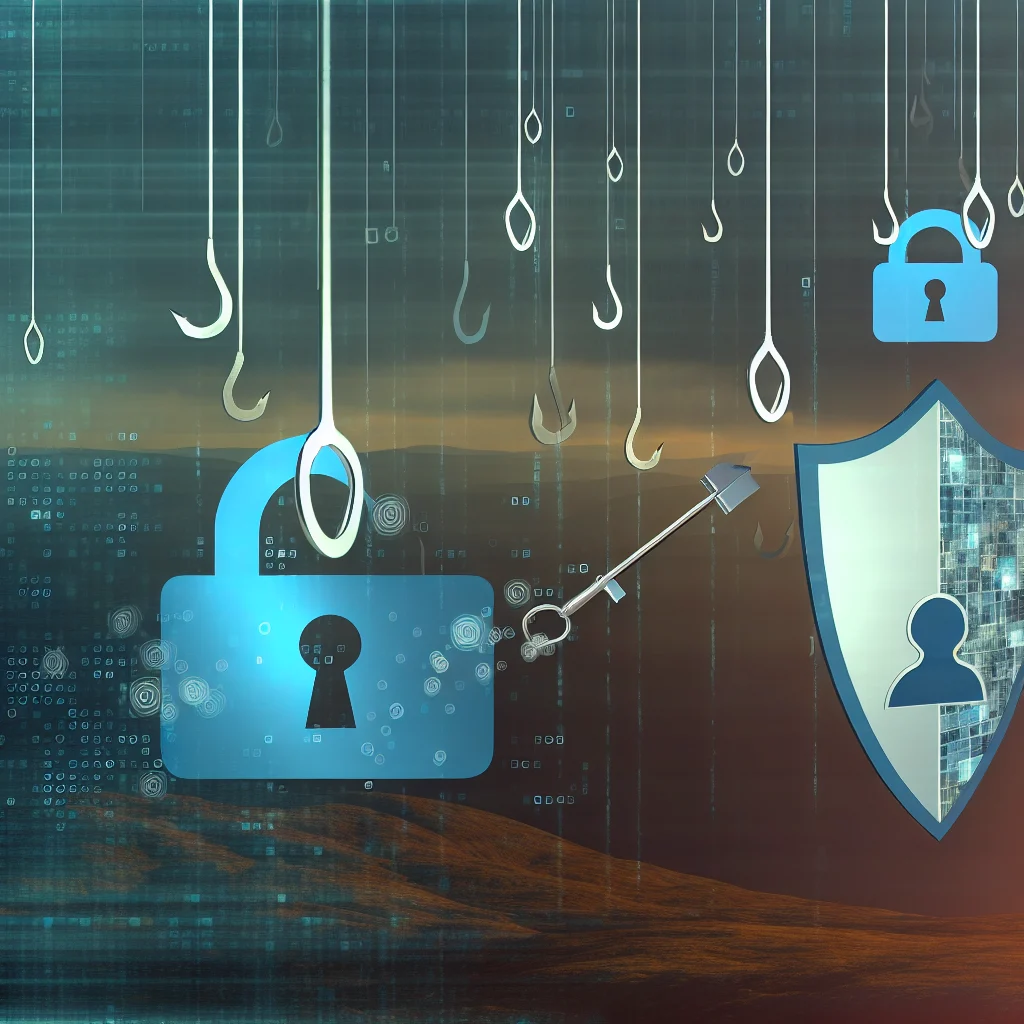
To begin with, a comprehensive disaster recovery plan should be established, encompassing all critical aspects of the organization’s operations. This plan should include a detailed assessment of potential vulnerabilities and the implementation of preventive measures to reduce the risk of ransomware infiltration. Regularly updating and patching software, employing advanced security solutions, and conducting employee training on recognizing phishing attempts are fundamental steps in fortifying an organization’s defenses against ransomware attacks.
In addition to preventive measures, it is crucial to have a well-defined incident response plan in place. This plan should outline the specific actions to be taken in the event of a ransomware attack, including the roles and responsibilities of each team member involved in the response process. By having a clear and structured approach, organizations can minimize confusion and ensure a swift and coordinated response to the incident.
Moreover, data backup is a critical component of any ransomware recovery strategy. Regularly backing up data ensures that, in the event of an attack, organizations can restore their systems to a pre-attack state without succumbing to the demands of cybercriminals. It is advisable to follow the 3-2-1 backup rule: maintain at least three copies of data, store them on two different media, and keep one copy offsite. This approach provides a robust safeguard against data loss and facilitates a quicker recovery process.
Furthermore, testing the disaster recovery plan is essential to ensure its effectiveness. Conducting regular drills and simulations allows organizations to identify potential weaknesses and areas for improvement. These exercises also help to familiarize employees with the recovery procedures, ensuring that they are well-prepared to execute the plan efficiently when needed. By continuously refining the disaster recovery plan, organizations can enhance their resilience against ransomware attacks.
Communication is another vital aspect of ransomware recovery. In the aftermath of an attack, it is important to maintain transparent communication with stakeholders, including employees, customers, and partners. Providing timely updates on the situation and the steps being taken to resolve it can help maintain trust and confidence in the organization. Additionally, collaborating with law enforcement and cybersecurity experts can provide valuable insights and assistance in mitigating the impact of the attack.
Finally, learning from past incidents is crucial for improving future ransomware recovery efforts. Conducting a thorough post-incident analysis can help organizations understand the root causes of the attack and identify areas for improvement in their security posture. By applying these lessons learned, organizations can strengthen their defenses and reduce the likelihood of future ransomware incidents.
In conclusion, ransomware recovery requires a proactive and comprehensive approach to disaster planning. By implementing best practices such as preventive measures, incident response planning, data backup, regular testing, effective communication, and continuous improvement, organizations can enhance their resilience against ransomware attacks. As the threat landscape continues to evolve, staying informed and prepared is essential to safeguarding valuable data and ensuring business continuity.
Effective Malware Detection Strategies in Ransomware Recovery
Ransomware attacks have become a prevalent threat in the digital landscape, posing significant challenges to organizations worldwide. As these malicious attacks continue to evolve in complexity and frequency, the importance of effective malware detection strategies in ransomware recovery cannot be overstated. The ability to swiftly identify and mitigate ransomware threats is crucial in minimizing damage and ensuring a swift recovery process. Consequently, organizations must adopt a multi-layered approach to malware detection, integrating advanced technologies and best practices to safeguard their digital assets.
To begin with, the implementation of robust endpoint protection solutions is a fundamental step in detecting ransomware. These solutions, equipped with real-time monitoring capabilities, can identify suspicious activities and anomalies indicative of ransomware attacks. By leveraging machine learning algorithms and behavioral analysis, endpoint protection tools can detect previously unknown threats, thereby enhancing an organization’s ability to respond promptly. Furthermore, these tools often include features such as sandboxing, which allows for the safe execution of potentially malicious files in a controlled environment, providing valuable insights into their behavior without risking system integrity.
In addition to endpoint protection, network traffic analysis plays a pivotal role in ransomware detection. By monitoring network traffic patterns, organizations can identify unusual data flows and communication with known malicious domains. This proactive approach enables the early detection of ransomware activities, allowing for timely intervention before significant damage occurs. Network traffic analysis tools can also help in identifying lateral movement within the network, a common tactic used by ransomware to spread across systems. By detecting these movements, organizations can isolate affected systems and prevent further propagation of the malware.
Moreover, the integration of threat intelligence feeds into security operations is essential for enhancing ransomware detection capabilities. Threat intelligence provides organizations with up-to-date information on emerging threats, attack vectors, and indicators of compromise. By incorporating this intelligence into their security infrastructure, organizations can stay ahead of potential ransomware attacks and adjust their defenses accordingly. This proactive stance not only aids in detection but also strengthens the overall security posture, making it more resilient against future threats.
Another critical aspect of effective malware detection is the regular updating and patching of software and systems. Ransomware often exploits known vulnerabilities in outdated software to gain access to systems. By ensuring that all software and systems are up-to-date with the latest security patches, organizations can significantly reduce their attack surface. This practice, combined with regular vulnerability assessments, helps in identifying and addressing potential weaknesses before they can be exploited by ransomware.
Furthermore, employee education and awareness are indispensable components of a comprehensive ransomware detection strategy. Human error remains a significant factor in the success of ransomware attacks, often through phishing emails or malicious downloads. By conducting regular training sessions and simulations, organizations can equip their employees with the knowledge and skills needed to recognize and respond to potential threats. This not only reduces the likelihood of successful attacks but also fosters a culture of security awareness within the organization.
In conclusion, effective malware detection strategies are integral to successful ransomware recovery. By adopting a multi-faceted approach that includes endpoint protection, network traffic analysis, threat intelligence integration, regular software updates, and employee education, organizations can enhance their ability to detect and respond to ransomware threats. As the digital landscape continues to evolve, staying vigilant and proactive in the face of ransomware is essential for safeguarding organizational assets and ensuring business continuity.
Incident Response: A Critical Component of Ransomware Recovery
In the ever-evolving landscape of cybersecurity threats, ransomware has emerged as one of the most formidable challenges faced by organizations worldwide. As these malicious attacks continue to grow in sophistication and frequency, the importance of a robust incident response plan cannot be overstated. Incident response serves as a critical component of ransomware recovery, providing a structured approach to managing and mitigating the impact of such attacks. By understanding the essential elements of an effective incident response strategy, organizations can better prepare themselves to navigate the complexities of ransomware recovery.
To begin with, the foundation of any successful incident response plan lies in preparation. This involves establishing a dedicated incident response team composed of skilled professionals who are well-versed in cybersecurity protocols and practices. These individuals should be equipped with the necessary tools and resources to detect, analyze, and respond to ransomware incidents swiftly. Moreover, regular training and simulation exercises are crucial to ensure that the team remains adept at handling real-world scenarios. By fostering a culture of preparedness, organizations can significantly reduce the time taken to identify and contain ransomware threats.
Once an incident is detected, the next step in the response process is containment. This phase involves isolating affected systems to prevent the spread of ransomware across the network. Quick and decisive action is paramount, as delays can exacerbate the damage inflicted by the attack. Implementing network segmentation and access controls can aid in limiting the lateral movement of ransomware, thereby safeguarding critical assets. Additionally, maintaining up-to-date backups and ensuring their integrity is vital, as these can serve as a lifeline for data recovery in the aftermath of an attack.
Following containment, the focus shifts to eradication and recovery. Eradication entails removing the ransomware from infected systems, which may involve deploying specialized tools or restoring systems from clean backups. It is essential to conduct a thorough investigation to identify the root cause of the breach and address any vulnerabilities that may have been exploited. This step not only aids in recovery but also fortifies the organization against future attacks. Concurrently, recovery efforts should prioritize the restoration of normal operations, ensuring that business continuity is maintained with minimal disruption.
Communication plays a pivotal role throughout the incident response process. Transparent and timely communication with stakeholders, including employees, customers, and regulatory bodies, is essential to manage expectations and maintain trust. Organizations should have predefined communication protocols in place to disseminate information effectively and avoid misinformation. Furthermore, engaging with law enforcement and cybersecurity experts can provide valuable insights and support during the recovery phase.
In the aftermath of a ransomware incident, it is imperative to conduct a post-incident review. This involves analyzing the response efforts to identify strengths and areas for improvement. Lessons learned from the incident should be documented and integrated into the organization’s incident response plan, ensuring that future responses are more efficient and effective. Continuous improvement is key to staying ahead of the ever-evolving threat landscape.
In conclusion, incident response is an indispensable component of ransomware recovery, providing a structured framework for managing and mitigating the impact of attacks. By prioritizing preparation, containment, eradication, recovery, and communication, organizations can enhance their resilience against ransomware threats. As cybercriminals continue to refine their tactics, a proactive and adaptive incident response strategy will remain a critical asset in safeguarding organizational assets and maintaining business continuity.
Strengthening Phishing Defense to Aid Ransomware Recovery
In the ever-evolving landscape of cybersecurity threats, ransomware remains a formidable adversary for organizations worldwide. As businesses strive to bolster their defenses against such attacks, one critical area that demands attention is the strengthening of phishing defenses. Phishing, a common precursor to ransomware attacks, often serves as the entry point for malicious actors seeking to infiltrate an organization’s network. Therefore, enhancing phishing defenses is not only a proactive measure but also a crucial component of an effective ransomware recovery strategy.
To begin with, it is essential to understand the role phishing plays in facilitating ransomware attacks. Phishing schemes typically involve deceptive emails or messages that trick recipients into divulging sensitive information or clicking on malicious links. Once the attacker gains access, they can deploy ransomware, encrypting the organization’s data and demanding a ransom for its release. Consequently, by fortifying defenses against phishing, organizations can significantly reduce the likelihood of a ransomware attack taking root.
One effective approach to strengthening phishing defenses is through comprehensive employee training programs. Employees are often the first line of defense against phishing attempts, and their ability to recognize and respond to suspicious communications is paramount. Regular training sessions can educate staff on identifying phishing emails, understanding the tactics used by cybercriminals, and knowing the appropriate actions to take when encountering potential threats. By fostering a culture of vigilance and awareness, organizations can empower their workforce to act as a robust barrier against phishing attacks.
In addition to training, implementing advanced email filtering technologies can further enhance an organization’s phishing defenses. These technologies utilize machine learning algorithms and threat intelligence to identify and block phishing emails before they reach employees’ inboxes. By analyzing email content, sender reputation, and other indicators, these systems can effectively filter out malicious communications, thereby reducing the risk of a successful phishing attempt. Moreover, integrating these technologies with existing security infrastructure ensures a multi-layered defense strategy that is more resilient to evolving threats.
Furthermore, organizations should consider adopting a zero-trust approach to network security. This model operates on the principle of “never trust, always verify,” requiring continuous authentication and authorization of users and devices attempting to access the network. By implementing strict access controls and monitoring user activity, organizations can limit the potential damage caused by a successful phishing attack. Even if an attacker gains initial access, the zero-trust model minimizes their ability to move laterally within the network, thereby containing the threat and aiding in ransomware recovery efforts.
Moreover, regular security assessments and penetration testing can help identify vulnerabilities in an organization’s defenses. By simulating phishing attacks and other cyber threats, these assessments provide valuable insights into potential weaknesses and areas for improvement. Addressing these vulnerabilities promptly not only strengthens phishing defenses but also enhances the overall security posture of the organization, making it more resilient to ransomware attacks.
In conclusion, while ransomware recovery is a complex and multifaceted process, strengthening phishing defenses is a critical step in mitigating the risk of such attacks. By investing in employee training, leveraging advanced email filtering technologies, adopting a zero-trust security model, and conducting regular security assessments, organizations can create a robust defense against phishing attempts. This proactive approach not only reduces the likelihood of a successful ransomware attack but also enhances the organization’s ability to recover swiftly and effectively should an incident occur. As cyber threats continue to evolve, prioritizing phishing defense will remain an essential component of any comprehensive cybersecurity strategy.
The Role of Security Patches in Preventing Crypto Locker Attacks
Ransomware attacks have become a significant threat to organizations worldwide, with Crypto Locker being one of the most notorious variants. These attacks encrypt critical data, demanding a ransom for decryption keys, and can cause severe operational disruptions and financial losses. In this context, the role of security patches in preventing such attacks cannot be overstated. Security patches are updates provided by software vendors to fix vulnerabilities in their products. These vulnerabilities, if left unaddressed, can be exploited by cybercriminals to gain unauthorized access to systems and deploy ransomware like Crypto Locker.
To understand the importance of security patches, it is essential to recognize how ransomware typically infiltrates systems. Cybercriminals often exploit known vulnerabilities in software applications or operating systems to deliver their malicious payloads. Once inside, the ransomware can spread rapidly across networks, encrypting files and demanding payment. Therefore, timely application of security patches is a critical defense mechanism against these attacks. By addressing vulnerabilities before they can be exploited, organizations can significantly reduce their risk of falling victim to ransomware.
Moreover, the process of patch management involves identifying, acquiring, testing, and installing patches to ensure that systems remain secure. This process is not only about applying patches as they become available but also about prioritizing them based on the severity of the vulnerabilities they address. For instance, a patch that fixes a critical vulnerability should be prioritized over one that addresses a less severe issue. This prioritization is crucial because it ensures that the most significant risks are mitigated first, thereby enhancing the overall security posture of the organization.
In addition to patch management, organizations should also consider implementing a comprehensive security strategy that includes regular system updates, employee training, and robust backup solutions. Regular updates ensure that all software components are up-to-date with the latest security enhancements. Employee training is vital because human error is often a significant factor in successful ransomware attacks. Educating employees about the risks of phishing emails and suspicious links can help prevent the initial entry of ransomware into the system. Furthermore, maintaining regular backups of critical data ensures that, in the event of an attack, organizations can restore their systems without succumbing to ransom demands.
While security patches play a crucial role in preventing ransomware attacks, it is important to acknowledge that they are not a panacea. Cybercriminals are constantly evolving their tactics, and new vulnerabilities are discovered regularly. Therefore, organizations must adopt a multi-layered security approach that includes not only patch management but also other protective measures such as firewalls, intrusion detection systems, and endpoint protection solutions. This layered approach provides multiple lines of defense, making it more difficult for attackers to succeed.
In conclusion, the role of security patches in preventing Crypto Locker and other ransomware attacks is indispensable. By addressing vulnerabilities promptly, organizations can significantly reduce their risk of being targeted. However, patch management should be part of a broader security strategy that includes regular updates, employee training, and robust backup solutions. By adopting a comprehensive and proactive approach to cybersecurity, organizations can better protect themselves against the ever-evolving threat of ransomware.
Unlock the secrets to effective ransomware recovery with our comprehensive guide, “Ransomware Insights: Ransomware Recovery (24).” Don’t wait until it’s too late—arm yourself with the knowledge to protect your data. Learn more now!