Understanding Access Control: The First Line of Defense in DLP Systems
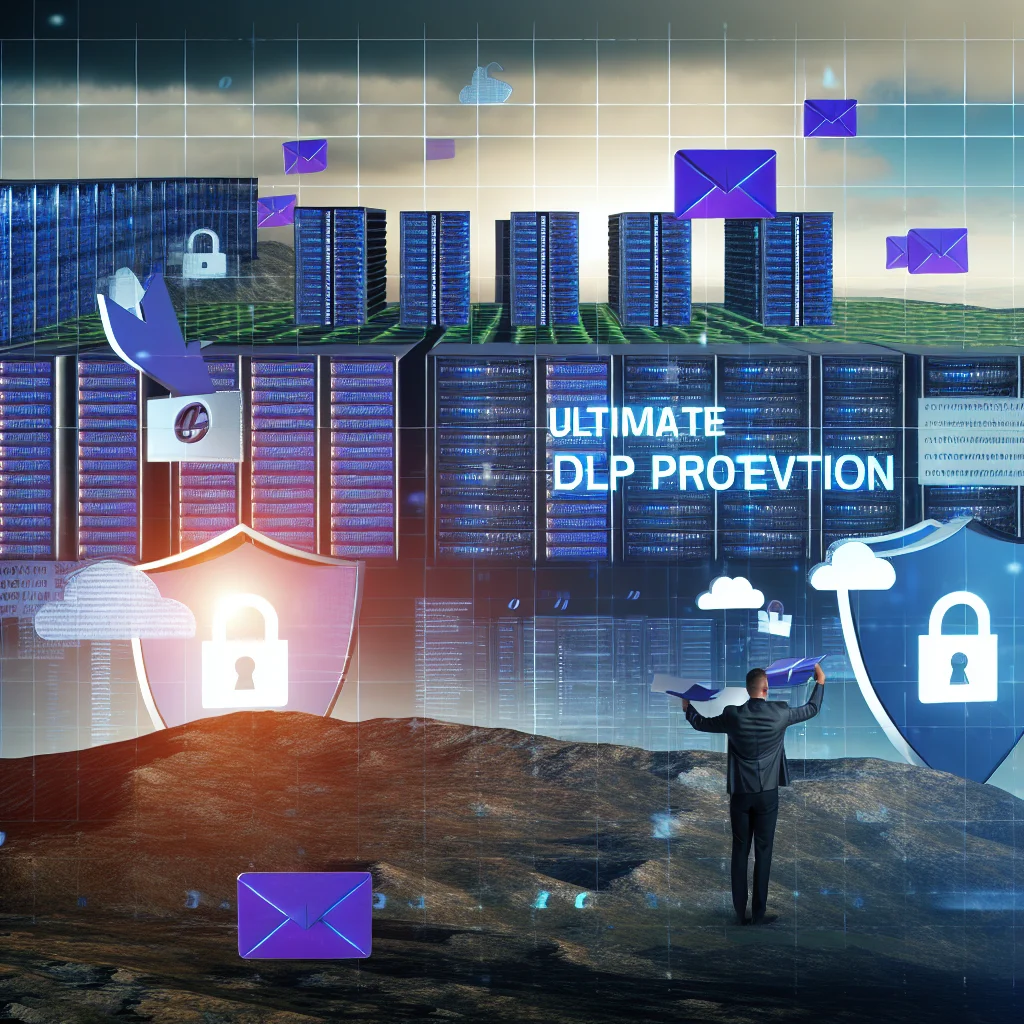
In the realm of data loss prevention (DLP) systems, understanding access control is paramount as it serves as the first line of defense against unauthorized data breaches. Access control mechanisms are designed to regulate who can view or use resources in a computing environment, thereby playing a crucial role in safeguarding sensitive information. As organizations increasingly rely on digital data, the importance of robust access control measures cannot be overstated. These measures ensure that only authorized individuals have access to specific data, thereby minimizing the risk of data leaks and unauthorized access.
To comprehend the significance of access control within DLP systems, it is essential to explore the various types of access control models. Primarily, there are three widely recognized models: discretionary access control (DAC), mandatory access control (MAC), and role-based access control (RBAC). Each model offers distinct advantages and is suited to different organizational needs. Discretionary access control allows data owners to determine who can access their data, providing flexibility but also requiring vigilant management to prevent unauthorized access. In contrast, mandatory access control is more rigid, with access rights determined by a central authority based on predefined policies, making it ideal for environments where security is paramount. Role-based access control, on the other hand, assigns access rights based on user roles within an organization, streamlining the process and reducing the potential for human error.
Transitioning from the theoretical framework to practical application, implementing effective access control requires a comprehensive understanding of an organization’s data landscape. This involves identifying sensitive data, classifying it according to its level of sensitivity, and determining the appropriate access control measures for each category. By doing so, organizations can ensure that their DLP systems are tailored to their specific needs, thereby enhancing their overall security posture. Moreover, regular audits and reviews of access control policies are essential to adapt to evolving threats and organizational changes.
In addition to selecting the appropriate access control model, organizations must also consider the integration of access control with other security measures. For instance, combining access control with encryption can provide an additional layer of security, ensuring that even if data is accessed by unauthorized individuals, it remains unreadable. Furthermore, the implementation of multi-factor authentication (MFA) can significantly enhance access control by requiring users to provide multiple forms of verification before gaining access to sensitive data.
As technology continues to evolve, so too do the methods employed by malicious actors seeking to exploit vulnerabilities in access control systems. Consequently, organizations must remain vigilant and proactive in their approach to access control. This includes staying informed about the latest developments in access control technologies and best practices, as well as investing in ongoing training for employees to ensure they understand the importance of adhering to access control policies.
In conclusion, access control is a fundamental component of data loss prevention systems, serving as the first line of defense against unauthorized data breaches. By understanding the different access control models and their applications, organizations can implement tailored solutions that effectively protect their sensitive data. Moreover, by integrating access control with other security measures and remaining vigilant in the face of evolving threats, organizations can significantly enhance their data security posture. As the digital landscape continues to expand, the importance of robust access control measures will only continue to grow, underscoring the need for organizations to prioritize this critical aspect of their DLP strategies.
Effective Backup Strategies to Complement DLP Systems
In the rapidly evolving landscape of digital information, the importance of safeguarding sensitive data cannot be overstated. Data Loss Prevention (DLP) systems have emerged as a critical component in the arsenal of cybersecurity measures, designed to detect and prevent data breaches by monitoring and controlling data transfers. However, while DLP systems are instrumental in protecting data from unauthorized access and leaks, they are not infallible. To bolster the effectiveness of DLP systems, organizations must implement robust backup strategies that ensure data integrity and availability in the event of a failure or breach.
One of the primary reasons for integrating effective backup strategies with DLP systems is to mitigate the risk of data loss due to unforeseen circumstances. Despite the advanced capabilities of DLP systems, they may not always prevent data loss resulting from hardware failures, natural disasters, or cyberattacks such as ransomware. In such scenarios, having a comprehensive backup strategy ensures that data can be restored to its original state, minimizing downtime and operational disruptions. Consequently, organizations can maintain business continuity and protect their reputation by ensuring that critical data is always recoverable.
Moreover, backup strategies complement DLP systems by providing an additional layer of security. While DLP systems focus on preventing unauthorized data access and exfiltration, backups serve as a safety net, preserving data integrity and availability. This dual approach is particularly important in the context of ransomware attacks, where malicious actors encrypt data and demand a ransom for its release. With a reliable backup in place, organizations can restore their data without succumbing to extortion, thereby thwarting the attackers’ objectives and reducing the financial impact of such incidents.
In addition to enhancing security, effective backup strategies also facilitate compliance with regulatory requirements. Many industries are subject to stringent data protection regulations that mandate the implementation of both DLP systems and data backup solutions. By adhering to these regulations, organizations not only avoid potential legal penalties but also demonstrate their commitment to safeguarding sensitive information. This compliance is crucial in building trust with customers and stakeholders, who expect organizations to prioritize data protection and privacy.
To develop an effective backup strategy that complements DLP systems, organizations should consider several key factors. First, it is essential to determine the appropriate backup frequency and retention policies based on the organization’s specific needs and risk profile. Regular backups ensure that data is consistently protected, while retention policies dictate how long backups are stored, balancing the need for data availability with storage costs. Additionally, organizations should employ a combination of on-site and off-site backups to protect against localized disasters and ensure data redundancy.
Furthermore, testing and validation of backup processes are critical to ensuring their reliability. Regular testing allows organizations to identify and address potential issues before they impact data recovery efforts. By simulating various disaster scenarios, organizations can evaluate the effectiveness of their backup strategies and make necessary adjustments to improve resilience.
In conclusion, while DLP systems play a vital role in preventing data breaches, they must be complemented by effective backup strategies to ensure comprehensive data protection. By integrating these two approaches, organizations can safeguard their data against a wide range of threats, maintain compliance with regulatory requirements, and enhance their overall cybersecurity posture. As the digital landscape continues to evolve, the synergy between DLP systems and backup strategies will remain a cornerstone of effective data protection.
Enhancing Email Protection with Advanced DLP Systems
In today’s digital age, the protection of sensitive information has become a paramount concern for organizations across the globe. As businesses increasingly rely on electronic communication, particularly email, to conduct their operations, the risk of data breaches and unauthorized access to confidential information has escalated. Consequently, the implementation of advanced Data Loss Prevention (DLP) systems has emerged as a critical strategy for enhancing email protection and safeguarding sensitive data.
DLP systems are designed to detect and prevent the unauthorized transmission of sensitive information outside an organization’s network. By employing sophisticated algorithms and machine learning techniques, these systems can identify and mitigate potential data breaches before they occur. One of the primary functions of DLP systems is to monitor email communications for any signs of data leakage. This involves scanning outgoing emails for sensitive content, such as personal identification numbers, financial information, or proprietary business data, and taking appropriate action to prevent unauthorized dissemination.
The integration of DLP systems into email platforms offers several advantages. Firstly, it provides organizations with the ability to enforce data protection policies consistently across all email communications. By establishing predefined rules and policies, organizations can ensure that sensitive information is handled appropriately and in compliance with regulatory requirements. This not only helps in preventing data breaches but also aids in maintaining the organization’s reputation and trustworthiness.
Moreover, advanced DLP systems offer real-time monitoring and alerting capabilities, enabling organizations to respond swiftly to potential threats. When a potential data breach is detected, the system can automatically trigger alerts to the relevant security personnel, allowing them to take immediate action. This proactive approach significantly reduces the time between the detection of a threat and its resolution, thereby minimizing the potential damage caused by data breaches.
In addition to monitoring and alerting, DLP systems can also provide detailed reports and analytics on email communications. These insights enable organizations to identify patterns and trends in data usage, helping them to understand potential vulnerabilities and areas for improvement. By analyzing this data, organizations can refine their data protection strategies and enhance their overall security posture.
Furthermore, the implementation of DLP systems can foster a culture of security awareness within an organization. By educating employees about the importance of data protection and the role of DLP systems, organizations can encourage responsible behavior and reduce the likelihood of accidental data breaches. Training programs and awareness campaigns can be instrumental in reinforcing the significance of adhering to data protection policies and understanding the potential consequences of non-compliance.
However, it is important to recognize that while DLP systems are a powerful tool for enhancing email protection, they are not a panacea. Organizations must adopt a holistic approach to data security, integrating DLP systems with other security measures such as encryption, multi-factor authentication, and regular security audits. By doing so, they can create a robust security framework that addresses the multifaceted nature of data protection.
In conclusion, the integration of advanced DLP systems into email platforms represents a significant step forward in enhancing email protection and safeguarding sensitive information. By providing real-time monitoring, enforcing data protection policies, and fostering a culture of security awareness, DLP systems play a crucial role in mitigating the risks associated with data breaches. As organizations continue to navigate the complexities of the digital landscape, the adoption of comprehensive DLP solutions will be essential in ensuring the confidentiality, integrity, and availability of their critical data assets.
Preventing Data Breaches: The Role of Encryption in DLP Systems
In the contemporary digital landscape, the protection of sensitive information has become a paramount concern for organizations across various sectors. As data breaches continue to pose significant threats, the implementation of robust Data Loss Prevention (DLP) systems has emerged as a critical strategy for safeguarding valuable data assets. Among the myriad of techniques employed within DLP systems, encryption stands out as a fundamental component, playing a pivotal role in preventing unauthorized access and ensuring data integrity.
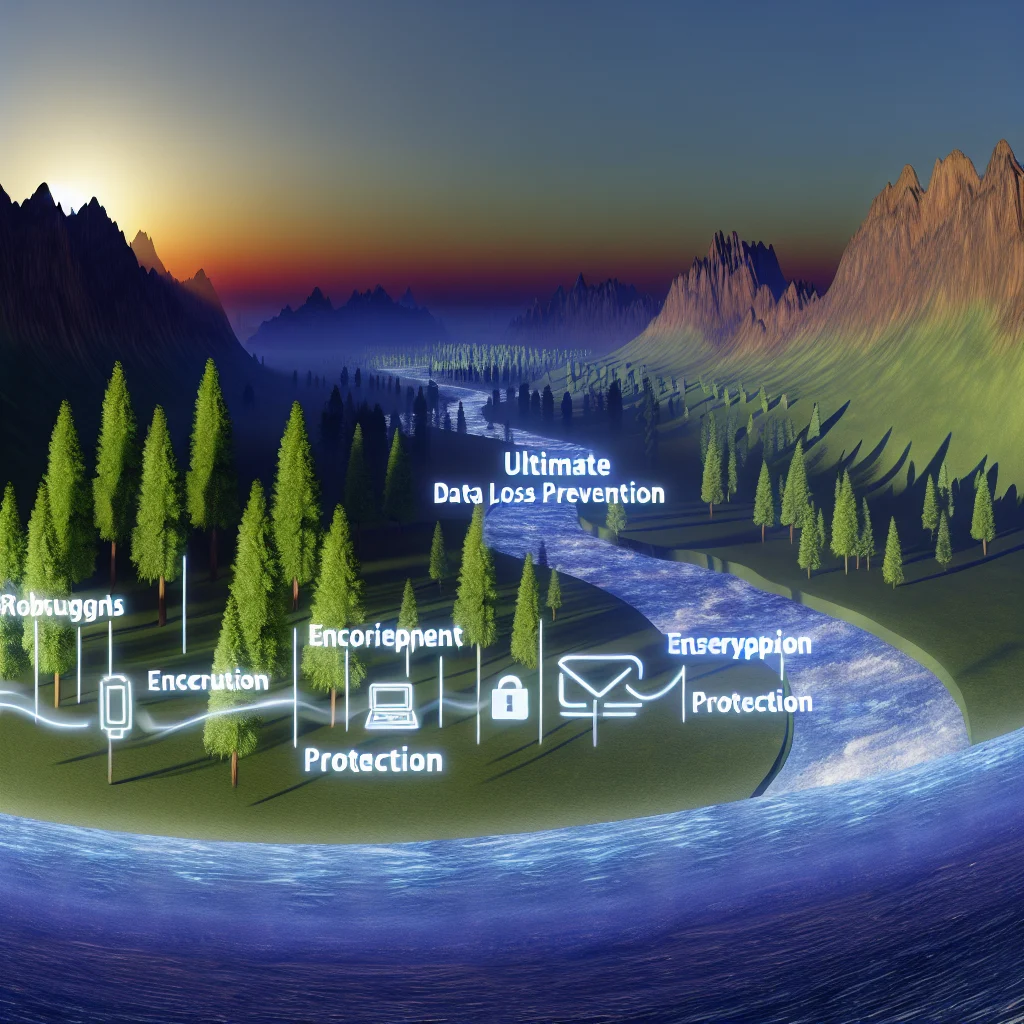
Encryption, at its core, involves the conversion of data into a coded format that is unreadable to unauthorized users. This process ensures that even if data is intercepted or accessed by malicious actors, it remains unintelligible without the appropriate decryption key. Consequently, encryption serves as a formidable barrier against data breaches, providing an additional layer of security that complements other DLP measures. By integrating encryption into DLP systems, organizations can effectively mitigate the risks associated with data exposure and unauthorized access.
One of the primary advantages of encryption within DLP systems is its ability to protect data both at rest and in transit. Data at rest refers to information that is stored on devices or servers, while data in transit pertains to data being transmitted across networks. Encryption ensures that sensitive information remains secure regardless of its state, thereby reducing the likelihood of data breaches occurring during storage or transmission. This dual protection is particularly crucial in an era where remote work and cloud computing have become prevalent, as data is frequently accessed and shared across various platforms and devices.
Moreover, encryption enhances compliance with regulatory requirements and industry standards. Many regulations, such as the General Data Protection Regulation (GDPR) and the Health Insurance Portability and Accountability Act (HIPAA), mandate the use of encryption to protect sensitive data. By incorporating encryption into their DLP systems, organizations can demonstrate their commitment to data protection and regulatory compliance, thereby avoiding potential legal repercussions and reputational damage. This alignment with regulatory standards not only safeguards the organization but also fosters trust among clients and stakeholders.
In addition to regulatory compliance, encryption within DLP systems offers a strategic advantage by enabling organizations to maintain control over their data. Through the use of encryption keys, organizations can dictate who has access to specific information, thereby ensuring that only authorized personnel can decrypt and view sensitive data. This level of control is essential in preventing insider threats, which have become increasingly prevalent in recent years. By restricting access to critical data, organizations can minimize the risk of internal data breaches and maintain the confidentiality of their information.
While encryption is undeniably a powerful tool in the arsenal of DLP systems, it is important to recognize that it is not a standalone solution. Effective data protection requires a comprehensive approach that combines encryption with other security measures, such as access controls, monitoring, and incident response protocols. By adopting a holistic strategy, organizations can create a robust defense against data breaches and ensure the continued security of their sensitive information.
In conclusion, encryption plays an indispensable role in the prevention of data breaches within DLP systems. By safeguarding data at rest and in transit, ensuring regulatory compliance, and maintaining control over sensitive information, encryption provides a critical layer of protection that is essential in today’s digital age. As organizations continue to navigate the complexities of data security, the integration of encryption into DLP systems will remain a cornerstone of effective data loss prevention strategies.
Navigating Compliance Tools: Ensuring Your DLP Systems Meet Regulatory Standards
In today’s digital landscape, the importance of Data Loss Prevention (DLP) systems cannot be overstated, particularly as organizations strive to navigate the complex web of regulatory standards. As data breaches become increasingly sophisticated, ensuring that DLP systems are compliant with regulatory requirements is paramount. This not only protects sensitive information but also safeguards organizations from potential legal and financial repercussions. To achieve this, it is essential to understand the intricacies of compliance tools and how they can be effectively integrated into DLP systems.
Firstly, it is crucial to recognize that regulatory standards vary significantly across different regions and industries. For instance, the General Data Protection Regulation (GDPR) in the European Union imposes stringent requirements on data protection and privacy, while the Health Insurance Portability and Accountability Act (HIPAA) in the United States focuses on safeguarding medical information. Consequently, organizations must tailor their DLP systems to align with the specific regulations applicable to their operations. This involves a thorough assessment of the regulatory landscape and a clear understanding of the data types that require protection.
Once the regulatory requirements are identified, the next step is to implement compliance tools that can seamlessly integrate with existing DLP systems. These tools are designed to monitor, detect, and prevent unauthorized data access and transmission, thereby ensuring that sensitive information remains secure. Moreover, they provide organizations with the ability to generate detailed reports and audits, which are essential for demonstrating compliance to regulatory bodies. By leveraging these tools, organizations can maintain a proactive approach to data protection, rather than merely reacting to breaches after they occur.
In addition to implementing compliance tools, organizations must also focus on employee training and awareness. Human error remains one of the leading causes of data breaches, and even the most advanced DLP systems can be rendered ineffective if employees are not adequately informed about data protection practices. Regular training sessions and workshops can help employees understand the importance of compliance and the role they play in safeguarding sensitive information. Furthermore, fostering a culture of data protection within the organization can significantly enhance the effectiveness of DLP systems.
Another critical aspect of ensuring DLP systems meet regulatory standards is continuous monitoring and evaluation. The regulatory landscape is constantly evolving, with new standards and amendments being introduced regularly. As such, organizations must remain vigilant and adapt their DLP systems to accommodate these changes. This involves conducting regular audits and assessments to identify potential vulnerabilities and areas for improvement. By doing so, organizations can ensure that their DLP systems remain robust and compliant in the face of evolving regulatory requirements.
Finally, collaboration with external experts and consultants can provide valuable insights into best practices for compliance. These professionals possess a wealth of knowledge and experience in navigating regulatory standards and can offer tailored solutions to enhance the effectiveness of DLP systems. By engaging with external experts, organizations can gain a competitive edge in data protection and ensure that their DLP systems are not only compliant but also optimized for maximum efficiency.
In conclusion, navigating compliance tools to ensure DLP systems meet regulatory standards is a multifaceted process that requires a comprehensive understanding of the regulatory landscape, effective integration of compliance tools, employee training, continuous monitoring, and collaboration with external experts. By adopting a proactive and informed approach, organizations can safeguard their sensitive information, maintain compliance, and mitigate the risks associated with data breaches.
Unlock the full potential of your data security strategy with our comprehensive insights on Data Loss Prevention Systems. Discover how DLP systems can safeguard your sensitive information and enhance your organization’s resilience. Learn more now!