Ransomware Recovery: Best Practices for Modern IT Strategies
Ransomware attacks have become a formidable threat in the digital landscape, compelling organizations to adopt robust recovery strategies as part of their modern IT frameworks. As cybercriminals continue to refine their tactics, it is imperative for businesses to stay ahead by implementing best practices that not only mitigate the impact of such attacks but also ensure a swift recovery. Understanding the intricacies of ransomware recovery is crucial for maintaining operational continuity and safeguarding sensitive data.
To begin with, a comprehensive backup strategy is the cornerstone of any effective ransomware recovery plan. Regularly scheduled backups, stored in secure, offsite locations, provide a reliable means of restoring data without succumbing to ransom demands. It is essential to ensure that these backups are immutable and isolated from the main network to prevent them from being compromised during an attack. Moreover, testing the integrity and accessibility of backups through routine drills can significantly enhance an organization’s preparedness.
In addition to robust backup solutions, implementing a well-defined incident response plan is vital. This plan should outline clear roles and responsibilities, ensuring that all team members are aware of their duties in the event of a ransomware attack. By conducting regular training sessions and simulations, organizations can foster a culture of readiness, enabling swift and coordinated responses to incidents. Furthermore, maintaining open lines of communication with stakeholders, including employees, customers, and partners, is crucial for managing the reputational impact of an attack.
Another critical aspect of ransomware recovery is the deployment of advanced threat detection and prevention technologies. Utilizing tools such as endpoint detection and response (EDR) systems, intrusion detection systems (IDS), and artificial intelligence-driven analytics can help identify and neutralize threats before they escalate. These technologies not only enhance an organization’s ability to detect anomalies but also provide valuable insights into attack vectors, enabling more effective defenses in the future.
Moreover, collaboration with external cybersecurity experts can provide an additional layer of protection. Engaging with third-party specialists who possess the expertise and resources to handle complex ransomware incidents can be invaluable. These experts can offer guidance on the latest threat intelligence, assist in forensic investigations, and provide recommendations for strengthening security postures. By leveraging external knowledge, organizations can augment their internal capabilities and enhance their overall resilience.
Furthermore, it is essential to consider the legal and regulatory implications of ransomware recovery. Organizations must be aware of the data protection laws and compliance requirements relevant to their industry and jurisdiction. In the aftermath of an attack, timely reporting to regulatory bodies and affected individuals is often mandated. Legal counsel can provide guidance on navigating these obligations, ensuring that organizations remain compliant while minimizing potential liabilities.
In conclusion, ransomware recovery is a multifaceted endeavor that demands a proactive and comprehensive approach. By integrating best practices such as robust backup strategies, well-defined incident response plans, advanced threat detection technologies, collaboration with external experts, and adherence to legal requirements, organizations can fortify their defenses against ransomware attacks. As the threat landscape continues to evolve, staying informed and adaptable is paramount. By doing so, businesses can not only recover from ransomware incidents more effectively but also build a resilient IT infrastructure capable of withstanding future challenges.
Disaster Planning: Essential Steps for Effective Ransomware Recovery
In the ever-evolving landscape of cybersecurity threats, ransomware has emerged as a formidable adversary, posing significant challenges to organizations worldwide. As these malicious attacks become increasingly sophisticated, the importance of effective disaster planning for ransomware recovery cannot be overstated. Organizations must adopt comprehensive strategies to mitigate the impact of such incidents and ensure a swift return to normal operations. To this end, several essential steps can be taken to bolster an organization’s resilience against ransomware attacks.
First and foremost, a robust backup strategy is the cornerstone of any effective ransomware recovery plan. Regularly backing up critical data and systems ensures that, in the event of an attack, an organization can restore its operations with minimal disruption. It is crucial to store backups in a secure, offsite location, isolated from the primary network, to prevent them from being compromised during an attack. Additionally, testing these backups regularly is vital to ensure their integrity and reliability when needed most.
In conjunction with a solid backup strategy, organizations should implement a comprehensive incident response plan. This plan should outline clear procedures for identifying, containing, and eradicating ransomware threats. By establishing a well-defined chain of command and communication protocols, organizations can ensure a coordinated response, minimizing confusion and delays during a crisis. Regular training and simulation exercises can further enhance the effectiveness of the incident response plan, equipping employees with the knowledge and skills necessary to respond swiftly and efficiently.
Moreover, fostering a culture of cybersecurity awareness within the organization is essential. Employees are often the first line of defense against ransomware attacks, and their vigilance can significantly reduce the risk of a successful breach. Regular training sessions and awareness campaigns can educate staff about the latest threats and best practices for avoiding them. Encouraging a proactive approach to cybersecurity, where employees feel empowered to report suspicious activities, can further strengthen an organization’s defenses.
In addition to these internal measures, organizations should also consider leveraging external expertise. Engaging with cybersecurity professionals and consultants can provide valuable insights into the latest threat landscapes and emerging trends. These experts can assist in conducting thorough risk assessments, identifying vulnerabilities, and recommending tailored solutions to enhance an organization’s security posture. Furthermore, establishing relationships with law enforcement and industry peers can facilitate information sharing and collaboration, which are crucial in the fight against ransomware.
As technology continues to advance, so too do the tactics employed by cybercriminals. Therefore, organizations must remain vigilant and adaptable, continuously updating their disaster recovery plans to address new threats. This includes staying informed about the latest developments in ransomware and investing in cutting-edge security technologies. By adopting a proactive approach and embracing innovation, organizations can stay one step ahead of cybercriminals and safeguard their operations.
In conclusion, effective disaster planning for ransomware recovery is a multifaceted endeavor that requires a combination of strategic foresight, employee engagement, and external collaboration. By implementing a robust backup strategy, developing a comprehensive incident response plan, fostering a culture of cybersecurity awareness, and leveraging external expertise, organizations can significantly enhance their resilience against ransomware attacks. As the threat landscape continues to evolve, maintaining a proactive and adaptive approach will be key to ensuring the security and continuity of operations in the face of this ever-present danger.
Malware Detection Techniques: Strengthening Your Defense Against Ransomware
In the ever-evolving landscape of cybersecurity, ransomware remains a formidable threat, necessitating robust malware detection techniques to safeguard sensitive data and maintain operational integrity. As organizations increasingly rely on digital infrastructures, the sophistication of ransomware attacks has grown, making it imperative for IT professionals to adopt advanced strategies to detect and mitigate these threats effectively. By understanding the nuances of malware detection, organizations can strengthen their defenses and enhance their resilience against ransomware attacks.
To begin with, traditional signature-based detection methods, while still relevant, are no longer sufficient in isolation. These methods rely on identifying known malware signatures, which can be effective against previously encountered threats. However, the rapid evolution of ransomware variants often renders signature-based detection inadequate. Consequently, organizations must integrate heuristic analysis into their detection strategies. Heuristic analysis involves examining the behavior of files and programs to identify potentially malicious activities, even if the specific threat has not been previously cataloged. This proactive approach allows for the identification of new and emerging ransomware strains, thereby enhancing an organization’s ability to respond swiftly to potential threats.
In addition to heuristic analysis, anomaly-based detection plays a crucial role in modern malware detection techniques. This method involves establishing a baseline of normal network behavior and then monitoring for deviations that may indicate a ransomware attack. By leveraging machine learning algorithms, anomaly-based detection systems can continuously learn and adapt to the unique patterns of an organization’s network traffic. This adaptability is essential in identifying subtle changes that may signal the presence of ransomware, enabling IT teams to take preemptive action before significant damage occurs.
Moreover, the integration of artificial intelligence (AI) and machine learning into malware detection systems has revolutionized the way organizations approach ransomware defense. AI-driven solutions can analyze vast amounts of data in real-time, identifying patterns and anomalies that may elude human analysts. By automating the detection process, these systems not only increase efficiency but also reduce the likelihood of human error, which can be a critical factor in preventing ransomware attacks. Furthermore, AI can assist in predicting potential attack vectors, allowing organizations to fortify their defenses proactively.
Another essential component of a comprehensive malware detection strategy is the implementation of endpoint detection and response (EDR) solutions. EDR tools provide continuous monitoring and analysis of endpoint activities, enabling the rapid identification and containment of ransomware threats. By focusing on endpoints, which are often the initial targets of ransomware attacks, organizations can significantly reduce their risk exposure. Additionally, EDR solutions offer valuable insights into the nature and scope of an attack, facilitating more effective incident response and recovery efforts.
Finally, it is crucial for organizations to foster a culture of cybersecurity awareness among employees. Human error remains a significant vulnerability in the fight against ransomware, with phishing attacks being a common vector for malware delivery. Regular training and awareness programs can equip employees with the knowledge and skills necessary to recognize and respond to potential threats, thereby reducing the likelihood of successful ransomware attacks.
In conclusion, as ransomware continues to pose a significant threat to organizations worldwide, the adoption of advanced malware detection techniques is essential for strengthening defenses. By leveraging heuristic and anomaly-based detection methods, integrating AI and machine learning, implementing EDR solutions, and promoting cybersecurity awareness, organizations can enhance their resilience against ransomware attacks. Through these comprehensive strategies, IT professionals can ensure that their organizations remain vigilant and prepared in the face of an ever-evolving threat landscape.
Incident Response: Crafting a Robust Plan for Ransomware Attacks
In the ever-evolving landscape of cybersecurity threats, ransomware attacks have emerged as a formidable challenge for organizations worldwide. As these attacks grow in sophistication and frequency, the importance of having a robust incident response plan cannot be overstated. Crafting an effective plan requires a comprehensive understanding of the threat landscape, as well as a strategic approach to mitigate potential damages. To begin with, it is crucial to recognize that ransomware attacks are not merely technical issues but also business continuity threats. Therefore, an incident response plan must be integrated into the broader business strategy, ensuring that all stakeholders are aware of their roles and responsibilities.
A well-structured incident response plan should start with preparation, which involves identifying critical assets and data that need protection. This step is essential for prioritizing resources and efforts during an attack. Additionally, organizations should conduct regular risk assessments to understand their vulnerabilities and implement necessary security measures. Employee training is another vital component, as human error often serves as the entry point for ransomware. By educating staff on recognizing phishing attempts and other common attack vectors, organizations can significantly reduce their risk exposure.
Once the groundwork is laid, the next phase involves detection and analysis. Early detection is key to minimizing the impact of a ransomware attack. Implementing advanced monitoring tools and intrusion detection systems can help identify suspicious activities in real-time. When an attack is detected, a swift analysis is crucial to understand the scope and nature of the threat. This involves determining the type of ransomware, the extent of the infection, and the potential impact on operations. Having a dedicated incident response team in place ensures that these tasks are carried out efficiently and effectively.
Following detection and analysis, containment and eradication become the focus. The primary goal during this phase is to prevent the ransomware from spreading further within the network. Isolating affected systems and disconnecting them from the network can help achieve this. It is also important to preserve evidence for forensic analysis, which can provide insights into the attack and help prevent future incidents. Once containment is achieved, efforts should shift towards eradicating the ransomware from the affected systems. This may involve restoring systems from backups or using decryption tools, if available.
Recovery is the subsequent phase, where the emphasis is on restoring normal operations. This involves validating the integrity of restored data and systems, ensuring that no remnants of the ransomware remain. Communication is critical during this stage, both internally and externally. Keeping stakeholders informed about the recovery progress helps maintain trust and transparency. Additionally, organizations should review and update their incident response plan based on lessons learned from the attack, ensuring continuous improvement.
Finally, a robust incident response plan should include a post-incident review. This involves analyzing the entire response process to identify strengths and weaknesses. By understanding what worked well and what did not, organizations can refine their strategies and enhance their resilience against future attacks. In conclusion, crafting a robust incident response plan for ransomware attacks requires a holistic approach that encompasses preparation, detection, containment, recovery, and continuous improvement. By adopting modern IT strategies and fostering a culture of cybersecurity awareness, organizations can better protect themselves against the ever-present threat of ransomware.
Phishing Defense and Security Patches: Key Elements in Preventing Ransomware
In the ever-evolving landscape of cybersecurity, ransomware remains a formidable threat to organizations worldwide. As cybercriminals continue to refine their tactics, businesses must adopt comprehensive strategies to safeguard their digital assets. Among the myriad of defenses, phishing defense and timely security patches emerge as pivotal elements in preventing ransomware attacks. Understanding the significance of these components is crucial for organizations aiming to bolster their cybersecurity posture.
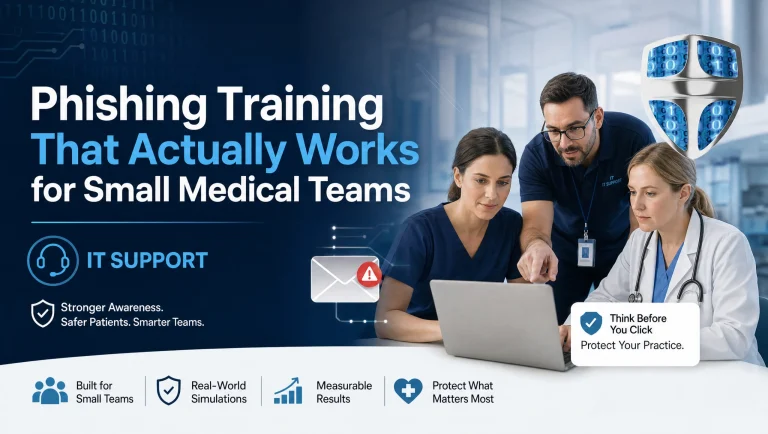
Phishing attacks serve as a primary vector for ransomware distribution, exploiting human vulnerabilities to gain unauthorized access to systems. These attacks often manifest as deceptive emails, masquerading as legitimate communications, which lure unsuspecting users into clicking malicious links or downloading harmful attachments. Once the user takes the bait, ransomware can infiltrate the network, encrypting critical data and demanding a ransom for its release. Consequently, implementing robust phishing defense mechanisms is essential. Organizations should invest in comprehensive training programs to educate employees about recognizing phishing attempts. By fostering a culture of vigilance, employees become the first line of defense, capable of identifying and reporting suspicious activities before they escalate into full-blown ransomware incidents.
In addition to employee training, deploying advanced email filtering solutions can significantly reduce the risk of phishing attacks. These solutions leverage machine learning algorithms to analyze email content, identifying and quarantining potential threats before they reach the end-user. By integrating such technologies, organizations can proactively mitigate the risk of ransomware infiltration through phishing vectors.
While phishing defense is critical, it is equally important to address vulnerabilities within the IT infrastructure. Cybercriminals often exploit unpatched software vulnerabilities to gain unauthorized access to systems. Therefore, maintaining an up-to-date patch management strategy is vital in preventing ransomware attacks. Organizations should establish a systematic approach to identify, prioritize, and deploy security patches across all systems and applications. This proactive stance ensures that known vulnerabilities are promptly addressed, reducing the attack surface available to cybercriminals.
Moreover, automated patch management tools can streamline the process, ensuring that patches are applied consistently and efficiently. These tools can also provide valuable insights into the patching status of various systems, enabling IT teams to identify and remediate any gaps in their security posture. By embracing automation, organizations can enhance their resilience against ransomware threats while minimizing the operational burden on IT staff.
In tandem with these technical measures, fostering collaboration between IT and security teams is essential. By working together, these teams can develop a holistic understanding of the organization’s threat landscape, enabling them to implement targeted defenses against ransomware. Regular security assessments and penetration testing can further aid in identifying potential vulnerabilities, allowing organizations to address them proactively.
In conclusion, the fight against ransomware necessitates a multifaceted approach, with phishing defense and timely security patches serving as key components. By educating employees, deploying advanced email filtering solutions, and maintaining a robust patch management strategy, organizations can significantly reduce their susceptibility to ransomware attacks. Furthermore, fostering collaboration between IT and security teams ensures a comprehensive defense strategy, capable of adapting to the ever-changing threat landscape. As cyber threats continue to evolve, organizations must remain vigilant, continuously refining their defenses to safeguard their digital assets from the pervasive threat of ransomware.
Unlock the secrets to safeguarding your business with our comprehensive guide on ransomware recovery and modern IT strategies. Discover essential insights to protect your data and ensure seamless recovery. Don’t wait—secure your future today! Learn more.