Enhancing Practice Security: The Role of Dental Technology
In the rapidly evolving landscape of dental technology, the integration of advanced IT solutions has become indispensable for enhancing practice security. As dental practices increasingly rely on digital systems to manage patient records, appointment scheduling, and billing, the need for robust security measures has never been more critical. The role of dental technology in safeguarding sensitive information is multifaceted, encompassing data encryption, secure access controls, and regular system audits.
To begin with, data encryption plays a pivotal role in protecting patient information. By converting data into a coded format, encryption ensures that unauthorized individuals cannot access sensitive information. This is particularly important in the dental field, where patient records contain not only personal identification details but also medical histories and financial information. Implementing strong encryption protocols helps dental practices comply with regulations such as the Health Insurance Portability and Accountability Act (HIPAA), which mandates the protection of patient data.
In addition to encryption, secure access controls are essential for maintaining the integrity of dental practice systems. By implementing multi-factor authentication and role-based access controls, practices can ensure that only authorized personnel have access to specific data and systems. Multi-factor authentication adds an extra layer of security by requiring users to provide two or more verification factors to gain access. This reduces the risk of unauthorized access, even if login credentials are compromised. Role-based access controls, on the other hand, limit access to information based on an individual’s role within the practice, ensuring that employees can only access the data necessary for their specific duties.
Moreover, regular system audits are crucial for identifying potential vulnerabilities within a dental practice’s IT infrastructure. By conducting routine assessments, practices can detect and address security weaknesses before they are exploited by malicious actors. These audits should include a comprehensive review of network security, software updates, and user access logs. By staying proactive in identifying and mitigating risks, dental practices can maintain a secure environment for both their patients and staff.
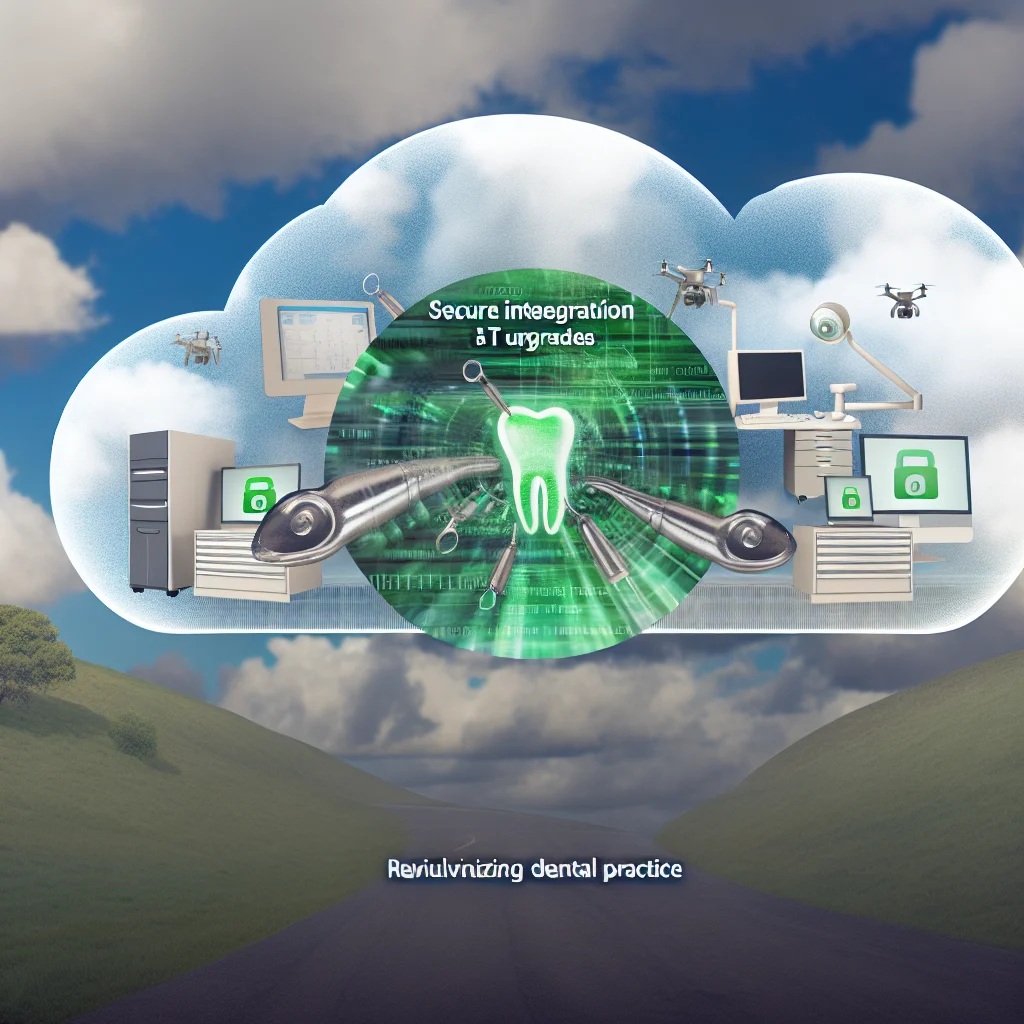
Furthermore, the adoption of cloud-based solutions has revolutionized the way dental practices manage their data. Cloud technology offers enhanced security features, such as automatic backups and disaster recovery options, which are vital for protecting against data loss. In the event of a system failure or cyberattack, cloud-based systems can quickly restore data, minimizing downtime and ensuring continuity of care. Additionally, cloud providers often employ advanced security measures, such as intrusion detection systems and regular security updates, to protect their clients’ data.
As dental technology continues to advance, the importance of cybersecurity education cannot be overstated. Training staff on best practices for data protection, such as recognizing phishing attempts and creating strong passwords, is essential for maintaining a secure practice environment. By fostering a culture of security awareness, dental practices can empower their employees to become active participants in safeguarding patient information.
In conclusion, the role of dental technology in enhancing practice security is multifaceted and ever-evolving. By implementing data encryption, secure access controls, regular system audits, and cloud-based solutions, dental practices can protect sensitive information and ensure compliance with regulatory standards. Moreover, by prioritizing cybersecurity education, practices can create a culture of security awareness that further strengthens their defenses. As the digital landscape continues to change, staying informed and proactive in adopting new technologies will be key to maintaining a secure and efficient dental practice.
Cloud Integration in Dental Practices: A Path to Modernization
In the rapidly evolving landscape of dental technology, cloud integration has emerged as a pivotal component in modernizing dental practices. As dental professionals strive to enhance patient care and streamline operations, the adoption of cloud-based solutions offers a promising path forward. This transition to cloud technology is not merely a trend but a strategic move that aligns with the broader digital transformation occurring across various sectors. By embracing cloud integration, dental practices can achieve greater efficiency, improved data management, and enhanced patient engagement.
One of the primary advantages of cloud integration in dental practices is the ability to access patient data seamlessly and securely from any location. This capability is particularly beneficial in an era where remote consultations and telehealth services are becoming increasingly prevalent. With cloud-based systems, dental professionals can access patient records, treatment plans, and diagnostic images in real-time, facilitating more informed decision-making and improving the overall quality of care. Moreover, the cloud’s robust security measures ensure that sensitive patient information is protected against unauthorized access, thereby maintaining compliance with stringent healthcare regulations.
In addition to enhancing data accessibility and security, cloud integration also streamlines administrative processes within dental practices. Traditional paper-based systems are often cumbersome and prone to errors, leading to inefficiencies and potential disruptions in patient care. By transitioning to cloud-based solutions, dental practices can automate routine tasks such as appointment scheduling, billing, and inventory management. This automation not only reduces the administrative burden on staff but also minimizes the risk of human error, ultimately leading to a more efficient and productive practice environment.
Furthermore, cloud integration facilitates better collaboration among dental professionals. In multi-location practices or group settings, the ability to share information and collaborate on patient care is crucial. Cloud-based platforms enable seamless communication and data sharing among team members, regardless of their physical location. This interconnectedness fosters a more cohesive approach to patient care, ensuring that all team members are aligned and informed about each patient’s treatment plan and progress.
Another significant benefit of cloud integration is its scalability. As dental practices grow and evolve, their technological needs may change. Cloud-based solutions offer the flexibility to scale services up or down based on the practice’s requirements, without the need for significant upfront investments in hardware or infrastructure. This scalability ensures that dental practices can adapt to changing demands and continue to provide high-quality care without interruption.
Moreover, cloud integration supports the implementation of advanced technologies such as artificial intelligence and machine learning in dental practices. These technologies have the potential to revolutionize diagnostics, treatment planning, and patient engagement. By leveraging cloud-based platforms, dental practices can harness the power of these advanced tools to enhance clinical outcomes and deliver personalized care to patients.
In conclusion, cloud integration represents a transformative opportunity for dental practices seeking to modernize their operations and improve patient care. By embracing cloud-based solutions, dental professionals can enhance data accessibility, streamline administrative processes, facilitate collaboration, and support the adoption of advanced technologies. As the dental industry continues to evolve, cloud integration will undoubtedly play a critical role in shaping the future of dental care, offering a path to modernization that aligns with the broader digital transformation in healthcare.
The Future of Dental Software: Innovations and Trends

The future of dental software is poised for significant transformation, driven by rapid advancements in technology and an increasing demand for more efficient, patient-centered care. As dental practices strive to enhance their services, the integration of innovative software solutions is becoming indispensable. One of the most notable trends in dental software is the shift towards cloud-based systems. These platforms offer numerous advantages, including enhanced data security, scalability, and accessibility. By storing data in the cloud, dental practices can ensure that patient information is protected against data breaches while also allowing for seamless access from any location. This flexibility is particularly beneficial for multi-location practices and those that require remote access to patient records.
In addition to cloud computing, artificial intelligence (AI) is making significant inroads into the dental industry. AI-powered software can assist in diagnosing conditions by analyzing dental images with remarkable accuracy. This not only speeds up the diagnostic process but also reduces the likelihood of human error. Furthermore, AI can be utilized to predict patient needs and personalize treatment plans, thereby improving patient outcomes and satisfaction. As AI technology continues to evolve, its applications in dentistry are expected to expand, offering even more sophisticated tools for practitioners.
Another emerging trend is the use of teledentistry, which has gained traction, especially in the wake of the COVID-19 pandemic. Teledentistry software enables dental professionals to conduct virtual consultations, providing patients with access to care without the need for in-person visits. This approach not only increases convenience for patients but also allows dentists to reach a broader audience, including those in remote or underserved areas. As telehealth becomes more integrated into healthcare systems, teledentistry is likely to become a standard offering in many practices.
Moreover, the integration of electronic health records (EHR) with dental software is becoming increasingly important. EHR systems facilitate the seamless exchange of patient information between dental and medical professionals, ensuring a more comprehensive approach to patient care. By having access to a patient’s complete medical history, dentists can make more informed decisions and tailor treatments to individual needs. This interoperability between systems is crucial for enhancing the quality of care and improving patient outcomes.
Furthermore, advancements in 3D printing technology are revolutionizing the way dental prosthetics and appliances are manufactured. Dental software that supports 3D printing allows for the creation of highly customized and precise dental products, such as crowns, bridges, and aligners. This not only reduces production time but also enhances the fit and comfort of these devices for patients. As 3D printing technology becomes more accessible and affordable, its adoption in dental practices is expected to grow.
In conclusion, the future of dental software is characterized by a convergence of cutting-edge technologies that promise to enhance the efficiency and effectiveness of dental care. Cloud computing, artificial intelligence, teledentistry, EHR integration, and 3D printing are just a few of the innovations shaping the industry. As these technologies continue to evolve, dental professionals must stay informed and adapt to these changes to provide the highest level of care to their patients. By embracing these advancements, dental practices can not only improve operational efficiency but also enhance patient satisfaction and outcomes, ultimately leading to a more robust and patient-centered dental care system.
Digital Dentistry: Transforming Patient Care with Technology
In recent years, the field of dentistry has witnessed a remarkable transformation, largely driven by advancements in digital technology. This evolution, often referred to as digital dentistry, is reshaping the way dental professionals diagnose, treat, and manage oral health conditions. By integrating cutting-edge technologies into everyday practice, dental professionals are not only enhancing the precision and efficiency of their procedures but also significantly improving patient care and outcomes.
One of the most significant advancements in digital dentistry is the adoption of digital imaging technologies. Traditional X-rays, while still in use, are increasingly being supplemented or replaced by digital radiography. This technology offers numerous advantages, including reduced radiation exposure for patients and the ability to instantly view and enhance images for more accurate diagnoses. Furthermore, digital images can be easily stored and shared, facilitating better communication between dental professionals and specialists, which is crucial for comprehensive patient care.
In addition to digital imaging, computer-aided design and computer-aided manufacturing (CAD/CAM) systems have revolutionized the creation of dental restorations. These systems allow for the precise design and fabrication of crowns, bridges, and other dental prosthetics in a fraction of the time required by traditional methods. The accuracy of CAD/CAM technology ensures a better fit and more natural appearance of restorations, leading to increased patient satisfaction. Moreover, the ability to produce these restorations in-house reduces the need for multiple patient visits, thereby enhancing the overall efficiency of dental practices.
Another transformative aspect of digital dentistry is the use of intraoral scanners. These devices capture detailed 3D images of a patient’s teeth and gums, eliminating the need for traditional impression materials that can be uncomfortable for patients. The digital impressions obtained through intraoral scanners are not only more accurate but also facilitate the seamless integration with other digital systems, such as CAD/CAM, for the design and production of dental restorations. This integration streamlines the workflow within dental practices, allowing for quicker turnaround times and improved patient experiences.
Furthermore, digital dentistry is making significant strides in the realm of orthodontics. The advent of clear aligner therapy, powered by digital technology, has provided patients with a more aesthetically pleasing and comfortable alternative to traditional metal braces. Digital treatment planning software allows orthodontists to create precise, customized treatment plans that predict the movement of teeth over time. This level of precision not only enhances the effectiveness of orthodontic treatments but also provides patients with a clear understanding of their treatment journey.
Tele-dentistry is another emerging trend within digital dentistry, offering a new dimension to patient care. By leveraging digital communication tools, dental professionals can conduct virtual consultations, provide remote diagnoses, and offer follow-up care, particularly beneficial for patients in remote or underserved areas. This approach not only increases access to dental care but also allows for more flexible and convenient patient interactions.
In conclusion, the integration of digital technology into dentistry is transforming the landscape of patient care. From digital imaging and CAD/CAM systems to intraoral scanners and tele-dentistry, these advancements are enhancing the precision, efficiency, and accessibility of dental services. As technology continues to evolve, it is imperative for dental professionals to stay abreast of these developments to provide the highest standard of care. Embracing digital dentistry not only benefits practitioners by streamlining operations but also significantly enhances the patient experience, ultimately leading to better oral health outcomes.
IT Upgrades for Dental Compliance: Staying Ahead in the Digital Age
In the rapidly evolving landscape of dental technology, staying compliant with regulatory standards is paramount for dental practices aiming to maintain their reputation and ensure patient safety. As the digital age continues to transform the healthcare industry, dental practices must prioritize IT upgrades to remain compliant with ever-changing regulations. This necessity is driven by the increasing reliance on digital records, the need for robust cybersecurity measures, and the demand for seamless patient communication systems.
To begin with, the transition from paper-based records to electronic health records (EHRs) has been a significant shift in dental practices. EHRs offer numerous advantages, including improved accessibility, enhanced accuracy, and streamlined workflows. However, they also introduce new compliance challenges. Dental practices must ensure that their EHR systems are compliant with the Health Insurance Portability and Accountability Act (HIPAA), which mandates the protection of patient information. This involves implementing secure access controls, encryption, and regular audits to safeguard sensitive data from unauthorized access or breaches.
Moreover, the integration of advanced imaging technologies, such as digital radiography and 3D imaging, has revolutionized diagnostic capabilities in dentistry. These technologies not only enhance diagnostic accuracy but also improve patient outcomes. However, they require sophisticated IT infrastructure to manage and store large volumes of data. Dental practices must invest in scalable storage solutions and ensure that their IT systems can handle the increased data load while maintaining compliance with data protection regulations.
In addition to data management, cybersecurity is a critical aspect of IT compliance in dental practices. Cyber threats are becoming increasingly sophisticated, and dental practices are not immune to these risks. Implementing robust cybersecurity measures is essential to protect patient data and maintain compliance with regulatory standards. This includes deploying firewalls, antivirus software, and intrusion detection systems, as well as conducting regular vulnerability assessments and employee training programs to mitigate the risk of cyberattacks.
Furthermore, the digital age has ushered in new communication channels that dental practices can leverage to enhance patient engagement. From appointment reminders via text messages to telehealth consultations, these technologies offer convenience and improve patient satisfaction. However, they also require compliance with regulations governing electronic communications. Dental practices must ensure that their communication systems are secure and that patient consent is obtained before using these channels. This not only ensures compliance but also builds trust with patients, who are increasingly concerned about the privacy of their personal information.
As dental practices navigate the complexities of IT compliance, it is crucial to stay informed about the latest regulatory updates and technological advancements. Engaging with IT professionals who specialize in healthcare compliance can provide valuable insights and guidance. These experts can assist in conducting risk assessments, developing compliance strategies, and implementing necessary IT upgrades to ensure that dental practices remain ahead in the digital age.
In conclusion, the digital transformation of dental practices presents both opportunities and challenges. While advanced technologies enhance patient care and operational efficiency, they also necessitate rigorous compliance with regulatory standards. By prioritizing IT upgrades and adopting a proactive approach to compliance, dental practices can not only safeguard patient data but also position themselves as leaders in the digital age. As the landscape of dental technology continues to evolve, staying ahead of compliance requirements will be essential for the success and sustainability of dental practices.
Unlock the future of your dental practice with cutting-edge insights into dental technology. Discover how to enhance patient care and streamline operations. Learn more at Dental IT Insights.