Ransomware Recovery: Effective Strategies for Modern IT Infrastructures
Ransomware attacks have become a formidable threat to modern IT infrastructures, necessitating robust recovery strategies to mitigate their impact. As organizations increasingly rely on digital systems, the potential for disruption caused by ransomware has grown exponentially. Consequently, understanding effective recovery strategies is crucial for maintaining operational continuity and safeguarding sensitive data. In this context, it is essential to explore the multifaceted approaches that can be employed to recover from such attacks and ensure the resilience of IT systems.
To begin with, a comprehensive backup strategy is the cornerstone of any effective ransomware recovery plan. Regularly scheduled backups, stored in secure, offsite locations, provide a reliable means of restoring data without succumbing to ransom demands. By maintaining multiple copies of critical data, organizations can ensure that they have access to uncorrupted versions, thereby minimizing downtime and data loss. Moreover, it is vital to test these backups periodically to verify their integrity and ensure that they can be restored swiftly in the event of an attack.
In addition to robust backup solutions, implementing advanced endpoint protection is another critical component of a ransomware recovery strategy. Modern IT infrastructures are often distributed across numerous devices and platforms, making them vulnerable to various attack vectors. By deploying comprehensive endpoint protection solutions, organizations can detect and neutralize threats before they infiltrate the network. These solutions often incorporate machine learning algorithms and behavioral analysis to identify suspicious activities, providing an additional layer of defense against ransomware.
Furthermore, network segmentation plays a pivotal role in limiting the spread of ransomware within an organization. By dividing the network into isolated segments, IT teams can contain the impact of an attack, preventing it from compromising the entire system. This approach not only aids in recovery efforts but also enhances overall network security by restricting unauthorized access to sensitive areas. Implementing strict access controls and monitoring network traffic can further bolster this strategy, ensuring that any anomalies are promptly identified and addressed.
Another essential aspect of ransomware recovery is the development of a well-defined incident response plan. This plan should outline the specific steps to be taken in the event of an attack, including roles and responsibilities, communication protocols, and recovery procedures. By having a clear and actionable plan in place, organizations can respond swiftly and effectively, minimizing the potential damage caused by ransomware. Regular training and simulations can also help ensure that all stakeholders are familiar with the plan and can execute it efficiently under pressure.
Moreover, collaboration with external partners and cybersecurity experts can significantly enhance an organization’s ability to recover from ransomware attacks. Engaging with third-party specialists can provide valuable insights into the latest threat landscapes and recovery techniques, enabling organizations to stay ahead of emerging threats. Additionally, participating in information-sharing initiatives with industry peers can facilitate the exchange of best practices and lessons learned, further strengthening an organization’s resilience against ransomware.
In conclusion, the threat of ransomware necessitates a proactive and multifaceted approach to recovery. By implementing comprehensive backup strategies, advanced endpoint protection, network segmentation, and well-defined incident response plans, organizations can effectively mitigate the impact of ransomware attacks. Furthermore, collaboration with external partners and continuous learning are essential for staying ahead of evolving threats. As the digital landscape continues to evolve, so too must the strategies employed to protect and recover modern IT infrastructures from the pervasive threat of ransomware.
Phishing Defense: Strengthening Your First Line of Defense Against Ransomware
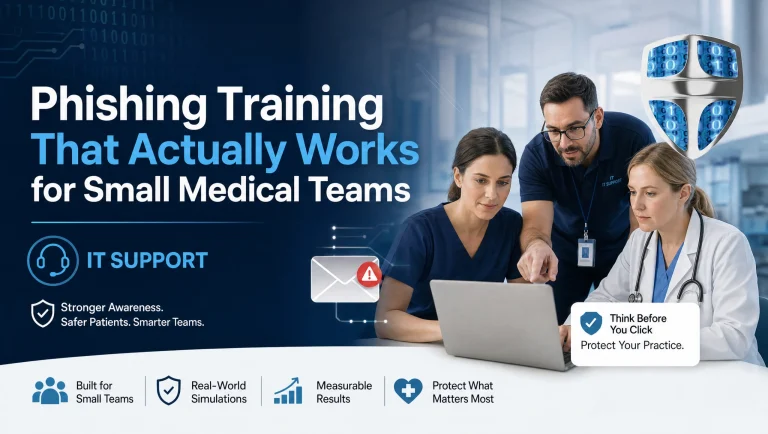
In the ever-evolving landscape of cybersecurity threats, ransomware has emerged as a formidable adversary, with phishing attacks often serving as the initial vector for these malicious incursions. As organizations strive to fortify their defenses against ransomware, it becomes imperative to focus on strengthening the first line of defense: phishing protection. Phishing attacks, which typically involve deceptive emails or messages designed to trick recipients into divulging sensitive information or downloading malicious software, are alarmingly effective. Consequently, enhancing phishing defense mechanisms is crucial in mitigating the risk of ransomware infiltration.
To begin with, employee education and awareness are paramount in combating phishing threats. Organizations must invest in comprehensive training programs that educate employees about the various forms of phishing attacks and the telltale signs of such attempts. By fostering a culture of vigilance, employees become adept at recognizing suspicious emails and are less likely to fall prey to deceptive tactics. Regularly updated training sessions, coupled with simulated phishing exercises, can significantly bolster an organization’s resilience against these threats.
In addition to education, implementing robust email filtering solutions is essential. Advanced email filters can detect and block phishing emails before they reach the inbox, thereby reducing the likelihood of an employee inadvertently engaging with a malicious message. These filters utilize sophisticated algorithms and machine learning techniques to identify and quarantine suspicious emails, providing an additional layer of security. Moreover, organizations should consider deploying domain-based message authentication, reporting, and conformance (DMARC) protocols. DMARC helps prevent email spoofing by verifying the sender’s domain, ensuring that only legitimate emails are delivered to recipients.
Furthermore, multi-factor authentication (MFA) serves as a critical component in phishing defense. By requiring users to provide multiple forms of verification before accessing sensitive systems or data, MFA significantly reduces the risk of unauthorized access, even if login credentials are compromised. This additional security measure acts as a formidable barrier against phishing attacks that aim to harvest user credentials.
Another vital aspect of phishing defense is the implementation of a robust incident response plan. Despite the best preventive measures, some phishing attempts may still succeed. Therefore, having a well-defined incident response strategy enables organizations to swiftly contain and mitigate the impact of a successful phishing attack. This plan should include clear protocols for reporting incidents, isolating affected systems, and conducting thorough investigations to understand the breach’s scope and origin.
Moreover, organizations should leverage threat intelligence to stay informed about the latest phishing tactics and trends. By subscribing to threat intelligence feeds and collaborating with cybersecurity experts, organizations can proactively adjust their defense strategies to counter emerging threats. This proactive approach ensures that defenses remain adaptive and resilient in the face of evolving phishing techniques.
In conclusion, strengthening the first line of defense against ransomware through enhanced phishing protection is a multifaceted endeavor that requires a combination of employee education, advanced technological solutions, and strategic planning. By fostering a culture of awareness, deploying robust email filters, implementing multi-factor authentication, and maintaining a comprehensive incident response plan, organizations can significantly reduce their vulnerability to phishing attacks. As the threat landscape continues to evolve, staying informed and adaptable is crucial in safeguarding against the ever-present risk of ransomware. Through these concerted efforts, organizations can fortify their defenses and protect their valuable assets from the pervasive threat of ransomware.
Malware Detection: Advanced Techniques to Prevent Ransomware Attacks

In the ever-evolving landscape of cybersecurity, ransomware remains a formidable threat, necessitating advanced techniques for malware detection to prevent devastating attacks. As organizations increasingly rely on digital infrastructure, the sophistication of ransomware has grown, making traditional security measures insufficient. Consequently, modern IT strategies must incorporate cutting-edge technologies and methodologies to effectively detect and mitigate these threats.
One of the most promising advancements in malware detection is the use of artificial intelligence (AI) and machine learning (ML). These technologies enable systems to analyze vast amounts of data and identify patterns indicative of ransomware activity. By learning from previous attacks, AI-driven solutions can predict and recognize new threats, even those that have not been previously encountered. This proactive approach allows for the early detection of ransomware, significantly reducing the potential for damage.
In addition to AI and ML, behavioral analysis plays a crucial role in modern malware detection strategies. Unlike signature-based detection methods, which rely on known malware signatures, behavioral analysis focuses on identifying suspicious activities and anomalies within a network. This technique is particularly effective against zero-day attacks, where the malware is new and has no known signature. By monitoring for unusual behavior, such as unauthorized file encryption or unexpected network communications, organizations can swiftly respond to potential ransomware threats.
Moreover, the integration of threat intelligence feeds into security systems enhances the ability to detect ransomware. These feeds provide real-time data on emerging threats, allowing organizations to stay informed about the latest ransomware variants and attack vectors. By incorporating this intelligence into their security infrastructure, companies can adjust their defenses accordingly, ensuring they are prepared for the most current threats.
Another critical component of advanced malware detection is the implementation of endpoint detection and response (EDR) solutions. EDR tools continuously monitor endpoints, such as computers and servers, for signs of malicious activity. By providing detailed visibility into endpoint behavior, these solutions enable security teams to quickly identify and respond to ransomware attacks. Furthermore, EDR systems often include automated response capabilities, allowing for immediate containment and remediation of threats.
While technology plays a vital role in preventing ransomware attacks, human factors should not be overlooked. Employee training and awareness programs are essential in creating a security-conscious culture within an organization. By educating staff on the dangers of ransomware and the importance of following security protocols, companies can reduce the likelihood of successful attacks. Additionally, fostering a culture of vigilance encourages employees to report suspicious activities, further enhancing the organization’s ability to detect and respond to threats.
Transitioning from detection to prevention, organizations must also focus on implementing robust backup and recovery strategies. Regularly backing up data ensures that, in the event of a ransomware attack, critical information can be restored without succumbing to ransom demands. Moreover, testing these backups is crucial to ensure their reliability and effectiveness in a crisis.
In conclusion, the fight against ransomware requires a multifaceted approach that combines advanced technologies with human vigilance. By leveraging AI, behavioral analysis, threat intelligence, and EDR solutions, organizations can enhance their malware detection capabilities and reduce the risk of ransomware attacks. Simultaneously, fostering a security-aware culture and maintaining robust backup strategies are essential components of a comprehensive defense strategy. As ransomware continues to evolve, so too must the techniques and strategies employed to combat it, ensuring that organizations remain resilient in the face of this persistent threat.
Disaster Planning: Preparing Your Organization for Ransomware Incidents
In today’s digital landscape, the threat of ransomware looms large over organizations of all sizes, making it imperative to develop robust disaster planning strategies. Ransomware incidents can cripple operations, compromise sensitive data, and inflict significant financial losses. Therefore, preparing your organization for such incidents is not merely a technical necessity but a strategic imperative. By understanding the nature of ransomware and implementing comprehensive recovery plans, organizations can mitigate risks and ensure business continuity.
To begin with, it is essential to recognize that ransomware is a type of malicious software designed to block access to a computer system or data until a ransom is paid. This threat has evolved over the years, becoming more sophisticated and targeted. Consequently, organizations must adopt a proactive approach to disaster planning, which involves not only technological defenses but also organizational preparedness. A well-rounded strategy encompasses prevention, detection, response, and recovery, each playing a crucial role in minimizing the impact of a ransomware attack.
Prevention is the first line of defense against ransomware. Organizations should invest in robust cybersecurity measures, including firewalls, antivirus software, and intrusion detection systems. Regularly updating these tools ensures they can effectively counter the latest threats. Additionally, employee training is vital, as human error often serves as a gateway for ransomware attacks. By educating staff on recognizing phishing attempts and practicing safe online behavior, organizations can significantly reduce their vulnerability.
Despite preventive measures, the possibility of a ransomware incident cannot be entirely eliminated. Therefore, detection mechanisms must be in place to identify and respond to threats promptly. Implementing real-time monitoring systems and conducting regular security audits can help detect anomalies and potential breaches early. Swift detection allows for a rapid response, minimizing the damage caused by an attack.
In the event of a ransomware incident, having a well-defined response plan is crucial. This plan should outline the steps to be taken immediately following an attack, including isolating affected systems, notifying relevant stakeholders, and engaging with cybersecurity experts. Communication is key during this phase, both internally and externally, to manage the situation effectively and maintain trust with clients and partners.
Recovery is the final, yet equally important, component of disaster planning. Organizations must ensure they have reliable data backup solutions in place. Regularly backing up data and storing it in secure, offsite locations can facilitate a swift recovery process. It is advisable to test these backups periodically to ensure their integrity and accessibility when needed. Moreover, having a clear understanding of the organization’s critical assets and prioritizing their recovery can expedite the return to normal operations.
In conclusion, preparing for ransomware incidents requires a comprehensive approach that integrates prevention, detection, response, and recovery strategies. By investing in robust cybersecurity measures, educating employees, and developing detailed response and recovery plans, organizations can enhance their resilience against ransomware threats. While the risk of an attack can never be entirely eliminated, a well-prepared organization can navigate the challenges posed by ransomware with confidence, ensuring business continuity and safeguarding its reputation in an increasingly digital world.
Security Patches: Keeping Your Systems Safe from Crypto Locker Threats
In the ever-evolving landscape of cybersecurity, ransomware remains a formidable threat, with Crypto Locker variants posing significant risks to organizations worldwide. As these malicious programs continue to advance in complexity, the importance of implementing robust security measures cannot be overstated. One of the most effective strategies in safeguarding systems against such threats is the timely application of security patches. These patches, often released by software vendors, address vulnerabilities that could otherwise be exploited by ransomware to infiltrate and compromise systems.
The process of patching involves updating software to fix bugs, close security loopholes, and enhance overall functionality. In the context of ransomware, security patches are crucial as they directly address the vulnerabilities that ransomware exploits to gain unauthorized access. By regularly updating systems with the latest patches, organizations can significantly reduce their attack surface, making it more difficult for ransomware to penetrate their defenses. This proactive approach is essential in maintaining the integrity and security of IT infrastructures.
However, the implementation of security patches is not without its challenges. Organizations often face difficulties in managing and deploying patches across diverse and complex IT environments. This complexity is compounded by the need to ensure that patches do not disrupt business operations or introduce new issues. To address these challenges, modern IT strategies advocate for the adoption of automated patch management solutions. These solutions streamline the patching process, ensuring that updates are applied consistently and efficiently across all systems. By automating this critical task, organizations can minimize human error and reduce the time required to secure their systems against emerging threats.
Moreover, it is important to recognize that patch management is not a one-time activity but an ongoing process. Cyber threats are constantly evolving, and new vulnerabilities are discovered regularly. Therefore, organizations must establish a continuous patch management cycle, which includes regular assessments of their systems to identify and prioritize vulnerabilities. This approach enables organizations to allocate resources effectively and address the most critical vulnerabilities first, thereby enhancing their overall security posture.
In addition to patch management, organizations should also consider implementing complementary security measures to bolster their defenses against ransomware. These measures include deploying advanced threat detection and response solutions, conducting regular security awareness training for employees, and maintaining comprehensive data backup and recovery plans. By adopting a multi-layered security strategy, organizations can create a more resilient defense against ransomware attacks.
Furthermore, collaboration and information sharing within the cybersecurity community play a vital role in combating ransomware threats. By participating in industry forums and threat intelligence networks, organizations can stay informed about the latest ransomware trends and tactics. This knowledge enables them to anticipate potential threats and adapt their security strategies accordingly.
In conclusion, the application of security patches is a fundamental component of any effective ransomware defense strategy. By ensuring that systems are regularly updated and vulnerabilities are addressed promptly, organizations can significantly reduce their risk of falling victim to Crypto Locker threats. Coupled with modern IT strategies and a comprehensive approach to cybersecurity, organizations can enhance their resilience against ransomware and protect their critical assets from compromise. As the threat landscape continues to evolve, staying vigilant and proactive in the application of security patches will remain a cornerstone of effective cybersecurity practices.
Unlock the secrets to safeguarding your business with our comprehensive guide on Ransomware Insights: Ransomware Recovery and Modern IT Strategies. [Discover more now](https://comptss.com).