Integrating Advanced Dental Software: Revolutionizing Patient Experience in Clinics
In the rapidly evolving landscape of healthcare, dental clinics are increasingly recognizing the importance of integrating advanced dental software to enhance patient experience. This integration is not merely a trend but a necessity, as it significantly contributes to the optimization of IT systems within these clinics. By adopting cutting-edge technologies, dental practices can streamline their operations, improve patient care, and ultimately revolutionize the overall patient experience.
To begin with, the implementation of advanced dental software facilitates seamless management of patient records. Traditional paper-based systems are not only cumbersome but also prone to errors and inefficiencies. In contrast, digital solutions offer a centralized platform where patient information can be stored, accessed, and updated with ease. This transition to electronic health records (EHR) ensures that dental professionals have immediate access to comprehensive patient histories, enabling them to make informed decisions quickly. Moreover, the integration of EHR systems with other digital tools allows for the automatic updating of patient data, reducing the risk of human error and enhancing the accuracy of records.
Furthermore, advanced dental software enhances appointment scheduling and management. With automated scheduling systems, patients can book appointments online at their convenience, reducing the need for time-consuming phone calls. These systems also send automated reminders to patients, minimizing the likelihood of missed appointments and optimizing the clinic’s schedule. As a result, dental clinics can operate more efficiently, reducing wait times and improving patient satisfaction. Additionally, the ability to manage appointments digitally allows clinics to better allocate resources and staff, ensuring that patient care is delivered promptly and effectively.
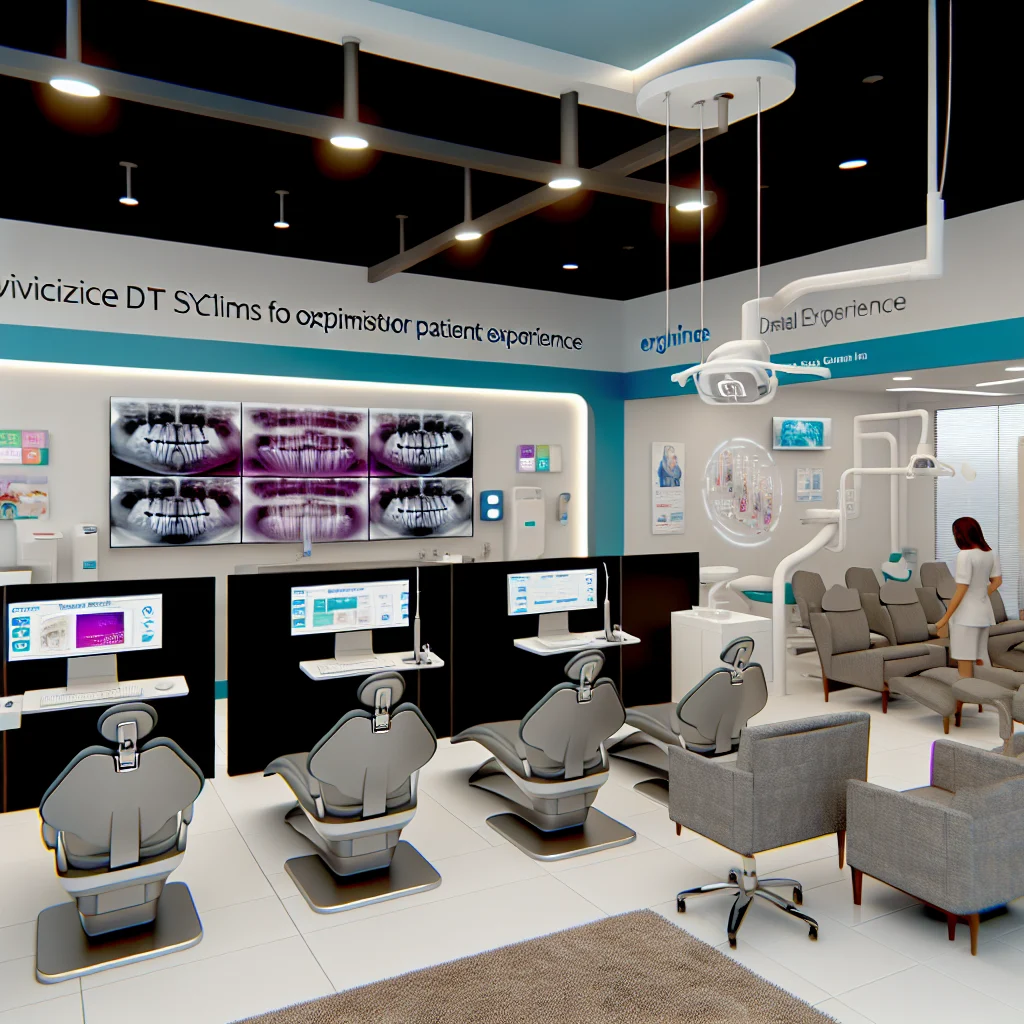
In addition to improving administrative functions, advanced dental software plays a crucial role in enhancing clinical outcomes. Diagnostic tools integrated into these systems provide dental professionals with detailed insights into a patient’s oral health. For instance, digital imaging software allows for high-resolution images that can be easily shared and analyzed, facilitating accurate diagnoses and treatment planning. This level of precision not only improves the quality of care but also fosters trust and confidence among patients, as they are more likely to understand and engage with their treatment plans when presented with clear, visual information.
Moreover, the integration of advanced dental software supports personalized patient care. By analyzing data collected from various digital tools, dental professionals can tailor treatment plans to meet the specific needs of each patient. This personalized approach not only enhances the effectiveness of treatments but also improves patient satisfaction, as individuals feel valued and understood. Furthermore, the use of patient portals allows individuals to access their health information, communicate with their dental care providers, and actively participate in their care journey, fostering a sense of empowerment and engagement.
In conclusion, the integration of advanced dental software is revolutionizing the patient experience in dental clinics by optimizing IT systems. From streamlining administrative tasks to enhancing clinical outcomes and personalizing patient care, these digital solutions are transforming the way dental practices operate. As technology continues to advance, it is imperative for dental clinics to embrace these innovations to remain competitive and deliver exceptional patient care. By doing so, they not only improve operational efficiency but also ensure that patients receive the highest standard of care in a modern, patient-centered environment.
Enhancing Data Security in Dental Clinics: Protecting Patient Information
In the rapidly evolving landscape of healthcare, dental clinics are increasingly relying on advanced IT systems to streamline operations and enhance patient experiences. However, as these clinics embrace digital transformation, the importance of safeguarding patient information becomes paramount. Enhancing data security in dental clinics is not merely a regulatory requirement but a critical component in maintaining patient trust and ensuring the smooth functioning of the clinic’s operations.
To begin with, dental clinics handle a vast amount of sensitive patient data, including personal identification details, medical histories, and financial information. This data is invaluable not only for providing personalized care but also for ensuring efficient administrative processes. However, the digital storage and transmission of such information make it vulnerable to cyber threats. Consequently, implementing robust data security measures is essential to protect against unauthorized access, data breaches, and other cyber risks.
One of the foundational steps in enhancing data security is the adoption of comprehensive encryption protocols. Encryption ensures that even if data is intercepted, it remains unintelligible to unauthorized users. By encrypting data both at rest and in transit, dental clinics can significantly reduce the risk of data breaches. Furthermore, employing secure communication channels for transmitting patient information between different systems and stakeholders is crucial in maintaining data integrity.
In addition to encryption, dental clinics should implement strong access control measures. This involves defining clear access policies that determine who can view or modify patient data. Role-based access control (RBAC) is an effective strategy, as it restricts data access based on the user’s role within the clinic. By ensuring that only authorized personnel have access to sensitive information, clinics can minimize the risk of internal data misuse.
Moreover, regular staff training on data security best practices is vital. Employees are often the first line of defense against cyber threats, and their awareness of potential risks can significantly enhance the clinic’s security posture. Training programs should cover topics such as recognizing phishing attempts, creating strong passwords, and understanding the importance of data privacy. By fostering a culture of security awareness, dental clinics can empower their staff to act as vigilant guardians of patient information.
Another critical aspect of data security is the implementation of regular security audits and vulnerability assessments. These evaluations help identify potential weaknesses in the clinic’s IT infrastructure and provide insights into areas that require improvement. By proactively addressing vulnerabilities, dental clinics can stay ahead of emerging threats and ensure that their security measures remain effective over time.
Furthermore, dental clinics should have a well-defined incident response plan in place. In the event of a data breach or security incident, a swift and coordinated response is essential to mitigate damage and restore normal operations. An effective incident response plan outlines the steps to be taken, assigns responsibilities, and ensures clear communication among all stakeholders. By preparing for potential incidents, clinics can minimize the impact on patient trust and clinic reputation.
In conclusion, enhancing data security in dental clinics is a multifaceted endeavor that requires a combination of technological solutions, staff training, and proactive planning. By prioritizing data security, dental clinics not only protect patient information but also reinforce their commitment to providing a safe and trustworthy environment for their patients. As the digital landscape continues to evolve, maintaining robust data security measures will remain a cornerstone of optimizing IT systems in dental clinics and enhancing the overall patient experience.
Network Management Strategies for Optimizing IT Systems in Dental Clinics
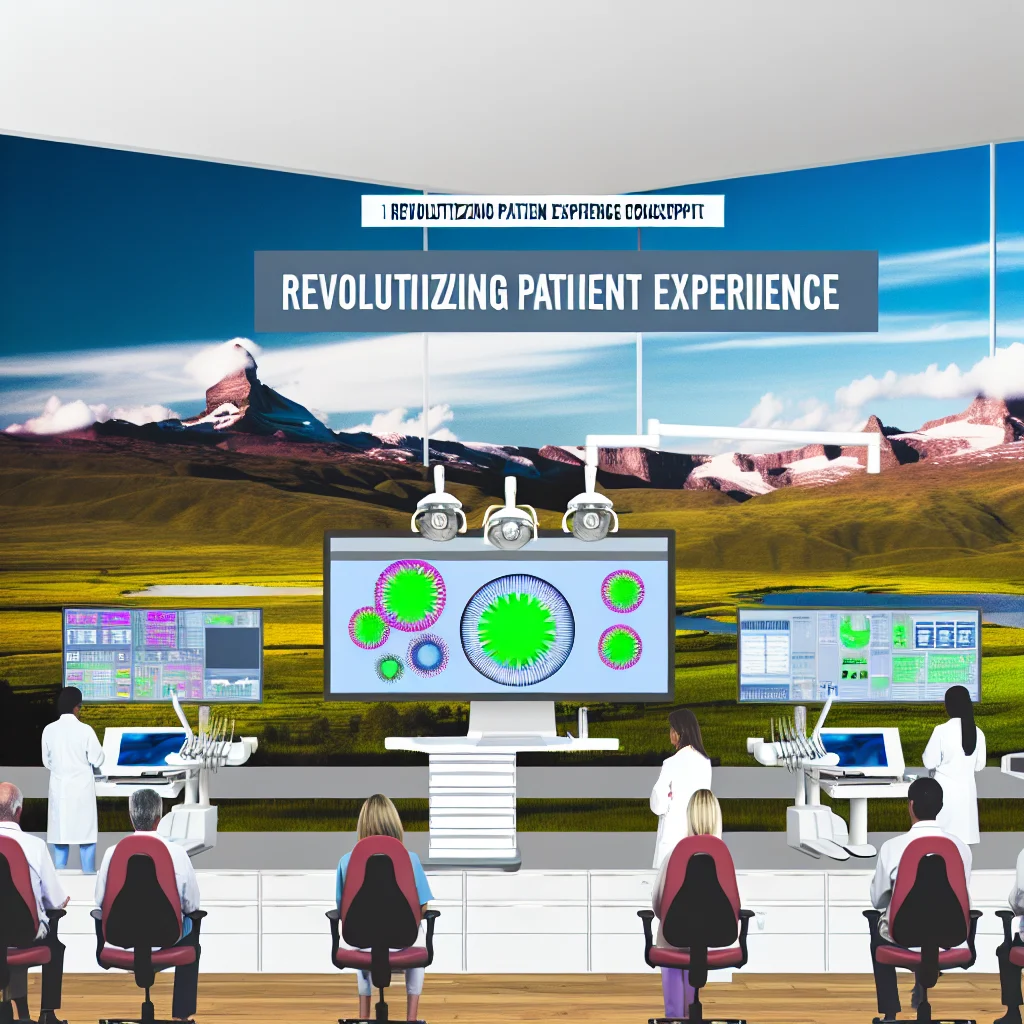
In the rapidly evolving landscape of healthcare, dental clinics are increasingly recognizing the importance of robust IT systems to enhance patient experience and streamline operations. As dental practices integrate more digital tools and technologies, effective network management strategies become crucial. These strategies not only ensure the seamless operation of IT systems but also play a pivotal role in improving patient satisfaction and clinic efficiency.
To begin with, a well-structured network management strategy is essential for maintaining the reliability and performance of IT systems in dental clinics. This involves the implementation of a comprehensive network design that supports the clinic’s current needs while allowing for future growth. By employing scalable network architectures, dental clinics can accommodate new technologies and increased data traffic without compromising system performance. This foresight is particularly important as clinics adopt advanced imaging technologies and electronic health records (EHRs), which require significant bandwidth and storage capabilities.
Moreover, network security is a critical component of optimizing IT systems in dental clinics. With the increasing digitization of patient records and the use of interconnected devices, the risk of cyber threats has escalated. Implementing robust security measures, such as firewalls, encryption, and intrusion detection systems, is imperative to protect sensitive patient information. Regular security audits and updates further ensure that the network remains resilient against emerging threats. By prioritizing security, dental clinics not only safeguard patient data but also build trust with their clientele, thereby enhancing the overall patient experience.
In addition to security, network reliability is paramount in ensuring uninterrupted access to digital tools and patient information. Dental clinics can achieve this by employing redundancy strategies, such as backup internet connections and failover systems, to minimize downtime. Regular network monitoring and maintenance are also essential to identify and resolve potential issues before they impact clinic operations. By maintaining a reliable network, dental clinics can ensure that their IT systems support efficient workflows and timely patient care.
Furthermore, the integration of cloud-based solutions offers significant advantages for network management in dental clinics. Cloud services provide scalable storage and computing resources, enabling clinics to manage large volumes of data without the need for extensive on-premises infrastructure. This not only reduces costs but also enhances data accessibility and collaboration among dental professionals. Cloud-based systems also facilitate remote consultations and telehealth services, expanding the clinic’s reach and improving patient convenience.
Transitioning to a more patient-centric perspective, effective network management directly influences the quality of care provided by dental clinics. With optimized IT systems, dental professionals can access comprehensive patient records and diagnostic tools swiftly, leading to more accurate diagnoses and personalized treatment plans. Additionally, streamlined appointment scheduling and billing processes contribute to a smoother patient journey, reducing wait times and administrative burdens.
In conclusion, optimizing IT systems through strategic network management is essential for dental clinics aiming to enhance patient experience and operational efficiency. By focusing on scalable network design, robust security measures, reliable connectivity, and cloud integration, clinics can create a digital environment that supports high-quality care and patient satisfaction. As the healthcare industry continues to embrace digital transformation, dental clinics that prioritize effective network management will be well-positioned to meet the evolving needs of their patients and thrive in a competitive landscape.
Leveraging Technology Integration to Improve Patient Experience in Dental Practices
In the rapidly evolving landscape of healthcare, dental clinics are increasingly recognizing the importance of integrating advanced technology into their operations to enhance patient experience. The optimization of IT systems in dental practices is not merely a trend but a necessity to meet the growing expectations of patients who seek efficient, personalized, and seamless care. By leveraging technology integration, dental clinics can significantly improve patient satisfaction, streamline operations, and ultimately, deliver superior care.
One of the primary ways technology integration enhances patient experience is through the implementation of electronic health records (EHRs). EHRs allow for the efficient management of patient information, ensuring that dental professionals have immediate access to comprehensive patient histories, treatment plans, and previous dental work. This accessibility not only reduces the likelihood of errors but also facilitates more informed decision-making, enabling dentists to provide tailored treatment options that align with individual patient needs. Moreover, EHRs enhance communication between dental professionals and patients, as they can easily share information and updates, fostering a sense of transparency and trust.
In addition to EHRs, the adoption of digital appointment scheduling systems has revolutionized the way dental clinics manage patient appointments. These systems offer patients the convenience of booking, rescheduling, or canceling appointments online, reducing the need for time-consuming phone calls. Furthermore, automated reminders via email or text message help minimize missed appointments, ensuring that clinics operate efficiently and patients receive timely care. This level of convenience and efficiency is highly valued by patients, contributing to a more positive overall experience.
Another critical aspect of technology integration in dental practices is the use of advanced diagnostic tools. Digital radiography, for instance, provides high-quality images with significantly less radiation exposure compared to traditional X-rays. This not only enhances patient safety but also allows for quicker and more accurate diagnoses. Similarly, intraoral cameras offer detailed views of the mouth, enabling dentists to better explain diagnoses and treatment options to patients. By utilizing these advanced tools, dental clinics can improve diagnostic accuracy and patient understanding, leading to more effective treatment outcomes.
Furthermore, the integration of patient management software can streamline administrative tasks, allowing dental staff to focus more on patient care. These systems can manage billing, insurance claims, and patient records efficiently, reducing administrative burdens and minimizing errors. As a result, patients experience shorter wait times and smoother interactions with clinic staff, enhancing their overall satisfaction.
Tele-dentistry is another innovative approach that has gained traction, particularly in the wake of the COVID-19 pandemic. By offering virtual consultations, dental clinics can provide patients with access to professional advice without the need for an in-person visit. This is especially beneficial for patients with mobility issues or those living in remote areas. Tele-dentistry not only expands access to care but also allows for more flexible scheduling, accommodating the diverse needs of patients.
In conclusion, the integration of technology in dental clinics is a powerful tool for enhancing patient experience. By adopting electronic health records, digital appointment systems, advanced diagnostic tools, patient management software, and tele-dentistry, dental practices can streamline operations, improve communication, and deliver personalized care. As technology continues to advance, dental clinics that embrace these innovations will be well-positioned to meet the evolving expectations of their patients, ensuring a high standard of care and satisfaction.
Best Practices for Optimizing IT Systems in Dental Clinics: A Focus on Patient-Centric Solutions
In the rapidly evolving landscape of healthcare, dental clinics are increasingly recognizing the importance of optimizing their IT systems to enhance patient experience. As technology becomes an integral part of healthcare delivery, dental clinics must adopt best practices that focus on patient-centric solutions. By doing so, they can streamline operations, improve patient satisfaction, and ultimately, foster a more efficient and effective practice.
To begin with, the integration of electronic health records (EHR) is a fundamental step in optimizing IT systems within dental clinics. EHRs provide a centralized platform for storing and accessing patient information, which not only improves the accuracy of patient data but also facilitates seamless communication among healthcare providers. This integration ensures that dental professionals have immediate access to comprehensive patient histories, enabling them to make informed decisions and deliver personalized care. Moreover, EHRs enhance the efficiency of administrative tasks, such as appointment scheduling and billing, thereby reducing wait times and improving the overall patient experience.
In addition to EHRs, implementing advanced appointment scheduling systems is crucial for optimizing IT systems in dental clinics. These systems allow patients to book appointments online at their convenience, reducing the need for time-consuming phone calls. Furthermore, automated reminders via email or text message can significantly decrease the number of missed appointments, ensuring that clinics operate smoothly and efficiently. By offering patients the flexibility to manage their appointments digitally, dental clinics can enhance patient satisfaction and foster a more patient-centric environment.
Another best practice involves the use of digital imaging technologies, which have revolutionized diagnostic processes in dental care. Digital X-rays and intraoral cameras provide high-quality images that can be easily shared with patients, allowing them to better understand their diagnoses and treatment options. This transparency not only builds trust between patients and providers but also empowers patients to take an active role in their oral health. Additionally, digital imaging reduces the need for physical storage space and minimizes the environmental impact associated with traditional film-based methods.
Furthermore, the implementation of secure patient portals is an essential component of a patient-centric IT system. These portals offer patients a convenient and secure way to access their health information, communicate with their dental care team, and review treatment plans. By providing patients with easy access to their records, dental clinics can enhance patient engagement and encourage proactive management of oral health. Moreover, patient portals can facilitate the exchange of information between patients and providers, leading to more informed decision-making and improved health outcomes.
To ensure the successful optimization of IT systems, dental clinics must also prioritize cybersecurity measures. Protecting patient data is paramount, and clinics must implement robust security protocols to safeguard sensitive information. This includes using encryption technologies, regularly updating software, and conducting staff training on data protection practices. By maintaining a secure IT infrastructure, dental clinics can build patient trust and comply with regulatory requirements, further enhancing the patient experience.
In conclusion, optimizing IT systems in dental clinics through patient-centric solutions is essential for enhancing the patient experience. By integrating electronic health records, implementing advanced scheduling systems, utilizing digital imaging technologies, and establishing secure patient portals, dental clinics can streamline operations and improve patient satisfaction. Additionally, prioritizing cybersecurity measures ensures the protection of patient data, fostering trust and compliance. As dental clinics continue to embrace technological advancements, these best practices will play a crucial role in delivering high-quality, patient-centered care.
Unlock the full potential of your dental clinic by optimizing your IT systems to enhance patient experience. Streamline operations, improve patient satisfaction, and stay ahead in the competitive healthcare landscape. [Discover how](https://comptss.com) today!